


A peeling thermofoil bathroom vanity can trigger a wave of costly warranty claims and negative tenant reviews, directly impacting a multi-family property’s long-term asset value. While Rigid Thermal Foil (RTF) offers an attractive upfront cost and a seamless, easy-to-clean surface, its known vulnerability to delamination creates a significant financial risk for developers and property managers. The decision to specify this material often comes down to a critical trade-off between initial budget constraints and the total lifecycle cost of the cabinetry.
This guide serves as a technical brief for specifiers, examining the precise mechanics behind thermofoil failure—specifically how heat and moisture compromise the adhesive bond. We will analyze why its seamless face provides a moisture-resistant advantage, compare its styling capabilities to traditional methods, and provide a clear cost analysis against painted MDF. The goal is to equip project stakeholders with the data needed to evaluate the peeling risk and make an informed purchasing decision.
What Is Thermofoil (Rigid Thermal Foil or RTF) in Cabinetry?
Thermofoil is a vinyl (PVC) film that is heat-fused and vacuum-pressed onto an MDF core, creating a seamless surface that is durable but highly vulnerable to heat damage.
Composition and Manufacturing Process
Thermofoil, also known as Rigid Thermal Foil (RTF), is not a foil in the metallic sense. It is a polyvinyl chloride (PVC) film applied to a medium-density fiberboard (MDF) substrate. The manufacturing process uses a large vacuum press that applies both intense heat and pressure to bond the thin PVC layer over the face and profiled edges of an MDF panel. This creates a completely seamless and non-porous surface on five sides of a cabinet door or drawer front.
- The core material is medium-density fiberboard (MDF), an engineered wood product valued for its smooth, stable surface.
- A thin layer of polyvinyl chloride (PVC) film is bonded directly to the MDF using an automated heat and pressure system.
- This process achieves a seamless finish on the front and all four edges, with finishes ranging from solid colors to realistic faux wood grains.
Durability Limitations and Common Failure Points
Despite its smooth and easy-to-clean surface, thermofoil’s primary weaknesses are its poor resistance to heat and moisture. Consistent high temperatures from ovens, dishwashers, or even direct sunlight can degrade the adhesive, causing the vinyl film to bubble, peel, or delaminate from the MDF core. Once the vinyl surface is compromised by a scratch or cut, water can penetrate the MDF, leading to swelling and irreversible structural damage that cannot be effectively repaired.
- Sustained heat exposure is the number one cause of failure, directly leading to the vinyl layer delaminating from the MDF.
- Moisture intrusion through any break in the surface causes the underlying MDF to swell and disintegrate, destroying the component.
- Once peeling or bubbling occurs, thermofoil cannot be reliably sanded, repainted, or re-glued, forcing a full replacement of the door or drawer front.
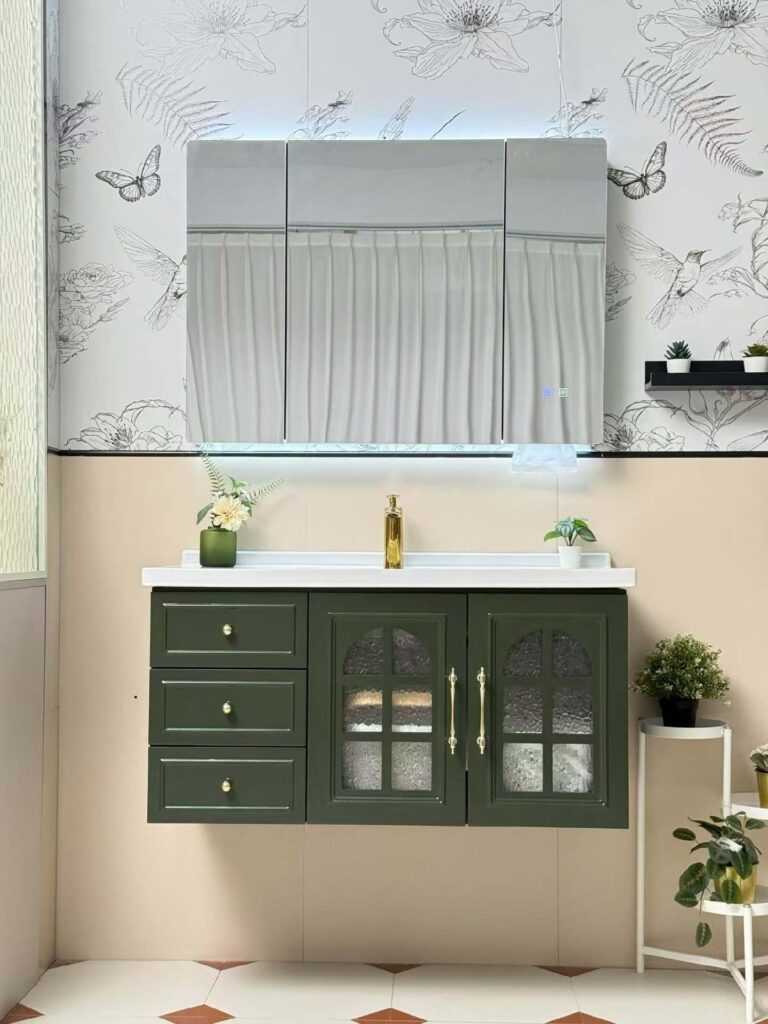
How Does a Seamless Face Give Thermofoil a Waterproof Advantage?
The primary water-resistant benefit of thermofoil comes from its one-piece vinyl construction, which physically eliminates the joints and seams that serve as the main entry points for moisture in traditional cabinet doors.
Eliminating Vulnerable Joints and Edge Seams
Traditional cabinets, especially 5-piece door constructions, have inherent seams where the stiles and rails meet. These joints are natural weak spots where moisture can penetrate over time, eventually reaching the wood or MDF core. Thermofoil manufacturing solves this problem by using heat and vacuum pressure to wrap a single, continuous sheet of vinyl over the face and edges of a cabinet door or drawer front. This process creates a monolithic, sealed surface that removes the entry points where water damage typically begins.
- The one-piece vinyl construction prevents water from seeping into the underlying MDF core.
- This design is particularly effective in high-humidity areas like bathrooms and kitchens.
- By sealing the most common failure points, the cabinet’s operational lifespan is significantly extended.
Providing a Nonporous and Easy-to-Maintain Surface
The polyvinyl chloride (PVC) film used in thermofoil is a nonporous material, meaning it inherently repels water and does not absorb moisture. This gives it a significant advantage over painted wood, which can suffer from water spots, staining, and requires more delicate cleaning. The seamless vinyl barrier not only protects the MDF core but also simplifies maintenance, as spills and grime wipe away easily without penetrating the surface. This consistent protection makes it a reliable choice for high-use applications.
- The smooth surface resists moisture absorption, which helps prevent swelling or warping of the core material.
- This feature lowers long-term maintenance needs, a key benefit for both residential and commercial properties.
- The seamless wrap ensures consistent protection across the entire door and drawer front, unlike painted surfaces that can chip or wear thin at the edges.
Tailor-Made Bathroom Cabinets to Dominate Markets

Why Does “Delamination” Occur in Thermofoil (Heat and Glue Failure)?
Thermofoil delamination is a predictable failure caused by three primary factors: heat exceeding 175°F that degrades the adhesive, inconsistent glue application during manufacturing, and moisture infiltration at compromised edges.
The most common point of failure for thermofoil is delamination—the vinyl layer peeling away from its MDF core. This separation isn’t random; it’s a material failure with clear, identifiable causes. Understanding these root causes is critical for specifying thermofoil in projects and for setting realistic durability expectations.
Heat-Induced Adhesive Breakdown
The adhesive bond holding the vinyl film to the MDF substrate is the system’s weakest link. When exposed to temperatures above 175°F (79°C), this heat-sealed glue begins to soften and lose its structural integrity. This level of heat is common in kitchens, generated by self-cleaning oven cycles, toasters, coffeemakers, and even steam from dishwashers. Once the bond weakens, the vinyl layer starts to bubble or lift, a process that is irreversible.
| Failure Mechanism | Primary Cause | Common Scenarios & Indicators |
|---|---|---|
| Heat-Induced Breakdown | Adhesive bond weakens at temperatures above 175°F (79°C). | Cabinets near ovens, toasters, and dishwashers; bubbling or peeling in high-heat zones. |
| Manufacturing Error | Insufficient or inconsistent adhesive spray during production. | Premature peeling at corners and edges; failure occurs without significant heat exposure. |
| Moisture Infiltration | Steam or water penetrates unsealed edges or microscopic surface breaks. | Cabinets near sinks, kettles, or in bathrooms; accelerates peeling initiated by other causes. |
Manufacturing and Glue Application Errors
Not all delamination is caused by end-user conditions. Failures can be traced back to the production line. If an insufficient amount of adhesive is applied, or if the spray is inconsistent, weak points are created in the bond line. These defects are most common along the sharp edges and corners of a cabinet door, where consistent coverage is more difficult to achieve. A door with a weak bond is predisposed to premature failure, often delaminating long before its expected service life ends, even without extreme heat exposure.
Moisture and Steam Infiltration
While the seamless face of thermofoil is highly water-resistant, it is not completely waterproof. Steam and moisture can penetrate through unsealed back edges, handle holes, or any microscopic breaks in the vinyl surface caused by impact. Once inside, moisture attacks the adhesive from within and causes the underlying MDF to swell. This combination compromises the glue’s integrity and physically pushes the vinyl layer away from the core, accelerating the delamination process that heat or manufacturing flaws may have already started.
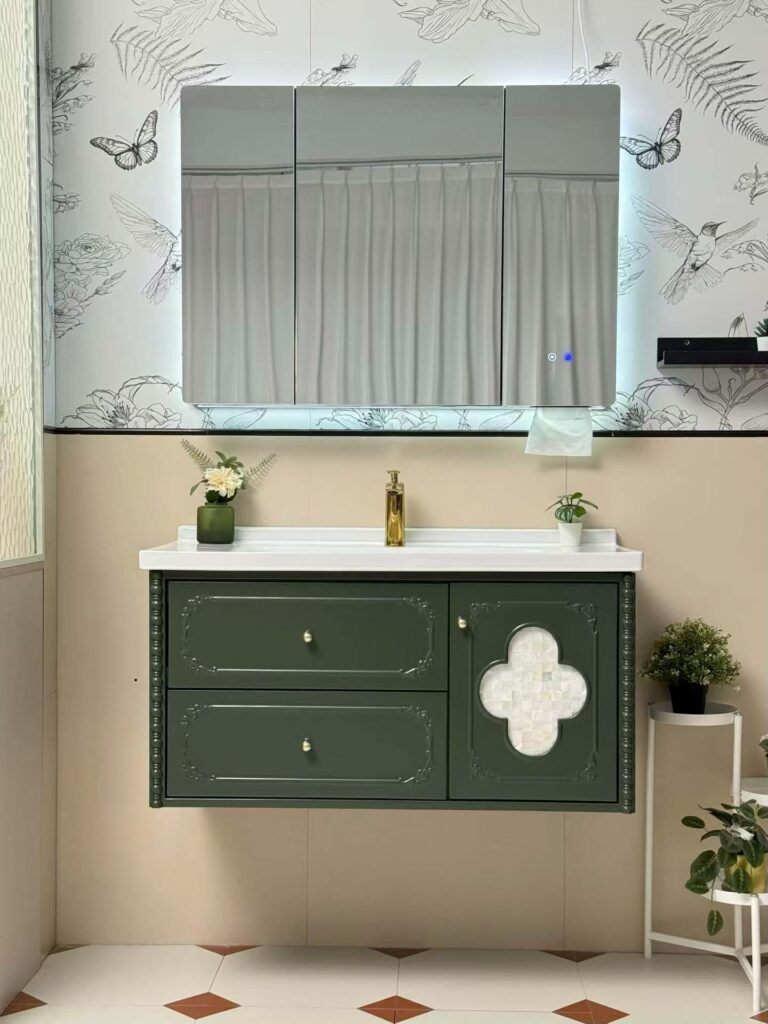
What Are the Styling Capabilities of Thermofoil (Shaker vs. Raised Panel)?
Thermofoil offers durable Shaker and raised panel styles, but its one-piece construction creates softer, less defined profiles than traditional multi-piece wood or painted MDF doors.
The Softer Profile of Thermofoil Shaker Doors
Thermofoil Shaker doors are formed from a single piece of MDF, a process that results in softer, rounded edges. This one-piece construction is a key structural difference from traditional multi-piece doors and prevents the formation of sharp, crisp lines. The vinyl must wrap smoothly over the entire surface, which inherently softens the corners and inside profiles.
- The manufacturing process does not allow for sharp, 90-degree inside corners, giving the Shaker profile a less defined look.
- While this eliminates joint separation or cracking at the seams, the aesthetic is noticeably different from painted alternatives.
- This style is ideal for projects needing the Shaker look with added durability and moisture resistance, but with less dimensional detail.
Limitations of Raised Panel Designs in Thermofoil
Raised panel designs are available in thermofoil, but the technology cannot replicate the deep, dimensional crispness of traditional wood or MDF doors. The details often appear shallower and less pronounced because the vinyl layer smooths over the underlying routed profile during the vacuum-sealing process.
- The vinyl laminate application smooths over intricate details, reducing the visual depth and shadow lines of the raised panel.
- The single-piece construction limits how complex or sharp the panel’s routing can be.
- It serves as a highly durable alternative but does not match the high-end, detailed appearance of its wood or painted MDF counterparts.
Why Is Thermofoil Considered the Easiest Cabinet Surface to Clean?
The practical advantage of thermofoil is its seamless, non-porous vinyl surface, which acts as a barrier that prevents liquids and grime from being absorbed.
A Non-Porous Surface That Resists Stains and Spills
Thermofoil’s cleanability comes directly from its construction. A vinyl laminate is heat-fused over an MDF core, creating a smooth, sealed face with no joints or pores. This surface prevents common kitchen spills like sauces, oils, or wine from penetrating the cabinet material. Instead of soaking in, contaminants sit on top, allowing for a simple wipe-down without leaving a permanent stain. This quality also makes it effective in high-humidity areas like bathrooms, where the seamless face resists moisture that could otherwise lead to mold or material swelling.
Simple Cleaning Routine Compared to Wood or Paint
Maintaining thermofoil cabinets requires no specialized products or complex procedures. Routine cleaning is handled with just a soft cloth, warm water, and a mild dish soap. This stands in contrast to solid wood, which may need periodic polishing or refinishing, or certain painted surfaces that can trap grime and require more effort to clean. Even tougher spots on thermofoil can be treated with a simple baking soda paste, which is gentle enough not to damage the vinyl finish.
Durability Limitations: Heat Damage and Repair Difficulty
While easy to clean, thermofoil’s biggest trade-off is its vulnerability to high heat. The adhesive bond between the vinyl layer and the MDF core can fail when exposed to sustained heat from appliances like ovens, ranges, or even toasters. This causes the vinyl to bubble, warp, or peel away—a process known as delamination. Unlike painted or wood cabinets that can be sanded, touched up, or repainted, damaged thermofoil cannot be spot-repaired. Once the surface is scratched or starts to peel, the only effective solution is to replace the entire cabinet door or drawer front.
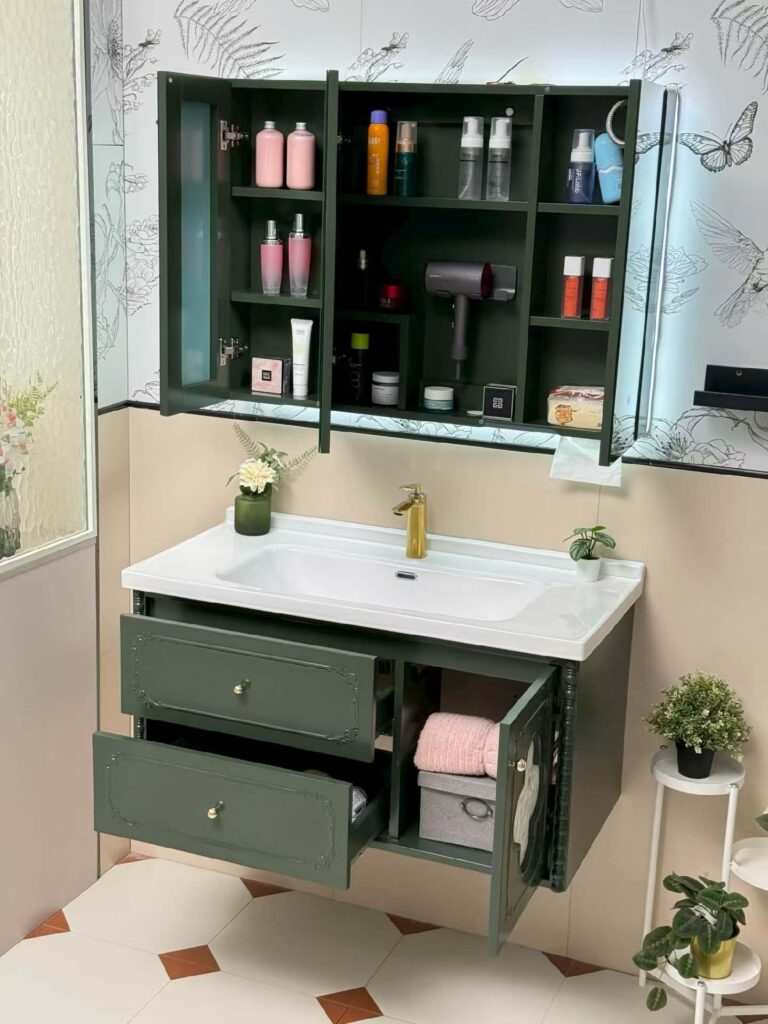
Why Do Multi-Family Projects and Commercial Developers Love RTF?
For large-scale developments, Rigid Thermal Foil (RTF) delivers a critical combination of budget control, low-maintenance durability, and consistent aesthetics required for multi-unit projects.
Cost-Effectiveness for Large-Scale Projects
Thermofoil presents a major cost advantage over solid wood and other materials, enabling developers to meet budgets for multi-unit residential and commercial construction. Its efficient, automated manufacturing process cuts down on both material and labor costs while still delivering a high-end appearance. This balance makes it a standard specification for scalable, budget-driven new builds and renovations.
- Delivers the appearance of more expensive materials, enhancing property value and appeal to potential tenants or buyers.
- Reduces overall project costs, making it a preferred specification for scalable, budget-conscious construction and renovations.
Superior Durability in High-Traffic Environments
In rental properties, hotels, and institutional settings, cabinetry must endure constant use and abuse. Thermofoil’s seamless vinyl surface offers excellent resistance to humidity, stains, and warping, which is essential for high-traffic applications like kitchens and bathrooms. The non-porous finish is a key functional advantage in humid environments where traditional wood might fail.
- The non-porous finish prevents moisture from reaching the MDF core, a key advantage over traditional wood in humid environments.
- Its surface is easy to clean and requires minimal upkeep, which lowers long-term maintenance costs for property managers.
Aesthetic Consistency and Design Versatility
Achieving a uniform look across hundreds or thousands of units is a logistical challenge that thermofoil solves effectively. The manufacturing process ensures a consistent, seamless finish that can be replicated perfectly from the first unit to the last. This provides a clean and cohesive aesthetic throughout an entire development project, removing the variations common with natural materials.
- Offers extensive design flexibility with a wide range of colors, textures, and styles to match any architectural vision.
- The material’s adaptability allows for modern, minimalist designs as well as more traditional looks with detailed profiles.
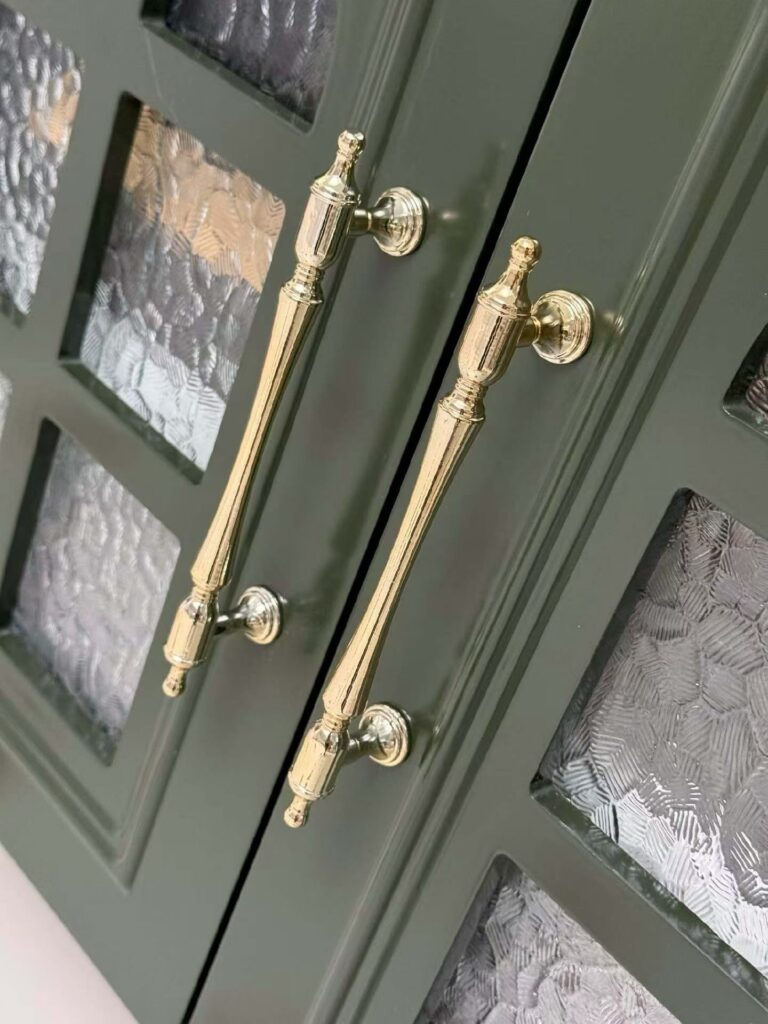
How Does the Cost of Thermofoil Compare to Painted MDF?
Thermofoil offers a 15–25% upfront cost savings due to efficient, automated manufacturing, but painted MDF provides superior long-term value with its ability to be repaired and refinished.
Manufacturing Efficiency and Upfront Savings
Thermofoil cabinets are typically 15–25% less expensive than painted MDF, a difference rooted in manufacturing. The thermofoil process uses an automated vacuum-press to apply the vinyl layer to an MDF core in a single, highly efficient step. This automated application drastically reduces labor costs. Painted cabinets, by contrast, require a labor-intensive, 8-step manual process that includes multiple coats of primer, paint, and topcoats, with hand-sanding between each stage. As of 2026, this efficiency allows new thermofoil cabinets to be priced as low as $350 per linear foot, providing a clear initial cost advantage.
| Feature | Thermofoil (RTF) | Painted MDF |
|---|---|---|
| Manufacturing Process | Single-step automated vacuum-press application. | 8-step manual process (priming, painting, sanding). |
| Upfront Cost | 15–25% lower due to reduced labor and faster production. | Higher cost driven by intensive manual labor. |
| Repairability | Cannot be refinished; damaged doors require replacement. | Can be easily touched up, sanded, and fully repainted. |
| Long-Term Value | Considered a short- to mid-term solution. | Higher return on investment due to longer functional lifespan. |
Long-Term Value and Refinishing Flexibility
Initial price isn’t the whole story; long-term value and repair options are critical. Painted cabinets offer far greater flexibility since they can be refinished or repainted to adapt to changing styles or to fix damage. This ability to be restored gives painted cabinets a longer functional lifespan and a better return on investment. Once a thermofoil door’s vinyl coating peels or bubbles, it generally requires complete replacement, as effective repairs aren’t feasible. For property resale, painted cabinets often command higher prices because of their custom appearance and lasting appeal.
Conclusion
Thermofoil vanities present a practical balance of features. Their seamless, non-porous surface provides excellent water resistance and is simple to clean, making them a common choice for multi-family and commercial developments. The primary consideration is their vulnerability to high heat, which can lead to delamination if not installed with proper clearances from heat sources.
If you’re sourcing vanities for an upcoming project, consider how thermofoil’s durability and price point can fit your requirements. Contact our team to request a refundable sample or to discuss our material flexibility for your target market.
Frequently Asked Questions
Do thermofoil cabinets peel?
Yes, peeling is the most common failure for thermofoil cabinets. The vinyl layer is bonded to an MDF core with adhesive that can weaken over time, especially when exposed to heat and moisture. This causes the vinyl to delaminate, bubble, or peel away from the core, a failure often seen within 5 to 10 years in high-use areas like kitchens.
Is thermofoil good for bathrooms?
Thermofoil is generally not recommended for high-moisture environments like bathrooms. While its seamless vinyl surface resists direct splashes, constant humidity and steam can compromise the adhesive bond over time. Furthermore, if the vinyl layer gets scratched or nicked, moisture can penetrate to the underlying MDF core, causing it to swell and leading to irreversible damage and peeling.
Painting thermofoil vanity?
Painting thermofoil is not advised because the non-porous vinyl surface prevents proper paint adhesion. While it is technically possible with extensive surface preparation—including cleaning, scuff-sanding, and applying a specialized bonding primer—the resulting finish is significantly less durable than the original factory layer and is highly prone to chipping and peeling.
Repairing peeling thermofoil?
Peeling thermofoil cannot be reliably repaired to a like-new condition. When the vinyl delaminates, it often shrinks or warps, making it impossible to re-glue smoothly. While contact cement can be used for a minor, temporary fix on a small edge peel, the standard professional solution for significant peeling is to completely replace the affected door or drawer front.
Thermofoil vs painted cabinets?
Thermofoil cabinets offer a smooth, durable, and easy-to-clean surface at a lower cost than painted cabinets. However, they are vulnerable to heat damage and cannot be repaired or refinished. Painted cabinets offer a more premium, customizable look and can be touched up or completely repainted. Their primary drawback is a higher cost and a higher likelihood of chipping or cracking over time, especially at the joints.
Heat resistance of thermofoil?
Thermofoil has very low heat resistance, which is its primary vulnerability. Sustained radiant heat from ovens (especially during self-cleaning cycles), cooktops, and even smaller appliances like toasters or air fryers can soften the adhesive. This leads to the vinyl layer bubbling, warping, or peeling off the MDF core. Installing protective heat shields between cabinets and major appliances is essential to prolong their lifespan.





0 Comments