
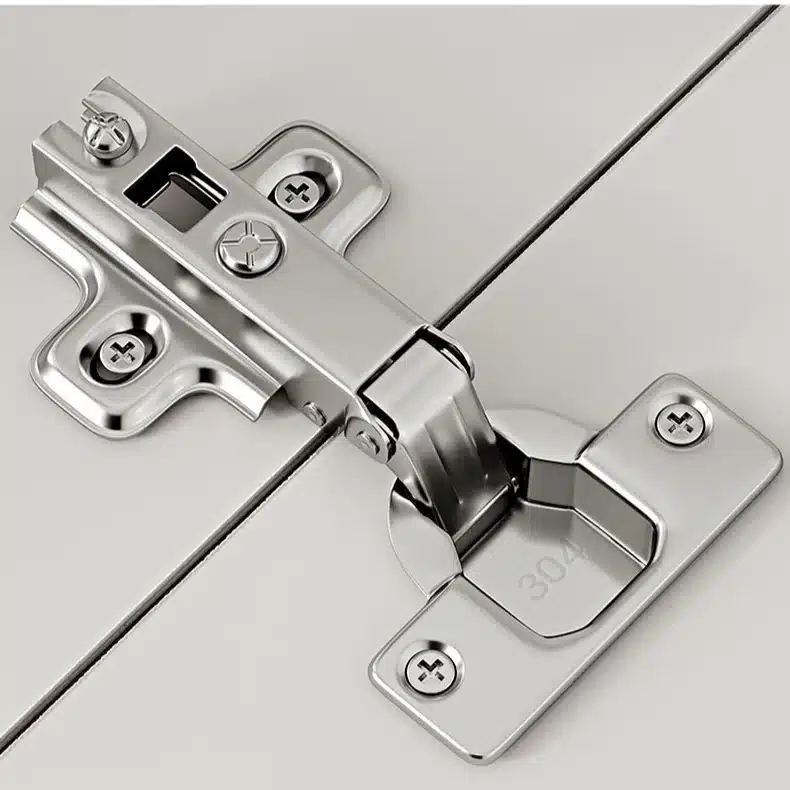
Specifying the correct soft close vanity hardware is the single most critical factor in preventing costly post-installation callbacks and mitigating warranty claims, the #1 maintenance headache for property managers. When a hinge fails or a drawer glide seizes, it’s not just a minor inconvenience; it’s a negative guest review, an emergency maintenance ticket, and a direct hit to your operational budget.
This guide provides a technical breakdown for specifying vanity components that last. We’ll compare the functional differences between Blum and DTC hinges and glides, from 6-way adjustability to undermount mechanics. We will also detail the structural trade-offs between solid pine dovetail and metal Tandembox drawer systems, and explain how to verify 50,000-cycle durability testing to ensure your hardware specification holds up long after the project is complete.
Why Hardware is the #1 Warranty Claim
Mechanical components like hinges and glides account for a third of all furniture service issues because their constant movement and load-bearing stress lead to rapid degradation compared to static cabinet structures.
High Failure Rate of Mechanical Parts
Hinges and drawer slides are the most active parts of any bathroom vanity. They bear the load of doors and drawers during constant opening and closing, which leads to significant wear. This mechanical stress causes them to wear out much faster than the cabinet box. Industry data shows that hardware is responsible for about 33% of all furniture warranty claims, directly reflecting its shorter operational lifespan.
Separate Warranty Structures
Manufacturers acknowledge this reality by offering split warranties. You will often see a 1–5 year warranty for hardware components, while the cabinet body itself might carry a 5–10 year warranty. This isn’t an oversight; it’s a clear signal that moving parts are expected to fail long before the structural components do.
Soft-Close Mechanism Vulnerability
Soft-close mechanisms, while a popular upgrade, are a primary source of early failures. The complex hydraulic dampers and springs inside these systems are prone to performance issues, with problems often appearing within the first year of installation. This high rate of early failure significantly increases the volume of hardware-related warranty claims, making hardware selection a critical factor in product reliability.
Hinges: 6-Way Adjustable Soft-Close
A 6-way adjustable soft-close hinge is the industry standard for modern cabinetry, providing precise door alignment and a controlled, silent closure through its integrated hydraulic damper.
Multi-Directional Adjustability
The primary function of a 6-way hinge is to allow precise alignment of cabinet doors after installation. This corrects for slight imperfections in the cabinet box or mounting, ensuring consistent gaps and a flush, professional finish. The adjustments cover all three spatial dimensions.
- Vertical Adjustment: Moves the door up or down to align with adjacent doors or drawers.
- Horizontal Adjustment: Shifts the door left or right to create even gaps between doors.
- Depth Adjustment: Pushes the door closer to or away from the cabinet frame for a perfect flush fit.
Integrated Hydraulic Damping System
The soft-close feature relies on a hydraulic damper built directly into the hinge cup. This mechanism absorbs the kinetic energy of the closing door, preventing it from slamming shut. This small component significantly reduces long-term wear on the entire cabinet system.
- Ensures a quiet, controlled door closure.
- Reduces stress on hinge components and the cabinet frame, increasing longevity.
- Contributes to a premium user experience and enhances safety, especially in family environments.
Concealed Design and Standardized Engineering
These European-style hinges are engineered to be completely hidden from view when the cabinet door is closed. They typically feature a standard 105-degree opening angle, which is suitable for the vast majority of overlay and face-frame cabinet applications used in residential and commercial projects.
- Offers a clean, seamless look for modern and minimalist cabinetry.
- Nickel-plated finishes are the industry standard for high durability and corrosion resistance.
- Designed for consistent, reliable performance across different cabinet types and materials.
Source Durable, Factory-Direct Bathroom Vanities

Glides: Undermount vs. Side-Mount
The choice between drawer glides boils down to a single trade-off: premium, concealed aesthetics with undermount glides versus the superior load capacity and cost-efficiency of side-mount glides.
Undermount Glides: The Aesthetic Choice
Undermount glides are concealed beneath the drawer box, creating a clean, seamless look that is the standard for high-end residential and hospitality projects. By hiding the hardware, the design achieves a furniture-like quality essential for modern, minimalist aesthetics. We specify undermount systems for our premium vanity lines where visual integrity is paramount.
- Hardware remains completely hidden when the drawer is open, showcasing the drawer box construction.
- They are engineered for exceptionally smooth and quiet motion, with soft-close mechanisms as a standard feature.
- This configuration allows for precise drawer front alignment, critical for achieving tight, consistent gaps in handleless designs.
Side-Mount Glides: The Functional Workhorse
Side-mount glides are specified for their high load capacity, durability, and cost-efficiency. This makes them a practical, reliable solution for commercial environments, high-traffic bathrooms, and any project where durability and budget are the primary drivers. Their straightforward design and installation also reduce labor costs on large-scale builds.
- Side-mounts support significantly more weight, making them ideal for wide, deep drawers or those storing heavy items.
- Installation and replacement are simple, which is a major benefit for facility maintenance teams and large-scale project deployments.
- This is the go-to hardware for our cost-effective plywood vanity series and custom contracts prioritizing function over form.
Selection Criteria: Load, Access, and Cost
Choosing the correct glide system depends entirely on the application. We guide distributors and project managers to select the right hardware by analyzing the vanity’s intended use, drawer box material, and target market. While aesthetic demands often point to undermount, practical load requirements can make side-mounts non-negotiable.
- Undermount glides are the premium standard but have lower load limits than comparable heavy-duty side-mount options.
- Side-mount glides reduce the usable interior width of the drawer box slightly but deliver unmatched strength and stability.
- Soft-close functionality, once a premium feature, is now standard across both categories, making the user experience comparable.
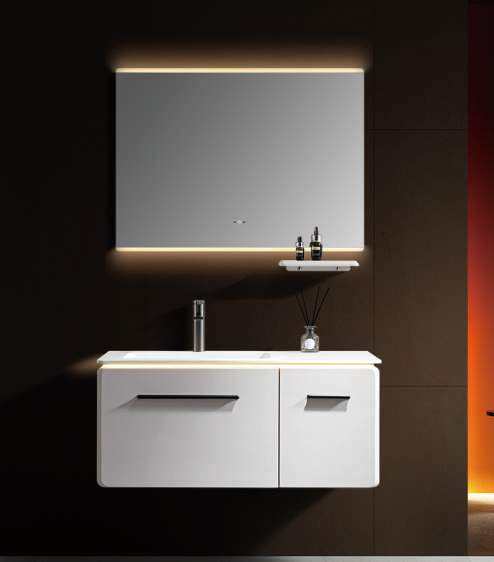
Brand Wars: Blum (Austria) vs. DTC (China)
The hardware debate has shifted from brand origin to verifiable performance, with top-tier Chinese manufacturers now delivering technology and durability that directly competes with established European benchmarks.
Market Perception vs. Manufacturing Reality
For decades, European brands like Blum set the industry standard for high-end cabinet hardware, building an unmatched reputation for quality. That landscape has changed. Top Chinese suppliers have systematically closed the quality gap, investing heavily in advanced manufacturing and achieving key international standards like ISO 9001. The discussion is no longer about geography. It’s about material quality, engineering precision, and certified performance data, which gives distributors and project managers more high-performance options without the legacy brand premium.
Standardization of Premium Features
Features once exclusive to premium European lines are now industry standard. Soft-close mechanisms and concealed undermount glides are offered by both Blum and leading Chinese producers like DTC. The competition now focuses on the execution of these features. Key performance indicators are what separate the good from the great: the consistency of the soft-close deceleration, the true load-bearing capacity (typically between 30-60kg), and proven corrosion resistance for longevity in humid environments like bathrooms.
| Feature | Blum (Austrian Benchmark) | DTC (China Top Brand) |
|---|---|---|
| Core Technology | CLIP top BLUMOTION integrated soft-close system with a long history of market-proven reliability. | Mature hydraulic damping system engineered to meet international performance standards. |
| Performance Metric | Considered the industry benchmark for exceptionally smooth and consistent damping action. | Reliable and consistent performance, passing standardized 50,000+ cycle durability tests. |
| Market Position & Cost | Premium, prestige option with a corresponding high price point. Specified for top-tier custom projects. | High-value alternative offering comparable performance at a more competitive cost. Ideal for large-scale projects. |
Cost and Supply Chain Dynamics
Intense price competition, driven by Asian manufacturing efficiencies, has made high-quality hardware more accessible. Chinese manufacturers can often deliver products with comparable features and durability at a significant cost advantage. This competition fuels practical innovations that benefit installers and end-users, such as simplified adjustment mechanisms and maintenance-free designs. The decision between a European or Chinese hardware supplier ultimately comes down to balancing brand prestige against budget constraints and project-specific performance requirements.
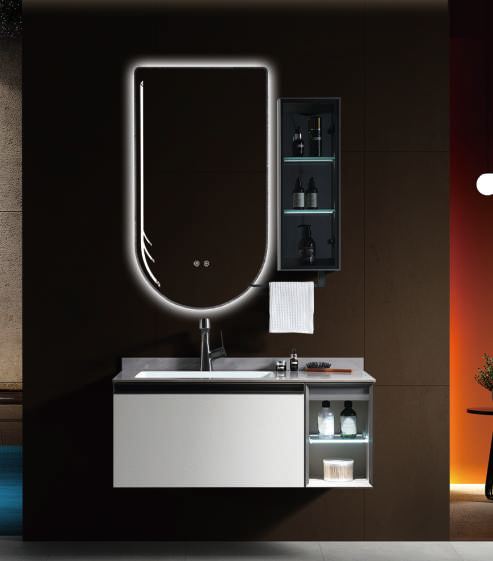
Drawer Box: Solid Pine Dovetail vs. Metal Tandembox
The choice between a drawer box comes down to a clear trade-off: traditional solid wood dovetail construction offers superior structural integrity and a premium aesthetic, while modern metal systems provide streamlined efficiency and moisture resistance.
The drawer box is a critical component that defines a cabinet’s long-term durability and user experience. While often overlooked, the construction method directly impacts performance, longevity, and cost. The market is primarily split between classic solid wood joinery and engineered metal systems, each serving different project requirements and price points.
Solid Pine Dovetail: The Traditional Benchmark
Solid wood dovetail construction is the established standard for high-end cabinetry. This method uses interlocking joints that create exceptional structural strength, allowing the drawer to withstand heavy loads and decades of use. Valued for its classic look and proven craftsmanship, it typically has a lifespan of 10 to 25 years. This premium quality comes at a cost, commanding a price 20–25% higher than standard alternatives due to the material expense and skilled labor required.
| Feature | Solid Pine Dovetail | Metal Tandembox System |
|---|---|---|
| Construction | Interlocking wood joints requiring skilled labor. | Prefabricated metal sides, back, and integrated runners. |
| Durability | Excellent structural integrity; lifespan of 10–25 years. | High durability; resistant to warping from moisture. |
| Aesthetics | Classic, high-end look showcasing craftsmanship. | Modern, minimalist, and uniform appearance. |
| Cost | Commands a 20–25% price premium. | More cost-effective due to mass production. |
| Customization | Fully customizable to any width, depth, or height. | Limited to standard factory-produced sizes. |
Metal Tandembox: The Modern Alternative
Metal drawer systems like the Tandembox are gaining significant ground in modern cabinetry, especially for commercial projects and contemporary residential designs. These systems are prized for their sleek, minimalist aesthetic and consistent performance. Because they are made of metal, they are immune to warping or damage from moisture, making them an ideal choice for humid environments like bathrooms. While they offer less sizing flexibility than custom-built wood drawers, they provide reliable, low-maintenance durability and integrate seamlessly with undermount soft-close slides.
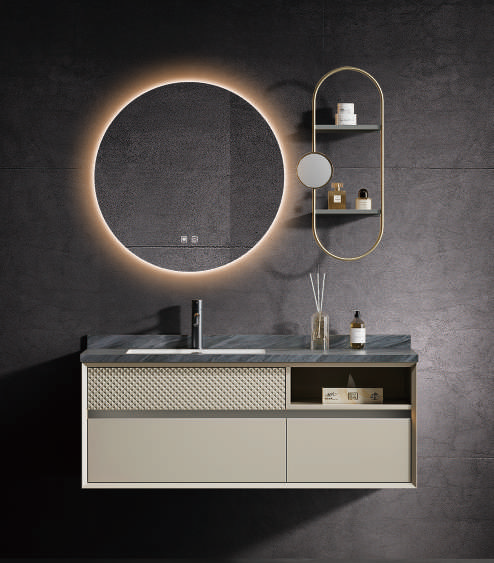
Specifying 50,000 Cycle Testing
Requiring a 50,000-cycle certification is the most direct way to reduce hardware-related warranty claims, which account for over 30% of all furniture service issues.
What 50,000 Cycles Represents in Real-World Use
The 50,000-cycle test is an accelerated durability benchmark designed to simulate decades of regular use for hardware like drawer glides and cabinet hinges. This industry standard evaluates performance under repeated stress, identifying potential failure points before they occur in a customer’s home or commercial space. It provides a reliable forecast of long-term mechanical integrity.
- Each cycle represents one full open-and-close action, simulating daily interactions with the cabinet or vanity.
- The test identifies wear on key components, such as gear tooth alignment in soft-close mechanisms and slider bearing degradation.
- Passing this test indicates hardware is suitable for high-traffic residential and light-commercial applications, such as apartment complexes and hotels.
Key Standards and Certifying Bodies
Compliance with 50,000-cycle testing is governed by several international standards organizations. These certifications provide a universal language for quality and durability, ensuring products meet market expectations for longevity and performance across different regions. Sourcing hardware that meets these criteria is a critical step in de-risking a supply chain.
| Hardware Grade (ANSI/BHMA) | Cycle Test Requirement | Recommended Application |
|---|---|---|
| Grade 1 | 50,000+ Cycles | High-traffic residential (apartments, multi-family), light commercial (hotels). |
| Grade 2 | 25,000 Cycles | Standard residential projects, single-family homes, typical use kitchens. |
| Grade 3 | ~10,000 Cycles | Low-use furniture, budget-focused projects where longevity is not critical. |
Key testing protocols are standardized within frameworks from ANSI/BHMA (American National Standards Institute/Builders Hardware Manufacturers Association), BS EN (British Standards European Norm), and SGS. FocusCabinet ensures its hardware meets these global benchmarks, simplifying compliance for international distributors and large-scale projects.
Impact on Warranty Claims and Product Reliability
Specifying hardware that meets the 50,000-cycle standard directly reduces the likelihood of long-term product failures. This verification provides distributors and project managers with a reliable measure of quality, minimizing post-installation issues and protecting brand reputation from costly callbacks and replacements.
- Hardware certified for 50,000 cycles significantly lowers the financial risk of warranty claims related to mechanical failure.
- It provides a clear quality differentiator in competitive bids for large-scale B2B projects where durability is a key decision factor.
- This level of testing confirms the product’s ability to maintain smooth, consistent operation for its intended lifespan, supporting a premium end-user experience.
Conclusion
Choosing the right vanity hardware is more than a technical detail; it defines the product’s daily feel and long-term durability. Your decisions on hinges, glides, and drawer box construction are the primary drivers of customer satisfaction and the biggest factor in preventing warranty claims. Specifying details like 50,000 cycle testing ensures your supply chain delivers consistent, reliable quality.
To feel the difference between these options firsthand, our team can prepare a sample based on your target cost and performance needs. Request our full hardware catalog to compare Blum, DTC, and other component specifications for your next production order.
Frequently Asked Questions
Are undermount drawer slides better?
Yes, undermount drawer slides are considered a superior choice in modern cabinetry for several reasons. Their primary advantage is aesthetics—they are completely concealed, providing a clean, high-end look without visible hardware on the sides of the drawer. Functionally, they offer exceptionally smooth and stable travel, typically include soft-close and full-extension capabilities, and protect the running mechanism from dust and debris. While all mechanical components are subject to wear, high-quality undermount slides are engineered for high load capacities and long-term durability, making them the industry standard for premium custom furniture and kitchen projects.
DTC vs Blum hinges?
Blum and DTC represent two different tiers in the hardware market, with the choice depending on project goals and budget. Blum is the industry benchmark for premium, Austrian-engineered hinges, renowned for their flawless precision, innovative features like integrated BLUMOTION soft-close, and lifetime warranties. They are the preferred choice for high-end custom cabinetry where long-term performance is critical. DTC is a leading manufacturer of high-quality, value-oriented hardware. While offering reliable performance and modern features, they are positioned as a cost-effective alternative for large-scale production, commercial applications, or projects with stricter budget constraints. For ultimate durability and a smoother user experience, Blum is the superior investment.
Dovetail vs metal drawer box?
The choice between dovetail and metal drawer boxes depends on design intent rather than one being inherently better. Dovetail drawers, crafted from solid wood with interlocking joints, are a hallmark of traditional, high-end craftsmanship. They offer timeless beauty and exceptional strength, appealing to those who value classic woodworking. Metal drawer box systems, such as those from Blum or Grass, represent the pinnacle of modern engineering. They feature slim profiles that maximize interior space, integrated and perfectly matched slide mechanisms, and flawless stability unaffected by humidity. They are the standard for contemporary, minimalist, and high-function kitchen and furniture design. Ultimately, dovetail signifies classic artistry, while metal systems deliver integrated performance and a modern aesthetic.




0 Comments