
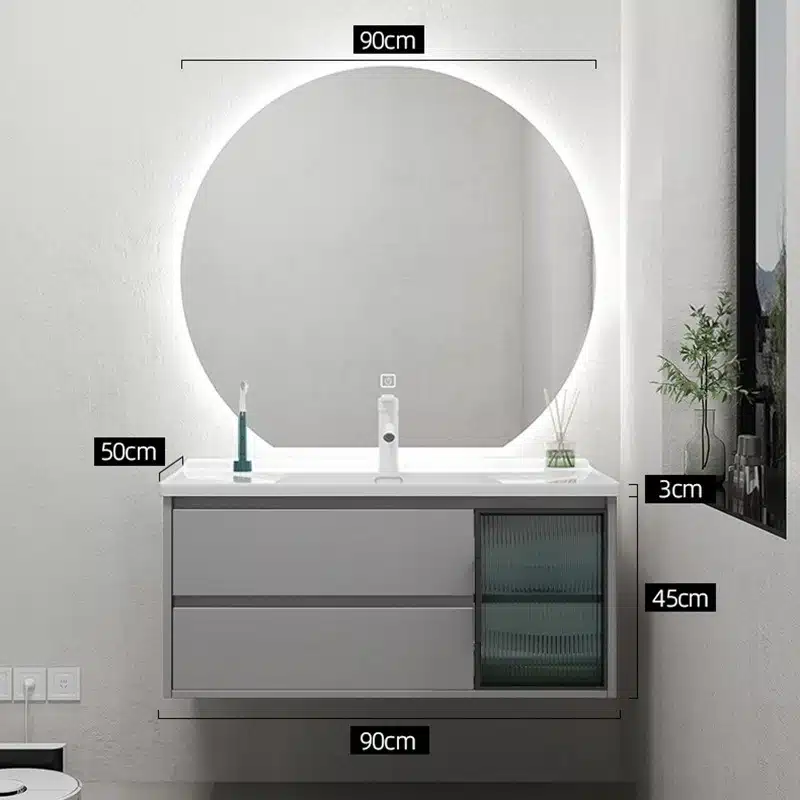
 The process for shipping furniture samples is the critical control point that prevents a minor prototype error from becoming a full-container production disaster. Getting a physical prototype from the factory to your design team is a race against the clock, where expensive air freight bills compete with tight launch deadlines. One wrong decision in your sample logistics can create a cascade of delays, eroding profit margins and pushing back revenue.
This guide provides a standard operating procedure for the entire sample approval workflow. We cover the key decision points, from choosing between a “door only” sample and a “corner cut” to creating a formal sign-off board for stakeholder approvals. We also detail the financial and logistical frameworks for invoicing samples, processing refunds, and determining when LCL is a smarter choice than air freight for non-urgent prototypes.
Why Is Air Freight So Expensive?
Air freight costs remain high in 2026 because intense demand from e-commerce and pharma far outstrips limited aircraft capacity, compounded by unpredictable fuel costs and operational disruptions.
High Demand Exceeds Limited Capacity
By 2026, the cost of air freight is fundamentally an issue of supply and demand. Demand from time-sensitive sectors like e-commerce, pharmaceuticals, and semiconductors has created a high floor for pricing. Market data from late 2025 showed demand surging by 11% while available aircraft capacity only grew by 2%. This persistent gap allows carriers to maintain elevated rates, as urgent shipments have few viable alternatives.
Operational Disruptions and Fuel Costs
Global events create significant volatility in air cargo operations. Geopolitical conflicts or airspace restrictions force carriers to take longer, less efficient flight paths, which directly increases fuel consumption—a major cost driver. Supply chain constraints on manufacturing new aircraft also mean the existing global fleet is stretched thin. Add in unpredictable weather events, and the operational overhead for carriers climbs, with these costs passed on to shippers.
Inherent Speed and Handling Premiums
Air freight’s primary value proposition is speed, and that speed commands a steep premium. The ability to move high-value or time-critical goods across continents in hours instead of weeks is a service that sits in its own cost category. This price also covers the specialized infrastructure required for secure handling, including climate-controlled facilities and trained staff for sensitive cargo. Compared to slower sea or land transport, you are paying for a combination of velocity and security that other methods can’t match.
Ship “Door Only” or “Corner Cut”?
Choosing between curbside and white-glove delivery directly impacts your final cost and labor, as standard freight only covers drop-off, leaving all inside movement and setup to you.
Standard Curbside Delivery
This is the default and most cost-effective shipping method for freight. Carriers are only responsible for depositing the furniture at the property’s curb, which places the full responsibility of interior placement and setup on your team. It’s a trade-off: you save on shipping fees but take on the physical work.
- This method is standard for LTL (Less-than-Truckload) shipments to optimize logistics costs.
- The carrier’s liability and responsibility end the moment the furniture is off the truck.
- You must handle moving the items inside, unpacking, assembly, and disposing of all packaging debris.
| Feature | Standard Curbside Delivery | Specialized White-Glove Service |
|---|---|---|
| Delivery Location | At the curb or end of the driveway. | Inside the building, to the room of choice. |
| Recipient Responsibility | Move, unpack, assemble, and dispose of packaging. | Minimal; primarily to supervise placement. |
| Debris Removal | Handled entirely by the recipient. | All packaging and debris are removed by the delivery team. |
| Typical Use Case | Cost-sensitive B2B buyers with access to labor. | High-value items, final-mile delivery to end-users, or convenience-focused projects. |
Specialized White-Glove Service
White-glove service is the premium alternative designed for convenience. The delivery team manages the entire process from truck to final placement, eliminating physical labor and logistical headaches for you or your end-customer. This service is essential for high-value furniture or when delivering directly to a project site where your own labor isn’t available.
- Delivery personnel carry the furniture into the specific room you request.
- The service includes complete unpacking, placement, and often basic assembly.
- All packaging materials and debris are removed by the delivery team when they leave.
Unlock Your Market with Custom Vanities

How to Create a Sign-Off Board?
A sign-off board is not a physical object; it’s a formal process using key documents to create an undisputed record of custody and condition for your samples, transferring liability at critical points.
Creating a “sign-off board” means establishing a clear, documented approval process for your sample shipments. This isn’t about a literal board on a wall, but a procedural framework that ensures accountability from the moment a sample leaves the factory to the moment it arrives at your door. This system prevents the “he said, she said” arguments over lost items or transit damage by creating a paper trail that assigns responsibility at every step.
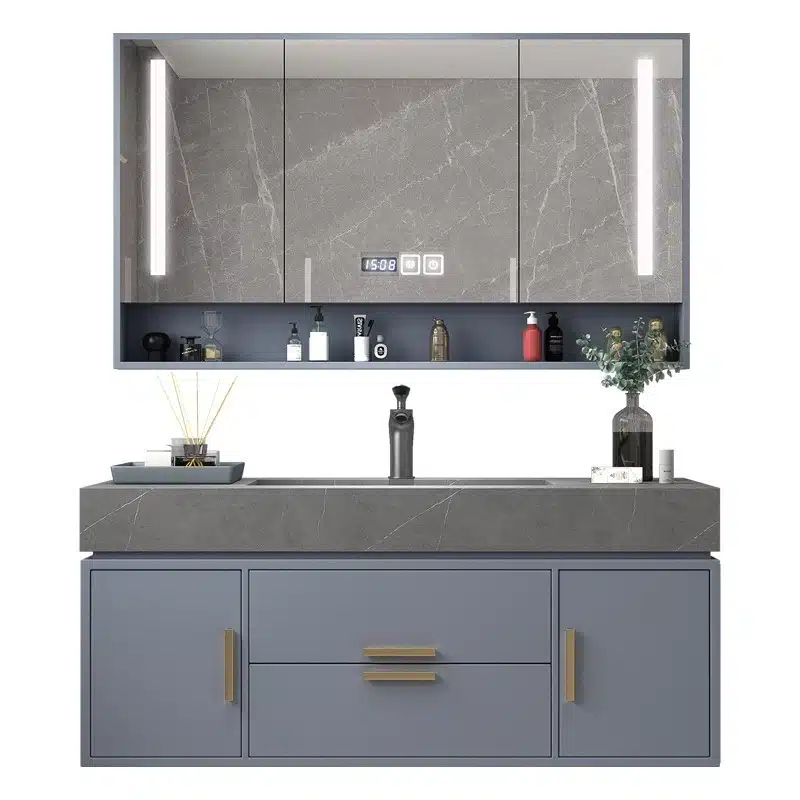
Key Sign-Off Touchpoints: BOL and POD
A reliable sign-off process is built on two fundamental logistics documents: the Bill of Lading (BOL) and the Proof of Delivery (POD). These papers act as formal handshakes that mark the beginning and end of a carrier’s responsibility. The BOL is the initial sign-off, where the carrier confirms they have received the specified goods in the stated quantity and condition from the factory. The POD is the final sign-off, where you or your agent confirms the cargo has arrived and its condition is acceptable, officially ending the carrier’s liability.
| Document | Primary Purpose | When It Is Signed |
|---|---|---|
| Bill of Lading (BOL) | Confirms carrier received the correct cargo from the shipper. Acts as a contract of carriage. | At origin, before the shipment departs the factory or warehouse. |
| Proof of Delivery (POD) | Confirms the consignee received the cargo in acceptable condition. Transfers liability. | At the final destination, after the recipient has inspected the shipment. |
Establishing Clear Validation Rules
To make these sign-offs effective, you need strict validation rules. A carrier won’t sign a BOL if the factory’s paperwork is messy or the box count is wrong. They are accepting liability, so they need to verify everything first. On your end, the rule is simple: inspect the shipment *before* signing the POD. Check for crushed corners, water damage, or signs of tampering. Once you sign that document without noting any issues, you legally accept the cargo “as is,” and it becomes nearly impossible to file a successful claim for damages later. Using digital documentation systems helps make this process transparent, creating a permanent, time-stamped record for all parties involved.
LCL for Prototypes: Is Slower Better?
Less Than Container Load (LCL) shipping is a strategic choice for cost-effective market validation of new furniture prototypes, but only when your timeline can accommodate significantly longer transit times.
Reducing Financial Risk for New Designs
For manufacturers testing new bathroom vanity designs, LCL shipping provides a practical way to send small batches of prototypes without committing to the cost of a full container. This method is built for validating market viability with a minimal upfront investment. It allows you to ship just one or a few sets to key partners or for internal review, preserving capital that would otherwise be tied up in a full container of unproven products.
- Enables testing of different bathroom furniture designs without the financial burden of a large order.
- Allows partners to control expenses while exploring new product lines or regional adaptations.
The Tradeoff: Longer Transit Times
The primary drawback of LCL is the extended transit time. Your shipment doesn’t get its own container; it’s combined with cargo from multiple other companies. This process requires extra consolidation and handling steps at both the origin and destination ports. The de-consolidation process at the destination port alone can add a week or more to the total journey, making LCL entirely unsuitable for time-sensitive projects.
- Slower delivery speeds are a direct result of the consolidation process required for LCL.
- This shipping method is not ideal for prototypes needed for urgent trade shows or client deadlines.
Best Use: Cost-Effective Market Validation
In 2026, LCL remains the preferred option when cost savings outweigh the need for speed. It fits perfectly with modern supply chain goals like minimizing inventory costs and allowing for crucial design adjustments before committing to mass production. If the goal is to get physical samples into the hands of a design team for feedback over several weeks, LCL is the most economically sound choice.
- It is well-suited for early-stage sampling where feedback is more critical than delivery speed.
- This approach also supports environmental goals by optimizing container space usage.
How to Invoice Samples?
Proper sample invoicing requires itemizing material, labor, and logistics costs separately to give distributors clear visibility into the prototype’s true landed cost.
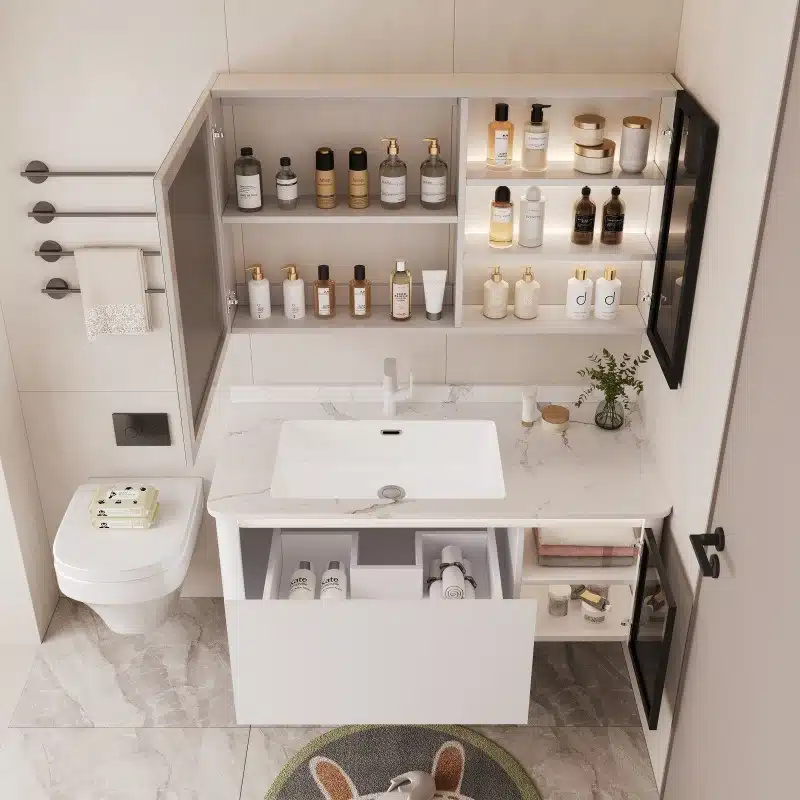
Separate Material, Labor, and Delivery Charges
To maintain transparency, sample invoices must break down all associated costs. We provide modular documentation that itemizes raw materials, custom labor, and logistics fees. This gives distributors a clear view of where the costs originate, from the vanity’s core components to the final shipping expenses.
- Each invoice details product descriptions, quantities, and specific unit pricing.
- Delivery fees are always listed as a standalone line item for clear tracking.
- This approach helps partners accurately assess the costs of prototypes before committing to a larger order.
Use Clear, Customizable Invoice Templates
A professional invoice signals an organized partnership. We use clear, template-driven invoicing for all sample orders. These documents are easy to read and can be customized with your branding for internal accounting or project management.
- Templates support detailed summaries for both single prototypes and bulk sample orders.
- Clear itemization ensures all charges are understood, preventing back-and-forth communication delays.
- Professional branding options help distributors integrate the invoice into their own financial systems.
Photos vs. Physical: Which Is Better?
A modern B2B strategy combines high-quality digital assets for initial screening with physical samples for final validation, optimizing both cost and buyer confidence.
The Case for Professional Photos
High-quality digital visuals are the standard for initial product evaluation and remote collaboration. Photorealistic imagery allows manufacturers like MFBATH to build extensive digital catalogs and set clear customer expectations from the start. Showing the product in authentic, contextual settings helps reduce returns by aligning buyer perception with reality before a single item is shipped.
- Reduces shipping costs and environmental impact for initial evaluations.
- Allows for rapid A/B testing of different styles and finishes with a wide audience.
- Effective for showcasing a large catalog of SKUs without needing physical stock.
When Physical Samples Are Necessary
For premium bathroom furniture, a hands-on assessment is non-negotiable. Physical samples are the only way for distributors and project managers to accurately verify material quality, finish, and durability. This tactile confirmation is essential for making a final purchasing decision, especially for high-value projects or large-scale orders where consistency is critical.
- Critical for B2B transactions where tactile assessment of materials is important.
- Allows clients to confirm the texture, weight, and true color of materials like sintered stone or solid wood.
- Builds confidence for large-scale orders and finalizes purchasing decisions.
Adopting a Hybrid Strategy
An effective procurement process combines the efficiency of digital assets with the assurance of physical products. We leverage digital photos and renders for broad marketing and initial discussions. Once a partner is qualified and shows serious intent, we provide physical samples to secure the deal. This approach optimizes both logistics costs and partner confidence, ensuring a smooth path from interest to a container order.
- Use high-quality imagery for initial catalog browsing and broad marketing efforts.
- Reserve physical samples for qualified prospects or for finalizing custom specifications.
- This balanced approach manages logistics costs while ensuring partner satisfaction.
How to Refund Sample Costs?
While manufacturers often refund a sample’s unit cost against a future bulk order, shipping, handling, and potential restocking fees are almost always non-refundable to cover sunk logistical expenses.
Refunding sample costs is a common practice, but it’s governed by strict policies to manage operational overhead. Many B2B suppliers, like FocusCabinet, will credit the full sample fee back to you when you place a mass production order, effectively making the sample free. However, if you are returning a sample for a direct refund due to preference rather than a defect, the process involves more specific terms that protect the supplier from logistical losses.
Establishing Clear Refund Policies
A clear, documented refund policy prevents disputes and manages expectations. These policies must differentiate between the sample’s unit cost and associated logistical expenses. In the furniture industry, it is standard practice to absorb certain costs associated with handling and returns to maintain inventory quality and control operational burn.
- Define Non-Refundable Charges: State upfront that initial shipping and handling costs are non-refundable. The only exceptions are typically for clear manufacturing defects or significant damage that occurred during transit.
- Implement Restocking Fees: For returns based on preference, a standard restocking fee of 10-15% is common. This fee covers the labor costs for warehouse inspection, quality assessment, and repackaging the returned item.
- Separate Custom Order Policies: Custom-ordered samples, which are built to specific client requirements, are almost always non-refundable. Their bespoke nature makes them impossible to return to general inventory.
Outlining the Refund Process and Timeline
The logistics of returning a physical furniture sample are complex and time-consuming. Setting a realistic timeline is critical for managing your partner’s expectations and ensuring the process runs smoothly from pickup to final credit. The entire cycle requires careful coordination across multiple departments.
- Communicate a Realistic Processing Time: The full return cycle can take up to 47 days. This includes scheduling the pickup, the transit time back to the warehouse, a thorough inspection, and the final quality review before any funds are processed.
- Specify Inspection as a Prerequisite: Clarify that refunds are only issued to the original payment method after the returned sample passes a full inspection. Any damage incurred by the client will likely nullify the refund.
- Establish a Firm Return Window: To maintain inventory control, set a clear timeframe for initiating returns. Industry standards typically range from 3 to 30 days after the client receives the sample.
Conclusion
Smart sample management is key to profitable sourcing. Rather than shipping full-sized prototypes by air, using smaller corner sections or door samples provides a cost-effective way to verify material quality and finish. This approach helps you create a reliable sign-off board, ensuring consistency from prototype to mass production without overspending on logistics.
Review your current sampling strategy to see where these methods can reduce costs and improve approvals. When you’re ready to test our material flexibility, contact our team to arrange your refundable sample order.
Frequently Asked Questions
Cost to air freight furniture sample?
In 2026, air freight costs remain elevated due to high demand and tight capacity. The cost for a single furniture sample, like a chair, from China to the U.S. typically ranges from $300 to $850. The final price depends on the volumetric weight (the space it occupies), the specific carrier, and the service speed (express vs. standard cargo). Geopolitical issues and supply chain disruptions continue to put upward pressure on these rates.
How to ship samples from china?
The most efficient method is to use an international courier like DHL, FedEx, or UPS for speed and door-to-door service. The process involves: 1) Your supplier packages the sample securely. 2) They prepare a Commercial Invoice, clearly marking it as a “sample of no commercial value.” 3) The courier generates an Air Waybill (AWB) for tracking. 4) The package is dispatched and tracked through customs clearance to its final destination.
Commercial invoice for samples?
A commercial invoice for samples must include the sender’s and recipient’s full details, a precise description of the item, its material composition, and the appropriate HS Code. Crucially, you must explicitly state “SAMPLE – NOT FOR RESALE” and declare a nominal customs value (e.g., $1 to $10) to facilitate smooth customs processing and minimize potential duties. The reason for export should be listed as “For evaluation purposes only.”
Reducing sample shipping costs?
To reduce high shipping costs, focus on minimizing volumetric weight by disassembling samples or using compact packaging. Consolidate multiple samples from different suppliers into a single shipment using a freight forwarder. If time permits, choose standard air cargo instead of express courier services. For significant cost savings on non-urgent samples, sea freight (LCL – Less than Container Load) is the most economical alternative.
Sample approval process?
The standard process involves several key stages. First, the buyer provides detailed specifications. The supplier then produces a pre-production sample and shares photos or videos for initial review. Upon provisional approval, the physical sample is shipped for hands-on evaluation. The buyer inspects it for quality, dimensions, materials, and functionality. Finally, the buyer provides formal approval or requests specific modifications, which may trigger a second revised sample.
Duty on commercial samples?
Most countries allow commercial samples to be imported duty-free if their declared value is below a specific “de minimis” threshold (e.g., $800 for the United States). To qualify, the shipment’s commercial invoice must clearly mark the goods as samples with no commercial value. If the sample’s value exceeds the de minimis limit, it will be treated as a standard commercial import and will be subject to applicable duties and taxes based on its HS code.




0 Comments