
A hotel project can fail at final inspection, and most contractors have seen the pattern. Wasted material stays on site. The schedule slips. A lot of it goes back to one step nobody double-checks: how the LED mirror gets mounted. MFBATH builds for that exact scenario. Every bathroom component gets engineered to survive the structural and electrical load of a commercial hospitality build, not residential assumptions. That is what keeps the schedule intact.commercial hospitality buildsada led mirror install
Most hotel job failures follow the same two mistakes: measuring from the decorative frame instead of the glass edge, or trusting drywall anchors with a heavy mirror. You get both variables off the table with our mirrors. They ship with UL-certified drivers that talk to standard hotel dimming systems and a precise 40-inch mounting alignment. Inspection delays stop eating your schedule. The fixture just performs, night after night, for years. Durable components push a costly retrofit further into the future.40-inch mounting alignmentUL-certified driversstandard hotel dimming systems
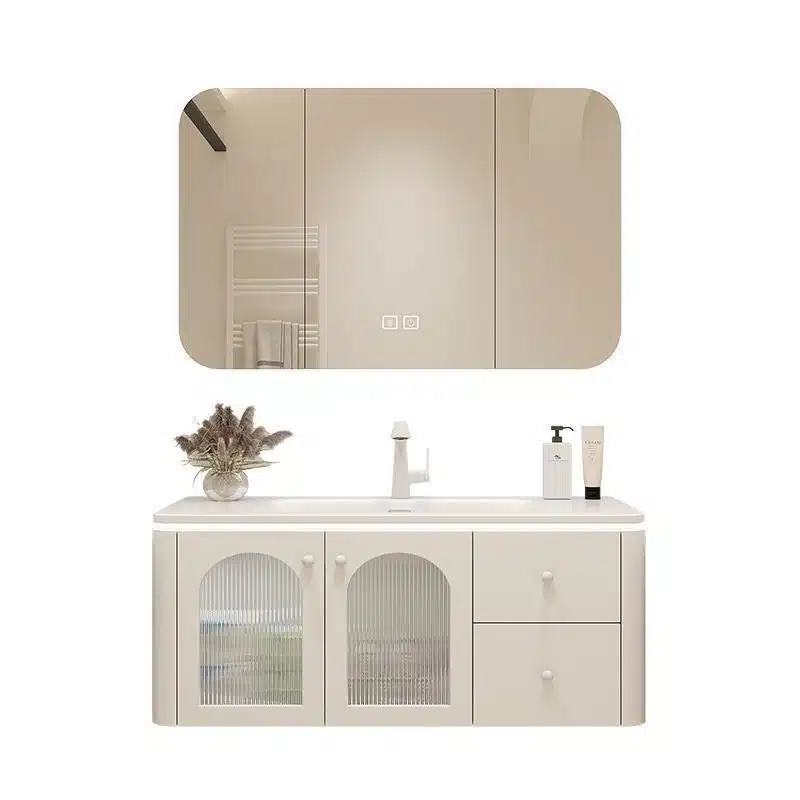
ADA Mirror Height: The 40-Inch Rule Explained
Measure from the bottom edge of the reflecting glass, not the decorative frame, to pass ADA §603.3 inspections.
ADA compliance checks fail for one recurring reason. Contractors measure from the decorative frame, not the actual reflecting surface. The Americans with Disabilities Act §603.3 sets the bottom edge of that reflecting surface at no higher than 40 inches above the finish floor for lavatories. Start at the glass, not the wood or metal. That one distinction separates a passed inspection from a retrofit bill.Americans
A decorative frame adds two or three inches of visual depth, but zero functional glass area. Contractors run into this fast. You mount from the decorative edge at 42 inches, the glass itself sits at 39 or 40 inches, which passes. Measure from the frame instead, and the mirror registers too high for wheelchair users. That violates the 48-inch reach range for operable parts under ADA §308. Instant rejection at final building inspection. Fixing it across a 200-room hotel burns time and budget fast.48-inch reach rangedecorative frame
- Measurement protocol: Measure vertically from the finished floor to the absolute bottom edge of the reflective glass. Ignore the frame entirely. This triggers a lot of failed inspections. Height limit: Maximum 40 inches above finish floor when the mirror sits above a lavatory. Reach compliance: Touch sensors must stay within a 48-inch horizontal reach range to serve seated users.
- Large-format mirrors demand 2×6 fire-rated wood blocking inside metal stud walls. Getting that wrong lets the dead load pull the fixture off the wall under vibration or impact. Commercial inspectors catch it every time.
We set the glass edge to the 40-inch height mark during production. Your install crew gets the height right on day one — no trimming, no field adjustments. Before you order, ask for the UL or ETL cert. Commercial fire codes require it, and local inspectors will check.UL or ETL certification documents
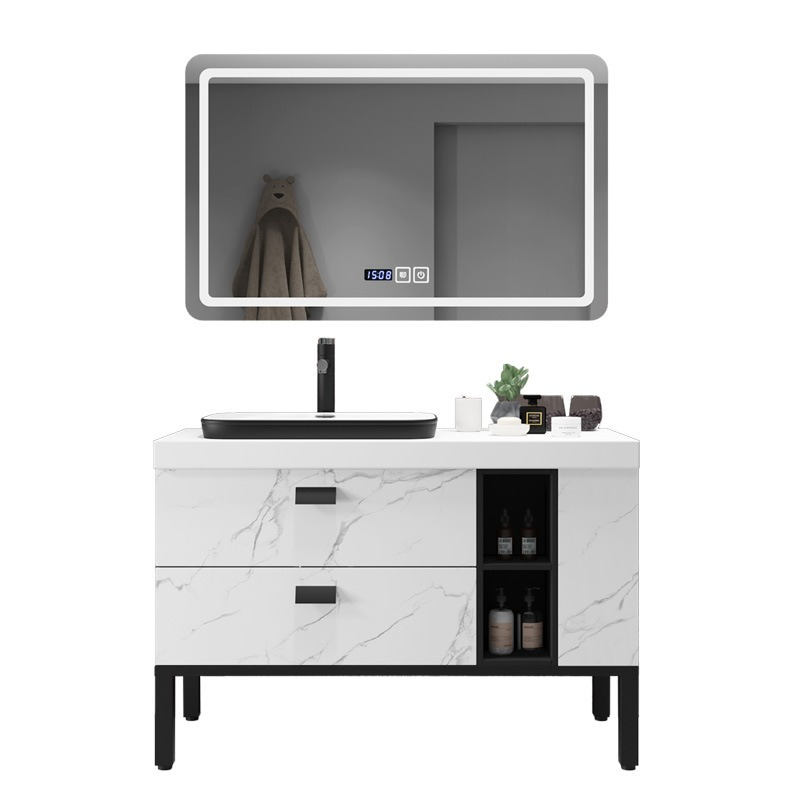
UL/ETL Wiring: Stopping Inspector Rejections
UL/ETL certification is mandatory for commercial fire codes; standard drivers cause flickering and rejection.
Hotel projects get flagged during walkthrough if LED mirrors lack UL 962 or ETL cert. Inspectors won’t sign off the occupancy permit without that paperwork. Aesthetic finish doesn’t matter here. Electrical safety compliance is what shields your liability. If an incident happens and you can’t produce the cert, the attorney asks why.
Standard PWM dimmers flicker with Lutron or other high-end hotel control systems. That’s the top complaint in hospitality tech reviews, and fixing it after install means pulling electricians back. We use 0-10V dimming drivers rated for high-wattage LED strips — that eliminates the flicker.0-10V dimming drivers
- UL 962 or ETL certification — inspectors look for it on electrical fixtures. Don’t skip it. Your dimming spec needs 0-10V drivers if the property runs Lutron. Without them, you get flicker complaints and callbacks.UL 962 or ETL certification
- Hardwire the mirror and route all wiring inside the wall or the mirror housing. Exposed wiring fails ADA compliance and looks sloppy.

Metal Stud Mounting: Preventing Sag & Failure
Standard drywall anchors fail under dynamic load; metal stud blocking is mandatory for heavy ADA mirrors.
Metal stud framing is standard in commercial hotel and multi-family construction. Problem is, it can’t hold large-format ADA mirrors. Standard toggle bolts or drywall anchors won’t cut it — the mirror sags or pulls loose under daily use. That turns into warranty claims and safety hazards fast.
Install 2×6 fire-rated wood blocking between the metal studs during rough-in. Align that blocking with the mirror’s mounting hole pattern. The structural reinforcement carries the mirror weight plus dynamic loads without wall damage or safety risks.
- Fire-rated 2×6 lumber does the blocking. It meets commercial code and bites deep enough for heavy fixtures. Get it level, secure it between studs, and do this before the drywall goes up.
- Wood blocking serves as the transfer point. Mirror weight goes into the block, then into the building’s structural frame. Mount straight onto metal channels and that weight has nowhere to go. The mirror sags. Callbacks follow.
MFBATH provides a blocking template for every ADA mirror model. No guessing. No field measuring. The pre-engineered approach cuts on-site errors and keeps the install compliant with UL/ETL safety standards. Spec the pre-blocked solution and pass inspection the first time.
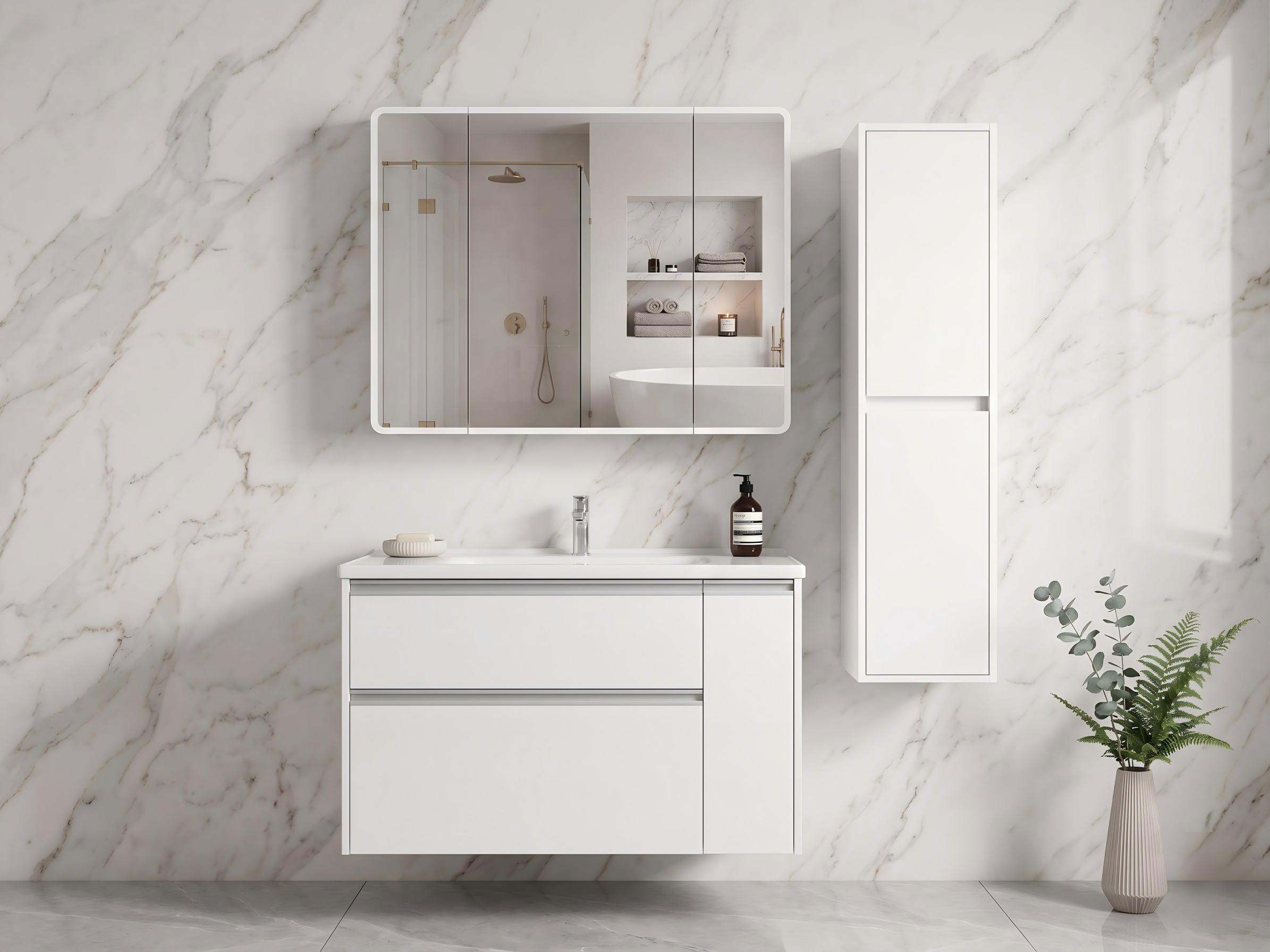
Touch Sensors & 48-Inch Reach Compliance
ADA §308 mandates touch sensors within a 48-inch reach range for wheelchair accessibility.
Some smart mirrors have the touch sensor mounted too high. That triggers a compliance failure during commercial inspection. ADA §308 requires all operable parts to stay within a 48-inch maximum reach. That is a hard requirement, not a suggestion. Ignore it and you fail.48-inch maximum reachsmart LED mirrors
Most manufacturers mount sensors near the top of the frame. That puts them out of reach for a seated wheelchair user. Our OEM mirrors position touch sensors low enough to meet §308 standards, so you avoid costly rework later.seated wheelchair user
During spec review, make sure the sensor sits below 48 inches. Above that, it fails code. Our mirrors factor in that reach range, so your hotel or multi‑family job passes inspection on the first try.
- ADA §308 limits control height to 48 inches from the finished floor. Touch sensors need low placement. The common mistake? Mounting them near the top of the frame.Touch sensorsADA §308
- Unreachable sensors get a project rejected instantly. Retrofitting costs add up fast.Retrofitting costs
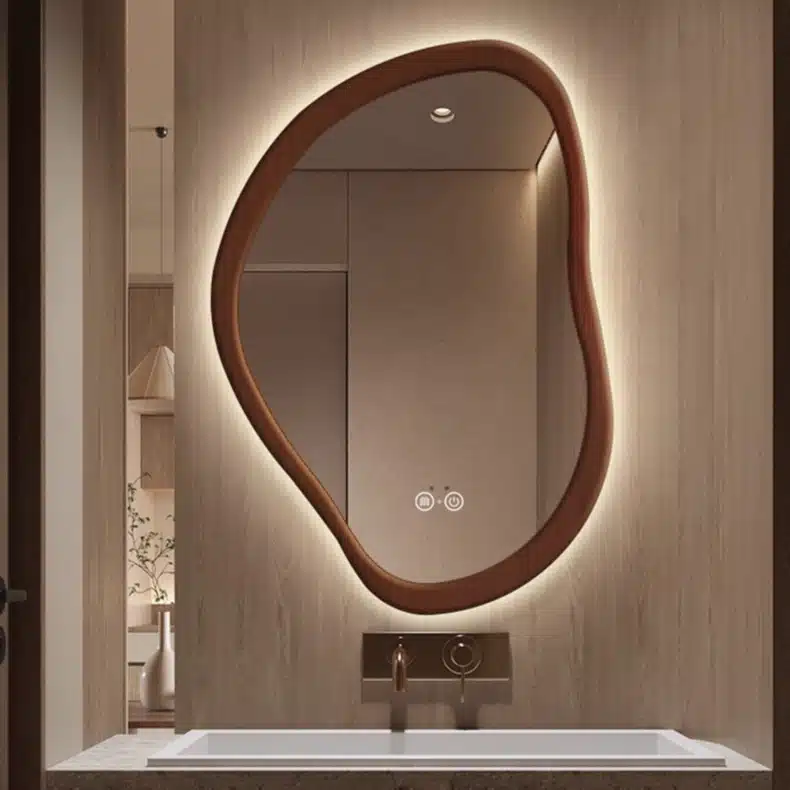
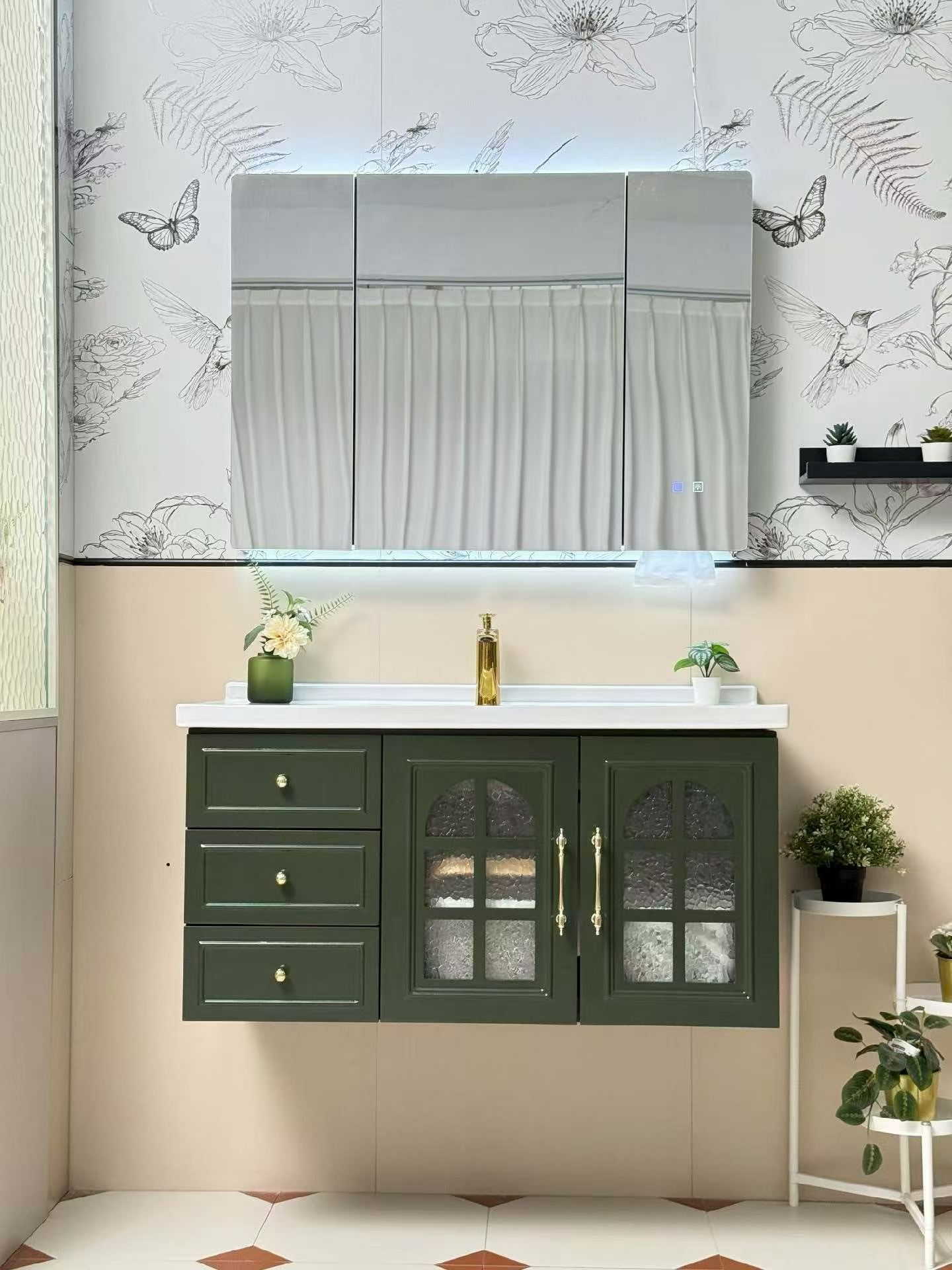
Tilt Mirrors: Optional but Strategic
Tilt mirrors aren’t ADA-mandated but solve critical usability gaps for seated guests in commercial builds.
Most ADA guides point you to the 40‑inch mirror height rule and stop. They miss the real issue: angle of incidence. A flat mirror forces someone in a wheelchair to tilt their head or lean forward just to see their face. No code says that’s wrong. But you feel it the first time you sit down in front of it. Inspectors walk right past it. Guests don’t.
Add a tilt mechanism. It’s a tiny mechanical adjustment that lives inside the same ADA‑compliant frame. No new regulations. No change to your structural specs. What it changes is how the room actually feels. For hotel developers, “bad mirror” warranty calls drop almost immediately. Perceived bathroom quality climbs without touching a single core requirement.
- Usability gain: seated users adjust the glass angle, not their spine. No leaning, no neck strain. OEM scalability: MFBATH mounts tilt hinges into hotel orders using the same CNC‑finished frames as standard units. Hundred mirrors, same frame, same install workflow.
- A tilt mirror stays inside the ADA §603.3 clearance box. The height and forward reach rules don’t budge, so the tilt is an optional add-on, not a code requirement. Guest surveys and repeat stays reward the ergonomic comfort, not the redline drawing.
Conclusion
The 40-inch glass-edge limit is fixed, and so are two other install rules: UL 962 certification and 2×6 wood blocking behind the metal stud wall. Miss any one of these on a compliant LED mirror install and the inspector fails the rough-in. That triggers a tear-out, pushes the occupancy date, and cracks the budget. Commercial bathrooms handle hundreds of uses a day. The wall assembly has to earn that load.
Pull the wiring diagrams and mounting-height sheets for the ADA-ready LED mirrors. Those specs confirm code compliance before the bid package leaves your desk.
Frequently Asked Questions
How are LED mirrors installed?
Mount the mirror using fire-rated wood blocking between metal studs to support the weight, then connect the low-voltage wiring to a UL/ETL-certified driver. Ensure the bottom edge of the reflecting surface is no. Verify stud blocking and height before final electrical connection.
What are the ADA requirements for mirrors?
The bottom edge of the reflecting surface must be a maximum of 40 inches above the finish floor when installed above a lavatory. Touch controls must fall within the 15-to-48-inch forward. Measure from the glass edge, not the frame, to pass inspection.
What are the common problems with LED mirrors?
The most frequent issues are flickering caused by incompatible dimmers and mounting failures due to insufficient wall support in metal stud construction. Using non-certified drivers or standard drywall anchors often leads to immediate. Use UL-certified drivers and proper blocking to prevent failure.
Do you need an electrician to install a LED mirror?
Yes, a licensed electrician is required to connect the mirror to the building’s electrical system to ensure compliance with fire codes and UL/ETL standards. Improper wiring can void certifications and fail commercial building inspections. Hire a licensed professional for all electrical connections.
What is the most common ADA violation?
The most common violation is measuring the mirror height from the bottom of the decorative frame rather than the bottom edge of the reflecting glass. This error often results in the mirror. Always measure from the reflecting surface edge to the floor.




0 Comments