
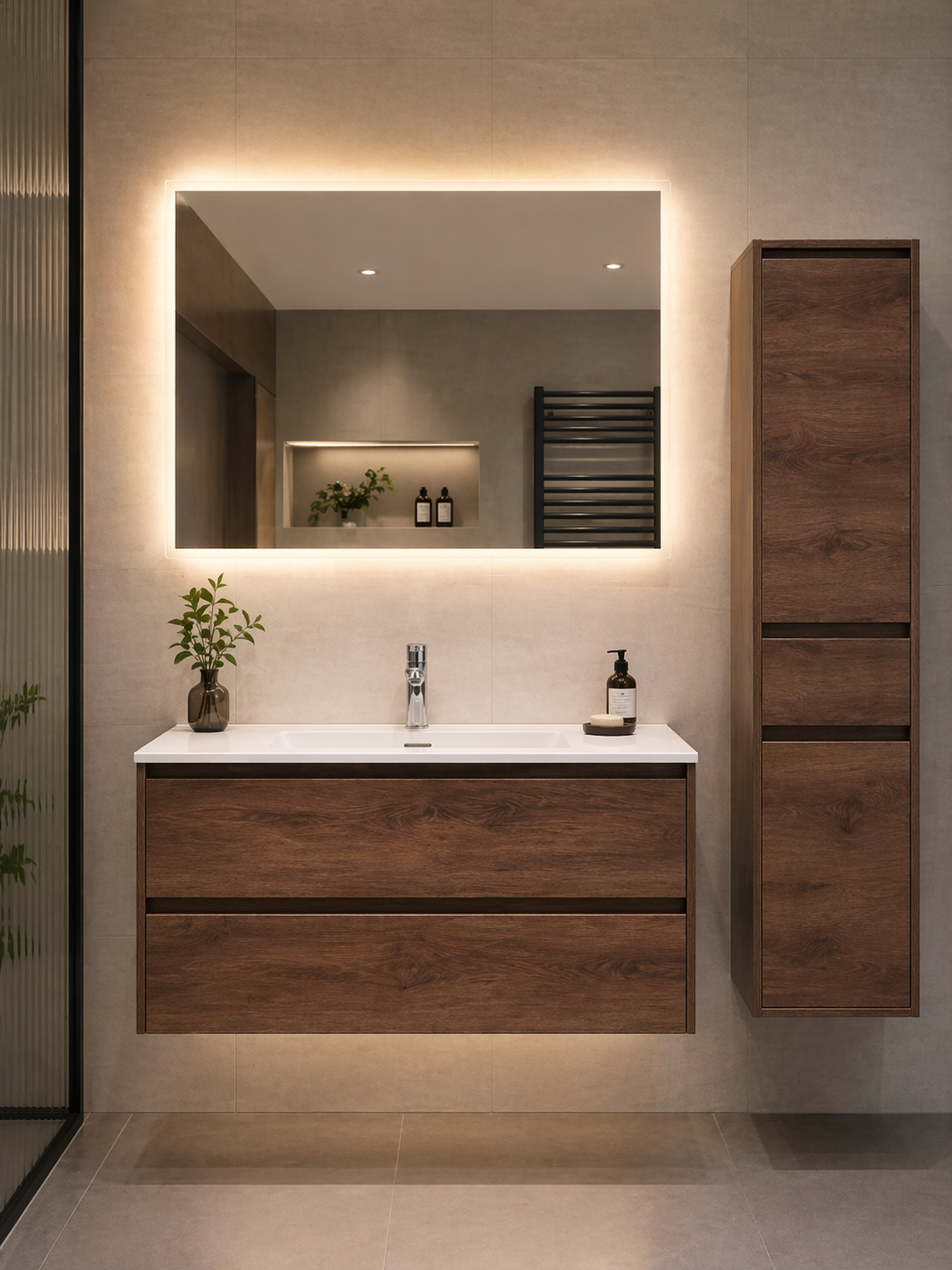
A poorly installed pivot bathroom mirror can escalate from a simple design feature into a significant liability, risking property damage and costly project callbacks. While their tilting function offers great flexibility, the two-point mounting system creates unique stress points on both the wall and the hardware itself. Overlooking critical details like proper wall blocking or precise bracket measurements directly leads to hardware strain, sagging, and eventual failure, creating a frustrating maintenance issue for clients.
This guide serves as a technical standard operating procedure for a flawless pivot mirror installation, focused entirely on the mechanical details that prevent these common failures. We will cover the structural importance of wall blocking to prevent anchor stress from day one. You’ll learn the exact method for measuring bracket width for a secure fit and a repeatable process for fixing the persistent ‘loose screw’ problem that plagues improperly mounted mirrors.
Why Are Pivot Mirrors Making a Huge Comeback in Modern Bathroom Design?
Pivot mirrors are resurging because they align perfectly with 2026’s demand for organic minimalism and functional adaptability, offering a high-impact aesthetic upgrade without requiring a full renovation.
Alignment with 2026 Design Trends
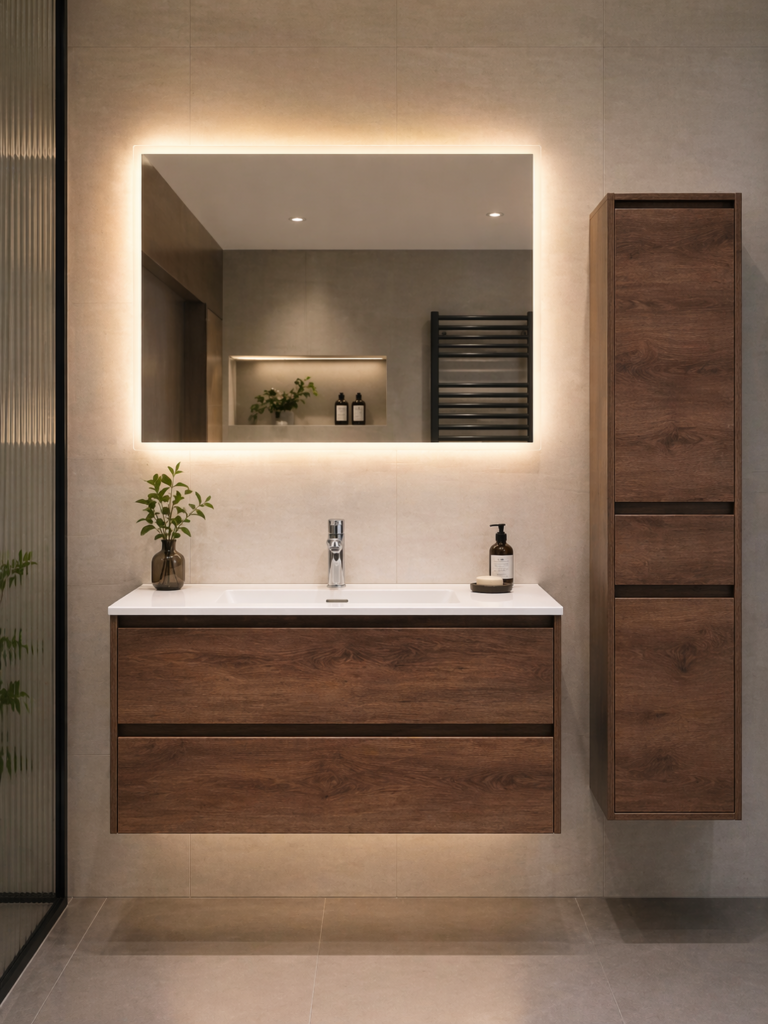
The pivot mirror’s comeback is tied directly to the shift toward organic minimalism. Instead of bulky, fixed units, designers and project managers now specify fixtures with clean lines and a lighter visual footprint. These mirrors deliver that aesthetic, providing a simple way to transform a bathroom’s look with statement finishes that don’t require structural changes. Their design flexibility makes them a prime choice for both new builds and retrofits aiming for a contemporary feel.
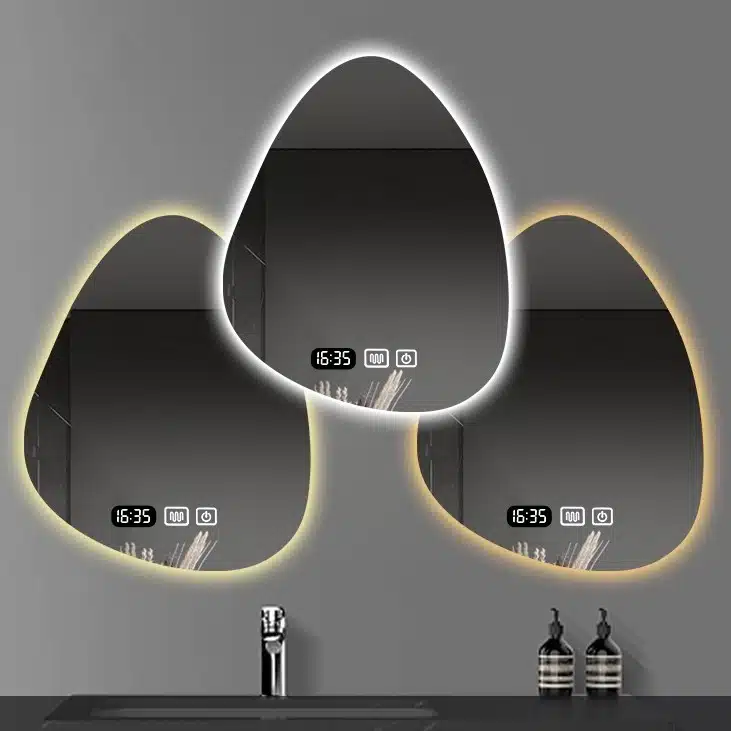
- Organic Shapes and Finishes: They excel with today’s preferred organic shapes like round, oval, and pebble. Popular frame finishes like Matte Black and Brushed Gold aluminum alloy integrate seamlessly with modern tapware and hardware.
- Adaptable to Awkward Spaces: The adjustable tilting mechanism makes them highly practical for rooms with challenging layouts, such as sloped ceilings or off-center vanity plumbing, where a standard fixed mirror would fail.
Functional Advantages in Modern Spaces
Beyond aesthetics, the core value of a pivot mirror lies in its adjustable wall bracket system. This mechanism allows any user to fine-tune the mirror’s angle for optimal light reflection and visibility, a feature missing from static mirrors. This functionality directly addresses the needs of multi-user bathrooms, accommodating people of different heights, from children to adults, with a simple tilt.
- Enhanced Visibility and Light: The tilting action allows users to redirect overhead or sconce lighting to eliminate shadows, crucial for grooming tasks like makeup application or shaving.
- Space-Expanding Effect: The gap between the mirror and the wall creates a “floating” effect. This simple design choice helps make small bathrooms or powder rooms feel more open and spacious.
- A Practical Upgrade: For project managers, pivot mirrors represent an accessible and stylish upgrade over conventional fixed vanity mirrors, adding measurable user value without significant cost increases.
How Do Pivot Mirrors Improve Functionality for Different Heights (Kids and Adults)?
The core advantage of a pivot mirror is its tilting mechanism, which provides a practical, ergonomic solution for shared bathrooms by allowing users of any height to set a clear and comfortable viewing angle.
Adjustable Tilting for Universal Viewing Angles
Pivot mirrors are engineered with a simple tilting mechanism that adjusts the viewing angle up or down. This provides a direct ergonomic benefit in households where users have significant height differences, particularly those with both adults and children. The mirror moves on two fixed points, giving everyone a comfortable and clear view without needing to change their posture.
- Shorter users, like kids, can easily pull the top of the mirror forward to create a downward-facing view.
- Taller adults can set it to face straight ahead or slightly upward, which eliminates the need to bend down.
- This built-in adaptability makes pivot mirrors a highly practical fixture for any shared family or guest bathroom.
Optimal Mounting Height for Shared Bathrooms
To maximize the mirror’s tilting range, installation height is key. The industry standard is to mount the pivot points based on the eye level of the tallest person in the home, typically between 65 and 70 inches from the floor. This strategic placement ensures the mirror’s tilting range is sufficient to accommodate everyone effectively.
- Setting the pivot points at this height provides enough travel for the mirror to tilt downward for shorter individuals without compromising the view for taller ones.
- This approach removes the need for multiple mirrors or accessories like step stools, streamlining the bathroom’s utility and design.
- This standardized mounting height allows for modular designs that perform well in any shared-use bathroom.
Elevate Your Inventory with Premium Mirrors
Why Is Wall Blocking Essential to Prevent Hardware Stress in Pivot Mirrors?
Relying on drywall anchors alone for a heavy, moving pivot mirror is a common installation failure; wall blocking provides essential structural reinforcement by transferring the entire dynamic load directly to the wall’s studs.
A pivot mirror places unique stress on its mounting points. Unlike a static mirror, it experiences repeated torque and leverage every time it’s adjusted. Standard drywall anchors are simply not engineered to handle this dynamic load over months and years. Wall blocking is the professional standard for ensuring a permanent, safe installation by creating a solid foundation within the wall cavity itself.
How Wall Blocking Provides a Solid Anchor Beyond Drywall
Wall blocking is the practice of installing a horizontal piece of wood (typically a 2×6 or 2×8) between two vertical wall studs. This creates a solid, structural surface precisely where the mirror’s hardware will be mounted. The screws for the brackets bite into solid wood, not into the brittle gypsum core of drywall. This direct connection to the wall’s frame is the key to a stable, long-lasting installation.
- It distributes the mirror’s static weight and dynamic pivoting force across the wall studs, preventing stress from concentrating on weak points in the drywall.
- This reinforcement stops screws from gradually loosening or ripping out over time due to the combined forces of gravity and user adjustments.
| Mounting Method | Structural Support | Long-Term Risk |
|---|---|---|
| Drywall Anchors Only | Relies on the compressive strength of gypsum board. Highly susceptible to localized stress and moisture degradation. | High risk of screws loosening, anchor pull-out, and eventual hardware failure. The mirror can sag or fall completely. |
| Screws into Wall Blocking | Transfers the entire load directly to the wall’s structural frame (studs). Provides a solid, unyielding anchor point. | Minimal risk. Ensures a permanent, stable installation that withstands the dynamic stress of repeated pivoting. |
The Role of Load Distribution in Preventing Hardware Failure
Without proper reinforcement, the entire weight and leverage of the mirror are focused on the small footprint of the mounting screws. Wall blocking effectively widens this footprint, spreading the load across a much larger structural area. Think of it as a built-in French cleat system hidden behind the wall. This even distribution of force is what prevents the metal brackets and fasteners from bending, warping, or failing catastrophically.
- Proper weight distribution is the single most critical factor in preventing hardware fatigue and failure in heavy, wall-hung fixtures.
- A perfectly level installation, anchored into solid blocking, ensures the load is balanced and does not create uneven, damaging stress on the pivot mechanism itself.
What Are the Most Popular Pivot Mirror Styles (Round, Rectangular, and Arched)?
The choice between rectangular, round, and arched pivot mirrors is a strategic design decision, dictating whether a bathroom feels modern and versatile, soft and contemporary, or architecturally distinct.
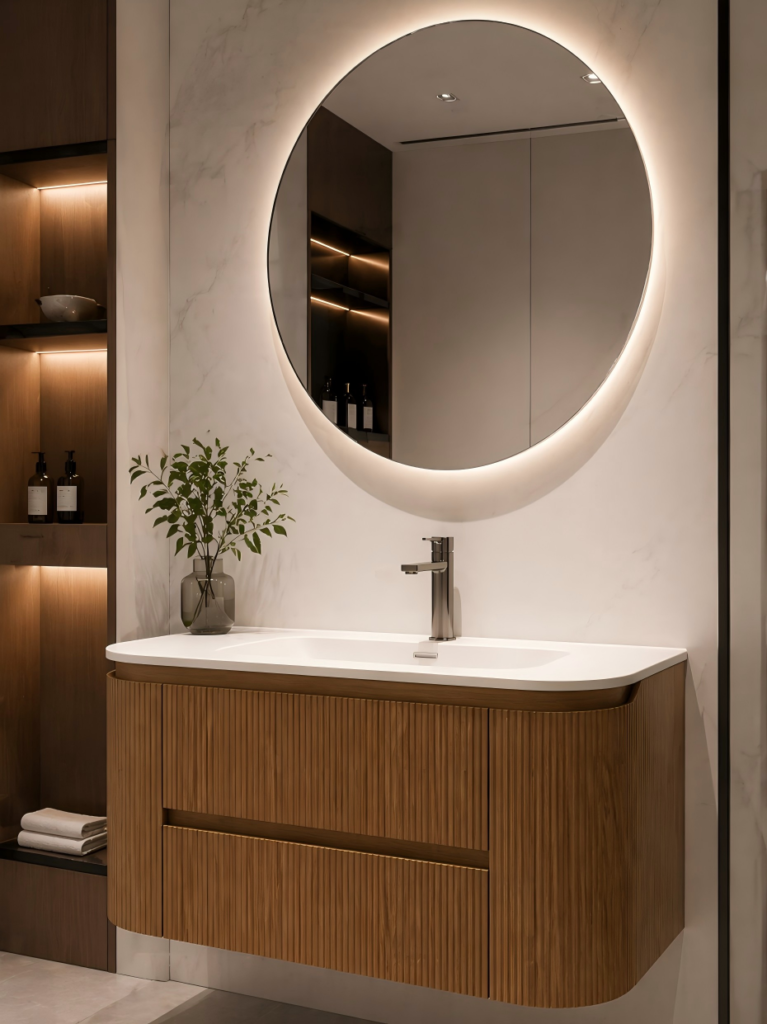
Rectangular Mirrors: Versatility for Modern and Traditional Bathrooms
Rectangular pivot mirrors are a go-to for their clean lines and adaptability. Their straightforward shape fits seamlessly into both minimalist modern designs and classic, traditional layouts, making them a highly popular choice for a wide range of projects.
- Finishes like matte black and brushed nickel align perfectly with contemporary hardware aesthetics.
- The simple geometry works well above single or double vanities without overwhelming the space.
- Adding beveled edges can introduce a touch of traditional elegance to an otherwise modern frame.
Round and Oval Mirrors: Softening Spaces with a Contemporary Feel
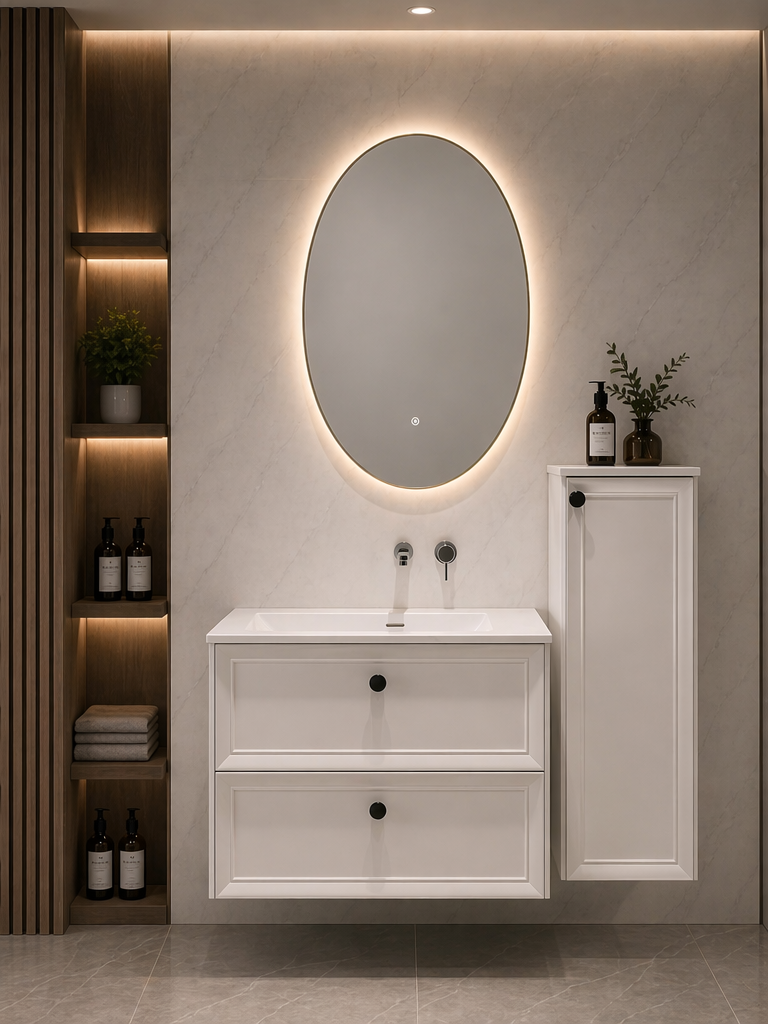
Round and oval pivot mirrors introduce softer curves into the bathroom, effectively breaking up the hard, geometric lines of tile, countertops, and vanities. This style is heavily favored in contemporary and minimalist designs for creating a gentle, organic feel.
- Oval shapes are particularly dominant in current design trends, offering a slightly more dynamic look than a perfect circle.
- These mirrors pair exceptionally well with pedestal sinks or floating vanities to create an open, airy aesthetic.
- Brushed gold and other warm metallic finishes are frequently used with round mirrors to add a layer of understated luxury.
Arched Mirrors: Creating a Statement with Architectural Detail
Arched pivot mirrors function as a decorative focal point, blending classic architectural forms with modern pivot functionality. This style is a strong choice for rustic farmhouse, transitional, and vintage-inspired bathroom projects where the mirror itself is part of the decor.
- The arch adds visual height and draws the eye upward, making the room feel larger and more grand.
- It provides a unique silhouette that stands out against more common rectangular or round shapes.
- This style effectively bridges the gap between a purely functional mirror and a piece of decorative wall art.
How Do You Exactly Measure Bracket Width for a Flawless Pivot Mirror Installation?
Precise pivot mirror installation hinges on verifying standardized bracket dimensions and implementing a two-person protocol to ensure accurate, stress-free mounting.
Confirming Universal Bracket Sizing
The first step in any successful installation is to confirm the bracket’s dimensions. Most hardware manufacturers now adhere to universal sizing, which simplifies procurement and replacement. But verification is still essential to prevent any compatibility mismatch with the mirror’s pivot bolts. A quick check before drilling eliminates costly errors and ensures the hardware can properly support the mirror’s weight and movement without failing.
| Component | Industry Standard Specification | On-Site Verification Action |
|---|---|---|
| Bracket Width | 1 1/8 inches | Measure the supplied bracket with a tape measure to confirm it matches the spec sheet. |
| Pivot Bolts | 5/6-inch or 3/8-inch compatibility | Physically test-fit the bolts with the mirror’s pivot holes and the bracket hardware before mounting. |
Establishing a Protocol for Precision Measurement
Accurate measurement is about more than the hardware; it requires a clear installation protocol. Following the manufacturer’s instructions, usually available as digital guides or videos, provides the most up-to-date process for their specific hardware. A two-person team is the industry standard for a reason: one person holds the mirror steady while the other makes precise marks for leveling. This approach minimizes the chance of measurement errors, guarantees the mirror hangs correctly, and avoids uneven stress on the mounting points.
How Do You Fix and Prevent the “Loose Screw” Maintenance Issue in Pivot Mirrors?
A loose pivot mirror is a mechanical failure, not a defect. It’s fixed by restoring tension to the joint and prevented by specifying quality hardware from the start.
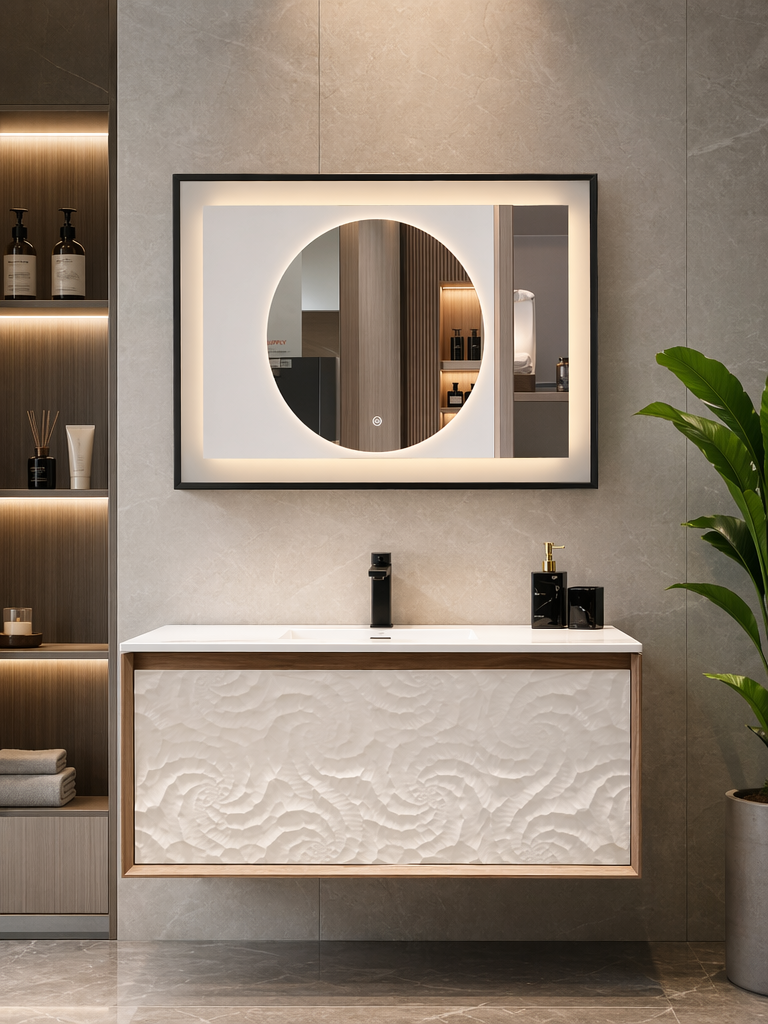
Diagnosing and Repairing a Loose Pivot
A loose pivot mirror almost always indicates a worn or undertightened fastening mechanism. The direct solution is to re-apply tension to the pivot joint. For most models, this is a simple mechanical adjustment that restores the mirror’s ability to hold its position without sagging or tilting down.
- Locate the visible screw or Allen key slot at the pivot point on the side bracket.
- Use a screwdriver or Allen key to gently tighten the joint, which increases the friction.
- Adjust the tension just enough so the mirror stays firmly in the desired position but can still be moved with intentional force.
| Corrective Action | Common Field Fix (Short-Term) | Manufacturer-Grade Solution (Permanent) |
|---|---|---|
| Fastener Material | Works with existing, often standard-grade, steel screws. | Specify high-quality stainless steel fasteners that resist corrosion and wear. |
| Joint Security | Simple re-tightening with no additional compounds. | Apply a medium-strength thread-locking compound during assembly. |
| Expected Outcome | The issue will likely recur as the screw backs out from normal use and vibration. | Provides a secure hold that resists loosening, even in humid bathroom environments. |
Strategies for Preventing Future Loosening
Preventing the pivot from loosening over time comes down to material selection and installation discipline. Using durable, corrosion-resistant components and ensuring the correct initial tension is set will dramatically extend the stability and operational life of the mirror assembly.
- Opt for mirrors that use high-quality stainless steel fasteners, which resist the corrosion and wear common in humid bathrooms.
- Apply a medium-strength thread-locking compound during the initial installation to secure the pivot screws against vibration and gradual loosening.
- Periodically inspect the pivot points during routine cleaning. Tighten them slightly if any new movement is detected, before the issue becomes noticeable.
What Are the Best Bathroom Vanity Pairings for Pivot Mirrors (Pedestal and Traditional)?
The key to pairing a pivot mirror is proportion and hardware continuity. For double vanities, use two mirrors to create symmetry; for single or pedestal sinks, use one to create an open, minimalist feel.

Pairing Pivot Mirrors with Traditional Double Vanities
For traditional double vanities, installing two separate pivot mirrors—one over each sink—establishes a clean sense of symmetry and gives each person a dedicated space. This setup allows independent angle adjustments while reinforcing a classic, balanced design. The critical detail is matching the mirror’s frame and hardware finish to the vanity’s faucets and cabinet pulls to create a cohesive look.
- Select finishes like brushed gold or brushed nickel to complement classic hardware styles.
- Keep each mirror’s width slightly narrower than the sink basin below it to maintain correct visual scale.
- Use rectangular pivot mirrors with soft, rounded corners to effectively merge traditional and modern design elements.
Using Pivot Mirrors with Modern Pedestal or Single Sinks
A single pivot mirror is the perfect match for a pedestal sink or a compact, modern single vanity. Because the mirror is wall-mounted, it frees up valuable counter space and contributes to an open, airy atmosphere. The tilting function is especially useful here, as it can easily serve users of different heights in a main or guest bathroom.
- Create a strong visual anchor with minimalist frames in finishes like matte black or brushed nickel against a plain wall.
- Add a soft, organic element by using an oval or round pivot mirror to contrast the sharp lines of a modern pedestal sink.
- Leverage the downward tilt for enhanced accessibility, making the mirror practical for children or individuals using a wheelchair.
Conclusion
Pivot mirrors offer a unique blend of traditional style and adjustable function. Proper installation, centered around secure wall blocking and precise measurements, is essential for their long-term performance. Getting these details right prevents hardware stress, eliminates sagging, and ensures the mirror remains a safe, reliable fixture for years.
If you’re planning a new bathroom project or upgrading existing ones, review our technical specifications for a range of pivot mirror styles. Contact our team to request a product sample or discuss the best options for your design requirements.
Frequently Asked Questions
What is a pivot mirror?
A pivot mirror is a type of wall-mounted mirror attached with brackets that allow it to tilt vertically. This adjustable mechanism is its key feature, enabling users to fine-tune the viewing angle for optimal light and reflection. Its design often creates a modern, “floating” aesthetic that enhances the sense of space in a bathroom.
How to install pivot mirror?
Installing a pivot mirror involves a few key steps. First, measure and mark the desired locations for the wall brackets, using a level to ensure they are perfectly aligned. Next, drill pilot holes and insert appropriate wall anchors for your wall type (e.g., drywall, tile). Secure the mounting brackets to the wall with screws. Finally, attach the mirror to the brackets and tighten the pivot tension screws on each side to hold it firmly in place while still allowing it to tilt.
Are pivot mirrors practical?
Yes, pivot mirrors are highly practical. Their primary advantage is the ability to tilt, which is ideal for households with people of different heights, such as adults and children. This adjustability also makes them perfect for bathrooms with awkward layouts, sloped ceilings, or offset vanity lighting, as you can angle the mirror to optimize reflection and light exactly where you need it.
Pivot mirror keeps tilting down?
If a pivot mirror continuously tilts down, the tension screws on the pivot mechanism are too loose. To fix this, locate the small screws on the side of each mounting bracket where the mirror pivots. Using an appropriate screwdriver or Allen key, tighten the screws on both sides gradually. The goal is to apply enough tension so the mirror holds its position firmly, but not so much that it becomes difficult to adjust.
Best pivot mirror for bathroom?
The best pivot mirror for a modern bathroom combines high-quality materials with on-trend design. For 2026, look for models with frameless or thin-profile metal frames in statement finishes like matte black, brushed brass, or antique gold. Popular shapes include round, oval, and rounded-corner rectangles that align with organic design trends. Most importantly, ensure the pivot hardware is made of solid metal with adjustable tension for durability and long-term performance.
Traditional bathroom mirror ideas?
Traditional bathroom mirror ideas often focus on decorative frames and classic elegance. Popular options include ornate, gilded frames with intricate carvings reminiscent of Baroque or Victorian styles. Solid wood-framed mirrors, often in finishes like oak or cherry to match the vanity, offer a warm, timeless look. For a more opulent feel, Venetian mirrors with etched glass frames and decorative crests are a classic choice. Finally, framed medicine cabinets provide a blend of traditional style and modern storage.




0 Comments