


 Keeping up with modern & trends in bathroom vanities is the key difference between a fast-selling container and thousands in dead-stock inventory. Stocking last year’s finishes or misjudging the demand for specific textures can lead to slow-moving products that tie up capital and warehouse space. When customer preferences shift this quickly, a single procurement error can put an entire product line at a competitive disadvantage.
This guide serves as a technical brief for your 2026 product planning. We break down the exact specifications defining the market, from the textures of fluted and slatted wood to the dominant finishes like natural oak and matte black. We will cover the engineering and aesthetic choice between ultra-thin and thick-edge countertops, the smart features customers expect like in-drawer outlets, and the structural requirements for both open-shelf console vanities and mail-order approved packaging.
The Shift to “Spa-Like” Aesthetics
The bathroom’s role is fundamentally changing from a purely functional space to an integrated wellness environment, driving demand for products that support long-term health and preventative care.
Holistic Wellness Over Quick Fixes
The market is moving past simple cosmetic upgrades. End-users now see their bathrooms as personal sanctuaries for lifestyle optimization, not just quick morning routines. This shift in mindset directly impacts product selection, favoring vanities and accessories that contribute to a serene, regenerative atmosphere. The focus is on creating an experience that supports overall well-being rather than just serving a utilitarian purpose.
- Consumer demand is leaning towards low-pressure, calming designs.
- Products are expected to support preventative care and long-term health routines.
- The design goal is a holistic treatment of the space, not just isolated fixture upgrades.
Integration of Technology and Sensory Comfort
Modern bathroom design successfully merges advanced features with elements of sensory comfort. This is not just about adding a smart mirror; it’s about a seamless convergence of data-driven personalization and a relaxing, human-centric environment. Features like integrated, temperature-adjustable lighting, heated surfaces, and hidden charging stations eliminate clutter and friction. The aim is to use technology to enhance comfort and tranquility, not to complicate the space.
- Advanced features like anti-fog mirrors and in-drawer outlets are becoming standard expectations.
- Sensory elements, including tactile materials and ambient lighting, are integrated into core product designs.
- Mind-body integration is supported by creating organized, stress-free environments.
Emphasis on Natural and Preventative Results
A primary driver of the spa aesthetic is consumer demand for natural-looking outcomes and proactive care. This trend translates directly into material and finish preferences, prioritizing subtlety and long-term vitality over immediate, drastic changes. Vanities with organic textures, warm wood grains, and earthy, neutral tones are outperforming sterile, high-gloss white finishes. The goal is to enhance and maintain a sense of calm through sustainable, timeless design choices.
- Consumers actively seek materials and finishes that deliver natural, understated results.
- Preventative care is now a core factor, influencing choices for durable and easy-to-maintain surfaces.
- The design ethos is to enhance and maintain appearance through sustainable practices and timeless materials.
Trending Finishes: Natural Oak & Matte Black
The market is pairing warm, natural oak with matte black countertops and fixtures to create a sophisticated contrast, moving away from single-tone designs toward a more layered and intentional aesthetic.

The Return to Warmer Wood Tones
For 2026, the market has moved decisively away from heavily bleached or whitewashed wood finishes. The focus is now on deeper, warmer natural oak that provides a timeless, organic feel to ground the bathroom space. This trend prioritizes the authentic texture and grain of the wood, marking a shift toward more sophisticated and enduring color palettes that feel both premium and natural. We manufacture vanities in solid oak to meet this demand, ensuring the finish highlights the material’s inherent character.
Matte Black as a Bold Counterpoint
Matte black surfaces are the primary counterpoint to warm wood cabinetry. This finish is appearing on countertops—in materials like quartz and porcelain—and on hardware, adding a modern, minimalist edge. The non-reflective nature of matte black adds visual depth and sophistication without creating glare. It serves as a strong visual anchor that sharpens the overall design and provides a clean, contemporary contrast to the organic wood tones.
A Balance of Organic and Minimalist Design
Combining natural oak and matte black achieves a layered, intentional look. This pairing moves bathroom interiors away from generic “showroom” aesthetics by blending organic warmth with clean, modern lines. The result is a design that feels both high-end and personally curated.
- This pairing creates a sophisticated yet inviting atmosphere.
- It reflects a broader trend toward more personalized and character-rich spaces.
Unlock Higher Margins with Factory-Direct Vanities

Fluted / Slatted Wood Designs (The Big Trend)
Fluted and slatted wood designs are the dominant trend for 2026, shifting the market from flat, minimalist surfaces toward tactile, architectural vanities that add depth and organic character to the bathroom.
Architectural Depth and Texture
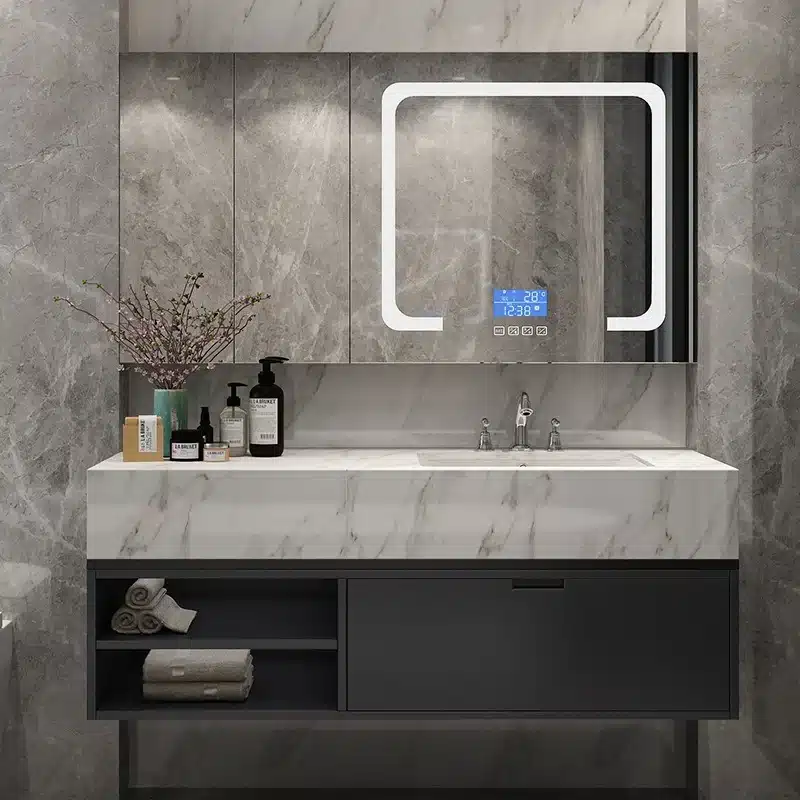
By 2026, the demand for texture is driving product design. Fluted and slatted wood surfaces move vanities away from simple, flat planes and toward three-dimensional pieces with real architectural presence. This style introduces warmth and character using tactile, organic patterns that create a sophisticated, layered look. It’s a versatile aesthetic that works well in both modern and classic interiors by adding a natural, structured element.
| Material Option | Key Characteristics | Ideal Application |
|---|---|---|
| High-Density PVC | Completely waterproof core. Provides an ultra-smooth surface for high-gloss lacquer finishes. Material density is adjustable to meet target price points. | Humid climates (Middle East, SEA) and minimalist European designs where a painted finish is preferred. |
| Plywood (Melamine/Laminate) | Water-resistant with a realistic timber-look finish. Premium options like a Full Eucalyptus Core offer superior hardness and durability. | Australian market (Coastal/Hamptons style) and projects requiring a natural wood appearance without the cost of solid timber. |
| Solid Wood (Oak/Ash) | Premium, authentic material with natural grain patterns. Finished with a durable multi-layer spray painting process for protection. | North American market and high-end projects demanding authentic materials and a traditional or transitional feel. |
Acoustic Panels: Function Meets Style
The growth of this trend is directly tied to the popularity of vertical slat acoustic panels in other areas of the home. These panels offer the dual benefit of sound absorption and a contemporary look. Applying this concept to bathroom vanities brings the same functional advantage, helping create a quieter, more serene environment by dampening echo and ambient noise. It’s a practical way to integrate a high-end design feature that genuinely improves the feel of the space.
- Helps reduce echo and ambient noise, enhancing the peaceful atmosphere of a bathroom.
- Combines practical sound management with a high-end design feature.
The Rise of Biophilic Design
The demand for fluted wood is also linked to the biophilic design movement—the practice of connecting people with nature through architecture and interior design. Textured wood surfaces evoke a sense of the outdoors, contributing to a calming and restorative feeling. This satisfies a growing desire for nature-inspired materials inside the home, turning the bathroom into a more personal and relaxing retreat.
- Satisfies the growing desire for nature-inspired materials and textures in personal spaces.
- FocusCabinet integrates these designs into our vanity collections to create a direct link to natural elements.
Countertop Trends: Ultra-Thin vs. Thick Edge
The countertop market is split between sleek, ultra-thin profiles for modern designs and substantial, thick-edge slabs for luxury projects, with mitered edges emerging as a cost-effective way to achieve a premium look.
The Appeal of Ultra-Thin Profiles
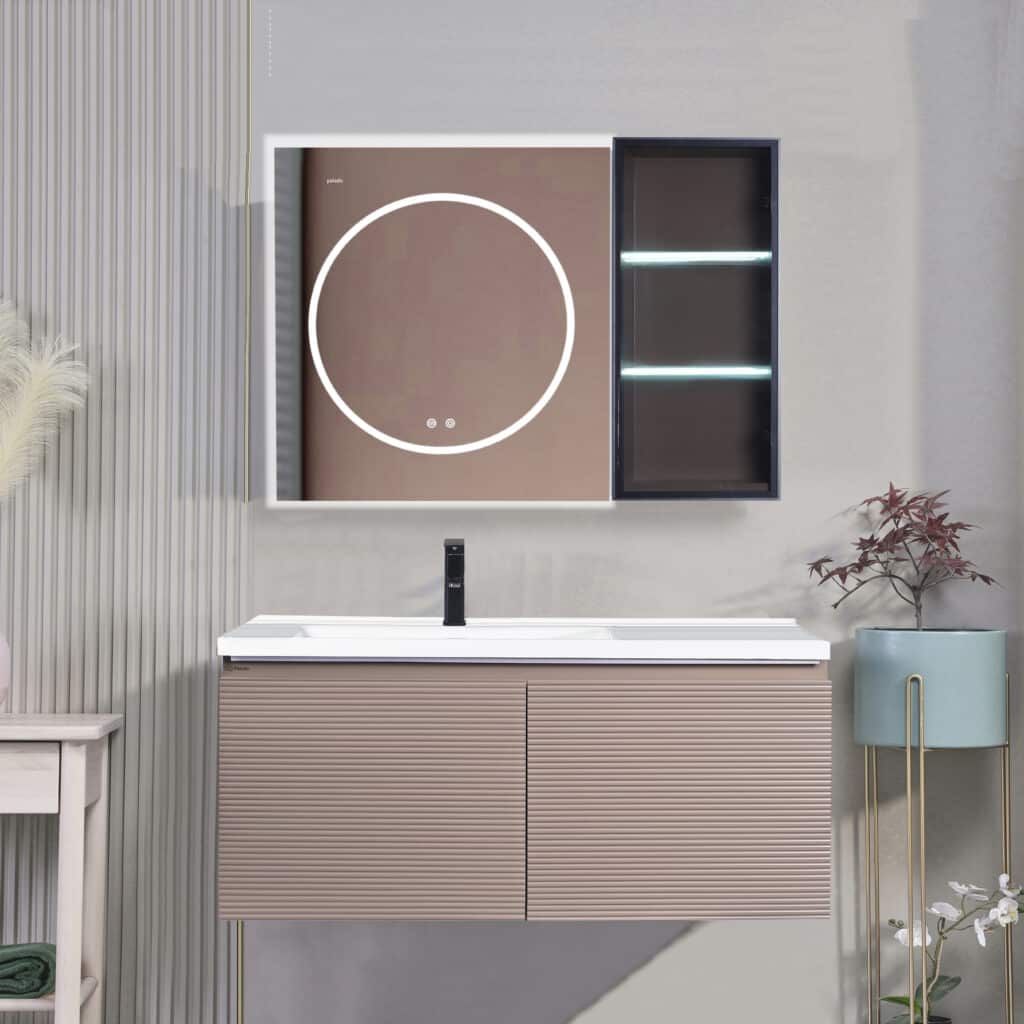
In 2026, ultra-thin countertops (around 2cm) are a leading choice for modern, minimalist bathroom designs. They offer a sleek, unobtrusive look that complements contemporary aesthetics while often being a more budget-conscious selection. This style aligns perfectly with European-inspired trends and can create a sense of spaciousness, especially in smaller bathrooms. Advances in materials like sintered stone ensure that this reduced thickness doesn’t compromise strength, making it a viable and stylish option for projects targeting a clean, modern feel.
The Classic Statement of Thick Edges
Thicker countertops, typically 3cm and up, remain the standard for creating a sense of luxury and permanence. This style makes a bold statement and is often associated with high-end, traditional, and transitional bathroom projects. The substantial profile provides a high-end look and feel, offers more versatility for custom edge profiles, and stands as a durable, time-tested option for high-traffic environments.
| Feature | Ultra-Thin Profile (2cm) | Thick Edge Profile (3cm+) |
|---|---|---|
| Best For | Modern, minimalist, and budget-conscious projects. | Luxury, traditional, and high-end transitional designs. |
| Visual Impact | Sleek, unobtrusive, and enhances perception of space. | Substantial, bold, and provides a sense of permanence. |
| Cost Factor | Generally more cost-effective due to less material usage. | Higher material cost translates to a premium price point. |
Hybrid Looks with Mitered Edges
A growing trend involves using mitered or laminated edges to achieve the visual weight of a thick slab with a thinner, more cost-effective material. This technique provides the best of both worlds. A mitered edge joins two pieces of the countertop material at a 45-degree angle, creating a seamless, thick appearance from the front. This allows for a bold, luxurious look while managing project costs and slab weight.
At FocusCabinet, we offer this customization to give our B2B clients flexible design solutions. It allows distributors to cater to varied client budgets without sacrificing the high-end aesthetic that sells.
Smart Features: In-Drawer Outlets & Lighting
In-drawer power is no longer a luxury upgrade; it’s a functional necessity driven by device proliferation and the consumer demand for clutter-free, spa-like bathrooms.

The modern bathroom serves as a personal wellness retreat, and visible clutter from charging cables directly undermines this experience. Integrating power sources inside the vanity has become a standard feature for mid-range to premium lines, reflecting a non-negotiable consumer demand for clean aesthetics and high functionality.
Integrated Outlets for Clutter-Free Spaces
By 2026, the primary driver for in-drawer outlets is the complete elimination of countertop cord clutter. These systems provide a dedicated, hidden power hub for charging electric toothbrushes, razors, stylers, and other personal care devices. This allows users to keep their electronics stored and powered up within the drawer, preserving the seamless, minimalist look of the bathroom countertop and improving overall organization.
| Feature | Standard Countertop Outlet | Integrated In-Drawer Power System |
|---|---|---|
| Aesthetics | Visible clutter, tangled cords, exposed charging bases. | Completely concealed for a seamless, minimalist look. |
| Functionality | Occupies valuable counter space; devices are left out. | Keeps devices charged and organized inside the drawer. |
| Safety | Higher risk of direct water exposure on countertops. | Engineered with auto-shutoff and circuit breakers for enclosed use. |
Advanced Safety Mechanisms for Bathroom Use
Safety is the most critical technical consideration for placing electrical systems inside a cabinet. Modern in-drawer units are engineered specifically for this environment. They include integrated safety features like thermostat-based auto shutoffs that cut power if the enclosed temperature exceeds safe limits, preventing overheating from devices left charging. Built-in circuit breakers also provide essential protection against electrical faults or power surges, ensuring safe and reliable operation for both residential and commercial projects.
Modular Connectivity for Modern Devices
To meet the needs of a tech-saturated market, power solutions must offer versatile connectivity. The current standard configuration includes a mix of power ports to accommodate a wide range of electronics. A typical setup features two traditional AC outlets alongside two USB-C and two USB-A ports. This combination ensures compatibility with legacy products and new devices, future-proofing the vanity for evolving charging standards.
Simplified Plug-and-Play Installation
The viability of any premium feature depends on its ease of installation. Current-generation in-drawer outlet systems use plug-and-play designs that connect to a single power source, requiring minimal cabinet modification and no complex hardwiring. This streamlined process reduces installation time and cost for contractors, making it a highly attractive and accessible upgrade for both new construction and renovation projects.
The “Console” Look (Open Shelf)
The console or open-shelf vanity design prioritizes curated display over maximum storage, transforming the bathroom into an intentionally styled space.
This trend marks a significant shift away from concealing all items behind closed doors. The open-shelf console look borrows from living room and hallway furniture design, where the goal is to create a visually appealing vignette. It treats the vanity not just as a utility but as a piece of furniture that contributes to the room’s overall aesthetic. This approach requires a more deliberate selection of what is stored and displayed, blending everyday function with personal style.
Balancing Aesthetics and Functionality
The console look transforms open shelving from a simple storage area into a curated display. This style emphasizes a careful balance between practical items and decorative objects, creating a space that is both useful and visually appealing. It’s less about cramming every available inch with products and more about intentional placement.
- It combines large foundational pieces like bins and towels with smaller decorative accents.
- The focus is on a strategic, uncluttered arrangement rather than maximizing storage capacity.
- Everyday shelving becomes an intentional design statement within the bathroom.
Creating Visual Interest with Layering and Scale
This trend relies on dynamic composition, using a mix of textures, heights, and object sizes to create depth. A successful arrangement is planned to guide the eye and avoid a flat, uniform appearance. It’s about creating a small, self-contained composition on the shelf.
- Incorporate varied materials like wood, metal, glass, and ceramics to add textural layers.
- Use objects of different heights and scales to establish a visual rhythm.
- Arrange items in complementary groupings rather than relying on strict symmetry.
The Role of Negative Space
A key principle of the console look is the intentional use of empty space. This “breathing room” prevents the shelves from appearing cluttered and allows each displayed object to stand out. Without negative space, a curated display quickly becomes simple clutter.
- Negative space helps create a clean, high-end aesthetic.
- It draws attention to specific items, turning them into focal points.
- It improves the overall visual flow and perception of the space.
E-commerce Packaging (Mail Order Approved)
In 2026, packaging must simultaneously protect the product through harsh transit, delight the customer upon arrival, and lower freight costs with efficient, sustainable materials.
For businesses selling vanities online, packaging has evolved from a simple protective layer into a critical component of logistics, branding, and customer satisfaction. The cost of a damaged product—in returns, replacements, and negative reviews—far outweighs the investment in properly engineered packaging. Today’s standards require a solution that survives the supply chain while communicating brand value from the moment it arrives.
Sustainable and Cost-Efficient Materials
The market demands a balance between operational efficiency and environmental responsibility. Heavy, bulky packaging increases freight expenses at every step. The current industry standard involves using lightweight yet rigid geometric structures, often from recycled or biodegradable sources. This approach not only lowers shipping costs but also signals a modern, responsible brand identity to the end consumer.
- Adoption of lightweight materials to lower freight expenses across the supply chain.
- Use of recyclable and biodegradable components to appeal to environmentally conscious buyers.
- Designs that reduce material waste while maintaining the structural integrity needed for product protection.
The Interactive Unboxing Experience
The box itself is now a marketing channel. A positive unboxing experience is a powerful tool that encourages social media sharing and builds brand loyalty. Simple integrations like QR codes or NFC tags can turn the physical package into an interactive touchpoint, linking customers to installation videos, product registration pages, or exclusive offers. The goal is to create a memorable moment that reinforces the quality of the product inside.
- Embedding QR codes or NFC tags that link to product information, tutorials, or special offers.
- Creating a visually appealing unboxing moment designed to be shared on social media.
- Using Augmented Reality (AR) to provide an immersive preview or setup guide for the product.
Engineered for Transit and Easy Opening
The primary function of packaging remains unchanged: protect the product. For heavy, fragile items like bathroom vanities, this requires specific engineering. The benchmark for mail-order readiness is passing the ISTA 3A drop test, which simulates the harsh conditions of a typical courier network. This often involves a system of 6-sided molded foam and reinforced cardboard corners. Just as important is the customer’s ability to open it. Data shows that 57% of consumers prioritize easy-to-open packages, making frustration-free design a key part of the overall product experience.
- Developing robust structures like molded foam inserts that shield vanities from impact and vibration.
- Focusing on intuitive, easy-to-open designs that improve customer satisfaction upon delivery.
- Balancing strong protection with minimal materials to align with both safety and sustainability goals.
Conclusion
The bathroom vanity market for 2026 is moving toward organic textures and thoughtful design. Trends like fluted wood, natural oak finishes, and varied countertop profiles define the new aesthetic, while integrated features like in-drawer outlets add practical value. These elements combine to create vanities that act as true furniture pieces, meeting modern consumer expectations for style and function.
Consider how these designs can fit into your product catalog for the upcoming seasons. Contact our team to discuss material flexibility for your target market or request a refundable sample to see the craftsmanship for yourself.
Frequently Asked Questions
What are the trending vanity colors for 2026?
In 2026, the trendiest vanity colors are rooted in nature and warmth. Top choices include deep sage and forest greens, sophisticated dusty blues, and warm wood tones like natural white oak and rich walnut. We’re also seeing a rise in earthy terracotta and muted clay colors that add organic character to the bathroom space.
Are white vanities going out of style?
No, white vanities are not going out of style. They are a timeless, foundational choice that remains highly popular. The trend has shifted from all-white bathrooms to using white vanities as a clean, bright base. They pair exceptionally well with more textured materials, bold hardware, and colorful wall tiles, ensuring their versatility and longevity in modern design.
What is a “fluted” bathroom vanity?
A fluted bathroom vanity features a decorative finish with vertical, semi-circular grooves or channels across its cabinet fronts or drawers. This design creates a textured, three-dimensional effect that adds depth, sophistication, and visual interest. It’s a popular detail in Japandi, Mid-Century Modern, and contemporary styles for the way it subtly plays with light and shadow.
Are gold or black handles more popular?
Both are extremely popular but serve different design goals. Matte black hardware is a versatile staple, offering a bold, high-contrast look that suits modern, industrial, and transitional styles. Satin or champagne gold provides warmth and a touch of luxury, trending heavily in organic modern and upscale designs. While black is the universal modern choice, satin gold is often preferred for a more elevated, trend-forward aesthetic.
Do backlit mirrors sell better with vanities?
Yes, vanities paired with backlit mirrors consistently outperform those without. The integrated lighting provides optimal, shadow-free task lighting and creates a high-end, spa-like ambiance that consumers actively seek. Features like adjustable color temperature and anti-fog technology are significant value-adds, making vanity-mirror packages a highly effective and popular sales combination.
Is “farmhouse” style still popular?
The classic “modern farmhouse” look has evolved into a more refined and enduring style often called “Modern Rustic” or “Transitional Farmhouse.” While the heavy use of shiplap and distressed finishes has declined, the core appeal of warmth and comfort remains strong. The updated style incorporates cleaner lines, natural wood tones, and a sophisticated blend of modern and rustic elements, ensuring its continued popularity.





0 Comments