

 Sourcing an unfinished bathroom vanity can directly impact your profit margins, but only if you can prevent moisture damage and inconsistent material specs from the factory floor. Relying on overseas factories for the final paint job introduces major supply chain risks, from color-matching failures across production runs to expensive rework from shipping scuffs. This lack of control over the final finish threatens inventory quality and creates unpredictable costs that are difficult to forecast.
This guide provides a technical framework for building a local finishing strategy. We will break down the essential specifications for your purchase order, starting with a direct comparison of paint-grade maple and poplar. We cover the operational details of sanding standards, moisture protection protocols for raw wood in transit, and packaging requirements to prevent damage. You’ll get a clear workflow for managing the process, from navigating import duties on unfinished goods to optimizing the final finishing stage on your own terms.
The Business Case: Why Should You Consider “Paint-Ready” Imports?
Importing unfinished, paint-ready vanities directly from the manufacturer cuts landed costs by up to 35% and gives contractors total control over the final finish, optimizing both budget and design flexibility.
Cost Reduction and Financial Benefits
Sourcing unfinished bathroom vanities directly from overseas manufacturers can lower your landed costs by 20–35%. This model bypasses domestic intermediaries, allowing you to benefit from precision manufacturing without the associated price inflation. The lower initial investment provides greater flexibility in the project budget, enabling you to allocate more funds toward high-end local finishes or other critical areas. This strategy is effective for both large-scale multi-family developments and smaller boutique projects where cost control is paramount.
Customization and Project Flexibility
Paint-ready imports provide a blank canvas for local customization. These units typically arrive pre-sealed with a UV-protected base, creating a quality foundation for finishing work. This approach gives contractors complete control over the final color, texture, and sheen, ensuring the end product perfectly matches specific design requirements and client preferences. The ability to adapt to local or evolving design trends not only increases the product’s market appeal but also helps accelerate project approvals by demonstrating precise alignment with the architectural vision.
Scalability and Logistical Efficiency
The use of flat-pack RTA (Ready-to-Assemble) logistics makes this import model highly scalable. Flat-pack designs optimize container space, which directly lowers freight costs per unit. This system supports efficient shipping, warehousing, and on-site handling for any project size, from single-unit installations to large-scale constructions. Because production relies on high-precision European CNC machinery, you can expect consistent quality across all units, supporting a reliable supply chain for projects operating under tight deadlines.
Material Specs: How Do Paint-Grade Maple and Poplar Compare?
Maple offers superior hardness and a flawless paint surface, while Poplar provides significant cost savings, making the choice a direct trade-off between durability and budget.

Hardness and Durability
Maple is significantly harder and more durable than poplar, making it a better choice for cabinetry expected to endure daily wear. With a Janka hardness rating of 950 for soft maple compared to poplar’s 540, maple’s density gives it a clear advantage in resisting dents and scratches. Poplar is a softer wood, which makes it more susceptible to damage in high-traffic environments, but it remains a suitable material for many painted furniture applications where cost is a primary driver.
| Specification | Paint-Grade Maple | Paint-Grade Poplar |
|---|---|---|
| Janka Hardness Rating | 950 (Soft Maple) | 540 |
| Surface Grain | Tight, smooth, non-porous | Porous, may require extra sealing |
| Primer Requirement | Typically one coat | Multiple coats may be needed |
| Relative Cost | Higher | Significantly lower (50%+) |
Surface Finish Quality
Maple delivers a superior paint finish. Its tight grain and smooth, non-porous surface create an ideal canvas for a flawless, glass-like painted look that typically requires only one coat of primer. Poplar’s porous nature means it absorbs more primer and may need extra prep work to prevent the grain from showing through the paint. Achieving a uniform finish with poplar can add to both labor and material costs, as it often requires more sanding and sealing to get a comparable result.
Cost and Workability
Poplar is a far more economical choice, often costing 50% less than paint-grade soft maple. This makes it an attractive option for large projects or when the budget is a primary constraint. Its softer composition also makes it easier to machine and shape. Maple is harder to work with, but it sands cleanly without the “fuzzing” that can occur with softer woods. This clean sanding property can speed up the finishing stage of production, partially offsetting its higher material cost and more demanding machining requirements.
Create Standout Bathroom Collections for Your Market

Sanding Standards: Should You Specify 180 or 240 Grit?
For most paint-grade applications, 180 grit is the correct production standard, delivering a smooth, primer-ready surface without adding unnecessary cost or labor.

When specifying sanding standards for unfinished furniture imports, the choice between 180 and 240 grit comes down to a trade-off between cost-efficiency and final finish quality. Your decision directly impacts labor time, material consumption, and the substrate’s readiness for painting. While both are considered fine grits, they serve slightly different functions in a professional finishing workflow.
The Role of 180 Grit in Surface Preparation
For unfinished bathroom vanities, 180 grit is the industry workhorse. It effectively removes the minor scratches and machine marks left by coarser initial sanding stages, creating a uniform base necessary for proper primer and paint adhesion. It’s the functional standard for achieving a smooth, paint-ready surface without over-polishing the wood, which can sometimes hinder primer absorption.
- This grit is the optimal choice for smoothing raw wood surfaces after assembly and before the first coat of primer.
- It is also the correct grit for “scuff sanding” between coats of primer or paint to knock down any raised grain and ensure a strong mechanical bond for the next layer.
When to Specify 240 Grit for a Finer Finish
Using 240 grit sandpaper is a final finishing step designed to create an exceptionally polished surface. While the improvement over 180 grit is subtle, it refines the wood further by removing the smallest remaining surface imperfections. This step is usually reserved for premium projects where the final visual and tactile feel is critical.
- A 240-grit surface is most beneficial for high-gloss or lacquer finishes, where even tiny imperfections can be magnified by the reflective coating.
- For most standard paint applications by 2026, 180 grit provides a more-than-adequate substrate. Specifying 240 adds a marginal benefit that may not justify the increased time and material cost unless the project demands a flawless, mirror-like finish.
Moisture Control: How Do You Protect Raw Wood During Shipping?
Effective moisture control is a data-driven discipline that combines proper kiln drying, protective packaging, and in-transit monitoring to prevent damage before it occurs.
9
Protecting unfinished wood during international shipping is a critical quality control step. Raw wood is hygroscopic, meaning it readily absorbs and releases moisture from the air, making it vulnerable to warping, cracking, and mold growth during long transit times. A failure to manage humidity inside the container can ruin an entire shipment. Modern logistics rely on a multi-layered approach to ensure products arrive in the same condition they left the factory.
Establishing the Right Moisture Content Before Shipment
The process begins long before the container is loaded. All raw wood components must be properly kiln-dried to a stable moisture content (MC) to minimize their natural tendency to react to environmental shifts. Industry best practices require an MC between 8% and 25%. This initial conditioning is not optional; it’s a mandatory preparatory step that stabilizes the material and provides a baseline defense against damage during its journey.
Using Protective Packaging and Desiccants to Manage In-Transit Humidity
Even correctly dried wood can be compromised by condensation, or “container rain,” which forms due to temperature fluctuations during shipping. To prevent this, suppliers use a two-part defense system. First, vapor barrier wrapping creates a physical seal around the wood, isolating it from the ambient air inside the container. Second, industrial-grade desiccant packs are strategically placed within the container to absorb airborne water vapor, actively lowering the internal humidity and preventing moisture from settling on product surfaces.
Implementing Monitoring and Compliance Protocols
Verifiable data is essential for modern quality assurance. Many shipments now include real-time sensors that track temperature and humidity throughout the transit period, providing a clear log of the container’s internal environment. This data confirms that conditions remained stable and helps identify any weak points in the process. In addition to monitoring, all wood packaging materials (like pallets or crates) must comply with ISPM 15 standards, which mandate heat treatment or fumigation to prevent the spread of pests. This compliance is a regulatory requirement that avoids costly customs delays and ensures smooth importation.
Packaging Risks: How Can You Prevent Staining and Grease Damage?
Effective packaging for unfinished wood must block grease and oil without compromising structural integrity, a challenge now met by sustainable, flexible barrier coatings.
When shipping unfinished furniture, any contact with grease, oil, or even certain adhesives can cause permanent staining that becomes visible only after finishing. Preventing this requires packaging materials engineered with specific barrier properties to protect the raw wood surfaces during transit and handling.
Barrier Coatings: From Traditional to Sustainable Solutions
Modern packaging relies on advanced barrier coatings to prevent grease and oil penetration. Traditionally, protection came from dense fiber refining or plastic-based films like polyethylene. The market is now shifting rapidly toward more sustainable solutions that meet environmental standards without sacrificing performance. As of 2026, demand is heavily favoring eco-friendly options that protect both the product and the environment.
- Traditional Methods: Included dense fiber construction and plastic-based films (polyethylene) to physically block oil.
- Sustainable Alternatives: Emerging options feature water-based emulsions, biodegradable polymers, and other PFAS-free formulations that provide an effective grease barrier.
Balancing Protection and Functionality in Packaging Design
An effective grease barrier must do more than just block contaminants; it has to preserve the packaging’s structural integrity. A coating can’t be brittle. It needs to be flexible enough to withstand creasing and folding without cracking, which is essential for complex container designs used in flat-pack shipping. Top-tier coatings offer complete oil migration stoppage while also supporting heat-sealability, allowing for secure and reliable package sealing from the factory to the final destination.
Duty Savings: Are Taxes Lower for Unfinished Furniture Imports?
U.S. import duties on furniture are determined by HTS classification and country of origin, not whether the product is finished, meaning “paint-ready” imports don’t automatically qualify for lower tariffs.
How Tariffs Are Determined: HTS Codes and Country of Origin
In 2026, U.S. import duties for furniture items like bathroom vanities are set by two main factors: the product’s classification under the Harmonized Tariff Schedule (HTS) and its country of origin. The HTS system assigns a specific code to each product category, which dictates the base tax rate. This rate is applied regardless of whether the item arrives fully painted or in a raw, paint-ready state. Factors like the 25% tariffs on goods from certain nations have a much greater impact on the final duty owed than the product’s completion stage.
The Unclear Status of Unfinished Furniture
Current import regulations offer no automatic tariff reduction for unfinished or component-stage furniture. The existing duty structures are applied based on the item’s HTS classification, and there is no explicit preferential treatment for products that require local finishing. The tariffs scheduled through 2026 apply to the product category itself—a wood vanity is a wood vanity, painted or not. The available documentation from official sources does not confirm that importing unfinished furniture qualifies for a lower duty rate.
How to Verify Duty Rates with Official Classification
To get a definitive answer on the exact duty for your unfinished furniture, you must obtain official guidance from U.S. Customs and Border Protection (CBP). Submitting your product for a formal tariff classification is the only reliable way to determine if importing raw components provides any tax advantage over finished goods. Consulting with a customs broker can streamline this process and provide a binding ruling, which removes all uncertainty about the applicable duty rate for your specific import.
Local Finishing Workflow: How Should You Optimize the Process?
Adopting lean manufacturing principles like one-piece flow over traditional batching is no longer a niche strategy; it’s a core operational upgrade that can increase finishing efficiency by over 40% while reducing defects.
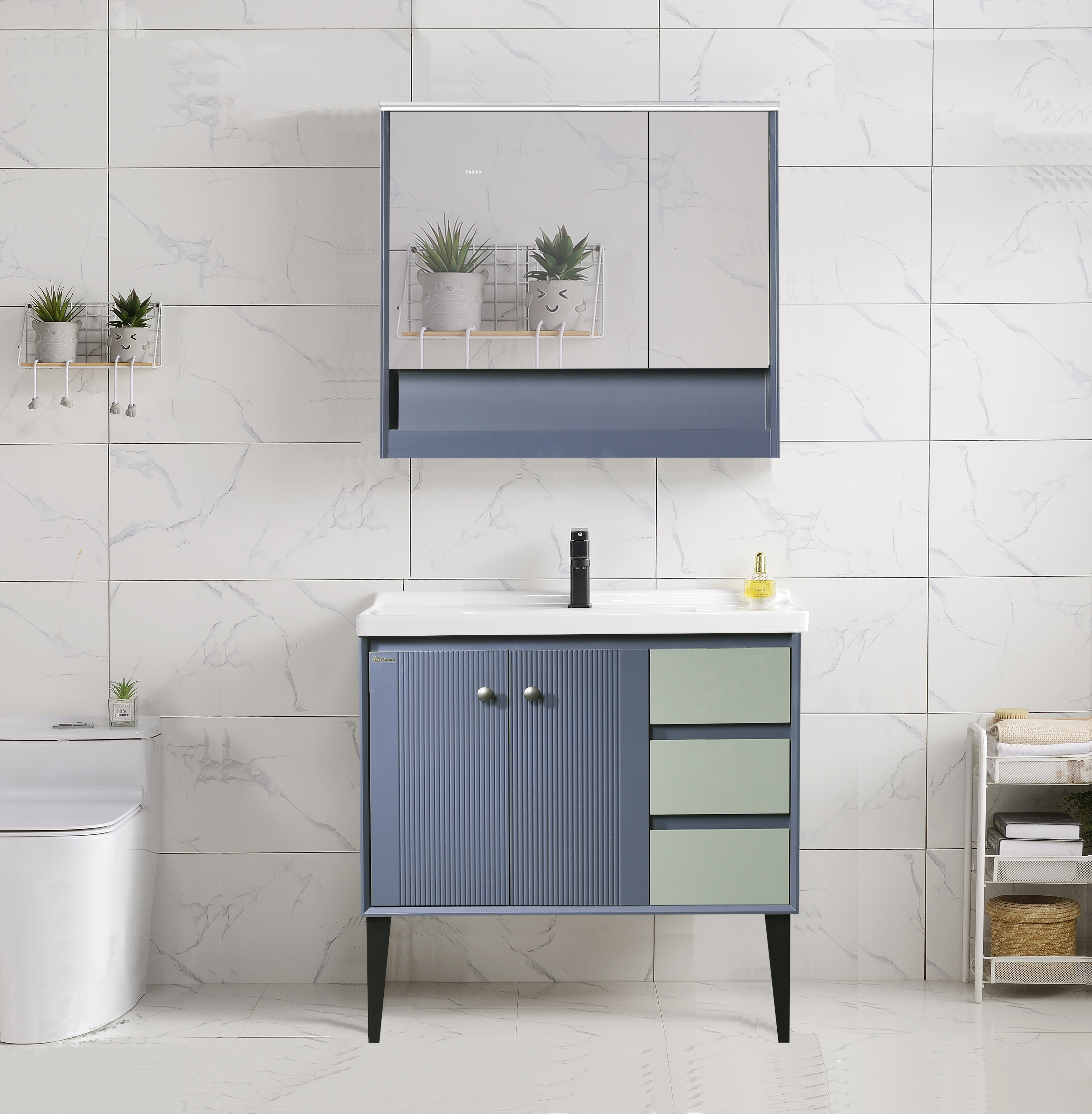

Once your paint-ready imports arrive, the value is captured in your local finishing process. An inefficient, disorganized workflow will erode any cost savings achieved through sourcing. Optimizing this final stage requires a systematic approach that prioritizes consistency, minimizes waste, and integrates quality control from start to finish. Moving away from legacy batch-and-queue methods is the first critical step toward a professional, scalable operation.
Adopting a One-Piece Flow System
Traditional batch processing is a primary source of bottlenecks in cabinet finishing. Shifting to a continuous one-piece flow system streamlines the entire operation. This lean manufacturing principle focuses on moving a single cabinet or component through the entire finishing process before starting the next. This approach has been shown to improve efficiency by 40% or more by creating a pull-based workflow that eliminates idle time and large, cumbersome batches.
- Moves single units through the finishing process instead of large, cumbersome batches.
- Reduces work-in-progress inventory and shortens overall project lead times.
- Allows for quicker identification and correction of defects at their source.
Standardizing Surface Preparation and Application
A high-quality, repeatable finish depends on standardized techniques. Every operator must follow the same defined process for surface prep and coating application to eliminate variables. This begins with a clear grit progression for sanding and leverages modern equipment for consistent material delivery. You also need to control the environment; temperature and humidity fluctuations can ruin a finish, so maintaining stable conditions is essential for predictable drying and curing cycles.
- Implement a progressive sanding schedule, typically ending with 220-grit paper, to ensure a smooth substrate.
- Utilize high-volume, low-pressure (HVLP) or electrostatic spray systems for better material transfer efficiency.
- Control environmental conditions such as temperature and humidity to ensure predictable drying and curing times.
| Process Stage | Traditional Batch Method (Legacy) | Optimized One-Piece Flow (Modern) |
|---|---|---|
| Sanding & Prep | All components for a job are sanded at once, creating dust contamination and long wait times. | Each piece is sanded, cleaned, and immediately moved to priming. Defects are caught instantly. |
| Coating Application | Large spray sessions risk inconsistent coverage as operator fatigue sets in. The entire batch waits. | Continuous application with HVLP systems ensures uniform coating and immediate movement to drying. |
| Quality Control | Final inspection only. A defect found here requires the entire piece to be reworked, wasting time and materials. | Integrated checkpoints after each step. A sanding flaw is fixed before primer is ever applied. |
Integrating Dust Control and Quality Checkpoints
A professional finish is impossible in a dirty environment. Dust is the primary enemy of a smooth, high-gloss surface. Effective dust collection is not an optional expense; it is a core component of a quality finishing system and can improve final finish quality by up to 35%. Likewise, quality control cannot be an afterthought. By establishing modular workstations for specific tasks and embedding quality checks throughout the workflow, you catch defects at their source instead of discovering them during final inspection when rework is most costly.
- Install advanced dust collection systems to minimize airborne particulate contamination.
- Establish modular workstations designed for specific tasks to maintain cleanliness and organization.
- Embed quality control checks throughout the workflow, not just at the final inspection.
Conclusion
Sourcing unfinished vanities offers significant flexibility for local finishing and potential duty savings. This approach puts you in direct control of the final product quality, from material selection to the final coat of paint. It enables you to tailor bathroom furniture precisely to your market’s demands.
Finding a manufacturing partner who understands raw wood preparation and secure shipping is critical for success. We can provide material options and a refundable sample unit to help you validate quality before committing to a larger order.
Frequently Asked Questions
Where to buy unfinished bathroom vanities?
For business-to-business (B2B) and large-scale projects, unfinished vanities are typically sourced directly from overseas manufacturers or through specialized import partners, particularly those with operations in Vietnam. This route is common for contractors and builders seeking cost efficiency. For individual or smaller projects, unfinished vanities are available at major home improvement retailers, specialized online cabinet stores, and local custom cabinet shops.
Best wood for paint grade vanity?
The industry standard for a high-quality, paint-grade vanity is a hybrid construction. Solid Hard Maple or Poplar is ideal for the face frame and doors due to its durability and smooth texture. For larger panels, high-grade, moisture-resistant Medium-Density Fiberboard (MDF) is superior because it is dimensionally stable and provides a perfectly smooth, monolithic surface for painting, preventing the cracks that can appear on solid wood over time.
How to prep unfinished vanity for painting?
Proper preparation is critical, even if the unit arrives pre-sealed. First, lightly scuff sand all surfaces with 220-grit sandpaper to create a mechanical bond for the primer. Clean all dust with a tack cloth. Apply a high-adhesion, stain-blocking primer (shellac-based is excellent for bathrooms) to seal the wood and prevent moisture intrusion. Once the primer is dry, sand it smooth with 320-grit paper, clean again, and you are ready for your top coats of paint.
Importing raw wood furniture risks?
The primary risk is dimensional instability due to changes in humidity. Wood that is manufactured in a humid climate and shipped to a drier one can shrink, crack, or warp if its moisture content was not properly managed during kiln-drying. A factory-applied UV sealant helps mitigate this, but improper acclimation at the job site can still cause issues. Other risks include logistical delays, shipping damage, and ensuring consistent quality control from an overseas OEM.
Cost of unfinished vs painted vanity?
Sourcing an unfinished, paint-ready vanity directly from an import supply chain can significantly reduce landed costs, typically by 20% to 35%. This cost savings allows contractors and builders to manage finishing budgets locally, offering custom colors and finishes while maintaining competitive project pricing and controlling the final quality.
Do unfinished cabinets warp?
Yes, any raw wood cabinet is highly susceptible to warping. Wood is hygroscopic, meaning it absorbs and releases moisture from the air. Without a finish, this process can be uneven and cause the wood to twist or bow. While imported vanities often arrive with a base UV sealant to protect them during transit, it is crucial to apply a full, high-quality finish (primer and paint) to all surfaces promptly to create a complete moisture barrier and ensure long-term stability.





0 Comments