

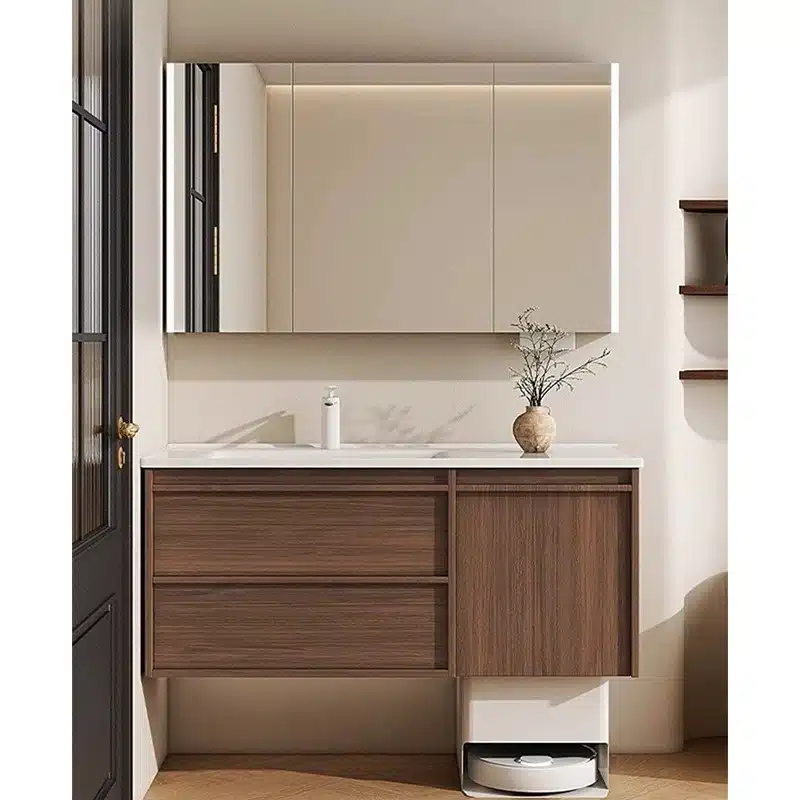
Sourcing led mirrors for global distribution requires navigating a complex web of regulatory compliance, internal component quality, and platform-specific logistics. MFBATH operates as a direct manufacturer with a 10,000㎡ facility in Henan, serving over 1,000 distributors across 20+ countries by adapting products to specific regional climates and standards. This approach ensures that every mirror meets the rigorous demands of markets ranging from humid Asia to cold North America, eliminating the guesswork that often derails international procurement.
The most critical mistakes buyers make stem from focusing on external aesthetics while ignoring internal durability. Substandard LED drivers and inadequate packaging are the primary drivers of high return rates and FBA rejections. By prioritizing verified UL/ETL certifications, branded internal components, and robust export packaging, distributors can protect their margins and build reliable supply chains that withstand the test of time and market fluctuations.
Why Most LED Mirror Sourcing Fails
Cheap mirrors fail due to substandard drivers and fake UL/ETL certificates, not poor design.
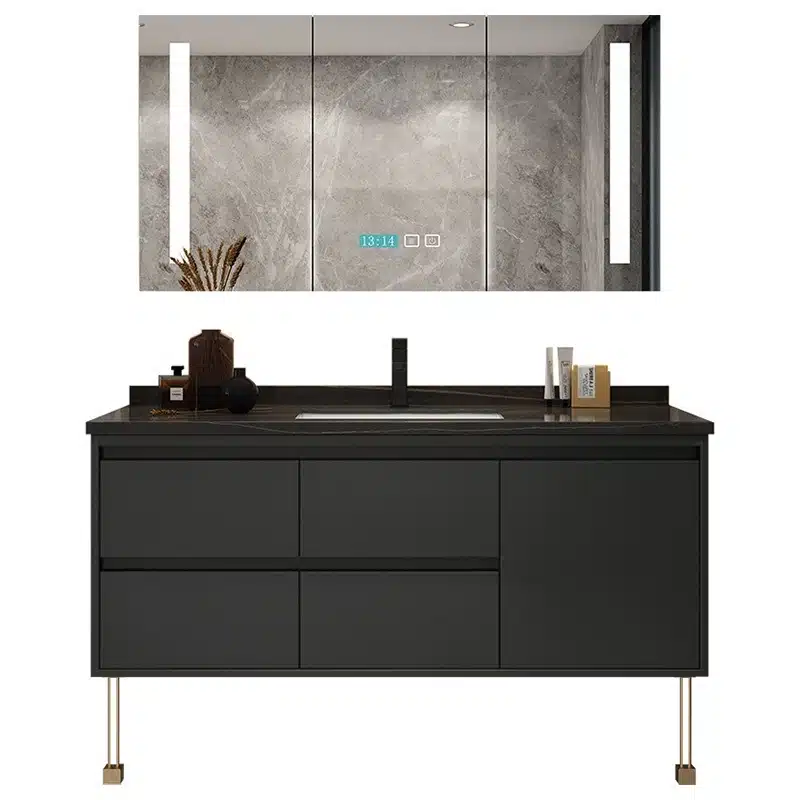
Most LED mirror sourcing failures stem from supplier incompetence rather than product flaws. Veteran importers quickly realize that a mirror’s aesthetic appeal hides fragile internal components. Cheap units priced between $50 and $80 frequently use substandard LED drivers that fail within six months. This premature failure triggers massive return rates that completely erase distributor margins.
The most dangerous pitfall is certification fraud. Many suppliers provide ‘summary PDFs’ or expired certificates to pass initial vetting. Amazon FBA and Wayfair strictly require original, valid test reports from accredited labs like SGS or Intertek. If your supplier cannot provide the full, original test report matching your specific model number, your shipment will face compliance flags and rejection at the fulfillment center.
Internal LED driver quality is the silent killer of smart mirrors. High-quality suppliers use branded, reliable drivers to prevent flickering in humid bathroom environments. Cheap suppliers cut costs here, leading to early electronic failure and customer complaints. True quality is hidden in the LED driver brand and the LED density, which must meet a minimum of 120 LEDs per meter for an even glow.
Export packaging standards are another major source of sourcing errors. Amazon FBA requires specific fragile labeling and double-wall corrugated boxes to prevent breakage during transit. Most generic suppliers fail to meet these platform-specific prep requirements, leading to FBA rejections before the product even reaches a customer. Proper packaging is baked into the standard export process for reliable suppliers, ensuring your goods arrive intact.
-
- Certification Validity: Reject suppliers offering only summary PDFs; demand full, original test reports from accredited labs like SGS or Intertek with matching model numbers.
- LED Driver Quality: Verify the driver brand to prevent flickering in humid environments. Substandard drivers in mirrors under $80 have a high failure rate within six months.
- LED Density & CRI: Ensure a minimum density of 120 LEDs/meter for even illumination and a CRI rating of 90+ for accurate color rendering.
- FBA Packaging Prep: Confirm the use of double-wall corrugated boxes and specific fragile labeling to avoid Amazon FBA rejections and transit damage.
Real Cost Breakdown of Internal Components
Cheap mirrors fail because of substandard drivers, not the glass.
The $50 to $80 LED mirror price point is a trap for veteran importers. While the aesthetic appeal is undeniable, the internal components in this range are engineered for immediate obsolescence. The visible beauty masks a fragile electrical architecture that triggers Amazon FBA rejections and destroys net margins through high return rates.
The primary point of failure is the LED driver. Budget manufacturers utilize generic, unbranded drivers to shave pennies off the BOM. These components lack the necessary capacitors to handle voltage fluctuations and humidity. In a bathroom environment, this leads to rapid flickering and complete burnout within six months. High-quality suppliers use branded drivers specifically designed to withstand high humidity without thermal degradation.
Lighting quality is another area where cheap suppliers cut corners. The industry standard for accurate color rendering requires a CRI (Color Rendering Index) rating of 90 or higher. Substandard mirrors often drop this to 75 or 80, resulting in washed-out, unnatural skin tones. Furthermore, proper LED density is critical; you must verify a minimum of 120 LEDs per meter. Anything less results in a ‘dotted’ light effect rather than a smooth, professional ambient glow.
-
- Driver Longevity: Cheap units use generic drivers that fail in under 6 months due to humidity. Branded drivers prevent flickering and extend lifespan to 30,000-50,000 hours.
- LED Density: Industry standard requires 120+ LEDs per meter. Lower density causes uneven, dotted lighting that looks cheap to end-users.
- Color Accuracy (CRI): Required CRI is 90+. Budget mirrors often use 75-80 CRI, causing poor color rendering that increases return rates in beauty-focused markets.
- Hidden Fragility: Visible aesthetics mask internal fragility. Without verifying the driver brand and internal wiring gauge, you risk receiving a product that looks premium but fails immediately upon use.
| Component | Specification | Advantage |
|---|---|---|
| LED Driver | Branded, Humidity-Resistant | Prevents flickering and premature failure in high-humidity environments |
| LED Density | 120+ LEDs per meter | Ensures even, professional-grade illumination without hotspots |
| Color Rendering | CRI 90+ Rating | Delivers accurate color representation for grooming and design accuracy |
| Certification | Full UL/ETL Test Reports | Guarantees compliance for Amazon FBA and avoids customs/compliance flags |
| Export Packaging | Double-Wall Corrugated + Foam | Minimizes breakage risk and ensures high FBA acceptance rates |
UL vs CE Certified LED Mirrors: Which is Better?
UL/ETL is mandatory for US market entry and insurance coverage; CE is a legal declaration for Europe.
Choosing between UL/ETL and CE certified LED mirrors isn’t about which is technically superior—it depends entirely on your target market’s legal and insurance requirements. For North American buyers, UL or ETL certification is non-negotiable for Amazon FBA acceptance and commercial liability protection. European buyers require CE compliance, focusing heavily on low formaldehyde emissions and waste disposal regulations.
Many suppliers attempt to bridge both markets with a generic ‘global’ certificate, which is a major red flag. A CE mark does not validate electrical safety for the US, and a UL mark doesn’t satisfy EU environmental directives. You need region-specific test reports from accredited labs like SGS or Intertek that match your exact model numbers to pass customs and platform audits.
-
- North America (UL/ETL): Verifies electrical safety against strict fire and shock hazards. Mandatory for Amazon FBA inbound shipments and required by US commercial building codes for hotel projects.
- Europe (CE Mark): Confirms adherence to RoHS and WEEE directives. Focuses on chemical safety (E1 grade formaldehyde) and recyclability rather than just electrical load testing.
- Documentation Verification: Reject ‘summary PDFs’ from suppliers. Demand the full, original test report containing the specific SKU barcode and the lab’s accreditation stamp.
How to Source LED Mirrors Without Getting Scammed
Verify UL/ETL original reports, driver brand, and export packaging to prevent FBA rejection and returns.
Sourcing smart LED mirrors is a minefield of hidden defects and compliance gaps. Most failures stem from supplier incompetence rather than product design. The visible aesthetics of a mirror often mask internal fragility, specifically regarding the LED driver and the density of the light strips.
To source LED mirrors without getting scammed, you must demand physical samples before committing to bulk orders. Do not rely solely on digital renders or video calls. Physical samples allow you to verify the build quality, test the anti-fog functionality, and inspect the internal components that dictate long-term reliability.
-
-
- Driver Quality: Cheap mirrors under $80 often use unbranded drivers that fail within six months. High-quality suppliers use branded drivers to prevent flickering in humid environments. Verify the driver brand and ensure it matches the UL/ETL certification.
- LED Density: The industry standard for even glow is a minimum of 120 LEDs per meter. Lower densities result in visible hotspots and uneven lighting, which leads to customer complaints and high return rates on platforms like Amazon.
- CRI Rating: You must require a Color Rendering Index (CRI) of 90 or higher. This ensures accurate color representation for grooming. Lower CRI ratings distort skin tones and reduce the perceived value of the product.
-
Certification fraud is rampant in the industry. Suppliers often provide summary PDFs or expired certificates to pass initial vetting. Always request the full, original test report from accredited labs like SGS or Intertek. Ensure the model number on the report matches the physical sample exactly.
Custom packaging verification is non-negotiable for OEM orders. Your brand identity must be reflected in the unboxing experience. Verify that the supplier can print your logo on the mirrors and cabinets, and that the packaging aligns with your brand guidelines. This step is critical for brand retention and customer trust.
OEM capability verification requires a deep dive into the supplier’s manufacturing flexibility. Look for partners who offer over 40,000 customization combinations, including Pantone color matching and branded hardware. A low MOQ of 10 to 20 units allows you to test the market risk-free before scaling up.
-
- Export Packaging: Amazon FBA requires specific fragile labeling and double-wall corrugated boxes. Most suppliers fail this, leading to FBA rejections. Ensure your partner uses double-wall boxes with foam corners to prevent breakage during transit.
- Fragile Labeling: Proper labeling is essential for handling. Verify that the supplier includes all necessary FBA compliance stickers and fragile warnings on the outer packaging to ensure smooth acceptance at fulfillment centers.
- Foam Protection: Mirrors are highly susceptible to impact damage. High-quality suppliers use custom-cut foam corners and internal dividers to secure the glass. This prevents cracks and scratches that occur during long-haul shipping.
Preventing breakage during transit is a matter of engineering, not luck. The standard for LED mirror export packaging is double-wall corrugated boxes reinforced with foam corners. This setup absorbs shock and protects the glass from impact. Suppliers who cut costs on packaging will inevitably cause high damage rates, eroding your margins.
The typical LED lifespan is 30,000 to 50,000 hours, but this is only achievable with proper heat dissipation and quality components. Poor heat dissipation leads to reduced lifespan and premature failure. Ensure your supplier designs the mirror housing to allow adequate airflow around the driver and LED strips.
A standard warranty expectation is 2 to 3 years with a documented claims process. This is your safety net against defective units. A reliable supplier will have a clear process for handling warranty claims, ensuring you are not left with dead stock and unhappy customers.
Conclusion
Sourcing led mirrors requires looking past the glass to verify the driver brand, LED density, and full UL/ETL test reports. Ignoring these internal components guarantees high return rates and FBA rejections.
Frequently Asked Questions
What are the common problems with LED mirrors?
Most failures stem from substandard LED drivers that burn out quickly or flicker, causing high return rates. You must verify the driver brand and ensure the unit holds valid UL/ETL or CE certification. Verify driver quality and certification before placing bulk orders.
What are the pros and cons of smart mirrors?
Smart mirrors offer premium features like anti-fog and Bluetooth but carry higher upfront costs and complex electrical requirements. They require reliable power sources and proper regional compliance to avoid safety liabilities. Weigh the premium features against installation complexity and cost.
What are the pros and cons of LED mirrors?
LED mirrors provide superior, shadow-free lighting and energy efficiency compared to traditional bulbs. However, they depend on internal electronics that can fail if not built with high-density components and robust drivers. Prioritize high-density LEDs and quality drivers for longevity.
What are the common failures of LED lights?
Common failures include driver overheating, moisture ingress in humid bathrooms, and premature LED degradation. These issues are often caused by poor sealing and low-quality internal components rather than the LED chips themselves. Check sealing quality and driver specs to prevent early failure.
Why avoid mirrors at 3AM?
This is a psychological myth with no basis in product sourcing or manufacturing quality. Focus instead on verifying technical specifications and supplier reliability to ensure product performance. Focus on technical specs and supplier reliability instead.


0 Comments