


A quiet bathroom vanity is often the difference between a 5-star review and a late-night noise complaint that directly impacts guest satisfaction scores. Slamming cabinet doors and drawers are not minor annoyances; they are acoustic failures that frequently appear in negative feedback, eroding a property’s reputation one stay at a time. For hotel operators and project specifiers, overlooking the decibel level of casegoods is a significant risk that affects repeat bookings and the bottom line.
This guide provides the technical data needed to engineer acoustic integrity into your hospitality projects. We will analyze the objective standards for soft-close hinge and slide speeds, compare the sound-dampening properties of felt and cork bumpers, and test the decibel levels of leading hardware from Hettich and Blum. We also detail methods for isolating shared walls and preventing plumbing noise like “water hammer,” creating a clear operational playbook for specifying quiet, high-performance bathroom furniture.
How Does Noise Impact Scores?
Noise levels as low as 55–60 dB directly interfere with concentration and elevate stress, measurably reducing cognitive performance and accuracy in workplace environments.
Effects on Performance and Cognitive Function
Once background noise exceeds the 55–60 decibel (dB) threshold, it begins to impair concentration and raise stress levels during mentally demanding tasks. Research confirms that even noise levels well below regulatory limits can lower work performance, accuracy, and motivation. Continuous noise at 70 dB increases mental workload and fatigue, and exposure above 85 dB is directly linked to reduced cognitive function and memory.
- When background noise surpasses 55–60 dB, it degrades concentration and can amplify stress during complex work.
- Workplace noise over 85 dB is proven to reduce cognitive function, memory, and overall employee well-being.
- Even at a moderate 70 dB, persistent noise increases mental fatigue.
- Studies show that employees in high-noise environments, even when below legal limits, consistently underperform compared to peers in quieter settings.
Optimal Decibel Ranges for Productivity
The ideal background noise level for focused office work is between 40 and 55 dB. Empirical data points to 50 dB as the optimal level, which provides enough ambient sound to mask minor distractions like distant conversations without becoming a disruption itself. This range helps avoid the pitfalls of complete silence, which can make small noises more jarring.
- The most effective ambient noise level for office productivity falls within the 40 to 55 dB range.
- Multiple studies identify 50 dB as the sweet spot for maintaining focus, as it is audible enough to mask disruptions but not loud enough to create them.
What Is the Closing Speed Standard?
The industry forgoes a universal speed standard, focusing instead on integrated systems where hydraulic dampers, acoustic seals, and door weight are balanced to meet performance and accessibility requirements.
There is no single, universal closing speed standard for soundproof doors. Performance relies on the complete soft-closing mechanism, which is engineered as a system. The goal isn’t a specific velocity, but a controlled closure that ensures the door shuts quietly and fully compresses its acoustic seals without slamming. This approach provides consistent, reliable soundproofing tailored to each specific installation.

The Role of Hydraulic Dampers in Soundproofing
Hydraulic dampers are the core component for managing door velocity. They are designed to engage during the final 20 degrees of closure, absorbing impact and eliminating noise. In tested environments, these dampers manage velocity within a tight range, such as 0.97–1.03 m/s, to guarantee a soft landing. This controlled final stage is critical for achieving predictable acoustic performance every time the door is used.
| Parameter | Technical Requirement | Impact on Soundproofing |
|---|---|---|
| Hydraulic Damper Control | Regulates velocity in the final ~20° of closure to absorb impact energy. | Prevents slamming noise and ensures consistent, full compression of acoustic seals. |
| Accessibility Compliance (ADA) | Mandates an opening force of less than 5 pounds for commercial doors. | Forces a balance between low opening effort and sufficient closing force to seal properly. |
| Seal & Weight Integration | Closing force must be strong enough to overcome seal stiffness and door weight. | Creates an airtight closure by tailoring the mechanism to the specific door assembly. |
Accessibility and Force Requirements (ADA Compliance)
In commercial settings, closing mechanisms must also meet accessibility standards like the Americans with Disabilities Act (ADA). This adds a layer of complexity, as the system must provide enough force to seal properly but remain easy to open. The ADA mandates an opening force of less than 5 pounds, a requirement that directly influences the design and specification of hinges and dampers. The final system must balance this low opening force with enough closing force to engage and compress the acoustic seals effectively.
Interaction with Acoustic Seals and Door Weight
Effective soundproofing is achieved by tailoring the closing mechanism to the specific door’s weight and the stiffness of its acoustic seals. The closing force must be adequate to fully compress these sound-dampening seals, creating an airtight barrier. Engineers consider factors like hinge inclination, door mass, and seal material to optimize the system’s performance. This customized approach ensures that the mechanical controls and sealing techniques work together, which is why solutions are specified per project rather than adhering to a single speed rule.
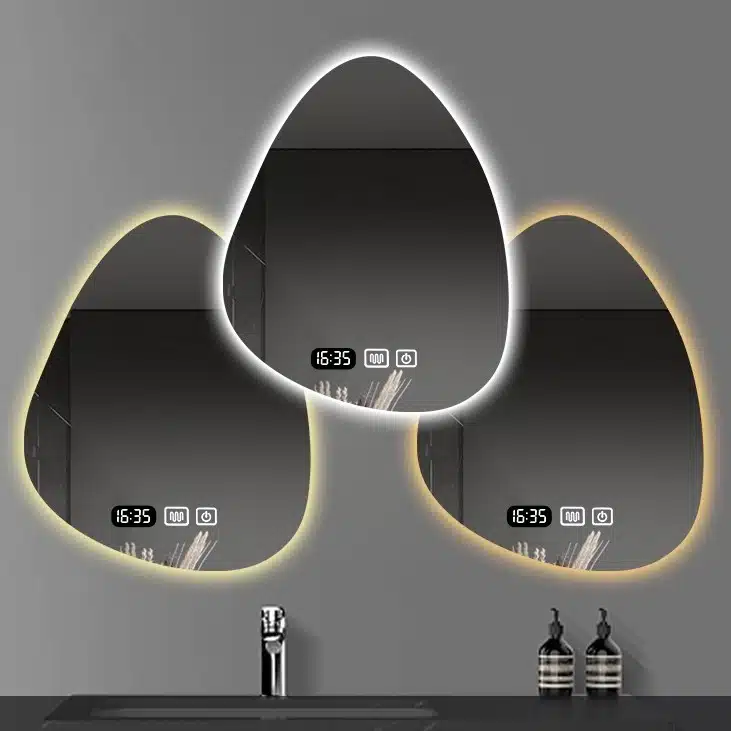
Boost Your Profits with Factory-Direct Mirrors
Felt vs. Cork: Which Is Quieter?
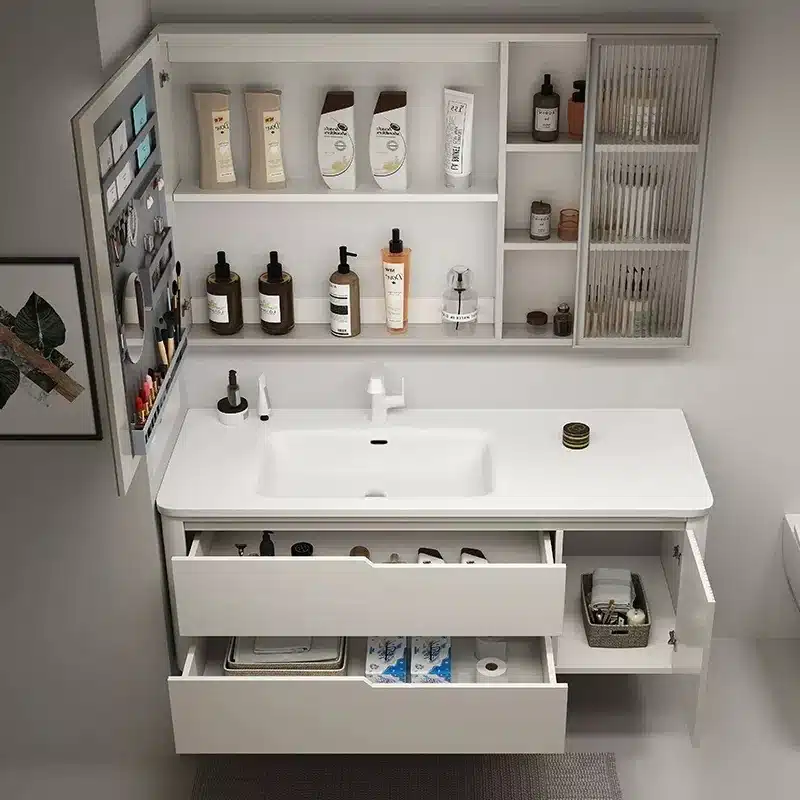
For dampening the sharp impact noise of cabinet doors and drawers, felt is the superior material due to its fibrous structure, whereas cork requires impractical thickness to achieve comparable results.
Sound Absorption Performance
Felt generally absorbs impact noise and mid-to-high frequencies more effectively than cork. Its performance stems from its fibrous construction, where individual fibers vibrate to convert sound energy into heat. This makes it ideal for dampening the specific sounds of voices or closing doors. Cork’s performance is highly dependent on its thickness. While its 40 million air-filled cells per cubic centimeter do absorb sound, it requires at least half an inch of material to achieve meaningful sound reduction in most applications.
- Felt’s fibers are optimized to convert sound energy from impacts into heat.
- Cork’s effectiveness increases with thickness, making thin bumpers ineffective for significant noise control.
- Neither material is effective at blocking low-frequency sounds like HVAC hums without additional mass or decoupling methods.
Application and Durability
For direct impact points like cabinet bumpers, felt provides superior softness and quieting. Its ability to cushion the final point of contact makes it the better choice for dampening the sharp sound of a closing cabinet door or drawer. Both materials are durable, but felt offers greater design flexibility. It maintains near-permanent resilience and is available in over 40 colors that can be laser-cut into custom shapes. Cork is also durable and maintains its elasticity, but it offers a more limited, natural aesthetic and is less effective for direct impact noise.
How to Prevent “Water Hammer”?
Preventing water hammer requires a combination of installing specialized shock-absorbing devices and making system-level adjustments to manage water pressure and secure pipes.
Install Protective Devices and Select Proper Valves
The most direct way to stop water hammer is by installing hardware designed to absorb the sudden pressure shocks that cause the noise. Devices like arrestors act as cushions, while choosing the right type of valve ensures water flow can be shut off gradually instead of abruptly. This combination tackles both the symptom and a primary cause of the pressure surge.
- Install water hammer arrestors near valves and appliances to act as shock absorbers for sudden pressure spikes.
- Use air chambers or expansion tanks, which contain a cushion of air, to absorb shock waves in the system.
- Avoid quick-closing ball or butterfly valves; opt for globe or gate valves that allow for gradual flow control.
- Replace modern, instant-shutoff mixer taps with soft-close alternatives to prevent abrupt stops in water flow.
Adjust System Pressure and Secure Pipes
Managing the entire plumbing system can address the root cause of water hammer. This involves reducing the overall water pressure to a safe, manageable level and ensuring all pipes are securely fastened. Loose pipes amplify the problem by vibrating violently against walls and framing, which creates additional noise and risks structural damage.
- Use a pressure-reducing valve to keep household water pressure within the optimal range of 40-60 psi.
- Maintain water flow velocity at or below 5 feet per second to reduce the risk of pressure surges.
- Secure loose pipes with straps to stop them from vibrating against walls and structural components.
- Incorporate elbows and loops into piping designs to force fluid to slow down as it navigates turns.
How to Isolate from Shared Walls?
The most effective approach combines three strategies: adding mass to block airborne sound, decoupling the new structure to stop vibrations, and absorbing sound within the new wall cavity.
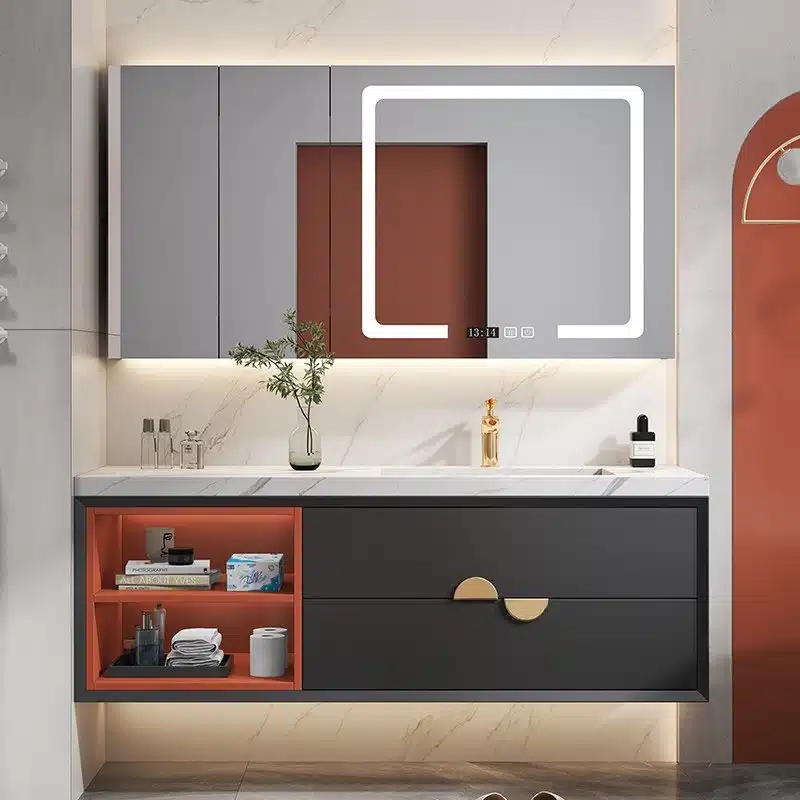
Core Soundproofing Techniques
To properly isolate a shared wall, you need a system that addresses multiple types of sound transmission. Simply adding more drywall is a common mistake that yields minimal results. A professional strategy integrates mass, decoupling, and absorption to create a comprehensive sound barrier.
- Increase Wall Mass: Use dense materials like 5/8″ drywall or mass-loaded vinyl to block sound energy. Layering different types of mass is more effective than adding more of the same material, as each one blocks different sound frequencies.
- Decouple the Structure: Create a physical break that stops vibrations from traveling through the shared structure. This is best achieved using isolation clips with hat channels or by building an independent stud frame that doesn’t touch the existing wall.
- Absorb Sound in the Cavity: Fill the space between the old and new wall layers with acoustic insulation. This step absorbs airborne sounds and reduces reverberation within the wall cavity, further dampening noise.
Installation Steps for Existing Walls
Proper installation is critical. Small air gaps can compromise the performance of the entire system, so sealing the wall correctly and layering materials in the right order is essential for creating an effective barrier.
- Start by sealing all existing gaps and cracks in the original wall with acoustical sealant, paying close attention to outlets, light switches, and the wall’s perimeter.
- Layer 5/8″ drywall sheets with a damping compound like Green Glue applied between them. This compound converts sound energy into heat, dissipating it before it can pass through.
- For maximum isolation, build an independent frame or use an isolation clip and hat channel system. This ensures the new layers of drywall never make direct contact with the shared wall, which is the most common point of failure for sound transmission.
How to Test Decibel Levels?
Reliable decibel testing requires calibrated, professional-grade sound level meters using A-weighting to accurately measure noise as the human ear perceives it.
Selecting the Right Measurement Tools
To get accurate noise tests, you need the correct equipment. For compliance-critical applications like legal or environmental assessments, only a professional sound level meter will do. Simpler tools like specialized smartphone apps can provide useful preliminary data for general assessments, but they lack the certification for official reporting. The choice depends entirely on the required precision and purpose of the measurement.
| Tool Type | Typical Application | Governing Standard |
|---|---|---|
| Class 1 Sound Level Meter | Precision environmental impact assessments, legal compliance, and laboratory testing. | IEC 61672-1, ANSI S1.4 |
| Class 2 Sound Level Meter | General occupational noise surveys, product testing, and initial site assessments. | IEC 61672-1, ANSI S1.4 |
| Smartphone Application | Preliminary screening, non-critical spot checks, and general awareness. | Varies; often uncertified. |
- Use a Class 1 sound level meter for precision environmental or legal compliance testing, adhering to IEC 61672-1 and ANSI S1.4 standards.
- Choose a Class 2 meter for general occupational noise surveys and product testing.
- Ensure any measurement device, including smartphone apps, has up-to-date calibration to guarantee accuracy.
Configuring Measurement Settings
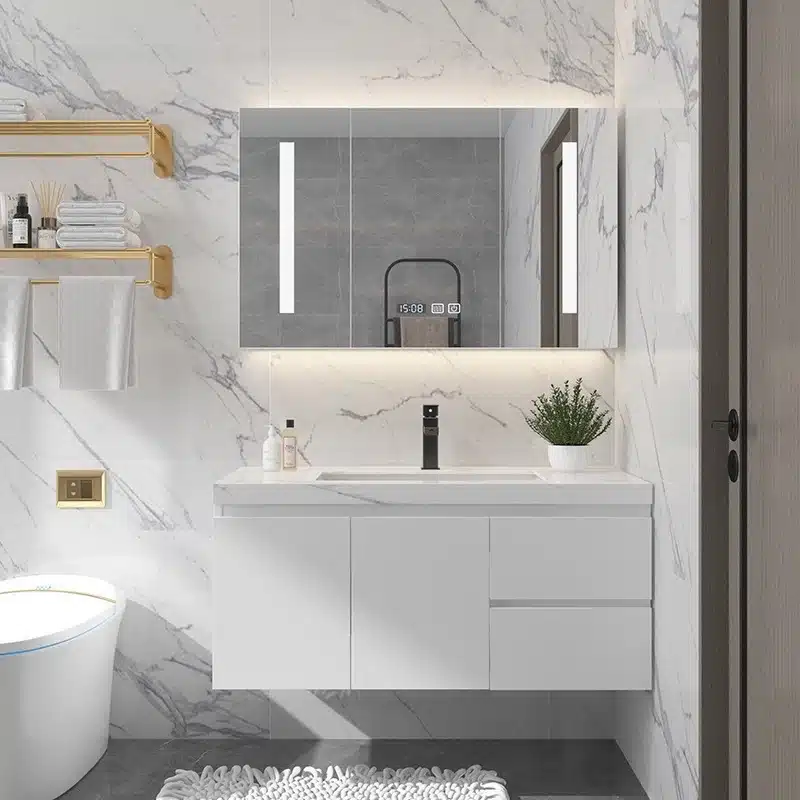
Setting up your device correctly is critical for capturing useful data. The primary settings are frequency weighting, which adjusts the measurement to mimic human hearing, and time weighting, which controls how the meter responds to sound fluctuations. Incorrect settings will produce invalid or misleading results.
- Set the meter to ‘A-weighting’ (dBA) to measure sound as the human ear perceives it, which is the standard for workplace safety and environmental noise.
- Use ‘C-weighting’ (dBC) if you need to measure the peak impact of low-frequency noises.
- Select a ‘Fast’ response time to capture rapid noise peaks or ‘Slow’ for a more stable average reading of ambient noise.
Following Standardized Procedures
A consistent testing method ensures that your results are repeatable and comparable to industry benchmarks. This involves positioning the microphone correctly, accounting for background noise, and taking multiple readings to establish a reliable average. Deviating from a standard procedure makes it difficult to compare data over time or against other tests.
- Position the microphone at a standard distance from the noise source, typically at the operator’s ear level, and away from reflective surfaces.
- Take an initial reading of the ambient background noise with the sound source turned off.
- Record measurements during operation, ensuring you capture data that reflects a typical usage cycle.
Hettich vs. Blum: Which Is Better?
The choice between Blum and Hettich is a direct trade-off between project priorities: Blum leads with patented ergonomic innovations for premium applications, while Hettich delivers robust, cost-effective performance for high-volume use.
Blum: The Premium Standard for Innovation
Blum is positioned as the luxury hardware option, recognized for superior ergonomics and patented technology that set the industry benchmark. The brand invests heavily in R&D, resulting in systems like BLUMOTION soft-close, SERVO-DRIVE electric opening mechanisms, and AVENTOS lift systems. These features are engineered for high-frequency use and exceptional user comfort, making them the standard for high-end residential and commercial projects. This commitment to innovation and brand prestige comes with a significantly higher price, positioning Blum as a premium investment where performance and advanced features are the primary decision drivers.
Hettich: The Practical Choice for Performance and Value
Hettich offers the industry’s best price-to-performance ratio. The company focuses on robust precision engineering to create dependable, smooth-operating hardware for core fittings like drawers and hinges. Its systems are tested for reliability and heavy use, making Hettich a workhorse brand for commercial environments or any project demanding durability. While its Silent System soft-close mechanism is excellent, Blum’s is often viewed as the market leader. Hettich represents a practical, cost-effective choice for achieving long-lasting quality results without the premium investment required for Blum.
| Decision Factor | Blum | Hettich |
|---|---|---|
| Market Position | Premium / Luxury | Price-to-Performance Leader |
| Core Technology | Patented systems (BLUMOTION, SERVO-DRIVE) | Precision-engineered mechanics (Silent System) |
| Ideal Application | High-end projects prioritizing user experience | Projects demanding durability and value |
| Cost | Significantly higher investment | Cost-effective and accessible |
Deciding Factors: Budget vs. Advanced Features
The right choice is not about which brand is objectively superior but which one aligns with specific project goals. The decision is a clear trade-off between accessible quality and cutting-edge features. As a flexible manufacturer, we offer both standard high-quality hardware and premium upgrades like Blum to meet your exact budget and performance targets.
- Select Blum if your budget supports a premium investment and your end-users will benefit from the latest ergonomic innovations.
- Select Hettich if you need reliable, long-lasting hardware that delivers excellent performance at a more accessible price point for large-scale or budget-driven projects.
Conclusion
Acoustic control is no longer a luxury in hospitality design; it’s a key factor in guest satisfaction and positive reviews. Choosing the right soft-close hardware and cabinet materials is a practical step toward creating a peaceful and premium guest experience. These details show a commitment to quality that guests notice.
When specifying vanities for your next project, consider the acoustic performance of your hardware and materials. Contact our team to request a sample or discuss how we can engineer a solution that meets your specific sound-dampening and budgetary requirements.
Frequently Asked Questions
Best soft close hinges for hotels?
For high-traffic hotel environments, the best soft-close hinges are integrated systems from top-tier manufacturers known for durability and cycle life. Brands like Blum (CLIP top BLUMOTION) and Hettich (Sensys) are industry standards. These systems have the dampening mechanism built directly into the hinge, providing consistent, quiet closing over hundreds of thousands of cycles. Opt for models with corrosion resistance for bathroom vanities and ensure they are tested to meet or exceed commercial-grade specifications.
How to reduce bathroom noise in hotels?
Reducing hotel bathroom noise requires a multi-faceted approach. First, address plumbing noise by using cast iron drain pipes instead of PVC and insulating all pipes with acoustic wrap. Second, specify ultra-quiet ventilation fans with a rating of 1.0 sones or less. Finally, enhance structural soundproofing by using solid-core doors with acoustic seals, and constructing walls with double-layer drywall and interior acoustic insulation like mineral wool.
Soundproofing bathroom cabinets?
Soundproofing bathroom cabinets focuses on controlling impact noise. The most effective method is to use high-quality soft-close hinges and drawer slides. Additionally, constructing the cabinet box from dense materials like MDF or HDF absorbs more sound than plywood. Ensuring the cabinet has a solid, full-size back panel and is securely mounted to the wall also prevents vibration and rattling, contributing to a quieter experience.
Quiet closing drawers?
The key to quiet-closing drawers is the slide hardware. For premium, near-silent operation, undermount drawer slides with integrated fluid dampening are the best solution. Systems like Blum’s MOVENTO or Hettich’s Actro 5D provide exceptionally smooth and quiet closing. These slides support the drawer from below, are more stable, and offer a more sophisticated motion compared to traditional side-mount slides, making them ideal for luxury applications.
Blum vs Hettich for commercial?
Both Blum and Hettich are premier German manufacturers considered top-of-the-line for commercial projects. Blum is often recognized for its market-leading innovation and precision engineering, particularly with its BLUMOTION soft-close systems. Hettich is equally respected for its robust, durable hardware and often provides comparable or superior performance in specific applications. For commercial use, the choice is not about which is “better,” but which supplier has the better support, availability, and specific product line that best fits the project’s budget and technical requirements. Both are excellent, reliable choices.
Acoustic standards for hotels?
Acoustic standards for hotels are primarily defined by Sound Transmission Class (STC) ratings. For guest comfort, a minimum STC rating of 50 is the standard for walls between guestrooms, with luxury brands often requiring STC 55 or higher. The wall between a guestroom and a public corridor should also meet at least STC 50-55. For floors and ceilings, an STC and Impact Insulation Class (IIC) rating of 50 or more is required to block both airborne sound and footfall noise.





0 Comments