

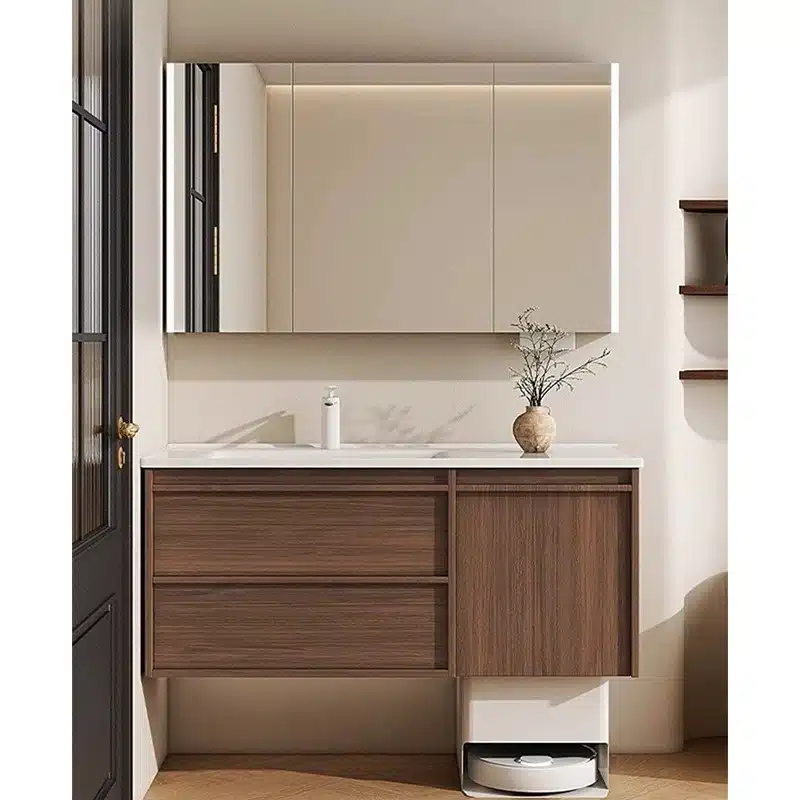
Successfully manufacturing the Farmhouse/Rustic Style is the line between achieving high-margin sales and suffering from costly batch rejections due to inconsistent finishes. Consumer demand for an authentic, “reclaimed” look creates significant pressure on production lines, where improper distressing techniques or material choices can quickly lead to high return rates and damage a supplier’s reputation.
This guide provides a factory-level breakdown of the essential manufacturing steps. We will cover the specific processes for achieving a distressed texture, the mechanical requirements for installing barn door hardware, and the sink compatibility standards for apron front and vessel models. It serves as a technical brief on wood species selection, cost analysis for hand-finishing, and the logistics of packaging these heavy, high-value units for shipment.
The Enduring Appeal of Modern Farmhouse?
By 2026, the modern farmhouse aesthetic has matured beyond its all-white origins, now prioritizing moody color palettes, mixed materials, and unique vintage pieces for a more personalized and authentic feel.
Shifting from Stark Whites to Moody Palettes
The modern farmhouse interior of 2026 has moved past its classic all-white phase. The market now embraces deeper, more atmospheric colors that create spaces with warmth and sophistication. Designers are specifying moody palettes with deep greens, navy blues, and rich terracotta tones. This evolution adds a layer of genuine character, breaking from the once-homogeneous look of the style.
Blending Materials for Authentic Texture
The style’s development also emphasizes a rich mix of materials. This approach shifts away from a uniform appearance toward an aesthetic that feels curated, texturally diverse, and genuinely lived-in. Successful modern farmhouse interiors now feature smart combinations of marble, concrete, leather, and linen. Mixing these different textures enhances the authentic, comfortable feel that defines the design’s appeal.
Prioritizing Vintage Finds and Sustainable Choices
There is a growing focus on integrating one-of-a-kind vintage pieces and sustainable materials. This reflects a clear consumer demand for both authenticity and environmental consciousness. Sourcing and incorporating vintage items adds a unique history and personality to each space. The trend is part of a broader movement away from mass-produced decor and toward more thoughtful, lasting consumption.
A Style That’s Maturing, Not Fading
Instead of declining in popularity, the modern farmhouse look is evolving into a more refined and personal aesthetic. It effectively balances rustic charm with the practical comforts of contemporary functionality. The market emphasis has shifted to craftsmanship, warmth, and personalization over cookie-cutter designs. This mature style continues to meet strong consumer demand for spaces that feel both authentic and modern.
Achieving the “Distressed” Look (Factory Process)
Modern distressing techniques have moved from risky manual abrasion to precise, repeatable, and sustainable methods like laser and ozone finishing, driven by safety standards and market demand for eco-friendly products.
Manual and Mechanical Abrasion
Historically, simulating natural wear relied on direct physical abrasion. These factory methods produce authentic, worn-in textures, but they are under increasing scrutiny for their impact on worker safety and the environment. The process is labor-intensive and lacks the consistency required for large-scale, uniform production runs.
- Sanding: Workers manually target specific areas on a vanity or cabinet to create fades and wear patterns, mimicking years of use.
- Stone Washing: Materials are tumbled with abrasive stones in large industrial washers to achieve an all-over, softened, and faded finish.
- Sandblasting: This once-common practice has been discontinued by responsible manufacturers due to severe health risks for workers.
| Distressing Method | Key Process & Outcome | Scalability & Safety |
|---|---|---|
| Traditional Abrasion | Manual sanding and stone washing to physically wear down surfaces. Creates an authentic but inconsistent finish. | Low scalability; results vary by operator. Poses significant worker health risks and has high water consumption. |
| Modern Automated | Computerized lasers etch patterns and ozone gas bleaches surfaces. Delivers precise, detailed, and replicable designs. | High scalability with perfect consistency. Eliminates hazardous chemicals and dramatically reduces water usage. |
Laser and Ozone Finishing
Modern manufacturing uses technology to create distressed effects with higher precision and far better sustainability. These automated processes drastically reduce the water, chemical, and energy consumption associated with older techniques, aligning production with current environmental standards.
- Laser Fading: Computer-controlled beams etch detailed wear patterns directly onto surfaces. This method offers extreme detail and consistency with zero water or chemical use.
- Ozone Washing: Ozone gas is used to bleach and fade materials, creating a worn look while minimizing water use and preventing harsh chemical runoff.
- Replication: These automated systems can perfectly replicate a specific design across thousands of units, ensuring brand and product consistency.
Sustainable Chemical Alternatives
The industry is actively moving away from harsh chemical treatments toward safer, eco-friendly alternatives. This pivot involves using biodegradable substances that produce the desired aesthetic without the associated environmental damage, responding directly to market demand for responsibly made products.
- Engineered Enzymes: These biodegradable agents break down dyes in a controlled manner, offering a gentler and more precise fading process than traditional chlorine bleaching.
- Reduced Wastewater: This biological approach significantly cuts the volume of chemical-laden wastewater that factories must treat and discharge.
- Market Alignment: Adopting these alternatives shows a commitment to sustainable practices, which is becoming a key differentiator for B2B buyers and end consumers.
Boost Sales with Durable, Customizable Vanities

Hardware Focus: Barn Door Sliders & Tracks
The growth in barn door hardware is driven by modular, easy-to-install kits that prioritize material durability and operational safety, directly meeting market demands for space efficiency.
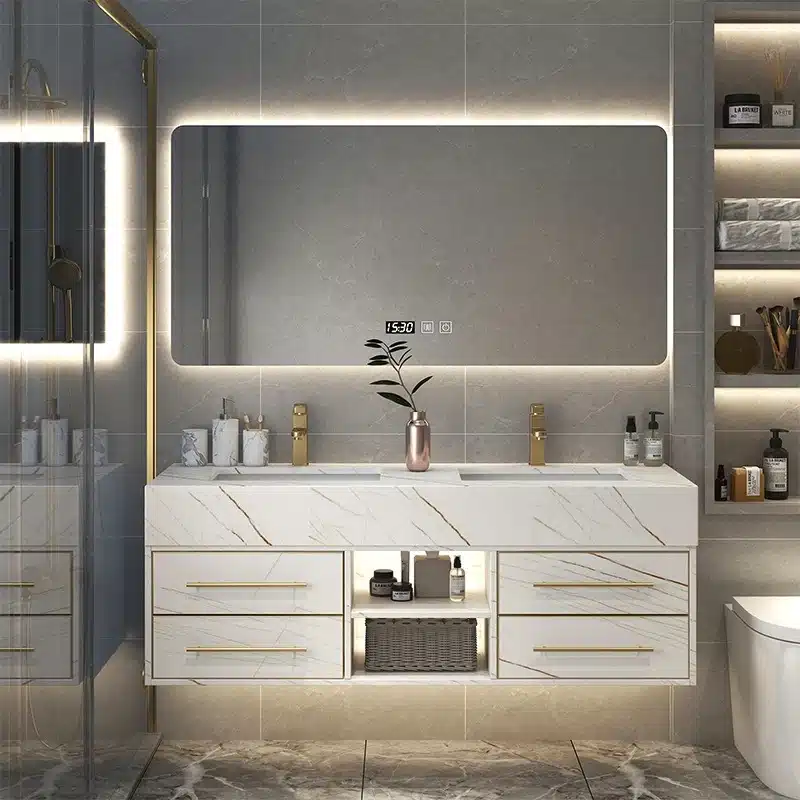
Modular Kit Systems for Easy Installation
The market for barn door hardware has shifted toward modular kits, a direct response to demand from DIY consumers and contractors needing straightforward installations. These all-in-one packages contain the track, rollers, stops, and fasteners, simplifying the procurement and setup process. This approach is especially effective for urban housing projects where optimizing space is a primary concern, and ease of installation reduces labor costs.
Material and Durability Trends
Material selection directly impacts the long-term performance and aesthetic of sliding door systems. Stainless steel remains a top choice for its resilience against corrosion and environmental wear, making it suitable for a wide range of applications. For projects requiring a specific look, bronze finishes provide both high durability and a distinct visual character that complements various interior styles, from rustic to industrial.
| Feature | Standard System (Budget-Tier) | Premium System (FocusCabinet Spec) |
|---|---|---|
| Material | Powder-Coated Carbon Steel | 304 Stainless Steel or Oil-Rubbed Bronze |
| Roller Mechanism | Basic Nylon Wheels | Quiet-Glide Ball-Bearing Carriers |
| Safety Components | Basic End Stops | Anti-Jump Bumpers & Soft-Close Dampers |
Features for Smooth and Safe Operation
Higher-end track systems are engineered for consistent, safe performance. Key components include ball-bearing carriers, which ensure the door glides quietly and with minimal effort. A critical safety feature is the integration of anti-jump bumpers—small blocks that prevent the door from derailing from the track during aggressive use. These mechanisms are now standard expectations in quality hardware kits.
Smart Technology Integration
The next phase of hardware evolution involves smart technology. Manufacturers are beginning to develop sensor-enabled tracks that can detect obstructions or integrate with home automation systems. This represents a clear move toward more responsive and convenient door systems for both residential and commercial spaces, adding a layer of automated safety and functionality.
Sink Compatibility: Apron Front vs. Vessel?
The choice between an apron front and a vessel sink is a structural decision, not just an aesthetic one, dictating the entire construction of the vanity base cabinet.
Installation: Cabinet vs. Countertop Requirements
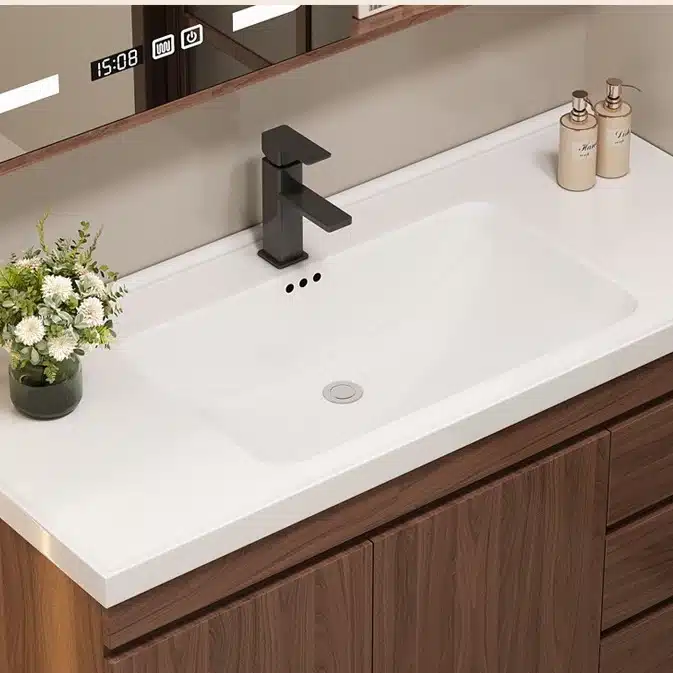
The primary compatibility difference lies in how each sink integrates with the vanity. Apron front sinks demand a specialized cabinet base with a front cutout designed to support the sink’s weight and expose its front panel. This makes the sink an integral part of the cabinetry from the start. Vessel sinks offer far more flexibility, as they sit directly on top of a standard, flat countertop, requiring only a simple drain hole. This makes them suitable for a wider range of vanity structures and simpler for retrofits.
| Attribute | Apron Front Sink | Vessel Sink |
|---|---|---|
| Cabinet Requirement | Custom base with front cutout and structural support. | Standard flat-top cabinet; no structural modification needed. |
| Countertop Integration | Replaces the front edge of the countertop. | Sits entirely on a solid countertop surface. |
| Manufacturing Specification | Cabinet must be specified for apron sink from the factory. | Requires only a pre-drilled drain hole in the countertop. |
Aesthetic Impact and Style Pairing
Each sink type creates a distinct visual statement. An apron front sink provides a grounded, seamless look that physically merges the sink with the vanity, reinforcing classic farmhouse or transitional styles. Vessel sinks operate as a sculptural focal point, adding height and an artistic flair that works well in modern, spa-like, or eclectic bathrooms. The vessel sink sits above the counter like a decorative bowl, drawing attention and often dictating the style of the faucet and other hardware. While apron sinks were traditionally rustic, the market has expanded to include materials like stainless steel and porcelain, allowing them to fit into more contemporary designs.
Ergonomics and Practical Functionality
Functionality and user comfort differ significantly. The forward-leaning design of an apron front sink brings the basin closer to the user, reducing back strain by eliminating the need to lean over a strip of countertop. They also typically feature large, deep basins ideal for containing splashes. Vessel sinks, while stylish, can introduce usability challenges. The height of the bowl requires careful pairing with a faucet to avoid splashing, and the seam where the sink base meets the countertop creates an additional area that requires diligent cleaning to prevent grime buildup.
Wood Species for Rustic Grain (Fir vs. Pine)
The choice between pine and fir is a direct trade-off: pine delivers the authentic rustic grain, while fir provides superior durability and weather resistance.
Aesthetic Qualities: Grain and Knot Characteristics
Pine is the go-to for an authentic rustic appearance. Its broad grain patterns and prominent knots create a warm, cabin-like feel that defines the farmhouse style. In contrast, fir offers a more uniform and refined look. Its grain is finer and longer, resulting in a cleaner, more upscale presentation that lacks the distinct, random character of pine.
- Pine features wide grain patterns and heavy knots, perfect for farmhouse and cottage designs.
- Fir has a consistent, narrow grain, giving it a cleaner, more polished appearance.
- Pine’s color variation from golden to deep amber amplifies its warm, rustic appeal.
Performance and Durability
From a performance standpoint, fir is the more robust option. It has natural weather resistance, resists warping, and can even recover its shape after moisture exposure. Pine, while more affordable, is susceptible to permanent swelling from moisture and requires treatment for any outdoor use to prevent rot. While yellow pine is technically harder on the Janka scale than Douglas fir, fir’s even grain is often easier for carpenters to machine consistently.
- Fir offers superior natural resistance to weather and water compared to untreated pine.
- Pine swells permanently when exposed to moisture, but fir can return to its original form.
- The even grain of fir often makes it more workable for manufacturing, despite yellow pine’s slightly higher hardness rating.
Application-Specific Recommendations
Your choice should be dictated by the project’s priorities. If the primary goal is achieving a genuine rustic visual for an indoor vanity or decor, pine is the classic and most effective material. For any outdoor structures, or for vanities in high-moisture commercial environments where durability is critical, fir is the more practical and reliable choice.
- Use pine for indoor furniture and vanities where a strong rustic aesthetic is the main objective.
- Select fir for outdoor applications or high-humidity areas where performance is non-negotiable.
- Choosing fir means sacrificing some of the distinctive, random grain character that truly defines a rustic look.
Cost Implications of “Hand-Finished” Textures
The premium price for hand-finished vanities is a direct result of intensive skilled labor costs and an inability to automate complex texturing, which prevents manufacturers from achieving economies of scale.
Skilled Labor as a Primary Cost Driver
Manual surface finishing, which includes detailed polishing, distressing, and grinding, is an inherently labor-intensive process. The reliance on skilled artisans is the single largest factor driving up production expenses, often doubling or tripling the cost compared to automated finishing lines. The more intricate the texture, the more time and expertise are required per unit.
- Specialized tasks like hand-polishing and applying unique textures require trained professionals, which increases wage expenses significantly.
- Direct labor costs can easily become the most substantial component of the final product’s price tag.
- The time spent on a single hand-finished unit is far greater than the time required for a machine-processed equivalent.
Challenges in Quality Control and Consistency
Achieving a perfectly uniform finish across an entire production run is a persistent operational challenge. Unlike machines that produce identical results, human artisans introduce slight variations. To manage this, manufacturers must implement rigorous, multi-stage quality control protocols, which adds both time and expense to the manufacturing cycle.
- Natural human variation means that no two hand-finished pieces are identical, demanding strict oversight to ensure they meet brand standards.
- Increased inspection points are built into the workflow to catch and correct deviations from the approved aesthetic.
- The costs associated with reworking or rejecting units that fail to meet quality benchmarks are absorbed into the final price of the accepted goods.
Automation Limits and Scalability Constraints
The complex and often random nature of artisanal finishes cannot be easily replicated by current automation technology. This fundamental constraint prevents manufacturers from leveraging economies of scale. As a result, the per-unit cost remains high, regardless of whether the production order is for twenty units or two hundred.
- Intricate designs that require a human touch fall outside the capabilities of modern production machinery.
- Without the ability to scale production efficiently, fulfilling large orders remains a costly and time-consuming endeavor.
- This lack of scalability makes it difficult for hand-finished products to compete on price alone against mass-produced alternatives.
Packaging Heavy Rustic Units?
Effective packaging for heavy rustic vanities goes beyond simple damage prevention; it must blend robust structural support with an unboxing experience that reflects the product’s artisan, eco-conscious aesthetic.
Shipping a solid wood vanity with a stone top is a logistics challenge. The sheer weight and irregular dimensions demand packaging that is engineered, not just assembled. Failing to account for the stresses of modern freight networks results in cracked countertops, splintered corners, and costly returns. The goal is to ensure the product arrives in factory condition, regardless of handling during transit.
Structural Protection for Heavy Items
Standard cardboard boxes will not work for these products. Structural integrity is the first priority, especially for e-commerce channels where packages are handled multiple times. The solution involves a multi-layered defense system designed to absorb impacts and prevent any internal movement. For distributors selling online, this often means upgrading to packaging certified to pass drop tests like the ISTA 3A standard, which significantly reduces damage rates.
- Heavy-duty materials like reinforced wood crating or multi-wall corrugated board are used to create a rigid outer shell capable of supporting the vanity’s weight.
- Internal bracing and custom-molded foam inserts lock the vanity and countertop in place, preventing shifts that can cause stress fractures or surface abrasions.
- Packaging is custom-designed for each model, ensuring a snug fit that protects vulnerable areas like legs and sink cutouts.
Aesthetic Alignment with Rustic Style
The unboxing experience is the customer’s first physical interaction with the product. A heavy, hand-finished wood vanity arriving in generic industrial plastic wrap creates a disconnect. The packaging should feel like a natural extension of the farmhouse aesthetic. It avoids a sterile, mass-produced look and instead complements the authentic, crafted nature of the item inside.
- Materials like unbleached kraft paper and raw cardboard maintain a natural, tactile feel.
- Branding is often minimalist, using simple logos and text that don’t overwhelm the rustic theme.
- Small details like branded paper tape or natural twine can replace standard plastic tape, enhancing the artisan quality of the presentation.
Eco-Friendly Material Choices
The modern farmhouse customer often values sustainability. Packaging choices reflect this market trend. Using environmentally conscious materials aligns the brand with consumer values and reinforces the product’s connection to natural wood and stone. This is not just a feature but a core part of the brand story that resonates with the target audience in 2026.
- Recycled wood pallets and crates are prioritized over new lumber.
- Biodegradable fillers, such as wood shavings or paper-based cushioning, are used instead of polystyrene foam where possible.
- These practices tie the product’s earthy feel directly to a responsible supply chain.
Custom Packaging for Brand Consistency
For wholesalers and distributors, consistent branding is critical. A source factory can offer custom packaging solutions that allow partners to maintain their own market identity. This ensures the end-user experience is seamless, from the partner’s website to the product arriving at their door. It transforms packaging from a simple shipping necessity into a powerful branding tool.
- We can provide custom-printed boxes and materials featuring a distributor’s logo, colors, and specific instructions.
- The entire unboxing process is designed to align with the partner’s brand strategy and customer expectations.
- This service supports custom production runs for private label lines or targeted promotional campaigns.
Conclusion
Creating an authentic farmhouse look is a result of specific manufacturing decisions, not just style. The method for distressing, the choice of wood grain, and the hardware selection all define the final product’s appeal and price point. Understanding these variables allows you to build a vanity line that meets precise aesthetic and budget targets.
If you are developing a farmhouse or rustic collection, our team can help align material and hardware specs with your goals. Contact us for our product catalog or to order a refundable sample and verify our quality firsthand.
Frequently Asked Questions
What defines a modern farmhouse vanity?
A modern farmhouse vanity is defined by its blend of rustic character and contemporary functionality. It often features furniture-style construction, shaker doors, or open shelving. In 2026, this style has evolved to include moody color palettes like deep greens and navy, mixed materials such as marble or concrete countertops, and an emphasis on craftsmanship and personalization over older, more uniform designs.
Are barn door vanities hard to clean?
Barn door vanities are not significantly harder to clean, but they do require different maintenance. The flat door surfaces are simple to wipe down. However, the exposed track and roller hardware can collect dust and moisture, requiring regular attention with a brush or cloth to keep the mechanism operating smoothly and looking its best.
Can I use an apron sink with a standard vanity?
Using an apron-front sink with a standard vanity cabinet is not recommended without major modifications. Standard vanities are not designed to support the weight or accommodate the exposed front of an apron sink. You typically need a dedicated apron-front sink base cabinet, which is built with a lower top rail and reinforced structure to ensure a proper fit and secure installation.
Do rustic vanities require special sealing?
Yes, special sealing is crucial for rustic vanities, particularly those made from solid or reclaimed wood. To protect the wood from the high humidity and moisture common in bathrooms, these vanities must be sealed with a high-performance, water-resistant finish like a marine-grade varnish or a multi-coat polyurethane. This sealant prevents water damage, warping, and mold, preserving the vanity’s integrity and appearance.
Best countertop for farmhouse style?
While there are several excellent options, current trends favor materials that blend authenticity with modern performance. Natural stone like marble or soapstone offers a classic, elegant look. For a more contemporary edge, honed concrete countertops are increasingly popular. However, for the best balance of aesthetics and durability, engineered quartz remains a top choice. It can replicate the look of natural stone while providing superior resistance to stains, scratches, and moisture.
Is the “weathered” finish durable against water?
The durability of a weathered finish depends entirely on the quality of its protective topcoat, not the finish itself. A professionally applied, multi-layer sealant, such as a catalyzed conversion varnish or a high-grade polyurethane, makes the finish highly resistant to water, humidity, and splashes. Always verify that the vanity has a durable, factory-applied topcoat specifically rated for bathroom use to ensure long-term performance.





0 Comments