
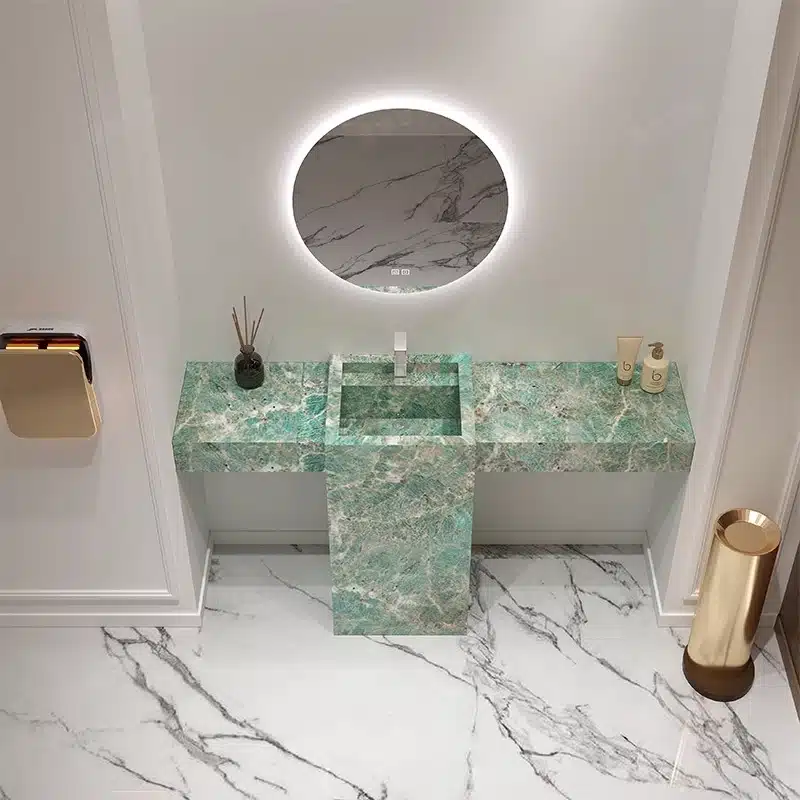
The sticker price is a lie. The real cost of a cabinet order doesn’t hit your P&L when you sign the PO. It hits six weeks later when the container lands and the freight invoice lands on your desk. MFBATH runs its own factory in Changge, Henan and ships direct. Trading companies don’t. They source from the same industrial cluster, tack on 15 to 25 percent margin, and hand you a consolidated invoice that buries every line item. You never see what the plywood actually cost or what you paid for the soft close hinges. Buy direct and the bill of materials is yours to inspect. Swap out the handles for a better grade. Upgrade the MDF panel to plywood. The base price stays where you set it. That’s how you hold unit cost down without sacrificing the quality or durability your installers need on site. FOB coststrading companiesBill of MaterialsFOB coststrading companiesBill of Materials

Waiting until the spec sheet is final to think about compliance is backwards. MFBATH builds it into the engineering from day one. The team calls it Region-Ready. For North American orders, UL or CSA certification is part of the electrical design, not a bolt-on fix after the LED driver is already specced. Same goes for CE when the container is heading to Europe. Retrofitting compliance after the fact is a 5 to 10 percent adder that nobody factors into the initial landed cost projection. Packing density matters just as much. A 40HQ container planned with optimized carton dimensions can shave 15 percent off per-unit freight. Standard FOB quotes won’t surface that number for you. The result is a shipment that clears customs with paperwork intact and product quality that matches what you signed off on during the sample approval. building compliance into the design from day oneUL/CSA certificationCE in EuropeCE in Europebuilding compliance into the design from day oneUL/CSA certificationUL/CSA certificationCE in Europe
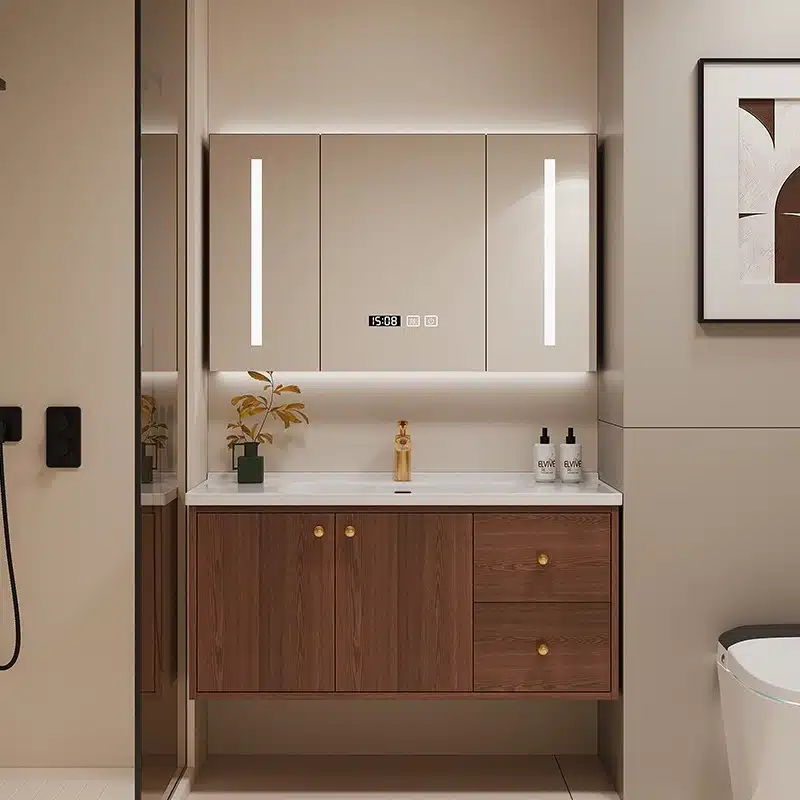
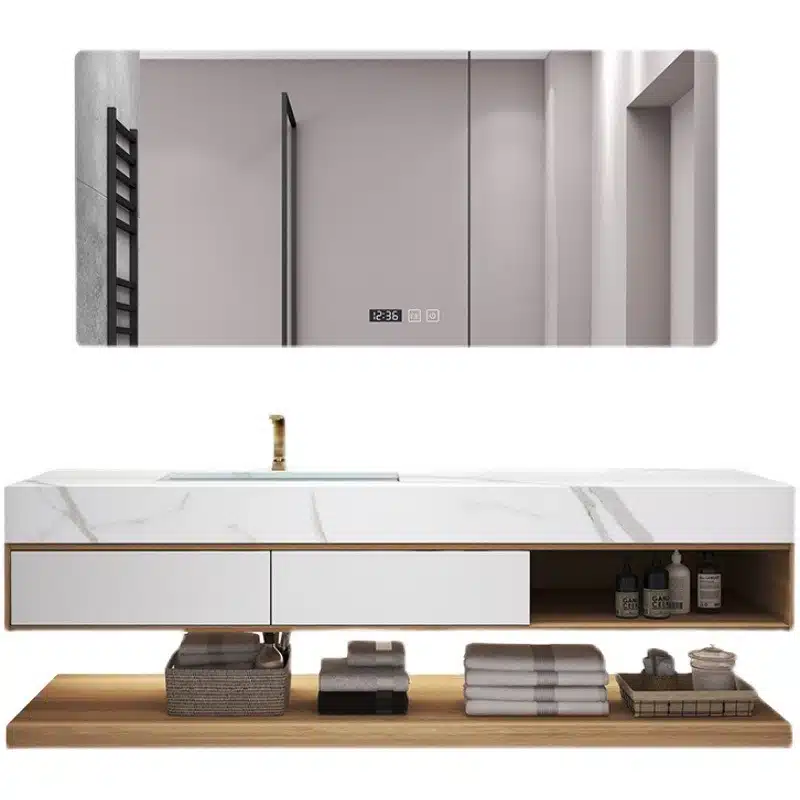
Hidden Risks of Standard Vanity Imports
Compliance creep and hidden logistics fees destroy margins faster than raw material costs.
Compliance creep is the silent margin killer. The vanity looks right in the photos and passes the visual QC checklist. Then customs pulls it for formaldehyde emissions and the lab result comes back failing CARB Phase 2. Or the unit ships to Australia without the WELS rating the regulator expects. Without a thorough pre-shipment inspection, the order is already on the water while the non-compliance notice is hitting your inbox. Rework costs and port storage fees start stacking daily. A price that looked competitive on Tuesday is underwater by Friday. The cheap quote just became the most expensive lesson you’ll learn this quarter.rework costs

Here’s the math on a standard 48-inch plywood vanity with a quartz top. Material and labor at a domestic factory in China runs around $290 per unit. A trading company sells that same unit to you at 15 to 25 percent markup. Hidden compliance failures wait on top of that for another 5 to 10 percent. When the compliance work is engineered into the product before the first panel is cut, those customs holds don’t happen. Your cash flow doesn’t freeze. You land the container at a predictable cost with durable quality inside, not a surprise bill from the port authority.
- Most importers treat regional rules as a customs check problem. By the time the flag comes up, the container is already in holding. Region-ready manufacturing flips the sequence. The electrical certification (UL, CE), the water efficiency rating (WELS), and the emission standard are baked into the spec before production starts. Pre-shipment inspection is non-negotiable after that. Skip third-party QC before loading, and hidden defects sail right past the dock. A five-stage QC protocol catches the loose mirror backing, the misaligned drawer slide, the scratched basin rim. Zero defects at delivery protects your warranty margin. Rework and storage fees at the destination port don’t just chip away at profit. A non-compliant unit racking up demurrage can exceed the product value if left unchecked. Direct factory access lets you halt the line and fix the issue before the container seals. That’s the only real lever you have to protect durability on site and keep landed cost from running away. Pre-shipment inspectionPre-shipment inspection
- Packaging density inside a 40HQ container cuts per-unit freight by up to 15 percent when carton dimensions are optimized. Skip the trading company markup, and that saving stays on your side of the ledger. Smart carton design does more than save cubic meters. It prevents the vanity from shifting during transit so the glass top lands in one piece and the cabinet edges aren’t crushed against the pallet. The quality and durability you specified at the factory arrive intact, ready for the showroom floor, not a damage claim.

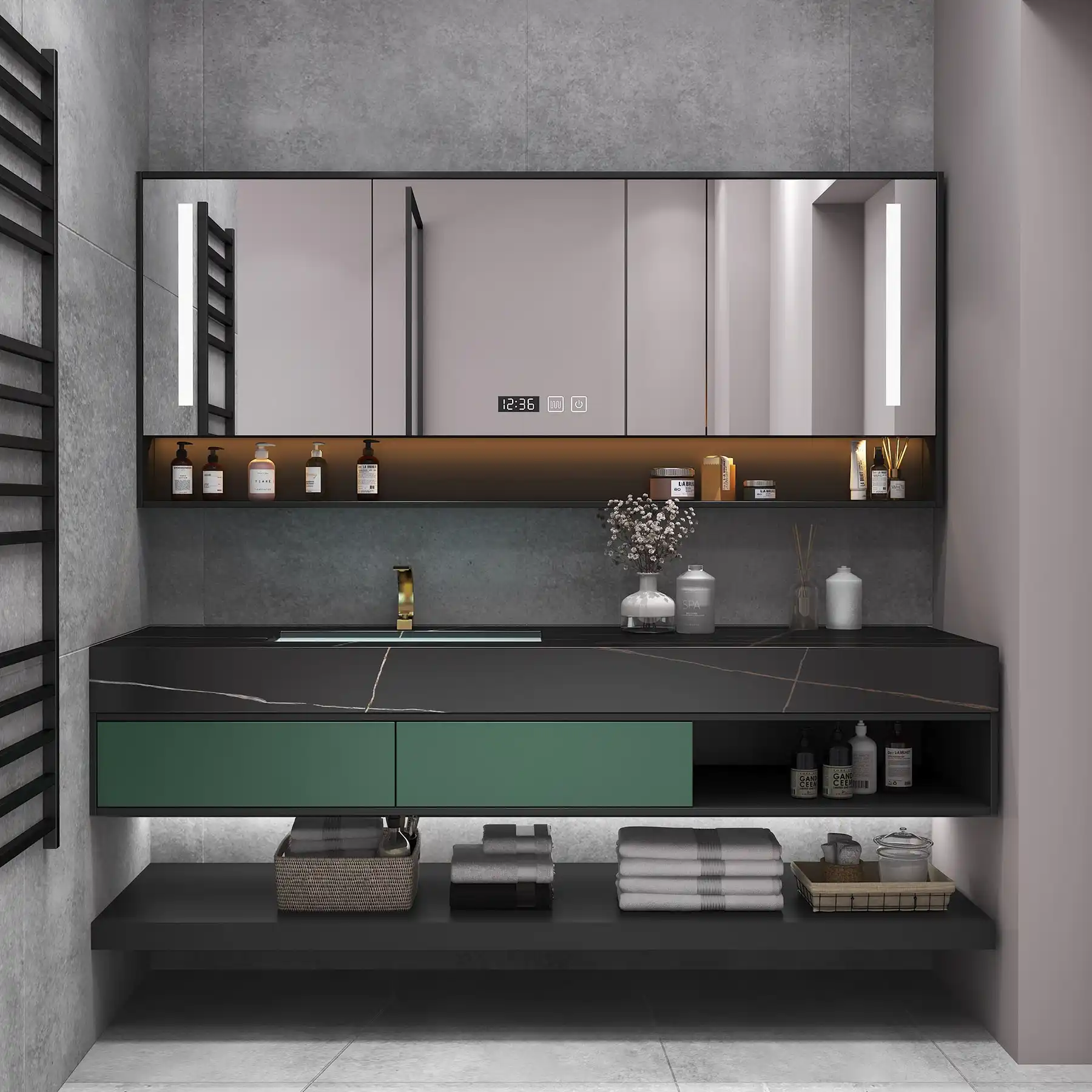
Real Cost Breakdown of Vanities in 2026
A $290 FOB base cost for a 48-inch vanity hides critical labor and compliance variables.
A 48-inch plywood vanity with a quartz countertop costs about $290 to manufacture in Changge, Henan. That figure covers materials, labor, and export compliance checks. It’s the base manufacturing cost, not an FOB bid.
Of that $290, roughly $200 goes to moisture-resistant plywood, engineered quartz, and hardware. The remaining $90 covers labor and factory overhead. This split makes it clear where trading companies pad the base by 15-25% before adding their margin. You pay that markup without any real gain in quality or durability.moisture-resistant plywood
- Materials sit around $200 for plywood, MDF, quartz, and PVC. Upgrade to solid wood or sintered stone, and that ratio shifts quickly. Labor and overhead run $90. That covers CNC routing, assembly, and the five-stage quality control process that keeps wholesale shipments tight. Proper 40HQ carton sizing alone can trim per-unit freight by 15%. Most FOB quotes skip that line item; direct manufacturers don’t.solid woodsintered stone
- Never fit standard hinges on bathroom vanities headed for coastal markets. Sea air warps them fast. Paying for branded soft-close hardware upfront saves you warranty claims later. That’s not a cost. That’s protecting your reputation.coastal markets

The hidden cost in vanity imports is not the unit price. It’s compliance creep that flags a shipment at customs. If your supplier doesn’t build region-specific specs (CARB, CE, WELS) into their paperwork, rejection at the port is likely. Direct manufacturers provide an itemized BOM. You check each component against your market’s requirements before production starts. That keeps every shipment compliant and on par with the durability standards your customers expect.WELS standards
| Category | Details | Factory Direct | Trading Company | Net Savings |
|---|---|---|---|---|
| Base Unit Cost | $290 (48″ Plywood/Quartz) | Includes $200 materials + $90 labor | Adds 15-25% markup ($33-73) | 22-30% lower FOB cost |
| Compliance Risk | CARB/CE/WELS Certs | Embedded in design (Region-Ready) | Often missing or generic | Avoids 5-10% retro-fit/customs fees |
| Logistics Efficiency | Container Loading (40HQ) | Optimized density (-15% shipping cost) | Standard packing (Higher volumetric weight) | Up to 15% reduction in per-unit freight |
| Customization Flexibility | MOQ & Options | 10-20 units MOQ, 40k+ combos | 50-100 units MOQ, limited choices | Lower inventory risk for new markets |
| Quality Assurance | Inspection Protocol | 5-Stage Rigorous QC | Random/No formal QC | Zero defect rate, reduced warranty claims |
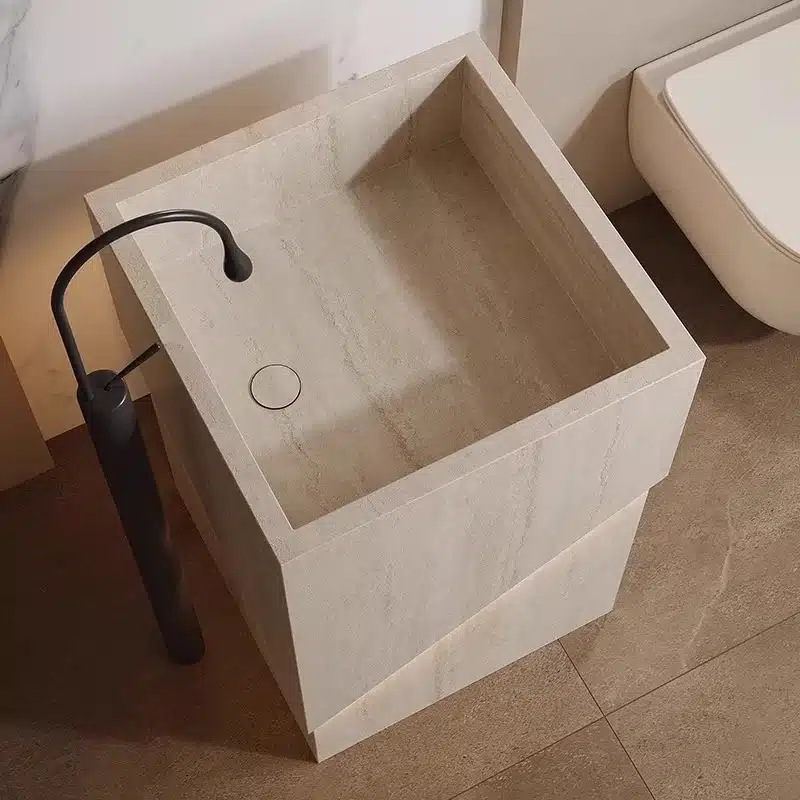
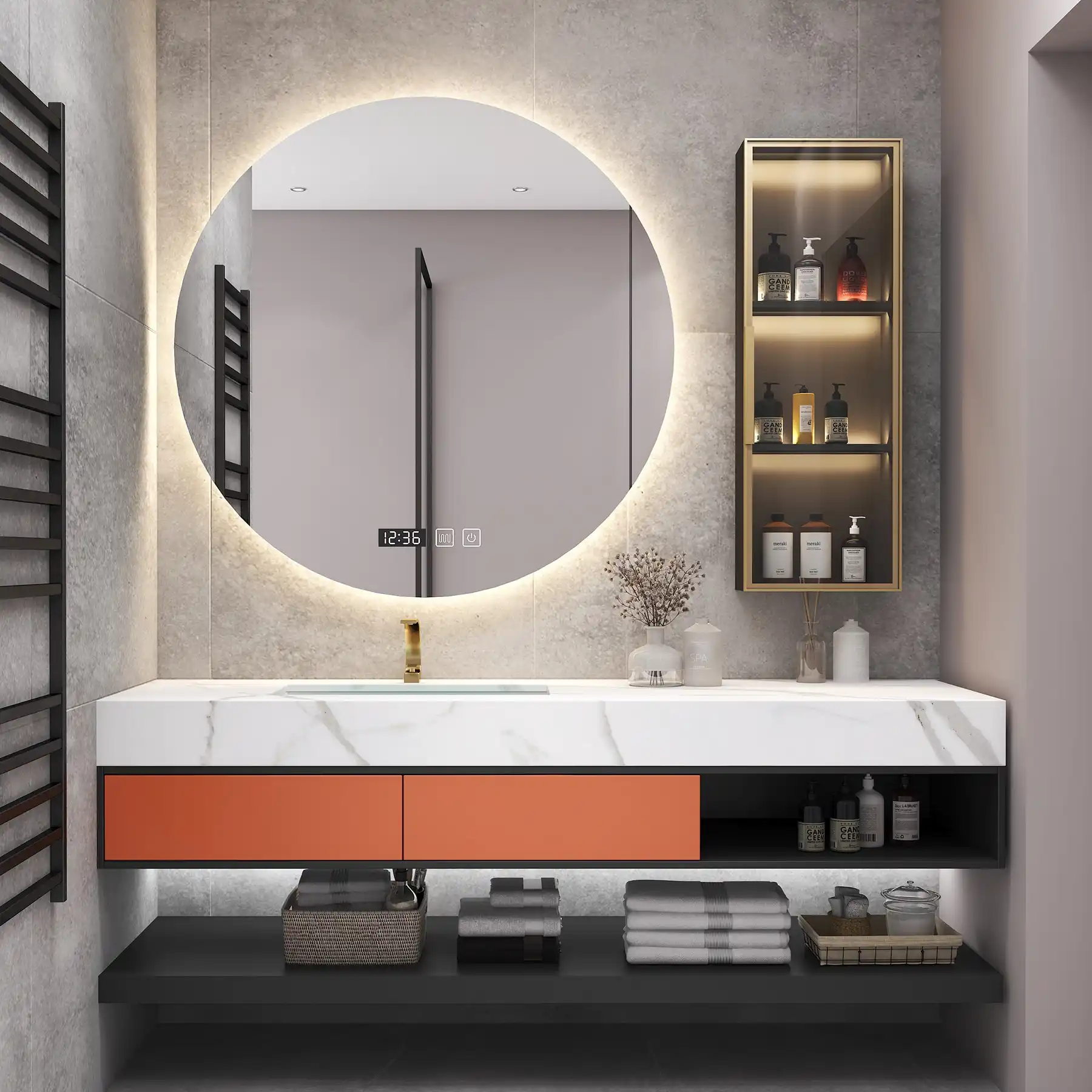
Trading Company Markup vs. Direct Factory
Direct factory sourcing bypasses 15–25% trading margins while embedding regional compliance into production.
A standard 48-inch plywood vanity with a quartz top costs $290 to build in Changge. Trading companies tack 15-25% onto that base. That markup hides the real bill of materials and inflates the FOB price. The product itself doesn’t get any better. By dealing directly with the manufacturer, you lock in a more cost-effective route to a quality product.48-inch plywood vanity
Indirect sourcing looks cheaper on paper. Then products fail port compliance checks, and the real cost hits. Standards like CARB Phase 2 or WELS exist because they protect quality and durability. Miss one, and you’re paying 5–10% extra to fix it. That eats any cost-effective advantage.compliance creepWELS
- Get a bill of materials with itemized quotes. You see hardware grades and material thickness line by line. Then you negotiate upgrades that boost quality and durability without a middleman’s hidden fees. Pack a 40HQ container correctly, and per-unit shipping costs drop up to 15%. Trading companies rarely pass those savings on. A five-stage QC protocol catches defective batches before they leave. You dodge expensive return logistics and warranty claims.hidden feeshardware grades40HQ container5-stage QCper-unit shipping costs
- Low MOQ lets you test product quality and durability with minimal cash risk. Working directly with the OEM, you can lock in orders as low as 10 to 20 units for custom Pantone colors and dimensional checks. That’s the gap between guessing and knowing. Cost-effective market validation without tying up cash in large inventory.Low MOQ
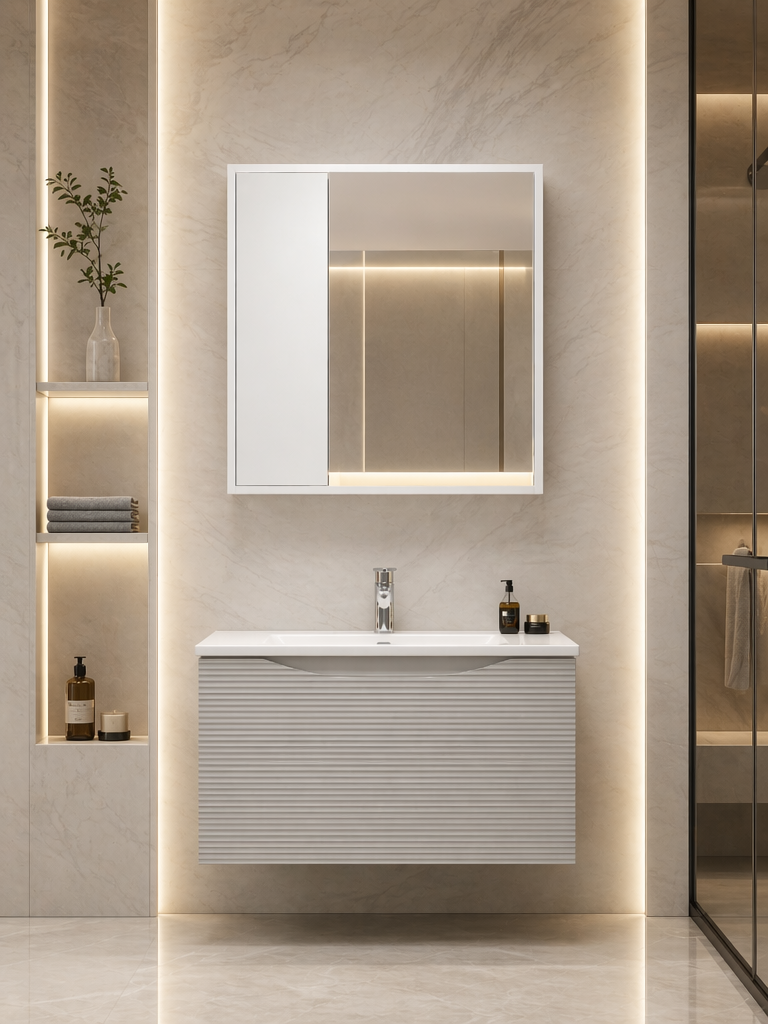
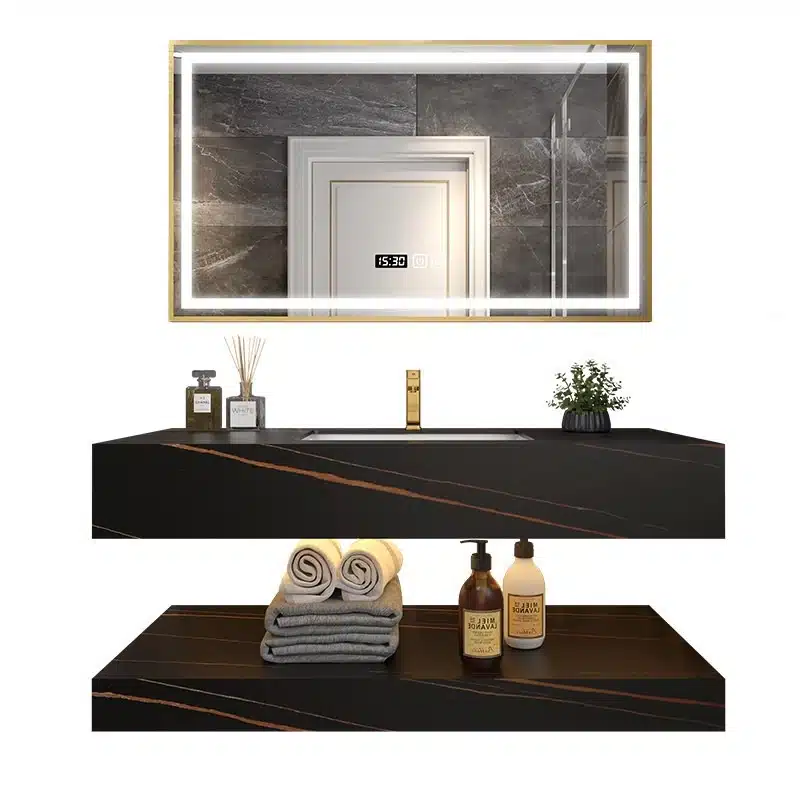
Sourcing Vanities Without Hidden Costs
Embedding region-specific compliance into design prevents customs holds and hidden rework costs.
Unit price is a distraction. The real cost of a vanity hits you in compliance penalties, rework on quality and durability problems, and freight overruns. MFBATH designs each order to the destination’s rules up front, not as a fire-drill retrofit.quality and durability
Five inspection points catch defects before they escalate. Not two. Raw material intake, panel cutting, assembly, finishing, and a final check before loading. Catch a defect early, and you avoid a full container return.raw material intakequality control protocol
- Compliance is dialed in before a single cut. US orders get UL/CSA. Europe gets CE and CARB Phase 2 formaldehyde limits. The product meets quality and durability standards from the start. Customs won’t flag it. You won’t pay to fix it retroactively. On the warranty side, a stock of spare parts sits ready. Written warranties run 1 to 3 years. If a unit arrives damaged, it’s credited or replaced. No arguments.CARB Phase 2UL/CSACARB Phase 2
- Packing a 40HQ tight cuts per-unit freight by roughly 15%. The factory builds that saving right into the FOB quote. A trading company never passes it through.
A detailed BOM shows you what you’re actually paying for: hardware grade, panel thickness, finish spec. With those line items in front of you, you push for upgrades on the parts that drive durability, while holding the base price. Better quality, no middleman markup baked into a lump sum.
| Feature | Specification | Advantage |
|---|---|---|
| Compliance Certifications | UL/CSA (NA), CE (EU), AS/NZS (Oceania) | Eliminates customs delays and retro-fit costs |
| Production Capacity | 5,000 Vanities + 50,000 Mirrors Monthly | Ensures on-time delivery for large-scale projects |
| Quality Assurance | 5-Stage Rigorous Inspection Protocol | Achieves zero-defect rate and consistent batch quality |
| Customization Flexibility | 40,000+ Options, Low MOQ (10-20 Units) | Enables risk-free market testing and brand differentiation |
| Logistics Optimization | High-Density 40HQ Container Packing | Reduces per-unit shipping costs by up to 15% |
Conclusion
Sourcing vanities straight from the Changge production base shaves roughly 22% off the FOB cost compared to going through a middleman. That’s real margin. The bigger win is locking in CE or UL requirements while the design is still on the table. Specifying regional compliance at the factory level avoids surprise customs charges and rework fees that blow up a cost-effective shipment. Freight lands clean. Margins hold. You don’t compromise durability with last-minute retrofits.factory levelFOB cost
Frequently Asked Questions
What is the biggest expense in a bathroom remodel?
Labor and cabinetry typically consume the largest share of a bathroom renovation budget. High-quality fixtures and custom vanities drive these costs significantly higher than basic materials. Prioritize cabinetry budget allocation early in the planning phase.
Who has the best deals on bathroom vanities?
Direct manufacturers offer the lowest FOB prices by eliminating trading company markups. Buyers save approximately 22% by sourcing straight from factories like MFBATH. Verify factory credentials and compliance certifications before committing.
Why are bathroom vanity units so expensive?
Premium materials like solid wood and sintered stone increase production costs substantially. Complex regional compliance testing and multi-stage quality controls also add to the final price. Balance material choices with necessary certification requirements.
How much should you spend on a bathroom vanity?
Budget between $200 and $500 per unit for mid-range commercial projects. Higher specifications for luxury materials or smart features will push costs above this range. Align spending with target market positioning and material specs.
What is the 30% rule in remodeling?
The 30% rule suggests allocating roughly 30% of the total renovation budget to cabinetry and fixtures. This ensures sufficient funds for quality components without overspending on structural work. Adjust the percentage based on specific project scope and priorities.




0 Comments