

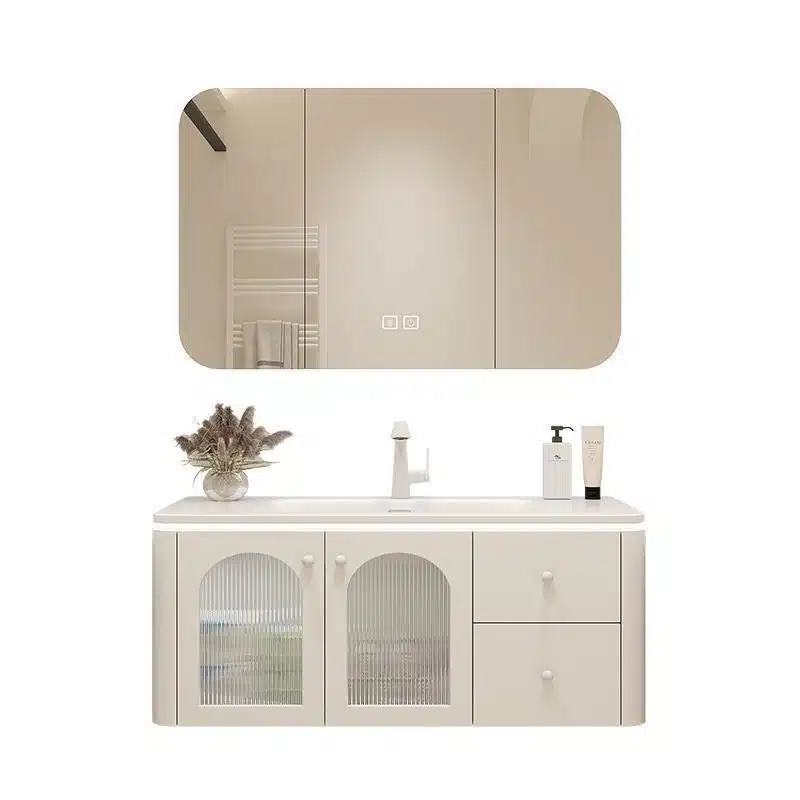
Sourcing ul ce led mirrors for a multi-region portfolio requires more than just picking the lowest unit cost. A veteran importer knows that a cheap single-market mirror often triggers costly re-tooling when expanding into a new territory. MFBATH solves this friction by building region-ready inventory, ensuring that the hardware you buy is already engineered for the specific regulatory and climatic demands of North America or Europe.
The real value lies in understanding the engineering divergence between UL and CE standards. UL certification focuses heavily on fire and electrical shock prevention, whereas CE compliance mandates adherence to broader environmental and electromagnetic directives. Choosing the right path determines whether your goods clear customs on the first attempt or sit in a warehouse gathering dust.
Many distributors fall into the trap of accepting self-declared CE marks without demanding third-party EMC test reports. This oversight leaves them vulnerable to retailer rejection and potential liability claims. By verifying the E-Number on UL stickers and demanding proper documentation, you protect your margins and secure a reliable supply chain for your customers.
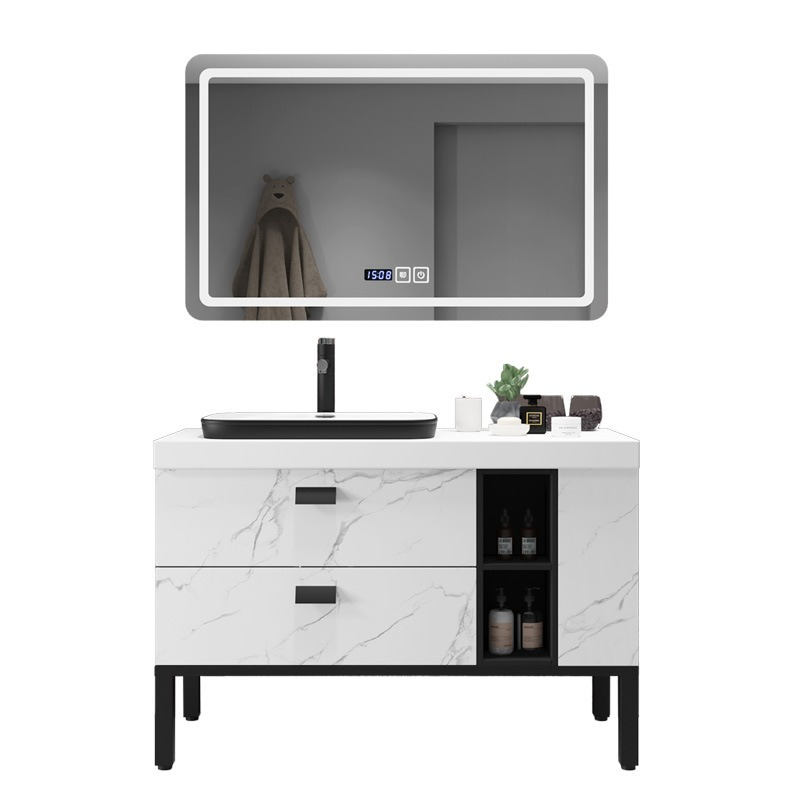
UL vs CE Standards: Key Differences
UL targets fire/shock safety for North America; CE mandates LVD, EMC, and RoHS for the EU.
The distinction between UL and CE certifications is not merely administrative; it dictates your liability exposure and customs clearance speed. UL 153 and UL 60598-1 standards focus heavily on fire prevention and electrical shock protection, which is the primary concern for North American retailers and insurers. Conversely, the CE mark is a mandatory legal declaration for the European Economic Area (EEA) covering the Low Voltage Directive (LVD), Electromagnetic Compatibility (EMC), and Restriction of Hazardous Substances (RoHS).
For B2B importers, misunderstanding this divergence leads to costly operational bottlenecks. UL certification is technically voluntary but functionally mandatory for selling to major US retailers. CE compliance is legally mandatory for EU market access but is frequently abused through self-declaration without independent EMC testing. Sourcing from a CE certified bathroom furniture factory requires verifying third-party lab reports, not just a self-signed Declaration of Conformity.
-
- UL Focus (North America):: Tests for electrical fire and shock hazards (UL 153/60598). Crucial for passing US customs and satisfying retailer liability requirements.
- CE Focus (Europe):: Mandates compliance with LVD (safety), EMC (interference), and RoHS (hazardous materials). Mandatory for legal import into the EEA.
- Verification Protocol:: Always verify the UL E-Number in the UL Product iQ database under category IFDR (Mirrors, Electrically Illuminated) to avoid fraudulent listings.
- Cost Impact:: Dual-certified (UL+CE) LED mirrors carry a +$25-50/unit premium but eliminate the need for separate inventory streams and re-tooling for multi-region distributors.
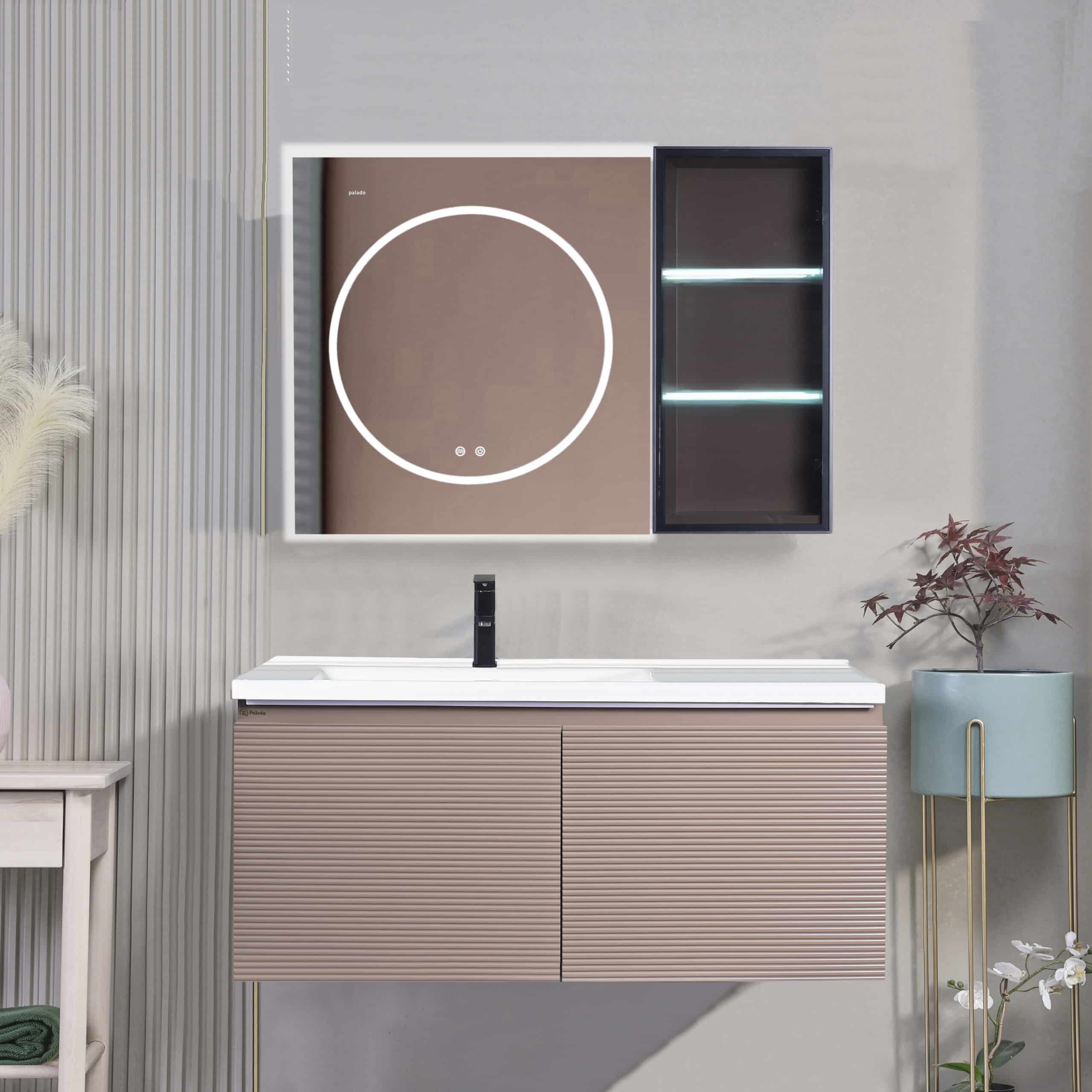
Real Cost Breakdown of Certified LED Mirrors
Certification costs are a fixed overhead; dual-certified stock spreads this cost to protect your margin.
The upfront cost of getting a smart LED mirror certified is substantial, but it is the only way to prevent total margin destruction later. Single-market testing fees—such as UL/ETL for North America or CE/LVD for Europe—typically run between $2,000 and $5,000 per SKU. This fee covers the laboratory work and the 4-to-6-week turnaround time required to issue the official report.
When you source a single-market certified unit, you are paying that $2,000-$5,000 testing fee entirely out of your own pocket. If you sell 1,000 units, that testing overhead adds $2 to $5 to the landed cost of every single mirror. However, the hidden cost of single-market sourcing is far higher: the operational expense of maintaining two completely separate inventory streams for different regions.
Dual-certified (UL+CE) LED mirrors carry a manufacturing premium of roughly $25 to $50 per unit compared to uncertified or single-certified alternatives. Yet, this premium eliminates the re-tooling costs and duplicate testing fees associated with expanding into a new market. For a distributor selling across borders, pre-certified dual-stock offers a significantly better long-term ROI than chasing cheap, uncertified imports.
The financial risk of skipping certification is catastrophic. Shipping uncertified units invites immediate customs seizure at the border. Even if the goods slip through, major retail platforms and legitimate brick-and-mortar chains will reject the shipment upon arrival. Re-working a batch of seized or rejected inventory—paying for return shipping, storage, and disposal—can easily exceed the initial savings from buying a cheaper, non-compliant product.
-
- Single-Market Testing:: Costs $2,000–$5,000 per SKU with a 4–6 week lab turnaround. This fixed cost erodes margins on smaller batches.
- Dual-Certified Premium:: Adds a flat $25–$50 to the unit cost, but completely removes future re-tooling and re-testing expenses for multi-region distributors.
- Customs Seizure Risk:: Uncertified mirrors face immediate rejection at ports of entry. The cost of freight loss and inventory destruction far outweighs the certification fee.
- Re-testing Design Changes:: Any modification to the LED driver, housing, or wiring requires a brand-new test cycle. Starting with a dual-certified baseline protects your investment against future design iterations.
| Cost Component | Specification | Advantage |
|---|---|---|
| Base Unit Cost | Standard LED Mirror | Baseline pricing for comparison |
| UL/ETL Certification | +$10 – $25 per unit | Ensures NA market compliance & retailer acceptance |
| CE Certification | +$10 – $25 per unit | Mandatory for EU market entry (LVD/EMC/RoHS) |
| Dual Certification (UL+CE) | +$25 – $50 per unit | Eliminates re-tooling costs for multi-region distributors |
| Upfront Testing Fees | $2,000 – $5,000 (One-time) | Spreads cost over volume; prevents customs seizures |
Sourcing Risks: Fake Certifications vs. Real Compliance
Fake certifications cause customs seizures; verify E-Numbers and third-party lab reports before ordering.
The bathroom fixture industry is saturated with suppliers printing their own compliance labels to win low-bid contracts. A sticker on the back of a mirror does not equal certification. For North American buyers, a fake UL mark is a guaranteed customs seizure. For EU buyers, a fake CE mark invites massive fines and retailer rejection. You must verify the authenticity of these marks using specific databases and technical documentation, not just a PDF certificate sent via email.
UL (Underwriters Laboratories) and ETL (Intertek) are the gold standards for North America. They focus strictly on fire and electrical shock safety (UL 153 / UL 60598). However, many Chinese factories forge UL stickers. To spot a fake, you must look for the unique E-Number printed on the label. You then verify this number in the UL Product iQ database under category IFDR (Mirrors, Electrically Illuminated). If the factory cannot produce the factory authorization letter matching that E-Number, the product is uncertified.
In the European Union, CE marking is mandatory but often misused. Many suppliers claim CE compliance via a self-declaration without actual third-party testing. This is the ‘CE Self-Declaration Trap.’ A valid CE mark for LED mirrors requires compliance with the Low Voltage Directive (LVD), Electromagnetic Compatibility (EMC), and RoHS (hazardous substances). You must demand the original EMC test reports from an accredited third-party lab. A self-signed Declaration of Conformity (DoC) is legally insufficient to protect you from liability if the product fails.
The cost of fake compliance is far higher than the premium for real certification. Testing costs for genuine CE certification range from $2,000 to $5,000 with a 4-6 week turnaround. Dual-certified (UL+CE) units carry a +$25 to $50 per unit premium compared to single-market units. However, this premium eliminates the risk of inventory destruction, customs detention, and retailer chargebacks. Single-market sourcing forces you to maintain separate inventory streams and re-tool for different regions, eroding your gross margin.
-
- Verification Protocol: Check the E-Number on UL stickers against the UL Product iQ database (Category: IFDR). Ensure the factory name matches the authorization letter.
- EMC Testing: Reject CE claims that lack third-party lab reports for Electromagnetic Compatibility (EMC). Self-declarations do not prove the mirror won’t cause interference.
- Cost Analysis: Dual-certified (UL+CE) units cost +$25-50/unit more but prevent the 100% loss associated with customs seizures and retailer rejections.
- Documentation: Request original test reports, not just certificates. Certificates can be forged; raw test data from accredited labs (like TUV or SGS) is much harder to fake.
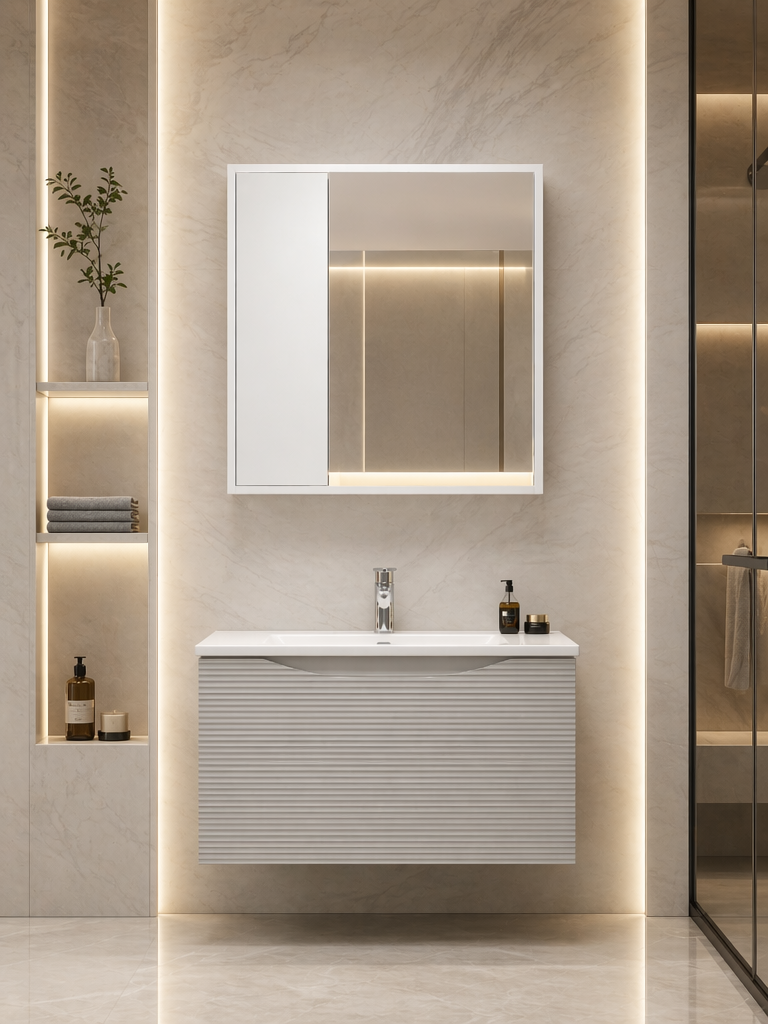
How to Source Dual-Certified LED Mirrors Safely
Verify the UL E-Number in the UL Product iQ database for category IFDR before paying deposits.
Sourcing dual-certified LED mirrors safely requires shifting focus from generic certificates to verified engineering protocols. While a paper certificate confirms a product passed a test once, a rigorous factory quality control process ensures every unit leaving the production line meets those exact standards. Relying on self-declared compliance exposes importers to severe customs delays, retailer rejections, and liability risks.
-
- Established QC Processes:: Partner with manufacturers implementing multi-stage inspections, such as the five rigorous QC checkpoints used in advanced facilities. These processes catch electrical faults during assembly rather than after shipping, protecting your margin from costly returns.
- Full Test Reports:: Always request the complete third-party laboratory test report, not just the summary certificate. For CE compliance, specifically demand proof of Electromagnetic Compatibility (EMC) testing to avoid the common trap of self-declared, unverified claims.
- Region-Specific Adaptations:: Verify that the mirrors are engineered for your target climate. North American shipments require UL/CSA compliance and materials tested for extreme cold down to -30°C, while European units must strictly adhere to E1 grade formaldehyde emissions.
- E1 Grade Verification:: For EU markets, confirm that the backing materials and adhesives meet the E1 emission standard. This is a non-negotiable requirement for CE marking and ensures the furniture does not compromise indoor air quality in residential or hospitality settings.
Conclusion
UL and CE certifications serve distinct regulatory needs rather than competing for superiority. UL focuses on physical fire and shock safety for North American markets, while CE mandates broader environmental and electromagnetic standards for Europe. Dual-certified inventory eliminates the $25–$50 per-unit re-tooling cost, protecting your margin against customs seizures and retailer rejection.
Review detailed technical specifications and compliance certificates on our certified LED mirror collection page to verify safety standards and secure bulk pricing.
Frequently Asked Questions
What is the difference between UL and CE standards?
UL certification targets North America and focuses on fire and electrical shock safety, while CE is mandatory for Europe and covers broader safety, electromagnetic compatibility, and environmental restrictions. Choose UL for North America and CE for Europe to ensure legal market entry.
What should I look for when buying an LED bathroom mirror?
Prioritize region-specific regulatory compliance like UL or CE to avoid customs seizures and liability issues. Verify the presence of anti-fog technology and durable materials suitable for your local climate conditions. Ensure the mirror meets local safety codes and climate requirements before sourcing.
What requires an UL listing?
UL listing is required for electrical products sold in North America to prove they meet specific fire and shock safety standards. It is often mandated by local building. Verify UL listing for any electrical bathroom fixture intended for the North American market.
What are the common problems with LED mirrors?
Common issues include failure of anti-fog heating elements, flickering lights due to poor driver quality, and condensation buildup in humid environments. These problems often stem from low-cost components that lack proper. Source mirrors with rigorous quality control to prevent premature component failure.
Is CE rating as good as UL?
CE and UL serve different regulatory purposes rather than one being strictly better than the other. CE is a mandatory legal requirement for the EU market, while UL is a. Select the certification required for your specific target market to ensure compliance.





0 Comments