


Adding colored vanities (paint) to your product line is the critical difference between capturing a high-margin trend and managing a costly surge in warranty claims and dead inventory. While consumer demand for navy blue, emerald green, and matte black finishes is accelerating, the manufacturing process is filled with pitfalls. Inconsistent color matching between production runs, finish durability failures, and uncontrolled SKU proliferation can quickly erode profits and damage a brand’s reputation for quality.
This guide provides a technical framework for navigating these production challenges. We will compare the operational pros and cons of UV curtain coating versus traditional spray methods and detail the process for locking in color consistency using Pantone or Sherwin-Williams codes. We will also analyze the durability differences between matte and high-gloss finishes, explore anti-fingerprint technology for dark surfaces, and outline strategies for managing inventory risk without sacrificing selection.
Color Trends: Navy Blue, Emerald Green, Matte Black?
By 2026, the vanity market has decisively moved past neutral grays, embracing rich jewel tones and deep matte finishes as primary design statements rather than simple functional elements.
Shift Toward Saturated, Nature-Inspired Palettes
The cool grays that dominated the market for years are being replaced by warmer, nature-inspired palettes. This reflects a clear shift in consumer demand, where bathrooms are now viewed as personal sanctuaries that require colors with depth and tranquility. Rich, saturated jewel tones are no longer accent colors; they are the primary design focal points, creating a high-end, spa-like environment.
Dominant Colors: Blues, Greens, and Blacks
Three color families lead this trend. Navy blue remains a timeless anchor, providing a sophisticated foundation that works across multiple design styles. Deep emerald and olive greens are gaining significant ground, valued for their connection to both nature and luxury. Matte black continues its strong performance, but more often as a complementary finish for fixtures and hardware, creating a sharp, modern contrast against the deeper cabinet colors.
The Role of Metallic Hardware
The move toward richer cabinet colors is amplified by hardware selection. Warm metallics, especially brass and gold finishes, are frequently paired with navy blue and emerald green vanities. This combination enhances the depth of the cabinet color and reinforces the high-end, luxurious feel of the overall design.
The Painting Process: UV Curtain Coating vs. Spray?
UV curtain coating is the superior process for high-volume flat panel production, offering unmatched speed and efficiency, while spray painting remains essential for custom jobs and complex shapes.

Manufacturing Speed and Efficiency
UV curtain coating is built for high-volume manufacturing of flat surfaces like cabinet doors and panels. It uses a continuous flow process that dramatically increases throughput. This is a stark contrast to the batch processing required for spray painting, which is better suited for lower-volume or custom orders. The instant curing of UV paint also eliminates the need for large drying rooms, which frees up valuable factory floor space and cuts production lead times.
| Factor | UV Curtain Coating | Conventional Spray Painting |
|---|---|---|
| Production Model | Continuous Flow / High Volume | Batch Process / Custom Orders |
| Typical Speed | 60–100 meters per minute | Variable; significantly slower |
| Curing Time | Instant (UV Light) | Hours or days (Air Dry / Heat) |
| Material Waste | Near-Zero (100% Recyclable) | Moderate to High (Overspray) |
Application Suitability for Different Geometries
The right method depends entirely on the component’s geometry. Curtain coating is unmatched for flat panels, delivering a perfectly uniform and smooth finish across thousands of units. Spray painting, however, offers the flexibility needed for intricate shapes, detailed profiles, or three-dimensional parts where a liquid curtain simply cannot reach all surfaces evenly. One method is for scale, the other is for complexity.
- Curtain coating is the dominant technology for flat-panel furniture and cabinetry.
- Spray applications are essential for products with complex curves or non-uniform surfaces.
Environmental Impact and Material Waste
UV-cured coatings have significant environmental benefits over traditional spray methods. The paint formulations contain near-zero Volatile Organic Compounds (VOCs), which improves air quality and creates a safer work environment. The application process itself is also far more efficient. Curtain coating systems are designed to collect and recycle 100% of unused paint back into the process, which virtually eliminates material waste. Traditional spray painting has a much lower transfer efficiency, resulting in overspray that wastes paint and requires costly cleanup.
Boost Your Sales with Factory-Direct Vanities
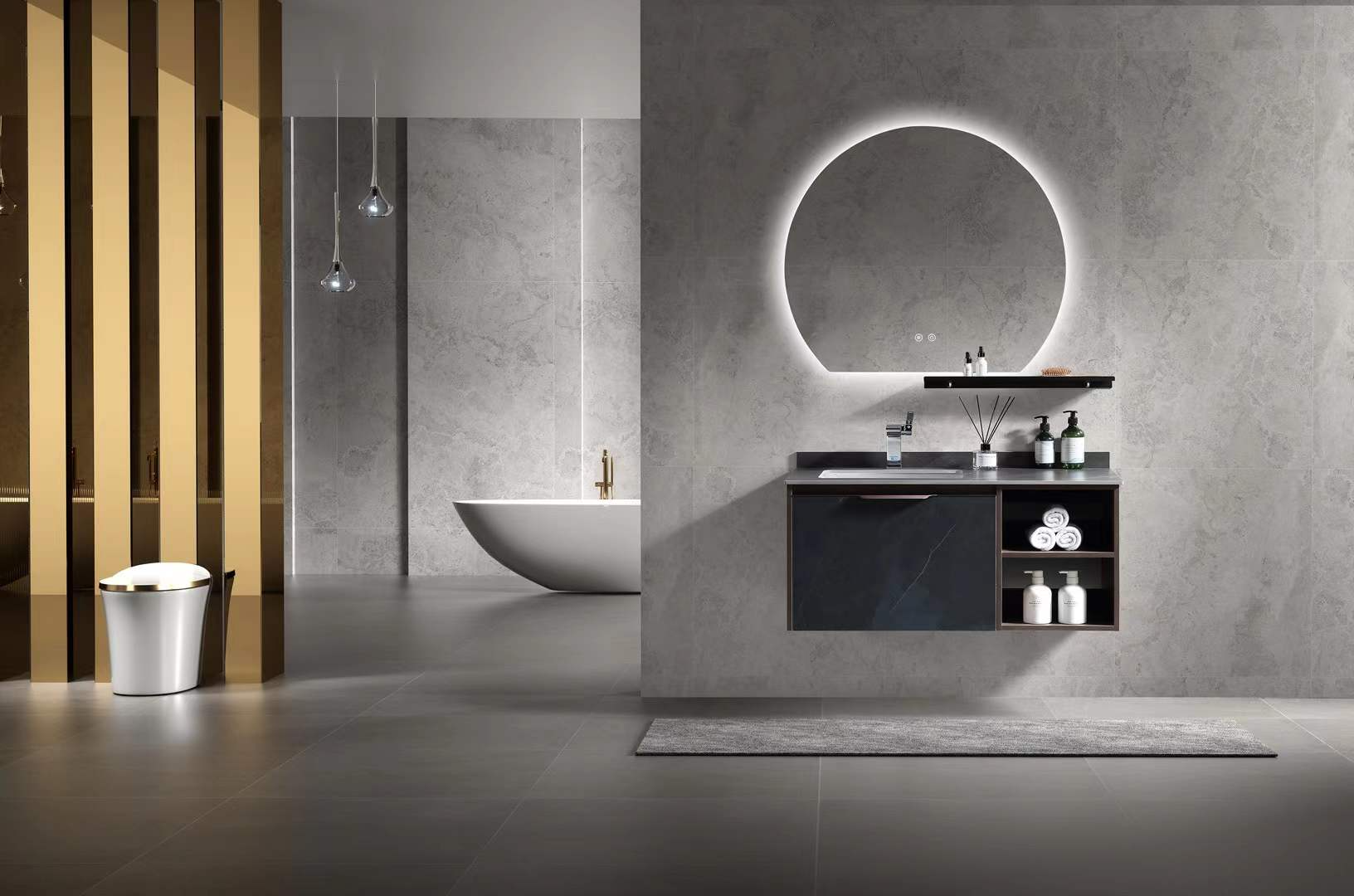
Matching a Pantone brand color to a Sherwin-Williams paint code is not a direct conversion but a translation between two fundamentally different color systems designed for ink and paint.
Color Matching: Pantone vs. Sherwin Williams Codes?
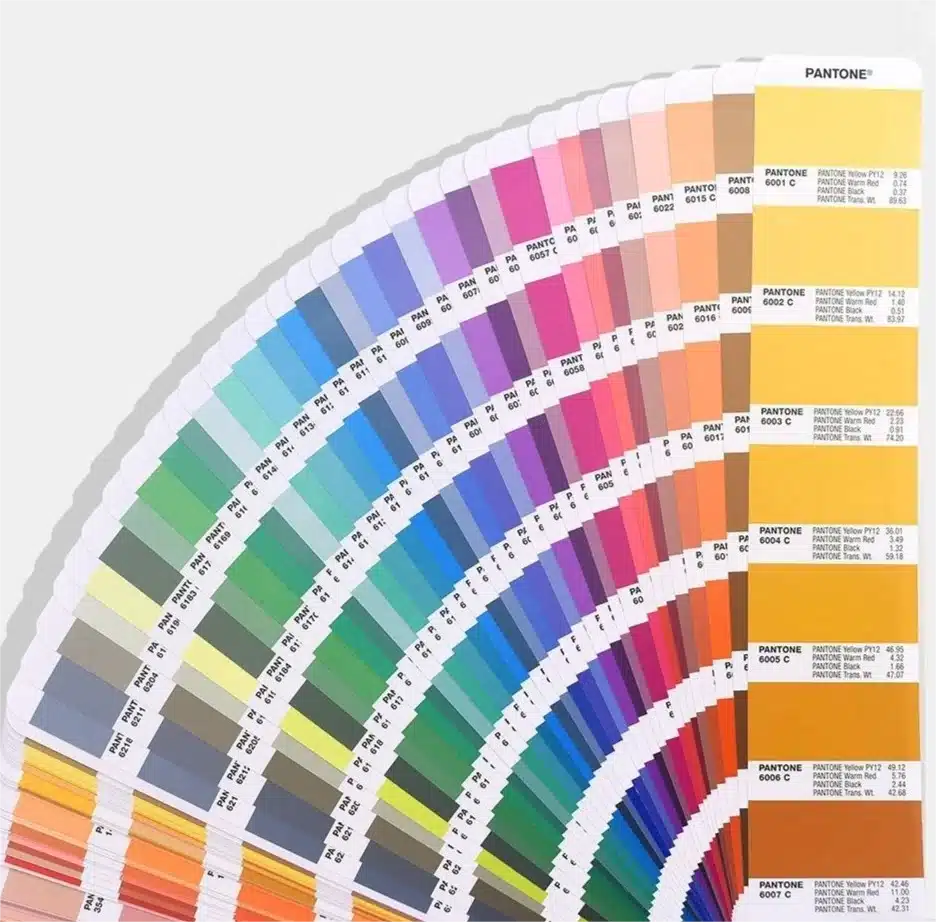
Pantone: The Standard for Brand Identity
Pantone is the global authority for color in print, branding, and graphic design. Its Matching System (PMS) provides a standardized library of spot colors, which ensures a brand’s specific hue remains consistent whether it’s on a business card, a website, or product packaging. This system is critical for maintaining brand integrity across different materials and marketing channels. We use Pantone codes to match custom cabinet finishes for OEM clients who need their products to align perfectly with established brand aesthetics.
Sherwin-Williams: A Palette for Physical Spaces
Sherwin-Williams offers a comprehensive system with over 1,700 colors developed specifically for architectural coatings and paint. This palette is designed for real-world applications in physical environments. It helps designers, contractors, and manufacturers select and reproduce colors for walls, furniture, and cabinetry that will perform predictably under various lighting conditions. For bathroom vanities, Sherwin-Williams provides a practical and widely understood standard for coordinating with interior wall colors and other design elements.
| Attribute | Pantone Matching System (PMS) | Sherwin-Williams (SW) |
|---|---|---|
| Primary Use | Print, branding, graphic design, and product manufacturing. | Architectural coatings, interior/exterior paint. |
| Color Model | Proprietary spot colors (ink-based formulas). | Proprietary formulated pigments (paint-based). |
| Best For | Ensuring an exact brand hue is consistent across different media. | Matching physical objects like vanities with wall colors. |
The Challenge: Converting Between Different Color Systems
The fundamental difficulty in matching Pantone to Sherwin-Williams is converting a color specified for ink into one specified for paint. Their color spaces are not directly compatible, as one relies on CMYK or spot ink recipes and the other on proprietary liquid pigments. An exact one-to-one match is rarely possible. The final appearance is also affected by base materials, surface texture, and the final finish, such as matte versus high gloss. The objective is always to find the closest visual equivalent, not a perfect technical translation.
Bridging the Gap with Digital Technology
Modern tools are essential for bridging this gap. We use digital color libraries and spectral matching technology to analyze a Pantone color’s data and identify the closest Sherwin-Williams equivalent. This process minimizes the inconsistencies that arise during manual conversion and allows for reliable color coordination across a client’s print, digital, and physical products. To eliminate any ambiguity, we always provide physical painted samples for final approval, ensuring the color meets the client’s expectations before mass production begins.
“Matte” vs. “High Gloss” Durability?
The market is shifting from high gloss to matte finishes, prioritizing long-term durability and lower maintenance over initial visual shine, especially in high-traffic environments.

Scratch and Wear Resistance
Matte finishes are better suited for high-traffic environments because their texture effectively conceals minor scratches and daily wear. High gloss surfaces are sleek, but their highly reflective nature tends to magnify every imperfection, including fingerprints, smudges, and micro-scratches. Matte finishes diffuse light, which helps mask small abrasions and makes them a more forgiving and practical choice for long-term bathroom use.
| Feature | Matte Finish | High Gloss Finish |
|---|---|---|
| Scratch Visibility | Low. The light-diffusing surface texture helps hide minor abrasions and daily wear. | High. The reflective surface acts like a mirror, magnifying micro-scratches and smudges. |
| Maintenance Demand | Low. Less prone to showing fingerprints and water spots, requiring simple cleaning. | High. Shows streaks and spots easily, demanding frequent polishing to maintain its shine. |
| Ideal Application | High-traffic family bathrooms, rental properties, and projects where durability is key. | Low-traffic guest bathrooms, showrooms, or designs focused on high visual impact. |
Maintenance and Cleaning Demands
While high gloss surfaces are smooth and easy to wipe down, they require more frequent attention to look pristine. Glossy cabinets and vanities show water spots and streaks easily, demanding regular polishing to preserve their shine. Matte surfaces offer a lower-maintenance alternative. They are less prone to showing smudges and require simple cleaning without the need for special polishes, which appeals directly to the market’s growing demand for practicality.
Market Trends and Aesthetic Versatility
Consumer and design preferences have shifted. Matte finishes are now recognized for their modern, versatile aesthetic that suits a wide range of interior styles. The market reflects a clear preference for durable, understated elegance over the traditional, high-shine look of gloss. Matte’s versatility allows it to be paired with various materials and textures, making it a favored choice in both residential and professional design projects.
Long-Term Value and Cost Considerations
The definition of value has evolved. The long-term durability and lower maintenance costs of matte finishes are now often prioritized over the initial visual impact of high gloss. Once considered a budget-friendly option, matte finishes are now competitively priced due to high demand and their recognized durability. For end-users, the reduced likelihood of visible wear translates directly to better long-term value, as the finish maintains its appearance with far less upkeep.
Anti-Fingerprint Technology for Black Units?
Effective anti-fingerprint technology for black vanities combines advanced coatings like UV-cured lacquers with matte textures that inherently diffuse light to conceal smudges.

Key Coating Technologies in Use
Manufacturers apply several advanced coating methods to produce fingerprint-resistant black finishes. These are not simple paints; they are engineered surfaces designed for premium bathroom and kitchen fixtures that need to balance a sophisticated look with low-maintenance durability. The primary technologies are functionally distinct.
- UV-cured lacquers create an extremely hard, non-porous surface. This physical barrier naturally resists the oils and residues that cause fingerprints.
- Oleophobic and nano-coatings form a microscopic, chemical barrier on the surface. This layer actively repels oils and moisture, causing them to bead up instead of smudging.
- Physical Vapor Deposition (PVD) bonds a thin, metallic or ceramic film to the substrate. While more common on hardware, it offers exceptional scratch and fingerprint resistance for premium applications.
Market Trend: The Shift to Matte and Super-Matte Finishes
The market has shifted decisively away from high-gloss surfaces toward matte and super-matte textures. Matte finishes work by scattering light rather than reflecting it directly. This diffusion naturally conceals minor smudges, dust, and fingerprints, making the surface appear cleaner for longer. This low-maintenance quality is a primary driver of consumer demand, especially for high-touch fixtures like bathroom vanities where a clean appearance is essential.
Performance Beyond Fingerprints: Durability and Resistance
A quality anti-fingerprint coating also improves the product’s overall durability. These engineered finishes add a measurable layer of scratch resistance, which is critical for cabinet doors and drawers that see daily use. They are also tested to perform in high-humidity bathroom environments without peeling, fading, or degrading. This ensures the finish remains intact even with frequent cleaning and exposure to moisture.
Inventory Risk: managing SKU proliferation?
Managing inventory risk is a direct tradeoff between offering extensive customization to meet market demand and maintaining the operational efficiency needed to protect cash flow.
The Core Challenge: Balancing Customization with Efficiency
As companies broaden product lines to satisfy diverse customer tastes, they run into the problem of SKU proliferation. This expansion leads to an accumulation of excess inventory, which complicates warehouse logistics and strains capital. For a manufacturer offering thousands of potential product combinations, balancing market-facing choice with back-end efficiency is fundamental to profitability.
- Expanding product options often results in an accumulation of slow-moving or dead stock.
- Increased inventory complexity makes forecasting and warehouse management more difficult.
- The primary goal is to offer market-relevant choices without sacrificing operational efficiency or tying up capital in unsold goods.
Data-Driven SKU Rationalization
A modern approach to inventory management is SKU rationalization, which uses performance data to make objective decisions about the product portfolio. This strategy helps identify which products to keep, promote, or discontinue. It aligns inventory directly with actual market demand and sales performance, preventing the accumulation of unprofitable stock.
- Companies analyze sales data, demand forecasts, and profitability metrics for each SKU.
- This process helps trim underperforming products and prevents the buildup of dead inventory.
- Regular portfolio reviews ensure that product offerings remain lean, profitable, and aligned with current market trends.
Technology’s Role: WMS and ERP Integration
Integrated technology platforms are critical for handling the complexity of a large product portfolio. Warehouse Management Systems (WMS) and Enterprise Resource Planning (ERP) software provide the necessary tools to track, manage, and optimize inventory from the factory floor to final delivery, reducing the risk of both stockouts and overstock situations.
- These systems offer real-time visibility into stock levels across the entire supply chain.
- They help automate inventory tracking and streamline order fulfillment processes.
- Effective technology integration allows for better capital allocation and operational control.
FocusCabinet’s Strategy: Low MOQ for Market Testing
FocusCabinet directly helps its global distributors mitigate inventory risk by offering a low Minimum Order Quantity (MOQ) of 20 units for custom production orders. This approach allows partners to test new designs and configurations in their local markets without committing to a large, high-risk inventory purchase. It is a practical way to gauge market demand before placing larger orders.
- Distributors can introduce new products with a minimal upfront capital investment.
- This flexibility enables partners to validate market interest before scaling their inventory.
- It effectively transfers the ability to innovate to the distributor while minimizing their financial exposure to unsold stock.
Touch-Up Kits for Colored Cabinets?
Minor shipping scuffs or installation scratches are inevitable. A manufacturer-supplied touch-up kit isn’t an optional extra; it’s a critical tool for ensuring long-term finish integrity and client satisfaction.
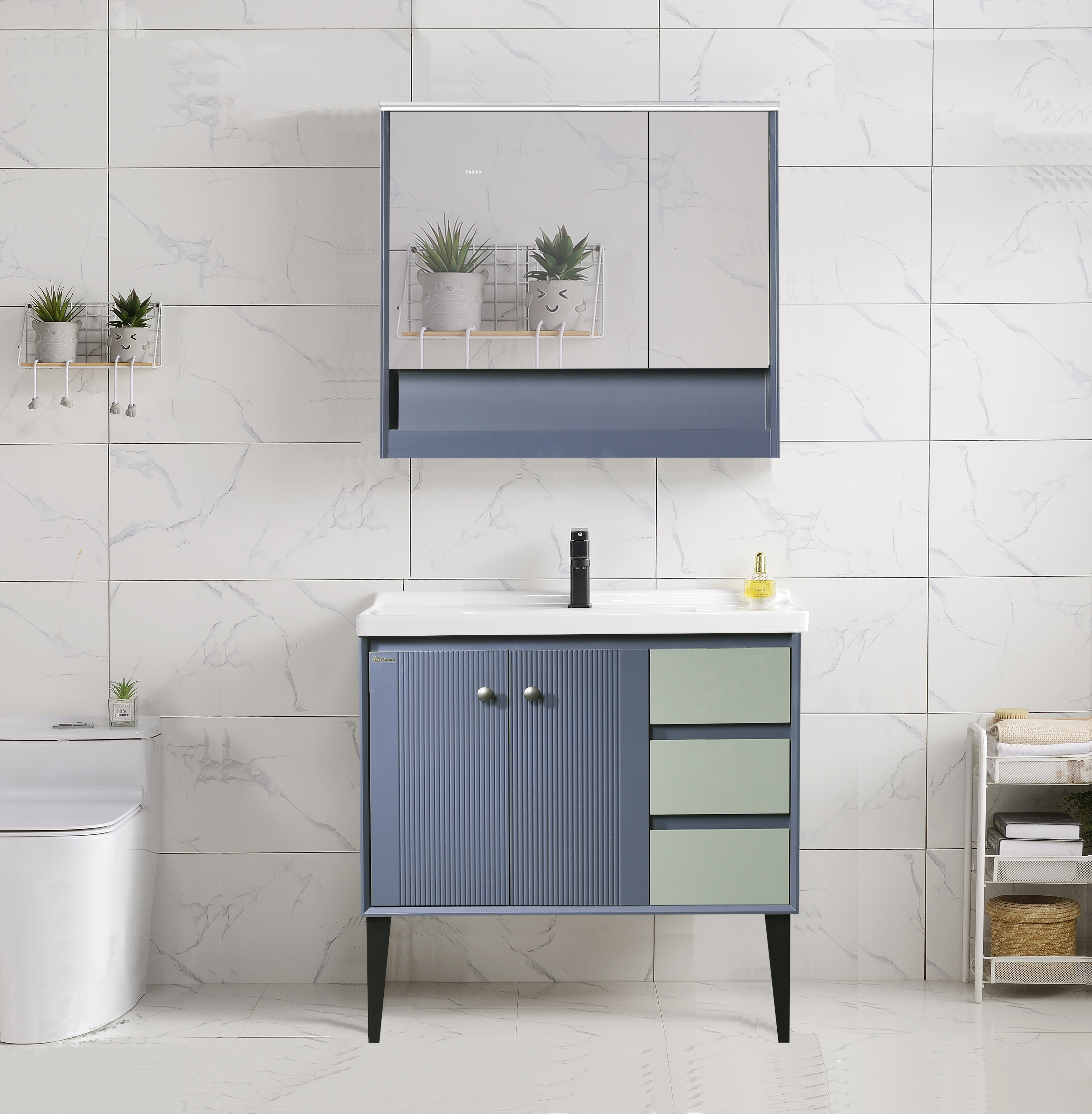
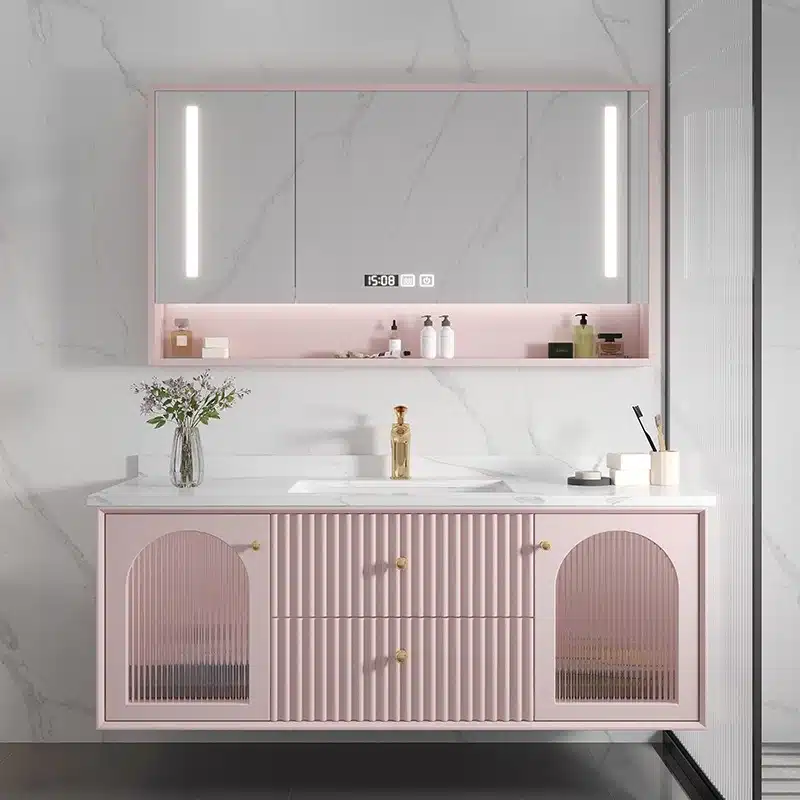
What’s Included in a Standard Kit?
Modern touch-up solutions have evolved from single paint pens into comprehensive kits designed to address various types of minor damage, like scratches, chips, and scuffs. They are no longer a simple afterthought but a specialized maintenance tool.
- Most kits combine multiple tools, such as paint markers for fine lines, wax fill sticks for deeper gouges, and a small amount of clear coat to seal the repair.
- The components are specifically formulated to match the cabinet’s finish type—whether it’s matte, satin, or high-gloss—ensuring the repaired area blends seamlessly.
Color Matching and Finish Consistency
Achieving a precise color match is the most critical factor for an invisible repair. Manufacturer-supplied kits are the only reliable option for this. FocusCabinet provides touch-up kits formulated with the exact paint batch used for the original cabinet order, which guarantees a perfect color and sheen match. Using a third-party product risks a slight mismatch in color or gloss level that can make the repair more obvious than the original damage.
Manufacturer-Supplied vs. Third-Party Options
While generic touch-up products are widely available, kits supplied directly by the cabinet manufacturer offer superior compatibility and ensure long-term finish integrity. Proprietary kits eliminate the guesswork and prevent the use of incompatible chemicals that could potentially damage the cabinet’s factory finish. FocusCabinet includes these kits with its cabinet orders to provide distributors and end-users a reliable, ready-to-use solution for addressing minor wear and tear over time.
Conclusion
Choosing a popular color is only the first step. The right painting process, finish durability, and color matching system are critical for creating a vanity that sells well and minimizes post-sale issues. Understanding these manufacturing details helps you manage inventory risk and deliver a consistent, high-quality product.
Evaluate your current product line against these production variables to identify new opportunities. To see our quality firsthand, you can request a refundable color sample or discuss your specific project requirements with our team.
Frequently Asked Questions
Is blue a timeless color for bathroom vanities?
Yes, navy blue is considered a timeless and classic choice for bathroom vanities. It functions as a versatile anchor color that pairs well with various design styles, from traditional to modern, and complements popular metallic finishes like brass and gold.
How to clean a matte black vanity without streaks?
To clean a matte black vanity without streaks, use a soft, non-abrasive microfiber cloth. Lightly dampen it with a solution of warm water and a few drops of mild pH-neutral soap (like dish soap). Wipe the surface gently, then immediately dry it completely with a separate, clean microfiber cloth to prevent water spots and streaks. Avoid harsh chemical cleaners or abrasive sponges.
Do dark vanities show water spots?
Yes, dark-colored vanities, particularly those with a matte or flat finish, can show water spots and mineral deposits more visibly than lighter-colored or high-gloss vanities. The contrast makes them stand out. Regular wipe-downs with a dry, soft cloth after use can effectively prevent spotting.
What is the most popular vanity color in 2026?
In 2026, the most popular trend is a shift toward rich, saturated jewel tones. Deep emerald and olive greens are rising as the top statement-making colors, reflecting a demand for warm, nature-inspired aesthetics. While these greens are the leading trend, navy blue remains an enduringly popular and timeless choice.
Can I paint a laminate vanity?
Yes, you can successfully paint a laminate vanity, but proper preparation is crucial for durability. The process involves thoroughly cleaning the surface, scuff-sanding it to remove the sheen and create grip, applying a high-adhesion bonding primer designed for slick surfaces, and finishing with at least two coats of high-quality cabinet and furniture paint for a resilient finish.
Difference between navy and midnight blue?
The primary difference is in their depth and undertones. Navy blue is a classic dark blue that is clearly identifiable as blue. Midnight blue is a much darker shade, often containing black or gray undertones, which can make it appear nearly black in certain lighting conditions. Navy is the more traditional choice, while midnight blue offers a more dramatic, contemporary look.


0 Comments