


Selling a complete bathroom vanity and mirror set is a direct strategy to prevent the margin erosion caused by piecemeal orders and costly return logistics. When contractors or homeowners source mirrors separately, the risk of mismatched finishes, incorrect sizing, and freight damage skyrockets. This disconnect creates a chain reaction of negative reviews, complex reverse logistics, and a damaged brand reputation, turning a simple sale into a significant operational headache.
This guide provides the standard operating procedures for building a profitable bundling strategy. We cover the critical “2-inch gap” rule for perfect visual alignment, SKU management for bundled versus separate products, and proven packaging methods—like nesting mirrors—to protect your inventory. You will also get a clear framework for marketing these kits as “Ready to Install” solutions that eliminate guesswork for contractors and homeowners alike.
Does Bundling Increase AOV?
A well-structured bundle can lift average order value by as much as 30%, but success in 2026 hinges on flexible, data-driven offers rather than simple pre-packaged sets.
Key Strategies for Increasing Order Value
Effective product bundles rely on pairing complementary products and presenting a clear value proposition. The goal is to provide a complete solution that simplifies the customer’s purchasing decision and encourages a larger single transaction. A discount of 15-20% compared to buying items separately is a proven incentive that drives adoption.
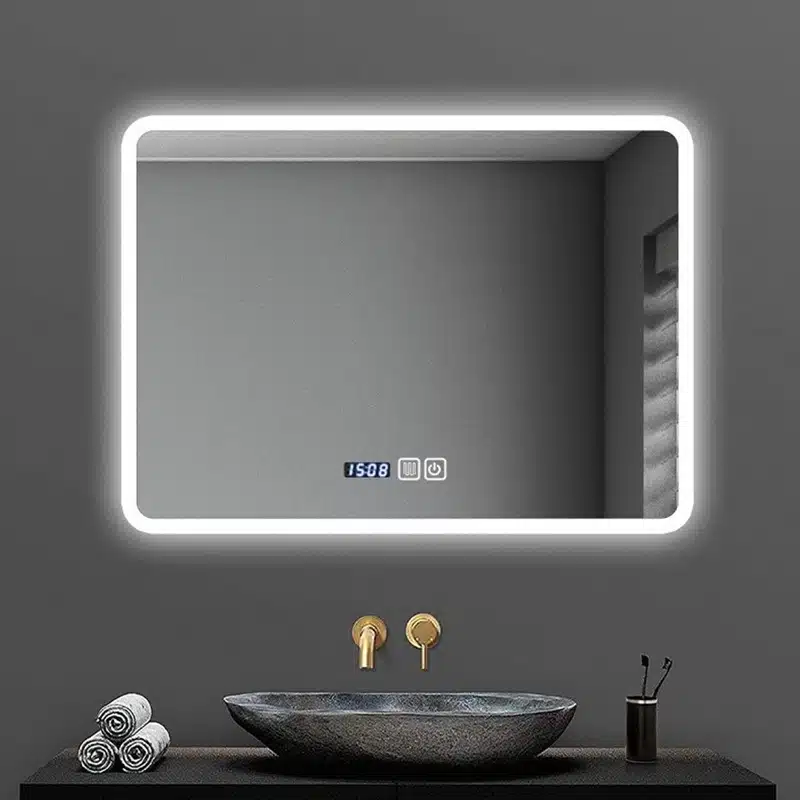
- Complementary Pairing: Combine a vanity with a functionally and stylistically matched smart mirror and basin to create a cohesive, ready-to-install package.
- Perceived Discount: The bundle price must represent a tangible saving over individual component costs to create a compelling financial reason to buy.
- Psychological Triggers: Use anchor pricing to highlight the savings from the combined individual prices. Limited-time offers can also introduce urgency.
The Shift Toward Flexible and Personalized Bundles
The market has moved beyond rigid, pre-packaged inventory. Today’s most effective bundling strategies are flexible and data-driven, optimizing sales without the high cost of physical inventory management. Virtual bundling is the new standard, allowing distributors to create dynamic offers on e-commerce platforms without the logistical burden of pre-packing items. This approach provides maximum flexibility and minimizes inventory risk.
Top-performing businesses now use purchasing data to tailor offers. By analyzing specific customer segments, they can create tiered pricing models or personalized bundles that are far more relevant and effective than a generic, one-size-fits-all approach. This level of customization makes the offer more appealing and significantly increases conversion rates.
Do You Need to Match Finishes?
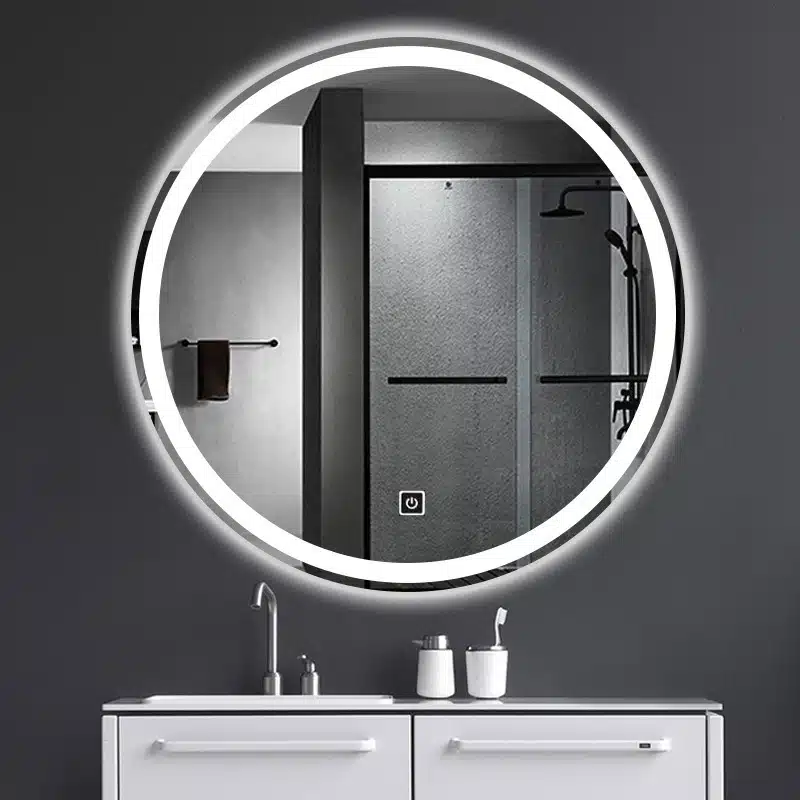
The market has moved past rigid, exact-match rules; the focus now is on coordinating undertones and materials to achieve a specific design intent, from seamless luxury to intentional contrast.
The question of whether to match finishes between a bathroom vanity and its mirror is less about a single correct answer and more about the desired aesthetic. The approach depends entirely on the design goal, whether it’s creating harmony, a high-end unified look, or a dynamic, layered space. Each strategy is valid when executed with clear intent.
Coordinating Tones for a Cohesive Look
By 2026, the dominant trend has shifted from exact matching to coordinating undertones. This approach provides visual harmony while allowing for greater design flexibility. Pairing warm metals with warm tones and cool metals with cool tones is the standard practice for creating a balanced look that doesn’t feel overly restrictive. This method ensures the components feel related without being identical.
- Pair warm finishes like brass or gold with vanities in warm wood or paint colors.
- Use cool finishes like chrome or nickel with gray, blue, or crisp white vanities.
Matching Finishes for a Seamless Aesthetic
For minimalist and luxury projects, perfectly matching the finishes of the vanity hardware, faucet, and mirror frame is highly effective. This strategy delivers a clean, tailored, and intentionally unified appearance that communicates precision and sophistication. A single, consistent finish across all elements removes visual noise and enhances a sense of order, making the space feel custom-built. It’s a timeless approach that works especially well with high-end materials.
- A single, consistent finish across all elements enhances a sense of order.
- This approach is effective for creating a streamlined and high-end aesthetic.
Mixing Finishes for Intentional Contrast
Contemporary design often embraces the thoughtful mixing of finishes to add depth and personality. For example, pairing a matte black aluminum mirror frame with brushed gold vanity hardware can create a striking focal point. This strategy works best when it is deliberate and consistent with the bathroom’s overall palette. The key is to avoid a random assortment of metals; instead, choose two or three complementary finishes and repeat them across different elements to create a curated, cohesive look.
- Limiting the mix to two or three complementary metals prevents the space from feeling chaotic.
- This method introduces visual interest without sacrificing a sense of harmony.
Boost Profits with Factory-Direct Bathroom Mirrors
What Is the “2-Inch Gap” Rule?
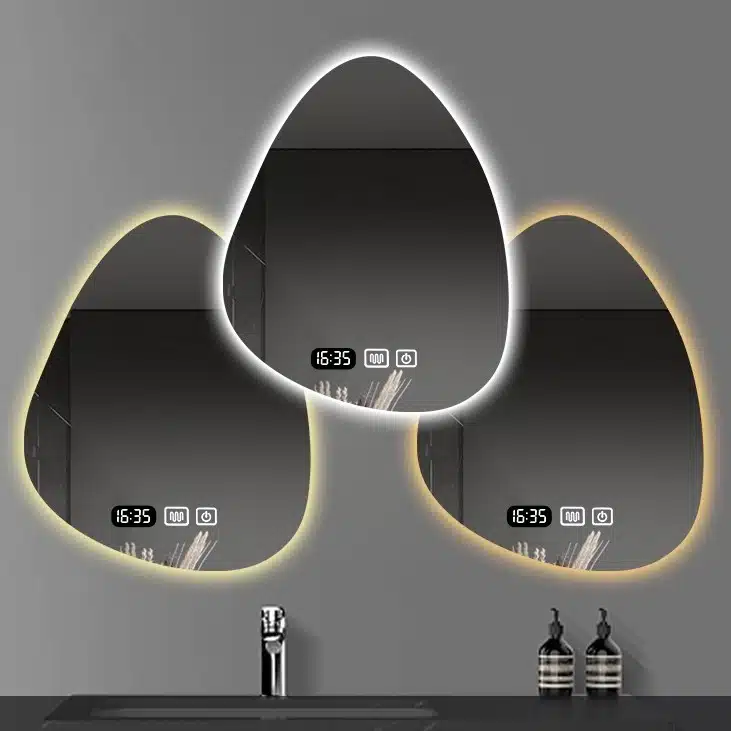
The “2-inch gap” rule is a design flaw in practice; functional layouts require a 4–6 inch gap for cleaning or a flush-to-wall installation to eliminate maintenance issues entirely.
Recommended Spacing for Functionality and Cleaning
The term “2-inch gap” is a common misnomer among designers and installers. Field experience shows that a two-inch space between a vanity and a sidewall is too narrow for any practical purpose. It creates a maintenance dead zone, trapping dust, moisture, and any items that might fall. The professional standard calls for a much wider, more functional space that allows for proper access and upkeep.
- A minimum gap of 3–4 inches provides just enough room to fit a hand or cleaning tool.
- An ideal gap of 4–6 inches offers comfortable access for thorough cleaning and makes it easy to retrieve dropped items.
- This spacing is critical in humid bathroom environments to prevent mold and mildew from growing in a hard-to-reach area.
| Installation Method | Key Characteristic | Practical Outcome |
|---|---|---|
| Flush-to-Wall | No gap between vanity and wall. | Creates a built-in look; eliminates cleaning needs and prevents lost items. |
| Functional Gap (Recommended) | 4–6 inch space. | Easy to clean, allows retrieval of dropped items, and prevents moisture traps. |
| “2-Inch Gap” (Not Recommended) | 2 inches or less of space. | Impractical to clean, accumulates dust and grime, creates a permanent maintenance problem. |
The Flush-to-Wall Alternative
The other sound approach is to eliminate the gap completely. Installing the vanity flush against the side wall creates a clean, built-in appearance and removes any awkward voids. This method is often preferred in minimalist or modern designs where seamless lines are a priority. It sidesteps the entire issue of cleaning a narrow space, as there is no space to clean. The choice between a functional gap and a flush installation comes down to the bathroom’s layout and the desired balance between aesthetic and long-term maintenance preferences.
Nest Mirrors or Ship Separate?
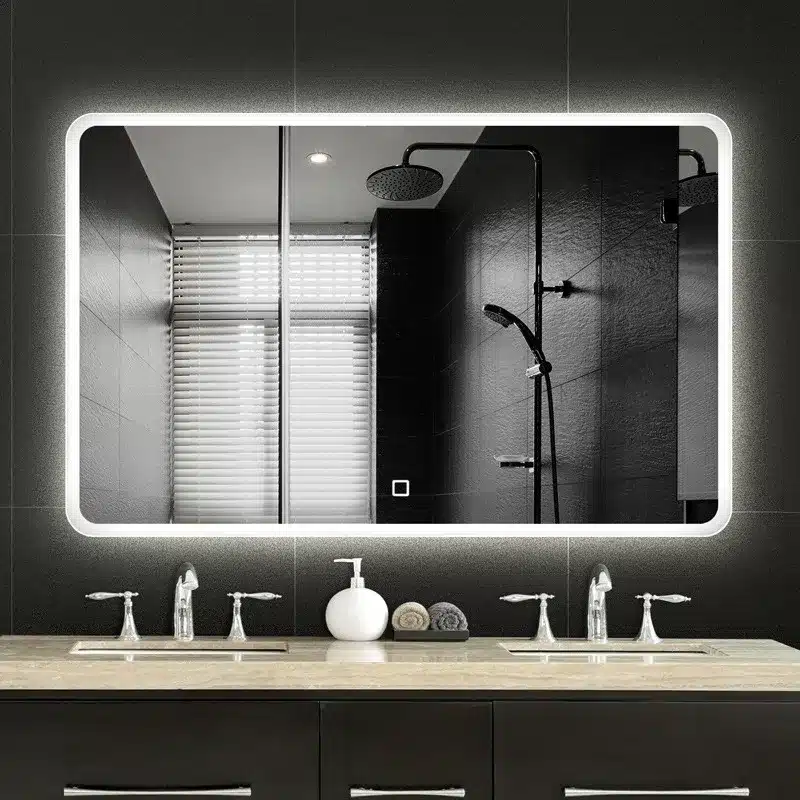
Bundling a mirror with a vanity has evolved from a simple sales tactic to a core logistics and design strategy that reduces project friction for builders and increases perceived value for homeowners.
Simplified Design and Installation
Bundling a vanity and mirror into a single package removes the guesswork for homeowners and builders. This approach ensures a cohesive, pre-matched design without the effort of sourcing separate components, a major draw for professionals seeking project efficiency. It offers a complete, coordinated solution that streamlines project completion timelines for builders, contractors, and interior designers. A bundled set also improves the customer experience by guaranteeing that all finishes and styles match perfectly out of the box.
| Parameter | Bundled Set (Wholesale/Project) | Separate Components (Retail/E-commerce) |
|---|---|---|
| Packaging Spec | Multiple units packed in a 5-layer master carton to maximize container space. | Individual honeycomb board or molded EPE foam packing designed to pass ISTA 3A drop tests. |
| Primary Goal | Freight cost reduction and efficient handling for large-scale projects. | Maximum protection for individual units during last-mile delivery. |
| Ideal Buyer | B2B project managers, hotel developers, and contractors. | B2C end-users and small-scale renovators buying single units. |
Increased Perceived Value
Presenting a vanity and mirror as an integrated set directly increases its perceived value. Homeowners and developers see these bundles as a better deal, which simplifies their budget decisions and boosts the potential resale value of the property. This approach appeals to cost-conscious buyers who want a unified package with a clear, upfront price. For manufacturers and distributors, bundling provides an opportunity for operational efficiency by moving related inventory together and streamlining SKU management.
Maximizing Visual Space and Light
A strategically paired mirror and vanity are essential for creating a functional and visually appealing bathroom. The combination is fundamental to maximizing the feeling of space and improving lighting efficiency, especially in smaller rooms. A well-matched set works together to create a harmonious environment, and a properly sized mirror can make a bathroom feel significantly larger. When smart mirrors with integrated lighting are paired with the right vanity, the room’s overall brightness and utility are enhanced even further.
Bundle SKU or Separate?
Creating a bundled SKU streamlines logistics and guarantees design cohesion for project-based sales, while separate SKUs provide flexibility for retail but increase inventory complexity and risk design mismatches.
Ensuring Cohesive Design and Aesthetics
Creating a single, bundled SKU for a vanity and mirror set guarantees a proportionally balanced and aesthetically synchronized final look. This integrated approach removes the guesswork for distributors and homeowners, delivering a professionally curated solution that enhances the bathroom’s perceived value. It positions the product as a complete design solution rather than a set of individual components.
- Bundles ensure that finishes, materials, and hardware are designed to complement each other, preventing mismatched styles.
- Manufacturers design these pairs with optimal proportions, eliminating the risk of an oversized mirror dwarfing a vanity or vice versa.
- A unified set simplifies the purchasing journey, reducing decision fatigue and appealing to customers seeking a cohesive, ‘ready to install’ outcome.
Optimizing Inventory and Streamlining Sales
For distributors and manufacturers, bundled SKUs simplify inventory management and directly contribute to a higher average order value. This strategy is highly effective for builders and designers who require efficient, all-in-one sourcing for residential or commercial projects. Selling a complete set in one transaction is a far more efficient commercial model than attempting to cross-sell separate components.
- Managing a single SKU for a set is more efficient than tracking two separate products, reducing logistical complexity and the risk of holding orphaned inventory.
- Bundled pricing often presents a better value proposition, encouraging larger initial purchases from contractors and retailers looking to maximize project budgets.
- Pre-matched sets streamline the procurement process for large-scale developments, ensuring both components are available and ready for installation together.
How to Market “Ready to Install”?
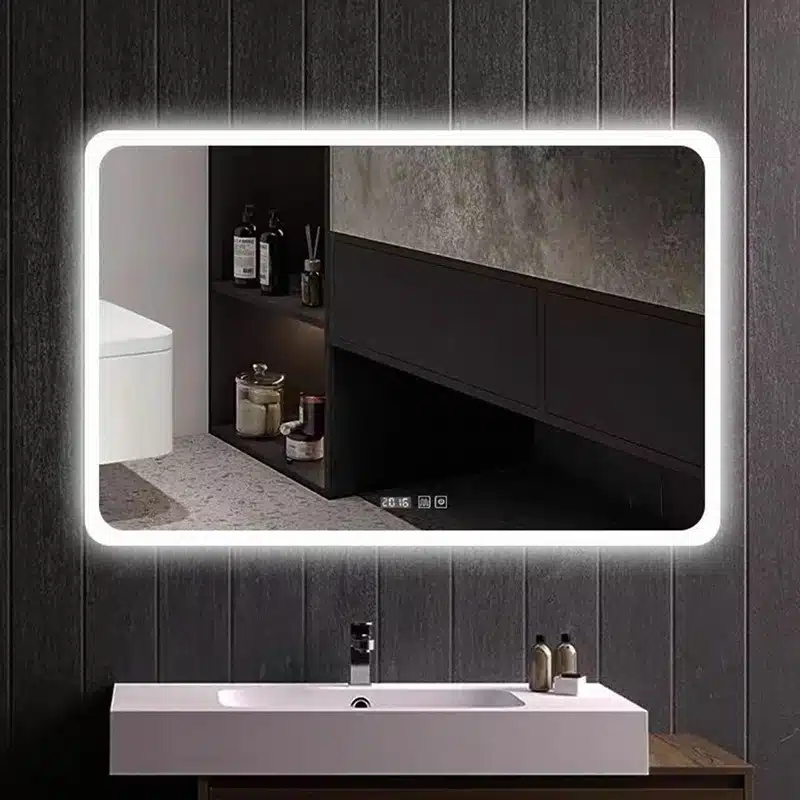
Marketing a “Ready to Install” bundle shifts the focus from selling individual products to selling a complete, stress-free design solution that accelerates project completion for both homeowners and professionals.
Emphasize Value and Simplicity
Position “Ready to Install” bundles as a solution-oriented purchase that removes complexity for the end-user. The core message is that customers get a cohesive, pre-matched design without the stress of selecting individual components, often at a better price. This strategy directly addresses the decision paralysis many homeowners experience during renovations, framing the bundle as the most efficient path to a finished, professional-looking space.
- Highlight the direct cost savings compared to purchasing a vanity and mirror separately.
- Focus on how a complete package eliminates guesswork and simplifies the renovation process.
- Showcase the convenience of a single, coordinated delivery and installation.
| Marketing Angle | Target: Homeowner | Target: B2B Professional |
|---|---|---|
| Value Proposition | Get a designer-curated look for less, with zero compatibility issues. | Increase project efficiency, ensure design consistency, and simplify procurement. |
| Key Message | “Your complete bathroom look in one box. No more guessing.” | “Pre-approved, spec-ready packages to accelerate your project timelines.” |
| Pain Point Solved | Eliminates decision fatigue and the risk of mismatched components. | Reduces time spent sourcing from multiple vendors and guarantees a cohesive result. |
Target Professional and B2B Channels
Develop marketing campaigns specifically for builders, contractors, and interior designers. These professional buyers prioritize turnkey solutions that save billable hours, streamline procurement, and ensure a consistent aesthetic across multi-unit projects. The value proposition for this audience is less about emotion and more about operational efficiency and predictable outcomes.
- Promote bundles as an efficient way to outfit properties while ensuring design consistency.
- Create partnership programs for builders and designers who need reliable, complete packages for developments.
- Emphasize how these pre-approved pairings meet project specifications and accelerate construction schedules.
Promote as a Cohesive Design Solution
Market the bundle as a curated design statement that enhances a home’s resale value, not just a set of products. Position the vanity as the “hero” item that anchors the bathroom’s style, with the mirror as its perfectly matched complement. This approach elevates the purchase from a functional necessity to a design investment.
- Use high-quality lifestyle imagery showing the complete, installed look in a realistic setting.
- Explain how a professionally matched set contributes to a higher perceived value and a polished finish.
- Develop themed collections (e.g., “Modern Minimalist,” “Classic Farmhouse”) to appeal to specific aesthetic preferences.
Conclusion
Pairing mirrors with vanities is more than a sales tactic; it’s a strategy for boosting margins. Getting the details right—from the 2-inch installation gap to smart SKU bundling—prevents costly errors and streamlines the customer experience. This approach transforms a simple sale into a complete, high-value solution.
Review your current product pairings to identify opportunities for a ‘full suite’ offering. To see how our quality simplifies installation, request our latest mirror catalog or a sample for evaluation.
Frequently Asked Questions
Should I buy vanity and mirror together?
Yes, buying a vanity and mirror together as a bundled set is highly recommended. This practice ensures perfect design and scale cohesion, simplifying your selection process. Manufacturers and retailers often offer these bundles at a perceived discount, typically 15-20% less than purchasing the items separately, which increases the overall value of your purchase.
How to match mirror to vanity?
To effectively match a mirror to a vanity, focus on three key elements. First, Width and Scale: The mirror should be 2-4 inches narrower than the vanity or the exact same width for a modern look; it should never be wider. Second, Style and Shape: The mirror’s design should complement the vanity’s aesthetic—a sleek, frameless mirror for a contemporary vanity or an ornate, framed one for a traditional style. Third, Finish and Color: The mirror frame should coordinate with the vanity’s hardware (faucet, knobs) or its wood/paint color to create a harmonious and intentional design.
Wholesale bathroom vanity sets?
Wholesale bathroom vanity sets are primarily available for B2B (business-to-business) clients such as contractors, developers, and retailers. These sets are purchased in bulk directly from manufacturers or distributors and are subject to Minimum Order Quantities (MOQs). The main advantage is significant cost savings through tiered pricing models, where the per-unit cost decreases as the order volume increases. This strategy is ideal for large-scale projects like hotels, multi-family housing, and retail inventory.
Best size mirror for 30 inch vanity?
For a 30-inch vanity, the ideal mirror width is between 26 and 28 inches. This sizing leaves a visually appealing 1-2 inch margin on each side, preventing the space from looking cramped. Alternatively, a mirror that is exactly 30 inches wide can create a clean, flush look, which works especially well with frameless or minimalist frame designs. The height of the mirror should be proportional to the wall space, typically ranging from 30 to 36 inches.
Packaging mirrors with vanities?
For safety during transit, mirrors and vanities are always packaged in separate, specialized boxes, even when sold as a set. The mirror is secured with high-density foam, corner protectors, and multiple layers of padding in a clearly labeled “Fragile” box. The vanity, especially a fragile stone top, is similarly protected with reinforced corners and often placed in a wooden crate or heavy-duty cardboard. This practice of shipping separate but linked items is a form of virtual bundling that minimizes damage while ensuring all components arrive together.
Does bathroom mirror need to match faucet?
While it is not a strict requirement, matching the bathroom mirror’s frame finish to the faucet’s finish is a strong design principle that creates a polished and cohesive look. For example, pairing a matte black frame with a matte black faucet or a brushed nickel frame with brushed nickel hardware produces a highly intentional and professionally styled result. If you choose not to match, ensure the finishes are complementary. A simple black or wood frame often works well as a neutral element with various metal finishes.





0 Comments