
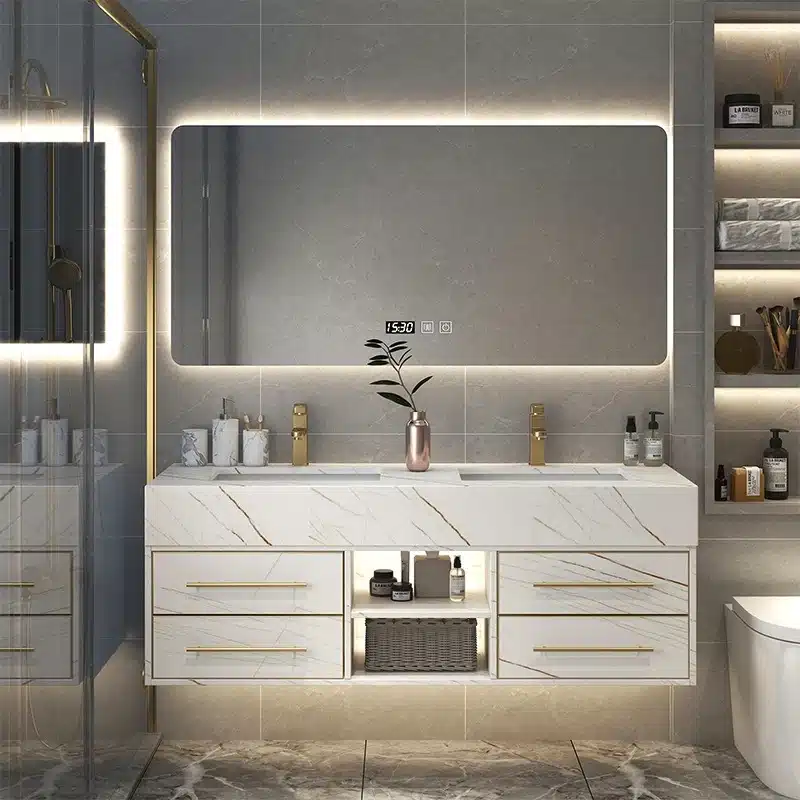
For importers running global distribution networks, the real work on bathroom vanity tariffs stopped being about headline duty rates a long time ago. You rip up your material sourcing playbook instead. Focuscabinet operates a 10,000 m² plant in Changge and supplies over 1,000 distributors. The value they keep delivering isn’t a catalog. It’s region-locked solutions that swallow regulatory curveballs and climate headaches across twenty different countries before they ever reach your warehouse.material sourcing strategy
The 50% Section 232 duty on imported wooden vanities goes live January 1, 2026. For any buyer still betting on a timber-heavy supply chain, that date wipes out distribution margins overnight. Your competitor will panic and eat the cost. You shift volume to PVC and Sintered Stone. The numbers hold. And you never actually sacrifice the durability or the look the end user expects.Section 232 duty
Understanding Section 232 Tariff Triggers
The 50% duty targets finished wood products, not PVC or stone, creating a critical margin gap.
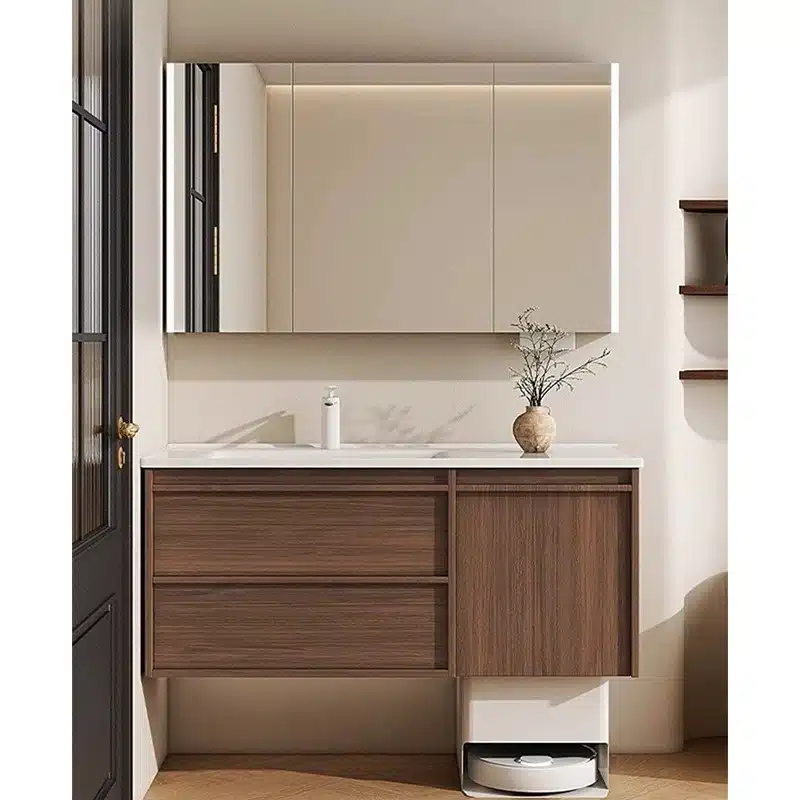
Section 232 slaps a flat 50% duty on imported wooden bathroom vanities and kitchen cabinets starting January 1, 2026. This follows an earlier 25% rate that took effect on October 14, 2026. Solid wood and plywood constructions sit squarely in the crosshairs. PVC and Sintered Stone units bypass this specific provision entirely.plywood structures
Wooden cabinetry supply chains soak up the worst of these levies. A $300 FOB vanity suddenly piles on an extra $150 in landed duty the moment the rule kicks in. Standard 30%-plus distribution margins vanish. Importers sitting on pre-tariff inventory watch their stock lose value in real time while newer, higher-priced shipments reset the market.
- Tariff timeline: 50% duty on imported wooden vanities and cabinets takes effect January 1, 2026. An initial 25% duty started on October 14, 2026. One more fact most buyers overlook: 85% of US softwood lumber still comes from Canada, which means even domestic manufacturers eat a 25% tariff on their raw materials.
- UBS Cost Estimate: Tariffs add roughly $280 to the cost of building an average single-family home.
Material Alternatives Bypassing Tariffs
PVC and Sintered Stone vanities bypass the 50% Section 232 tariff, protecting your 30%+ margin.
Starting January 1, 2026, a 50% duty lands on finished wood products, with bathroom cabinets and vanities square in the crosshairs. This is a direct hit to importers holding inventory of traditional solid wood or MDF units. The landed cost of a $300 wooden vanity jumps by $150 per unit overnight. That erodes thin distribution margins instantly.
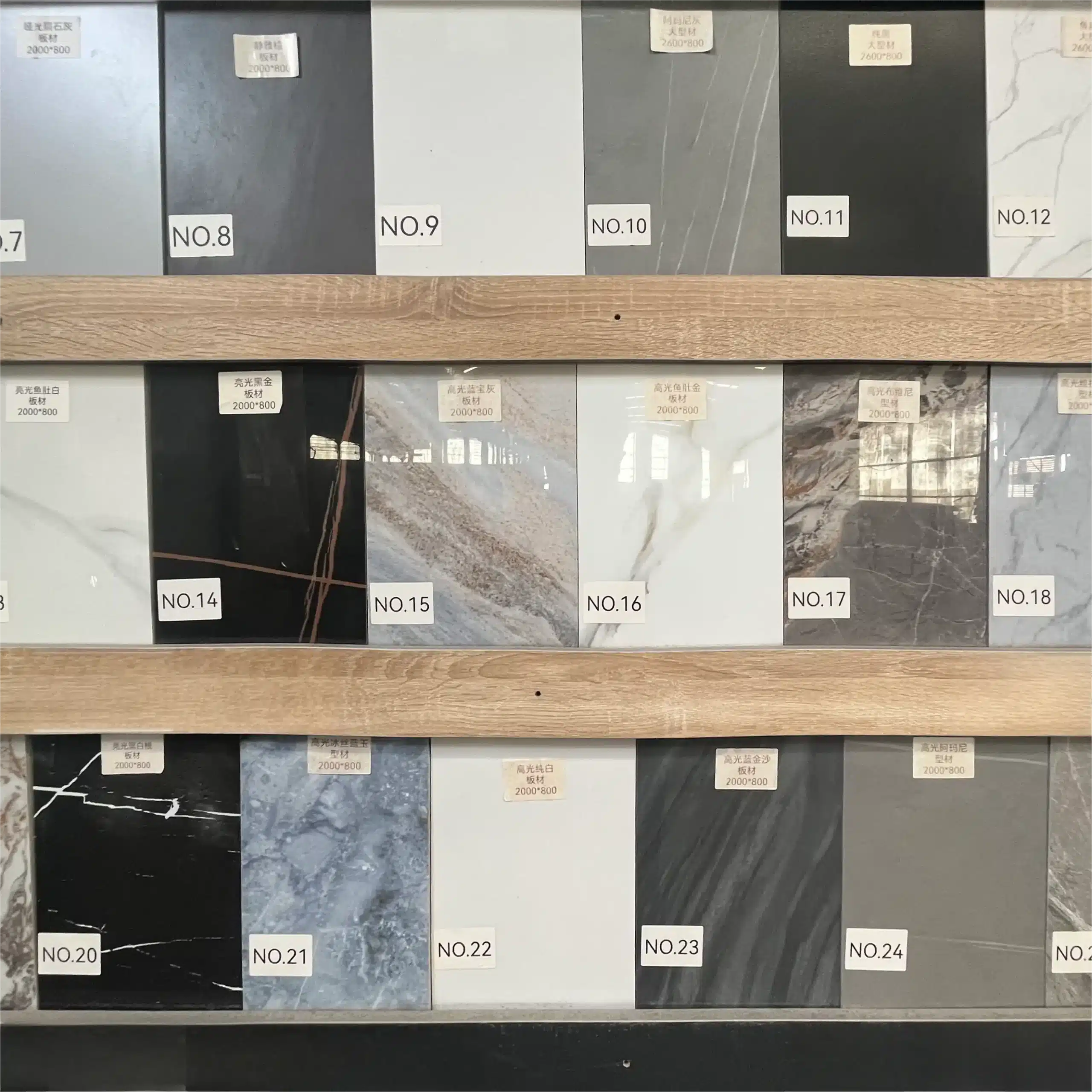
Non-wood materials stay outside these Section 232 duties. PVC vanities deliver 100% waterproof durability and trigger zero wood-specific tariff. Sintered stone basins and vanities bring scratch resistance and heat tolerance while completely bypassing the levy. Shifting your SKU mix toward these materials is the most direct path to protecting profitability.PVC vanities
- Cost Impact: Wood-based vanities face a 50% duty hike, piling significant cost onto the landed price. PVC and sintered stone options remain tariff-exempt, keeping your initial FOB margins intact. Exemption Status: The 2026 tariff specifically names “wood products.” Materials like PVC, solid surface, and sintered stone fall under a different classification, so they sidestep the Section 232 duties. Supply Chain Resilience: Even US-made cabinets are exposed. 85% of softwood lumber comes from Canada, already carrying a 25% tariff. Factories with diverse material portfolios offer better protection right now.
- Shift your SKU mix toward durable, cost-effective PVC for humid climates, and sintered stone for the luxury segment. These materials let you absorb tariff shocks while competitors wrestle with devalued wood inventory.
Beat the 2026 duty by locking in pricing for non-wood materials now. Use your OEM partner to pivot production fast. With MOQs as low as 10 to 20 units, you can test tariff-exempt designs that are durable and cost-effective without tying up cash in wood inventory that’s going nowhere.
| Material | Tariff Status | Risk | Alternative |
|---|---|---|---|
| Solid Wood | Subject to 50% Duty | Margin erosion, stranded inventory | Switch to PVC or Sintered Stone |
| PVC | Exempt (Non-Wood) | Low | 100% Waterproof, Ideal for Humid Climates |
| Sintered Stone | Exempt (Non-Wood) | Low | Scratch/Heat Resistant, Premium Aesthetic |
| Plywood/MDF | Subject to 50% Duty | High (Wood-based classification) | Hybrid designs with Stone Tops |
| US-Made Wood | Indirectly Hit | High (85% Canadian Lumber Tariff) | Direct Import from MFBATH Factory |
Impact on FOB Costs and Supply Chains
Logistics and tariffs act as silent margin killers beyond the base FOB price.
A 50% tariff on wood vanities slams distributor margins. The real damage isn’t just the duty rate. It’s the freight cost piled on top of already taxed inventory. Importers moving high volumes of wood units often see landed costs jump 60% or more. That wipes out the 30% gross margin most wholesalers need to stay afloat.landed costs
Domestic US manufacturing isn’t a safe bet. With 85% of softwood lumber imported from Canada, American factories face a 25% tariff on raw materials. Even domestic cabinets feel the cost squeeze. Direct global factories with diversified material portfolios become the only stable option.
- UBS estimates the tariff adds about $280 to the average single-family home build. But for a direct importer, a single $300 wooden vanity gets hit with a $150 duty increase. Pack 100 of those into a 40ft container, and you lose $15,000 in working capital instantly. That money comes straight out of distributor profits. Importers often overlook the cost of imported hardware and lumber. Even if the vanity base is exempt, premium hinges or Canadian softwood cores can trigger secondary duties. Factories that control the entire supply chain, from CNC precision cutting to integrated hardware sourcing, stop these hidden costs from eating into the FOB price. The market gap favors factories that can quickly switch materials. Pivoting to PVC or Sintered Stone, which bypass the 50% wooden vanity duty, lets importers keep their price points. Direct factories with flexible OEM lines can absorb the tariff shock by shifting production away from restricted woods without delaying lead times.
- Tariffs distort the total cost of ownership. When wooden vanities get too expensive, distributors rush to fill shelves with costly alternatives, pushing up air-freight costs to meet demand. Securing a reliable supply of non-wood materials like PVC or Sintered Stone keeps sea-freight viable, keeping the logistics footprint lean and profitable.
| Category | Impact | Mitigation | Margin Protection |
|---|---|---|---|
| Tariff Exposure | Wooden Vanities: +50% Duty (2026) | Shift to PVC/Sintered Stone (0% Duty) | Preserves 30%+ Gross Margin |
| Landed Cost | +$150/unit on $300 Vanity | Direct Factory FOB Negotiation | Absorbs Tariff Shock via OEM Flex |
| Supply Chain Risk | US Lumber Tariffs (+25% from Canada) | Global Sourcing (China/EU/NA) | Diversified Material Portfolio |
| Inventory Strategy | Stranded Wooden Stock Devaluation | Low MOQ Testing (10-20 Units) | Risk-Free Market Entry |
| Production Capacity | High Volume Demand (5,000 Units/Mo) | Automated CNC & 5-Stage QC | Consistent Supply & Quality |
Sourcing Strategy for 2026 Market Entry
Lock pricing before Jan 1, 2026, and pivot to PVC or Sintered Stone to bypass the 50% Section 232 duty.
The 50% tariff on wooden bathroom vanities hits January 1, 2026. Importers won’t absorb this as a small bump. A standard solid wood SKU that targets 30% gross margin loses all its profit on the spot. The priority is to lock in FOB contracts now, at current pricing, before the rate triggers. Wait until 2026 and you’re adding $150 in landed cost per $300 vanity. Most distribution channels can’t pass that spike to the customer without crushing volume.
Competitors left holding overpriced wooden stock will be forced to liquidate. The smarter move is to pivot to materials that skip the duty entirely. The Section 232 tariff targets wood products. That creates a clear arbitrage window for importers who switch to PVC or Sintered Stone vanities. MFBATH’s 10,000㎡ factory runs these non-wood materials through the same five-stage quality control as their premium lines. You don’t give up durability or aesthetics by switching materials.
- Tariff-exempt materials like PVC and Sintered Stone bypass the 50% wood duty. PVC delivers 100% waterproofing for humid climates. Sintered Stone gives you scratch resistance and a clean, modern look. Both keep the margin above 30% even with standard shipping. On the production side, factories that only run solid wood face dead inventory. MFBATH uses high-precision CNC and automated lines that can pivot between wood, PVC, and stone instantly. Importers shift volume as tariff policies change, without retooling delays.
- Don’t commit to full container loads of untested tariff-advantaged designs. MFBATH supports a low MOQ of 10 to 20 units for custom orders. Test market response to new PVC or Sintered Stone SKUs with minimal risk. Scale up once you confirm demand for the 2026 peak season.
US-made cabinets offer no safe harbor. With 85% of softwood lumber coming from Canada and now carrying a 25% tariff, domestic production costs are rising fast. The stable partners in this volatile trade climate are global factories running diverse material portfolios. Importers need a 2026 procurement plan right now. Work with suppliers offering low MOQs so you can test resilient alternatives before the cost spikes hit your bottom line.low MOQs
Conclusion
A 50% tariff on wooden bathroom vanities starts January 1, 2026. You have months to act. Moving to PVC or sintered stone sidesteps Section 232 duties completely, shielding distribution margins from a $150-per-unit landed cost increase. Factories with diversified material portfolios can retool production lines for these materials without sacrificing quality or compliance.
Frequently Asked Questions
Is there a tariff on bathroom vanities?
Yes, a 50% tariff on imported wooden vanities takes effect in 2026. Non-wood materials like PVC and sintered stone currently bypass these specific duties. Select non-wood materials to avoid wood-specific levies.
What is the Trump tariff on bathroom vanities?
The policy imposes a 50% duty on finished wood bathroom cabinets starting January 1, 2026. This rate follows an initial 25% phase-in from October 2026. Plan inventory transitions before the January 2026 deadline.
How will tariffs affect prices in 2026?
Tariffs increase landed costs significantly, adding roughly $150 per unit on a $300 vanity. Importers must shift to non-wood materials to protect distribution margins. Adjust material sourcing to mitigate per-unit cost spikes.
Is there going to be a tariff on cabinets?
Yes, a 50% tariff targets finished wooden cabinets and vanities. Materials like PVC and sintered stone remain exempt from these specific wood duties. Verify HS codes to confirm material-based exemptions.
What products did Trump exempt from tariffs?
Wooden vanities face new levies, but PVC and sintered stone products are exempt from these specific duties. These non-wood alternatives offer a compliant sourcing path. Focus on PVC or stone for tariff-free entry.

0 Comments