
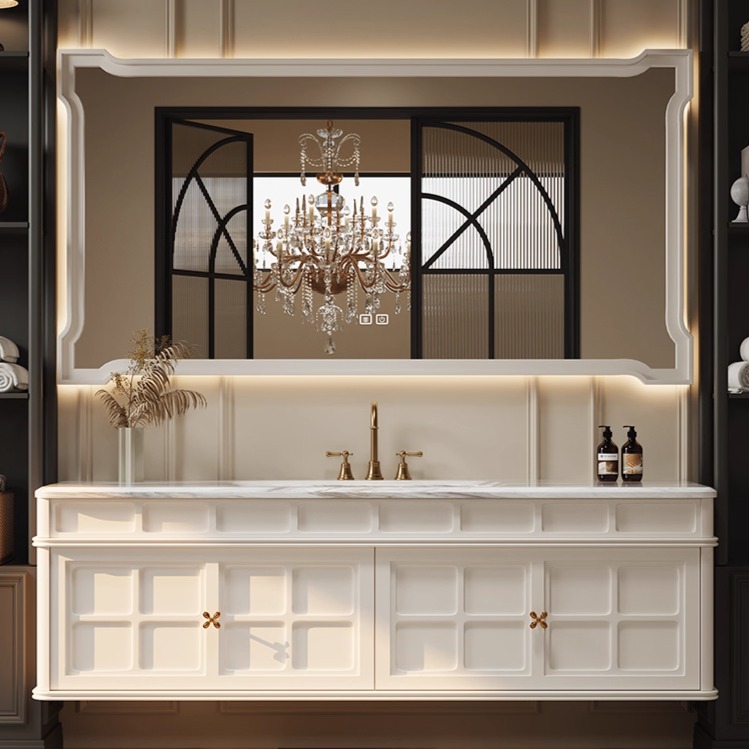
For manufacturers exporting to tropical regions, sourcing genuinely termite proof furniture is the primary defense against rejected shipments, costly warranty claims, and significant brand damage. A single infestation of termites or powder post beetles can compromise an entire container of wood vanities, turning a profitable order into a logistics nightmare. The core of the issue lies in the material itself, as insects have clear preferences between vulnerable solid sapwood and modern engineered panels.
This guide provides a technical breakdown of wood material science and pest control for furniture exporters. We will analyze how the glues and resins in engineered wood create a chemical barrier that deters bugs and how boric acid treatments protect plywood. We’ll also cover the essential operational steps, from meeting fumigation certificate requirements for export to implementing inspection protocols and structuring warranty exclusions for pest-related damage.
Why Is the Termite Threat a Major Concern for Vanities in Tropical Markets?
Tropical markets create a perfect storm of year-round warmth, high humidity, and aggressive termite species that can destroy untreated wooden vanities in just a few years.
Favorable Climate and Persistent Humidity
Tropical regions provide an ideal breeding ground for termites. The combination of consistent warmth and high moisture levels from frequent rainfall accelerates wood decay, which attracts pests. Unlike colder climates where termite activity can go dormant, the year-round warm temperatures in these markets allow colonies to stay active and feed continuously, posing a constant threat to any wooden fixtures.
Presence of Aggressive Termite Species
These markets are often home to exceptionally destructive termite species, such as the Formosan subterranean termite—also known as the “super termite.” This species is notorious for establishing massive colonies and consuming cellulose-based materials with incredible speed. Untreated wooden vanities, made from materials like solid wood or standard plywood, offer a concentrated and easily accessible food source, making them a prime target for rapid infestation and structural failure.
Why Do Termites and Insects Prefer Solid Sapwood in Furniture?
Insects target sapwood because it is a nutrient-rich, soft, and chemically undefended food source compared to the tree’s protected core, or heartwood.
Understanding wood composition is critical for sourcing durable furniture materials. Termites and wood-boring insects don’t view all parts of a tree equally. They specifically target the sapwood—the outer, living layers of a log—for clear biological and structural reasons. This preference makes untreated sapwood a significant liability in finished furniture, especially in high-risk tropical markets.
Higher Nutrient Content in Sapwood
Sapwood functions as the living pipeline for a tree’s nutrients, containing starches and sugars that make it an ideal food source for pests. Insects target this layer because it provides essential nourishment that the denser heartwood lacks. It is, for all practical purposes, a pantry for wood-boring bugs.
- Sapwood actively transports water and sap, which includes sugars and other organic compounds.
- This high concentration of accessible food makes it highly attractive to termites and beetles.
- In contrast, heartwood is metabolically inactive and does not contain these readily available nutrients.
Softer Density and Higher Moisture Levels
The physical characteristics of sapwood make it far easier for insects to infest. Its softer structure and higher moisture content create a favorable environment for pests to tunnel, nest, and thrive. This combination accelerates damage once a colony establishes a foothold.
- Sapwood is generally less dense than heartwood, allowing insects to chew through it with less effort.
- The elevated moisture level is a key attractant for many pest species, particularly subterranean termites that require damp conditions to survive.
- This combination of softness and moisture speeds up the colonization process once an infestation begins.
Lack of Natural Protective Chemicals
Heartwood contains natural defensive chemicals, or ‘extractives,’ that repel insects and prevent decay. Sapwood does not have this protection, leaving it completely vulnerable to attack. It is the younger, undefended outer layer of the wood.
- As a tree ages, its core (heartwood) accumulates compounds like tannins, oils, and resins.
- These extractives function as natural preservatives, providing built-in resistance against fungi and insects.
- Because sapwood has not yet developed this chemical protection, it remains an easy and undefended target for pests.
Dominate Your Market with Custom Vanities

How Do the Glues and Resins in Engineered Wood Deter Bugs?
Integrating insecticidal additives directly into the resin during manufacturing provides ‘inside-out’ pest protection, making the glue line a toxic barrier for wood-boring insects.
Integrating Insecticidal Additives into the Glue Line
Engineered wood manufacturers embed pest protection directly into the core of materials like plywood and MDF. During production, insect-repelling compounds are blended into the resin systems or sprayed onto wood components just before they are pressed together. This process ensures the deterrent isn’t just a surface coating; it becomes an integral part of the wood’s structure. When wood-boring insects attempt to tunnel through or consume the material, they encounter a toxic barrier that effectively stops the infestation from within.
| Protection Method | Application Process | Key Advantage |
|---|---|---|
| Glue-Line Insecticidal Additives | Blended directly into resin or sprayed on components before pressing. | Provides core-level protection (“inside-out”); eliminates need for post-production surface treatment. |
| Boric Acid / Borate Treatment | Often applied via vacuum pressure impregnation or added during manufacturing. | Industry standard for plywood/OSB; low toxicity and can offer fire retardant properties. |
| Untreated Engineered Wood | No specific pest treatment applied during or after production. | Lowest initial material cost but remains highly vulnerable in high-risk zones. |
Effectiveness and Current Limitations of Additives
Formulations designed to combat insects have a strong track record of reliable performance. Field data confirms their effectiveness in preventing attacks from termites and other wood borers. The same level of certainty does not yet apply to fungicidal additives intended to stop decay from moisture and fungi. While promising, these treatments require more field-based validation to establish their long-term performance, especially in consistently damp or humid environments. This distinction is critical for specifying materials in bathrooms or tropical climates where both pests and moisture are concerns.
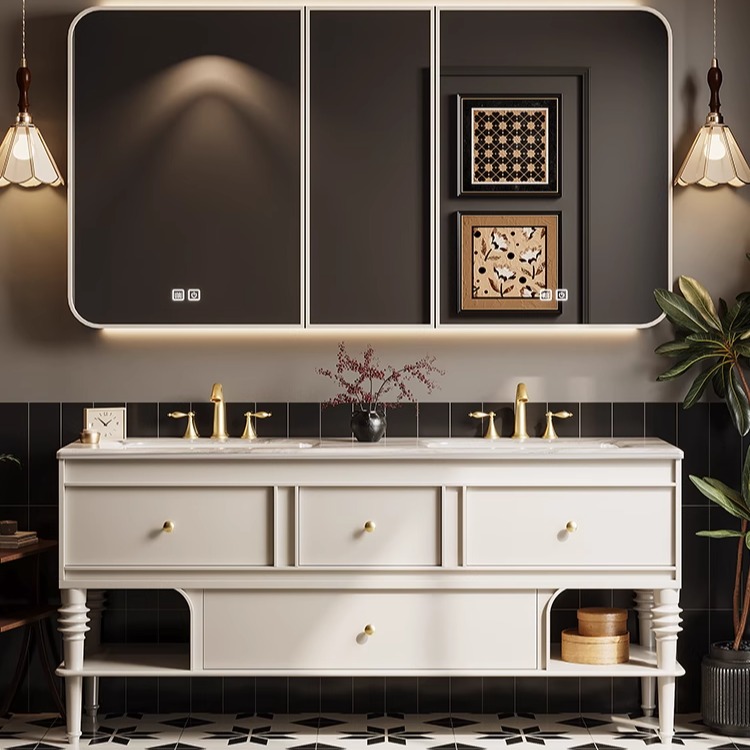
How Does Boric Acid Treatment Protect Plywood from Pests?
Boric acid treatments are integrated directly into plywood during manufacturing, providing comprehensive, core-deep pest resistance that surface-level applications cannot match.
Integration During Manufacturing vs. Post-Application
The industry standard for protecting engineered wood like plywood, OSB, and CLT is to infuse borate treatments at the factory. This process ensures the protective compounds are present throughout the entire wood structure, not just on the surface. Integrated protection is far more durable and reliable than secondary on-site chemical sprays, which can leave untreated gaps if the wood is cut or scratched after installation.
| Protection Method | Effectiveness | Primary Weakness |
|---|---|---|
| Factory-Integrated Borate Treatment | Comprehensive, long-term protection throughout the core. | Higher initial material cost compared to untreated wood. |
| On-Site Surface Spray | Surface-level, temporary protection. | Vulnerable to cuts and scratches; wears off over time. |
| Untreated Plywood | None. | Highly susceptible to termites, borers, and moisture damage. |
Dual-Benefit Formulations for Pest and Fire Retardancy
Many modern borate treatments are formulated to provide both pest protection and fire retardancy. This dual functionality is efficient, offering a single-solution approach to meet multiple safety and building code requirements. Using one consolidated treatment simplifies material sourcing, reduces labor, and helps ensure compliance across residential and commercial projects where safety standards are strict.
Alignment with Sustainability and Eco-Certification
Boric acid is a low-toxicity alternative to harsher synthetic preservatives, which positions it as a more sustainable choice. Its use helps wood products meet various eco-certification standards and green building initiatives. For buyers prioritizing environmentally responsible materials, borate-treated plywood offers long-term efficacy without relying on more aggressive chemical compounds, satisfying both performance and sustainability goals.
What Are the Fumigation Certificate Requirements for Exporting Wood Vanities?
Any wood-based product shipped internationally must comply with ISPM 15 standards, and failure to provide a valid fumigation certificate is a guaranteed way to get your entire container rejected at the port.
When exporting wood vanities or any furniture containing solid wood components, you must adhere to the International Standards for Phytosanitary Measures No. 15 (ISPM 15). This global regulation prevents the international spread of wood pests and diseases. Compliance isn’t optional; it’s a fundamental requirement for customs clearance in most major markets. The process involves specific treatments and meticulous documentation to prove the wood is pest-free.
Core ISPM 15 Treatment and Documentation Standards
To meet ISPM 15 requirements, all wood materials must first be debarked, as the bark can harbor pests. After that, the wood undergoes one of two approved treatments: heat treatment or fumigation with methyl bromide. The choice of method often depends on the facility’s capabilities and the destination country’s preferences. A certificate is then issued that details every aspect of the treatment, acting as a passport for the wood products.
| Parameter | Heat Treatment (HT) | Methyl Bromide (MB) Fumigation |
|---|---|---|
| Method | Wood is heated in a kiln until its core reaches a minimum temperature of 56°C (133°F) for at least 30 minutes. | Wood is fumigated with methyl bromide gas in a sealed chamber for a minimum of 24 hours. |
| Market Perception | Widely preferred as a clean, chemical-free, and environmentally friendly option. | Effective but less favored in some markets due to the use of chemicals. Its use is being phased out globally. |
| Certification Stamp | Treated materials are marked with the IPPC logo and the code “HT”. | Treated materials are marked with the IPPC logo and the code “MB”. |
| Required Documentation | Certificate must specify treatment duration and temperature ranges achieved. | Certificate must list the specific fumigants used, concentration levels, and treatment duration. |
After treatment, the wood materials or packaging must be stamped with a recognized IPPC mark. This stamp includes the country code, the producer’s unique registration number, and the treatment code (HT for heat treatment or MB for methyl bromide), providing clear, traceable evidence of compliance.
Certificate Validity, Issuance, and Market Compliance
A fumigation certificate has a strict validity period of 21 days from the date of issuance. This means the shipping container must be loaded and sealed within this three-week window. If the deadline is missed, the wood must be re-treated and a new certificate issued, causing significant delays and extra costs. These certificates are typically issued by a country’s national customs office, commodity inspection bureaus, or government-authorized fumigation agents.
Compliance is non-negotiable for entry into major markets, including the European Union, UK, Canada, USA, and Australia. Port authorities in these regions will not clear cargo without a valid certificate. Any shipment arriving with missing, expired, or incorrect documentation can be quarantined, returned to the origin at the shipper’s expense, or even destroyed. For B2B buyers, verifying your supplier’s expertise in handling fumigation logistics is as important as checking the product quality itself.
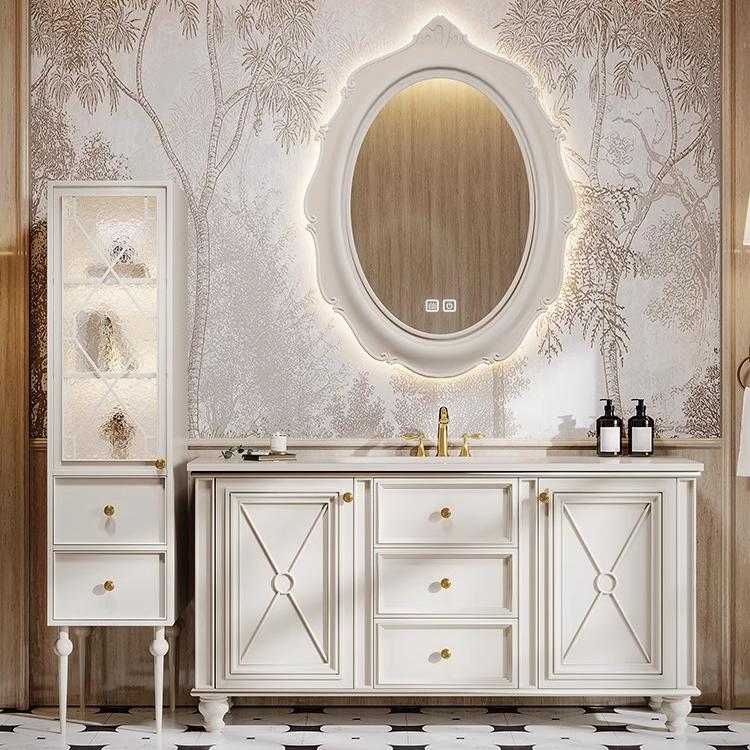
How Do You Inspect Wood Cabinets for “Powder Post Beetles”?
A proper inspection for powder post beetles involves identifying their signature exit holes and fine, powdery frass, while distinguishing between fresh, light-colored dust (active) and dark, crusted dust (old) is key to determining the need for treatment.
Identifying the Key Signs of an Infestation
To find a powder post beetle problem, you must look for distinct physical evidence. The most common signs are tiny holes on the wood surface and a fine, flour-like dust called frass that accumulates underneath. Unlike frass from other wood-boring insects which can be coarse or pellet-like, powder post beetle frass is uniquely fine and feels like talcum powder. This is the most definitive indicator of their presence.
- Search for small, round exit holes, usually 1/32 to 1/8 inch in diameter.
- Check for piles of very fine, powdery dust (frass) on or below the wood.
- Tap the wood to listen for hollow sounds, which can indicate extensive internal tunneling and damage.
Distinguishing Between Active and Old Damage
Determining if an infestation is current or from the past is essential. Finding old damage doesn’t necessarily mean you have an active problem that requires immediate chemical treatment. Fresh, light-colored dust is a clear sign of active beetles, while dark, caked-over dust suggests an old infestation that may have already run its course. The appearance of the exit holes also provides clues.
- Active infestations produce fresh, light-colored frass that resembles fine sawdust and accumulates in small mounds.
- Newly formed exit holes will lack the darker, weathered appearance of the surrounding wood.
- Old damage is identified by dark, dirt-caked frass and exit holes that appear aged and blend in with the wood’s patina.
Performing a Systematic Inspection
A thorough inspection involves methodically checking all wood surfaces and using a simple marking technique to confirm beetle activity. Pay close attention to unfinished areas where wood is most vulnerable. Spring and summer are the primary emergence seasons, making this the best time to check for new activity.
- Examine all exposed wood, paying close attention to unfinished spaces like the backs of cabinets, crawl spaces, and attics.
- Probe suspicious spots with a sharp tool like an awl or screwdriver to feel for weakened wood or internal tunneling.
- To confirm activity, mark existing holes with a pencil, clean away all frass, and check back in a few weeks for any new powder or unmarked holes.
How Should You Structure Warranty Exclusions for Pest Damage?
A well-defined warranty protects manufacturers by clearly outlining liability limits for pest damage, focusing on pre-existing conditions, client negligence, and environmental factors outside of your control.
When selling wood products, especially into tropical markets, pest damage is a real commercial risk. A vague warranty can lead to costly disputes and erode client trust. Structuring your exclusions with precision is not about avoiding responsibility; it’s about defining the scope of your product’s guarantee and educating the client on their maintenance obligations.
Define Common Exclusion Categories
Your warranty’s foundation rests on clearly defining what is not covered from the start. This prevents liability for issues that existed before your product was installed or that fall outside the agreed-upon treatment and service area. Base your exclusions on documented, verifiable conditions.
- Pre-existing Damage: Always exclude damage that was present before installation or service. Use photographic evidence during the initial site assessment to create a clear baseline, differentiating old infestations from any potential new activity.
- Untreated or Inaccessible Areas: Explicitly state that the warranty does not cover areas that were not part of the original treatment plan. This includes hidden crawl spaces, sealed wall cavities, or external structures not specified in the agreement.
- Structural and Cosmetic Scope: Limit liability to the primary product. Exclude detached structures (like sheds), fences, and secondary cosmetic repairs. The warranty should cover the product itself, not the surrounding building or unrelated items.
Specify Conditions That Void Coverage
Certain actions or events can compromise the effectiveness of any pest treatment or product protection. Clearly list the conditions that will nullify the warranty, shifting responsibility to the property owner when their actions create new vulnerabilities.
- Client Negligence: State that failure to perform routine property upkeep, address sanitation issues, or follow manufacturer recommendations voids all coverage. This includes letting untreated wood or debris pile up against a structure.
- Unauthorized Modifications: Include a clause for any renovations or structural changes that disturb treated zones. If a homeowner alters the property in a way that breaks a chemical barrier or exposes untreated wood, the warranty is nullified.
- Moisture-Related Issues: Exclude damage resulting from unresolved moisture problems. Leaks, floods, or poor drainage create ideal conditions for pests. Coverage is void unless the property owner promptly and professionally rectifies the underlying water issue.
Clarify Financial Limits and Maintenance Requirements
To manage financial risk and ensure long-term product integrity, the warranty must define monetary caps and the client’s ongoing duties. This ensures both parties understand their financial obligations and the steps required to keep the warranty active.
- State Financial Caps: Clearly document any dollar-amount limits on coverage for repairs or re-treatments. This is a standard practice that prevents open-ended financial liability.
- Mandate Annual Inspections: Require annual professional inspections to keep the warranty valid. This proactive step helps detect new threats early and confirms the client is maintaining the property correctly.
- Distinguish Treatment from Damage Repair: Clarify that the warranty guarantees pest extermination or product replacement but does not cover collateral issues. Exclude secondary costs like structural repairs to the building or damage to personal contents.
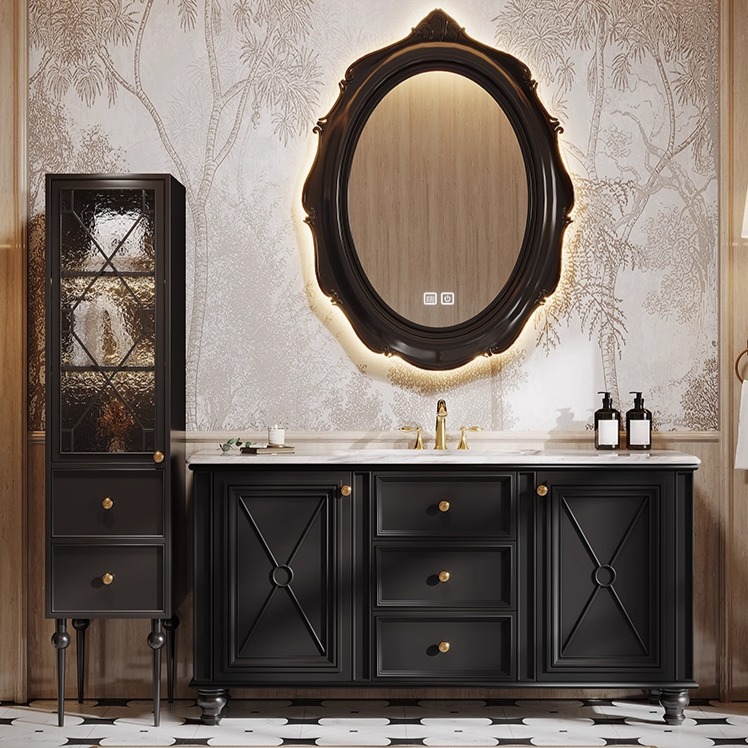
Conclusion
Selecting the right cabinet material is more than an aesthetic choice; it’s a crucial defense against costly pest damage. Engineered boards and properly treated woods provide reliable protection that secures your brand’s reputation and ensures smooth customs clearance. This proactive approach minimizes warranty claims and protects your investment.
To ensure your vanities are specified for your target market, contact our team for a material consultation. We can help you select the ideal core materials and treatments to balance budget, durability, and pest resistance.
Frequently Asked Questions
Is MDF termite proof?
No, standard Medium-Density Fiberboard (MDF) is not termite-proof. Because it is a cellulose-based product made from wood fibers, termites can and will consume it. While its density can slow them down, it provides no long-term protection. For high-risk applications, it is essential to use MDF that has been chemically treated with termiticides like borates during the manufacturing process to provide effective resistance.
Termite resistant wood for furniture?
Several types of wood offer excellent termite resistance. Naturally resistant woods like Teak, Cedar, Redwood, and Cypress contain oils and resins that act as a deterrent to pests. Alternatively, pressure-treated lumber, typically pine or fir, is chemically infused with preservatives to provide robust, long-lasting protection against both termites and fungal decay, making it a highly reliable choice for durable furniture.
Treating wood for export?
For international export, all solid wood products and packaging must comply with the ISPM 15 standard to prevent the spread of pests. The two primary approved treatment methods are Heat Treatment (HT), where the wood’s core is heated to at least 56°C for 30 minutes, and Chemical Fumigation, typically using methyl bromide (MB) or sulfuryl fluoride. Once treated, the wood is stamped with an official mark of compliance.
Powder post beetles in furniture?
Powder post beetles are wood-boring insects whose larvae feed on hardwoods, damaging furniture from the inside out. Key signs of an infestation are tiny, round exit holes (“pinholes”) on the wood surface and fine, powder-like sawdust called frass. Infestations often originate from improperly kiln-dried lumber. Treatment options include targeted borate solutions, surface insecticides, or professional fumigation for severe cases.
Fumigation certificate for furniture?
A fumigation certificate is an official document issued by a certified pest control operator that confirms that wooden items, including furniture, have undergone a specified pest control treatment. This certificate is often a mandatory requirement for international shipping to satisfy the customs and quarantine regulations (like ISPM 15) of the importing country, ensuring no invasive species are transported across borders.
Plywood vs termites?
Standard plywood is not immune to termites. While the adhesive resins used between the wood veneers can act as a minor deterrent, aggressive termite species can easily tunnel through and delaminate the layers. For true protection, pressure-treated plywood is the industry-standard solution. This type of plywood is infused with chemical preservatives, making it highly resistant to both termite attacks and moisture-related decay.




0 Comments