

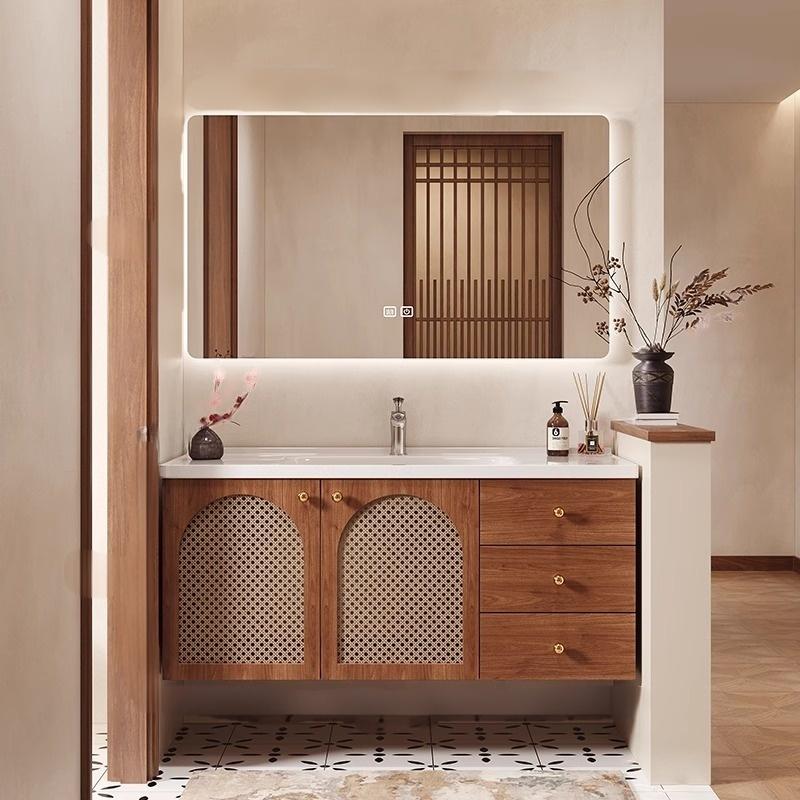
Specifying the correct high gloss bathroom vanity finish is the critical step that separates a successful project from one plagued by costly callbacks and warranty claims. While polished paint, acrylic, and PET laminates all deliver a sleek, modern look, their underlying material properties create major differences in long-term performance. A surface that looks perfect in a showroom can quickly fail when exposed to the humidity, cleaning agents, and daily use of a real-world bathroom environment, leading to client dissatisfaction and unexpected repair costs.
This analysis serves as a technical standard operating procedure for specifying high gloss surfaces. We move beyond marketing claims to directly compare the structural advantages and disadvantages of Piano Paint (PU), Acrylic (PMMA), and PET laminate. The evaluation focuses on quantifiable metrics: scratch resistance data, specific procedures for repairing surface damage, and a clear breakdown of the cost differences, enabling you to make an informed decision based on project budget and durability requirements.
Why Are High Gloss Modern Bathroom Vanities So Appealing?
High gloss vanities dominate the modern bathroom market by combining light-reflective surfaces that visually expand small spaces with a sleek, minimalist aesthetic that is easy to maintain.
Visual Space Enhancement
The primary driver behind the high gloss trend is its ability to manipulate light. These surfaces act like mirrors, bouncing both natural and artificial light around the room. This reflectivity creates a powerful illusion of depth, making compact bathrooms feel significantly larger and more open.
- Reflects both natural and artificial light, brightening the entire room.
- Creates a sense of depth, making walls seem farther apart.
- Contributes to a clean, airy atmosphere.
Alignment with Modern Design
High gloss finishes are the default choice for modern and minimalist design. Their uniform, seamless surface provides a clean, sophisticated look that doesn’t rely on decorative hardware or complex profiles to make an impact. This clean-lined aesthetic is central to contemporary interior trends.
- Offers a smooth, uniform surface that fits modern aesthetics.
- Complements minimalist hardware and fixtures.
- Provides a sharp, polished look that feels current and stylish.
Practicality and Ease of Maintenance
Aesthetics aside, high gloss vanities are practical. The non-porous finish creates a sealed surface that is simple to wipe down, effectively resisting stains from common bathroom products like makeup or soap. Modern formulations have also improved durability, standing up well to daily use and moisture exposure.
- Wipes clean easily with a soft, damp cloth.
- Resists stains from makeup, soap, and other bathroom products.
- Modern finishes provide good scratch and moisture resistance.
Why Is Piano Paint (Polished PU) Beautiful but Fragile for Cabinets?
Piano paint provides a visually impressive, high-gloss finish at a lower cost, but this aesthetic comes at the trade-off of long-term durability and makes seamless repairs nearly impossible.
The Advantage of Appearance Over Longevity
Piano paint, or polished polyurethane (PU), is a cost-effective way to get an elegant, hard-wearing surface. Its main appeal is its initial high-gloss aesthetic, making it a common choice for projects where visual impact is more critical than long-term serviceability. It delivers that smooth, reflective surface essential for modern cabinet designs without the higher cost of more advanced finishes.
- Oil-based polyurethane offers superior aesthetics and faster drying times compared to water-based alternatives.
- It is frequently used for budget-conscious refinishing jobs where the initial appearance outweighs the complexity of future repairs.
- The finish creates a smooth, reflective surface that enhances the look of modern cabinet designs.
The Challenge of Brittleness and Repair
The main drawback of a polyurethane finish is its inherent brittleness and the difficulty in performing repairs. Unlike more durable options like polyester, PU can separate from the wood during repair attempts. This delamination makes seamless, invisible fixes nearly impossible, as the material resists blending with touch-up compounds.
- The material’s brittleness makes it less resistant to scratches and water damage compared to modern polyester finishes.
- When damaged, the finish tends to lift or chip away from the wood substrate rather than blending with touch-up materials.
- This limited serviceability is a key reason many manufacturers prefer alternative finishes for high-use furniture.
Custom Bathroom Solutions to Grow Your Brand.
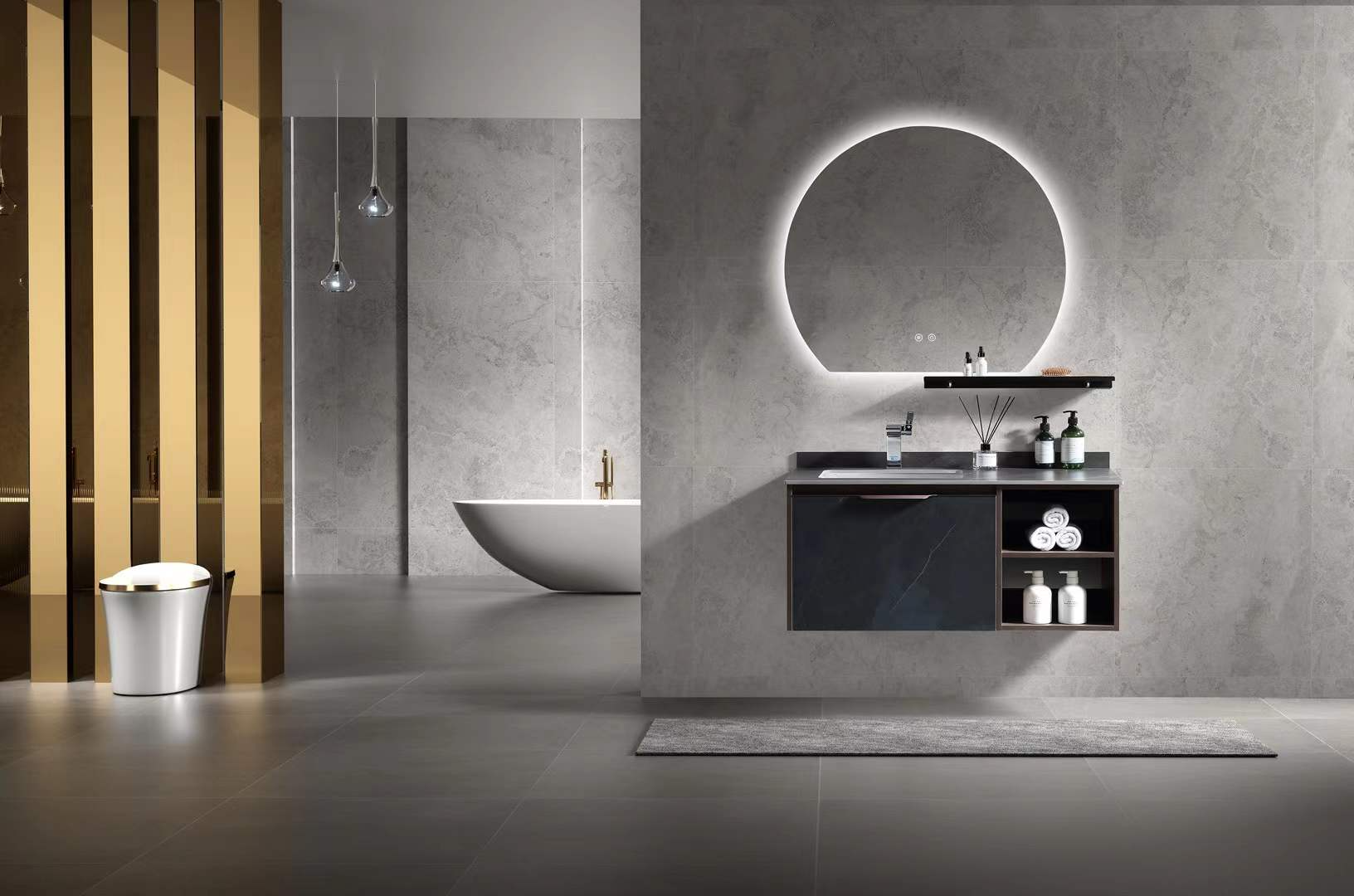
How Does an Acrylic (PMMA) Face Provide a Glass-Like Alternative?
PMMA offers the pristine optical clarity of glass at a fraction of the weight and with superior shatter resistance, making it a practical and safe choice for high-gloss bathroom fixtures.
Exceptional Clarity and Lightweight Design
PMMA, or acrylic, delivers the visual appeal of glass without the associated weight and fragility. Transmitting over 90% of available light, it produces a pristine, high-gloss appearance perfect for modern bathroom vanities. Its significantly lower weight makes cabinet doors easier to install and reduces the long-term structural load on hinges and frames.
- Offers optical clarity comparable to glass, ensuring a bright and reflective surface.
- Significantly lighter than glass, which reduces stress on cabinet hardware.
- Its cost-effectiveness and ease of machining allow for precise, clean designs in bathroom fixtures.
Superior Impact Resistance and Safety
Unlike traditional glass, PMMA is shatter-resistant, making it a much safer material for high-traffic areas like family bathrooms. While it is best suited for static, low-impact applications, advancements in surface coatings are continually enhancing its durability for long-term use in demanding environments.
- Provides far greater shatter resistance than glass, minimizing safety risks from accidental impacts.
- Ideal for design-focused fixtures where the primary goal is aesthetic appeal without high-impact exposure.
- Ongoing improvements in scratch-resistant treatments enhance PMMA’s durability in applications like high-gloss cabinets.
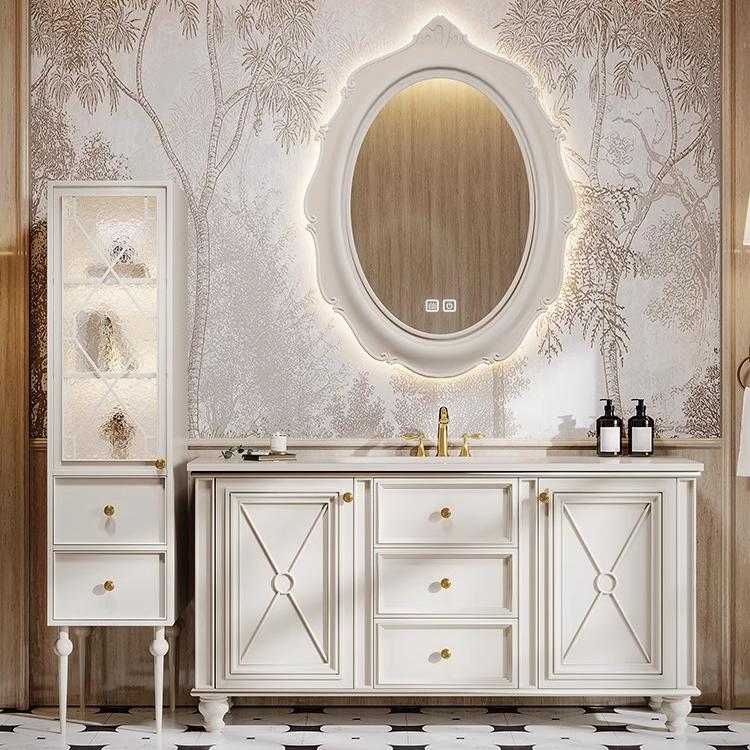
Why Is PET Laminate Considered Eco-Friendly and Peel-Resistant?
PET laminates combine sustainability—driven by lower energy production and recyclability—with robust physical performance, making them a reliable, peel-resistant finish for modern cabinetry.
Environmental Benefits of PET Laminates
PET laminates are recognized for their sustainable properties. The manufacturing process consumes significantly less energy and produces minimal chemical emissions compared to traditional decorative materials, making them a preferred choice for projects requiring adherence to strict environmental standards.
- The production process uses approximately 55% less energy compared to traditional decorative materials.
- PET is recyclable throughout its lifecycle, supporting a circular economy.
- These laminates are formaldehyde-free and have ultra-low VOC emissions, meeting certifications like CARB, EPA, and E1/E0.
Performance and Durability Advantages
Beyond its green credentials, PET laminate delivers strong performance and durability. Its composition provides a stable, resilient surface that maintains its aesthetic appeal in high-use residential and commercial interiors. The material’s resistance to delamination is a key factor in its reputation as a peel-resistant solution.
- The material is engineered for durability, offering a high-performance surface for modern cabinetry.
- It is widely adopted for both high-gloss and super-matte textured finishes, demonstrating its versatility and reliability.
- Its stability and superior bonding prevent the cracking, flaking, or peeling common in lesser finishes under normal use.
How Do High Gloss Finishes Compare in Scratch Resistance?
Modern high-gloss finishes have moved beyond brittle hard coats, now using hybrid nano-structured formulations that blend hardness with flexibility for superior elastic recovery against minor abrasions.
The Role of Hybrid Nano-Structured Coatings
The coatings industry has seen a significant shift away from traditional, brittle topcoats. Modern high-gloss finishes now rely on hybrid nano-structured formulations designed to balance hardness with flexibility. These advanced coatings integrate silicate nanoclusters and specialized resin systems to create a surface with high elastic recovery. This means the finish can absorb minor impacts and spring back from light scuffs, preserving its pristine look far longer than older technologies.
- Formulations integrate silicate nanoclusters and advanced resin systems for enhanced performance.
- This technology provides excellent elastic recovery, helping surfaces resist minor scuffs and marks.
- The industry prioritizes solutions that balance durability with flexibility, a departure from older, more fragile hard coatings.
| Finish Type | Scratch Resistance Mechanism | Practical Durability |
|---|---|---|
| Polished PU (Piano Paint) | Relies on a very hard, but brittle, surface layer. Lacks flexibility. | Susceptible to fine scratches and chipping. Difficult to perform localized repairs. |
| Acrylic (PMMA) Face | Inherently softer than PU but benefits from advanced scratch-resistant topcoats. | Good overall durability for indoor use. Minor scratches can often be buffed out. |
| PET Laminate | Combines a resilient thermoplastic film with a dedicated Super Scratch Resistant (SSR) hard topcoat. | Excellent resistance to scratches, impacts, and chemicals. Ideal for high-traffic areas. |
Multi-Layer Strategies and Self-Healing Properties
Top-tier finishes achieve comprehensive protection through multi-layer strategies. This involves combining specialized clearcoats with protective films and even ceramic coatings to build a robust defense system. Some of the most advanced finishes now incorporate self-healing properties. When minor surface scratches occur, exposure to a trigger like heat from a heat gun or direct sunlight can cause the polymer structure to re-align, effectively erasing the mark and restoring the original gloss.
- Combining specialized clearcoats, films, and ceramic coatings creates a comprehensive defense system.
- Advanced finishes can feature self-healing capabilities activated by external triggers like heat.
- These innovations ensure long-term aesthetic retention and improved resilience against daily wear.
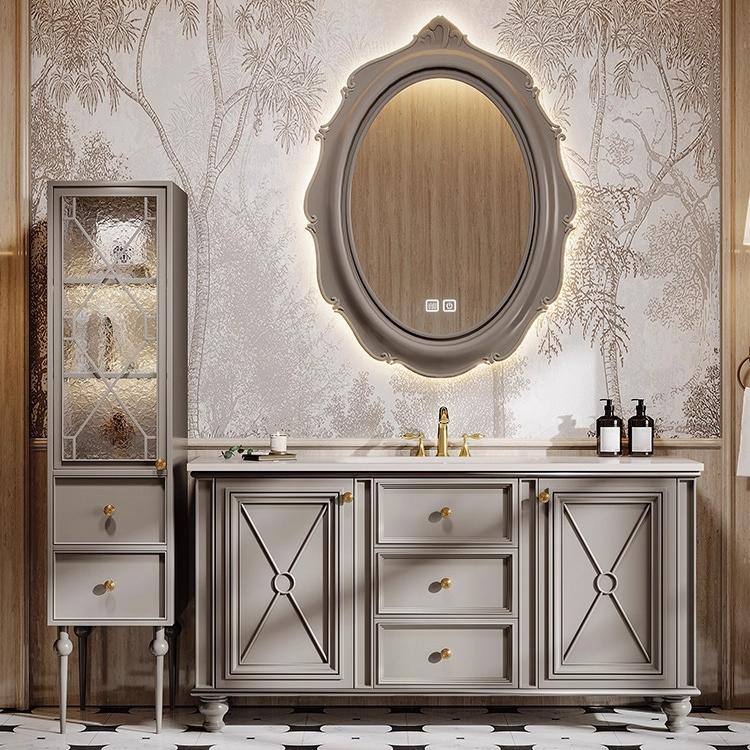
How Do You Repair Scratches on High Gloss Cabinet Doors?
Repairing high gloss cabinet doors depends entirely on the finish type; painted surfaces can often be saved with polishing and sanding, but laminated or foil-wrapped doors typically require full replacement.
Handling Minor Surface Scuffs with Polishing Kits
For light scratches on high gloss surfaces, specialized repair kits and polishing compounds are the first line of defense. These products are formulated to restore shine without damaging the finish, making them suitable for minor imperfections on both the main surface and edge banding. You can often use automotive polish with a soft, clean cloth to gently blend out the most minor scuffs. For PVC or polypropylene edge banding, it’s critical to use dedicated polishing compounds to avoid leaving a dull, hazy finish that doesn’t match the door face.
Addressing Deeper Scratches in Painted Finishes
Deeper scratches on painted high gloss doors require a more intensive approach, often borrowing techniques from automotive repair. This multi-step process involves sanding down the affected area and rebuilding the clear topcoat to match the original finish. Start by lightly sanding the scratch with a fine, 220-grit or higher sandpaper to smooth the edges. Then, apply multiple thin coats of a clear topcoat over the sanded area to restore the protective layer and gloss. For the most uniform result, use an electric buffer with automotive wax to seamlessly blend the repair with the surrounding finish.
| Scratch Severity | Recommended Repair Method | Key Considerations & Tools |
|---|---|---|
| Minor Surface Scuffs | Use high gloss repair kits or automotive polishing compounds. | Requires a soft microfiber cloth. Always test on an inconspicuous area first. Use specific polish for edge banding. |
| Deeper Scratches (Painted) | Lightly sand (220+ grit), apply a new clear topcoat, and buff to blend. | Multi-step process. An electric buffer provides the best finish. Only effective on painted surfaces, not laminates. |
| Irreparable Damage (Laminates) | Panel or door replacement. | Polishing is ineffective on foil-wrapped or laminated finishes and can worsen the appearance. Prevention is the only strategy. |
Knowing Repair Limits and Focusing on Prevention
Not all high gloss finishes can be repaired easily, and preventative care is the best strategy. Foil-wrapped and laminated finishes, for example, do not respond to polishing or sanding. Attempting to buff out a scratch on these surfaces will likely cause more damage, so replacing the entire door or panel is often the only practical solution. To prevent damage in the first place, clean all high gloss surfaces exclusively with a lint-free microfiber cloth, water, and a mild, non-abrasive detergent. You must avoid all abrasive cleaners, scouring pads, and rough sponges, as they can cause irreversible micro-scratches and dull the finish.
What Are the Cost Differences Between High Gloss Cabinet Finishes?
The price premium for high gloss isn’t just the material; it’s the extensive labor for surface preparation and multi-stage polishing required to achieve a flawless, mirror-like surface.
High gloss finishes command a higher price primarily because of the intense labor and meticulous material application needed for a perfect reflective surface. Unlike satin or matte, a gloss finish amplifies every minor flaw in the substrate, which means the preparation and application process has zero room for error.
Factors Driving the Price Premium
The main cost driver is labor, not just the paint. Creating a true high-gloss, mirror-like surface is a craft that requires multiple stages beyond a simple spray application. This level of quality control separates a standard finish from a premium one.
- A true polished or “piano” finish involves multi-stage sanding and buffing after the initial coats are applied, adding significant labor hours to the project.
- Surface preparation must be perfect. Any imperfection in the wood or substrate will show through, which often requires more base coats of paint or lacquer, especially for dark colors.
- In some markets, specialized polishing work alone can cost $55 or more per square foot, positioning it as one of the most expensive finishing options available.
| Finish Type | Primary Cost Driver | Estimated Cost (per sq ft) |
|---|---|---|
| Standard Satin/Sprayed Finish | Materials & Standard Labor | $7.28 – $14.80 |
| Sprayed High Gloss (Off-the-Gun) | Slightly Higher Material Cost & Prep | Marginal increase over satin |
| Polished High Gloss (Piano Finish) | Intensive, Multi-Stage Labor (Sanding/Buffing) | $55+ |
General Cost Benchmarks for Cabinet Finishing
While specific project quotes will always vary, high gloss finishes consistently occupy the premium end of the pricing spectrum. The critical distinction for buyers to understand is the difference between a simple sprayed gloss and a true, hand-polished mirror finish, as this is where the cost escalates dramatically.
- As of early 2026, the general range for professional cabinet finishing falls between $7.28 and $14.80 per square foot for standard applications.
- A quality sprayed finish for an average-sized project typically costs between $4,000 and $8,000.
- A basic “off-the-gun” gloss application adds only a small premium over satin, but achieving a genuine mirror-gloss polished surface substantially increases the labor cost and final price.
Conclusion
High-gloss finishes deliver a modern look, but the choice between polished paint, acrylic, and PET laminate depends on your project’s specific needs. Paint offers a premium, seamless appearance, while acrylic provides glass-like depth and better durability. PET laminate stands out for its superior scratch resistance and eco-friendly properties, making it ideal for high-use environments.
Our team can help you balance aesthetics, durability, and cost to meet your target price point for any market. Request a material sample to see and feel the difference for yourself.
Frequently Asked Questions
High gloss vs matte vanity?
The choice depends on your design goals and lifestyle. High gloss vanities excel at reflecting light, which makes smaller bathrooms feel larger and more open. Their sleek, smooth surface is easy to wipe clean and provides a contemporary, minimalist look. Matte vanities, conversely, absorb light and offer a softer, more subtle and sophisticated aesthetic. Their non-reflective surface is excellent at concealing fingerprints and minor smudges, making them a practical choice for high-traffic family bathrooms.
Acrylic vs painted cabinets?
Acrylic and high-quality painted finishes are both premium options. Acrylic cabinets offer a flawless, mirror-like high-gloss finish with exceptional color depth and clarity. They are highly durable, UV-stable, and resistant to scratches and moisture. Painted cabinets, typically using polyurethane lacquer, offer limitless color customization. A high-quality painted finish is also very durable and moisture-resistant, and it can be easier to touch up minor chips or scratches compared to acrylic. Acrylic generally has a higher cost but provides superior scratch resistance and a perfectly flat finish.
What is PET cabinet finish?
PET (Polyethylene Terephthalate) is a thermoplastic polymer laminate that is bonded to a cabinet substrate, typically MDF. It is a highly durable and environmentally friendly material, as it is non-toxic and recyclable. PET finishes are known for their exceptional scratch, heat, and chemical resistance, making them ideal for high-wear areas like kitchens and bathrooms. They provide a perfectly smooth and consistent surface and are available in a range of sheens, from super-matte to high-gloss, offering a modern and resilient alternative to traditional finishes.
Cleaning high gloss vanity?
To maintain a high gloss finish, use a soft, non-abrasive cloth, such as microfiber. For routine cleaning, a solution of warm water with a small amount of mild dish soap is sufficient. Wipe the surface gently and then dry it immediately with a separate, clean microfiber cloth to prevent water spots and streaks. Avoid using abrasive cleaners, scouring pads, wax-based polishes, or harsh chemical solvents, as these can permanently scratch or dull the finish.
Repairing scratches on high gloss?
Repairability depends on the scratch depth and finish type. Minor surface scuffs and swirl marks can often be buffed out using a specialized plastic or automotive polish designed for high-gloss finishes. Apply a small amount to a microfiber cloth and gently work it into the area in a circular motion. For deeper scratches that have penetrated the topcoat, repair is more complex. A color-matched touch-up pen or wax filler stick can sometimes camouflage the damage. For extensive damage, especially on acrylic or PET surfaces, consulting a professional furniture repair specialist is recommended for the best results.
Is high gloss durable?
Yes, modern high-gloss finishes are very durable and well-suited for bathroom environments. Advanced coatings like polyurethane lacquer, acrylic, and PET are factory-cured into a hard, non-porous shield. This surface provides excellent resistance to moisture, stains, and daily wear. While all surfaces can scratch with sufficient force, high-quality gloss finishes are engineered for enhanced scratch and stain resistance, ensuring they maintain their sleek appearance for years with proper care.


0 Comments