
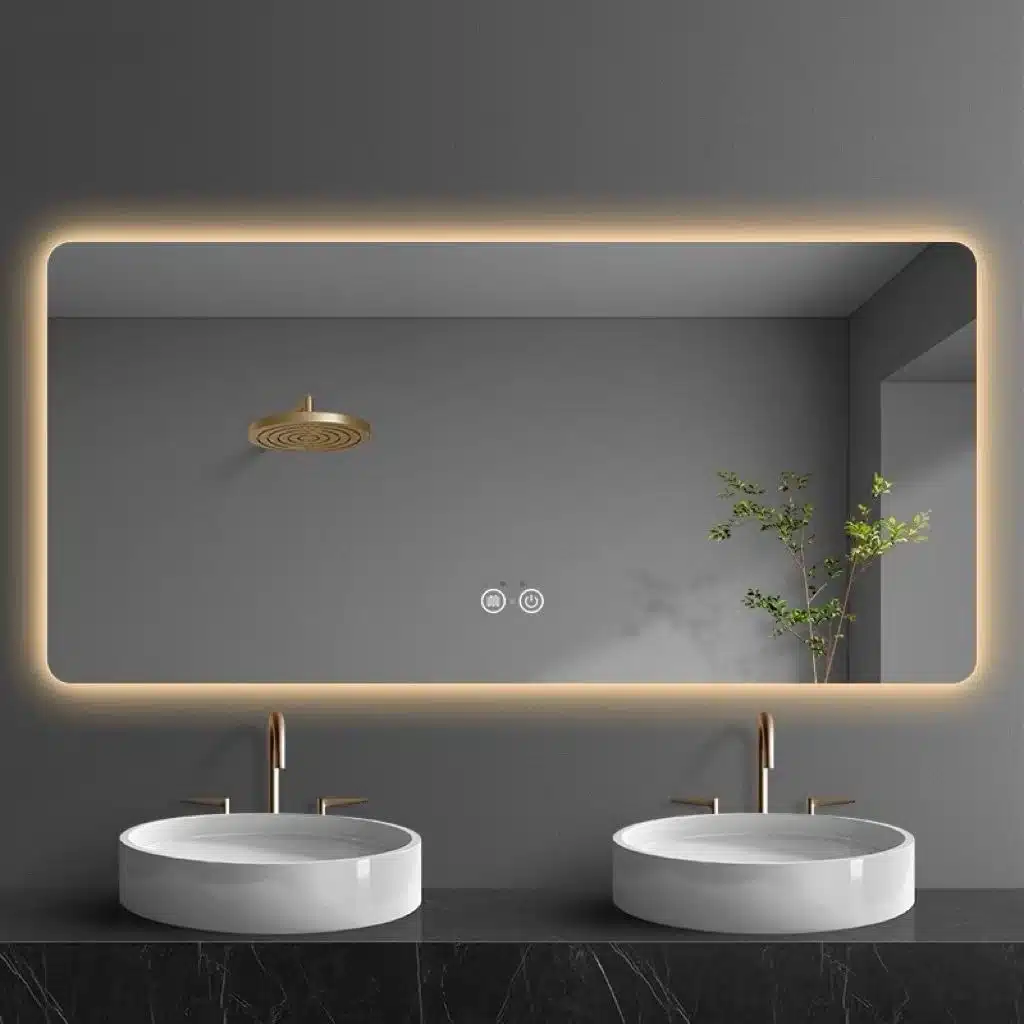
Most bulk mirror orders go wrong in the specification stage, not the production stage. Buyers who skip the comparison end up paying for voice control their guests never use, or they drop anti-fog heating and spend the first year fielding complaints from hotel bathrooms. This article is a smart LED mirror features comparison written for wholesalers, importers, and project buyers. It explains each feature, ranks it by return on investment, and matches it to the buyer who actually needs it. You will finish with an RFQ (request for quotation) checklist, the verification questions to send any factory, and the ordering terms you can expect from a manufacturer such as MFBATH.
What a Smart LED Mirror Features Comparison Covers
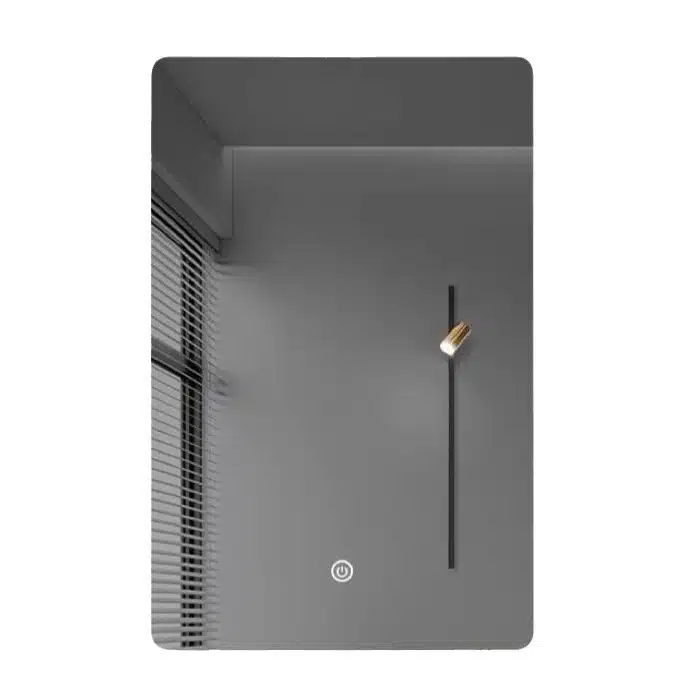
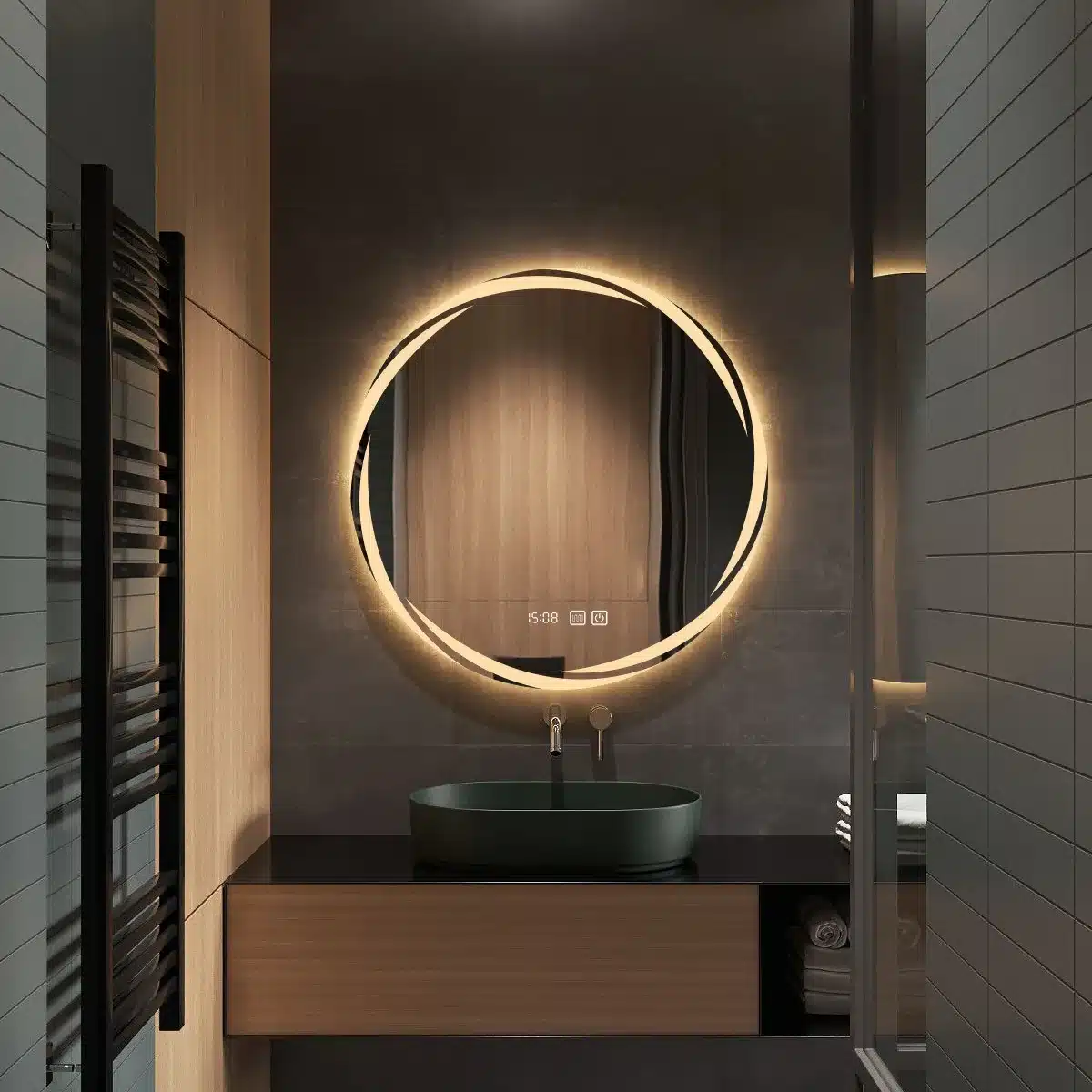
A smart LED (light-emitting diode) mirror is a bathroom mirror with the light source and control electronics built into the unit, rather than added on as an afterthought. Across the factories you will compare, six feature groups decide most of the difference between a commodity mirror and one your customers notice: anti-fog heating, touch control with brightness dimming, adjustable color temperature, a digital display, energy-saving auto power-off, and the two optional extras — voice control and Bluetooth. Each of these can be specified independently, which is exactly why a structured comparison matters before you commit to a container.
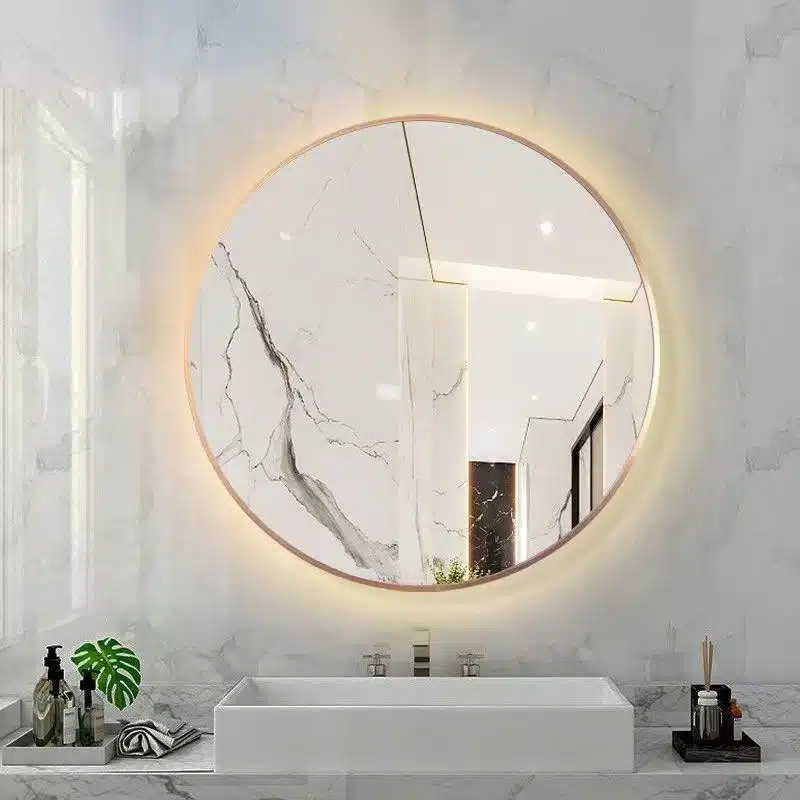
MFBATH keeps both worlds available. The classic mirror line comes in round, rectangular, and oval shapes from 24×36 to 48×72 inches (61×91 to 122×183 cm), with wood, metal, or PVC (polyvinyl chloride) frames and an optional anti-fog coating. The smart mirror line adds the electronics listed above, and every function can be switched on or off during production. That flexibility matters when one order bundles mirrors for a hotel tower, a set of short-term rentals, and a retail showroom — three projects with three different feature lists traveling in one container.
For the printable version of what to check, start with our smart mirror features checklist. If you are still deciding whether to move off a standard unit at all, the comparison of smart versus standard LED mirrors walks through that trade-off. What follows here is the reasoning behind both: how each feature behaves, who should pay for it, and how to confirm the factory actually delivers it.
Smart Mirror Features Ranked by ROI
This table is the part of a smart LED mirror features comparison that buyers usually skip: the ranking. Rank reflects how quickly a feature pays back in a typical hotel or rental project — guest-visible value first, then maintenance avoided, then energy saved, then differentiation. Cost tiers are relative to the mirror’s base price: Low means the feature is inexpensive to add, Higher means it moves the unit price and needs a project reason to justify it. All six features are available on MFBATH’s smart mirror line; the ranking is about your project, not about the factory.
| Rank | Smart LED mirror feature | Who needs it | Cost tier | Verification points |
|---|---|---|---|---|
| 1 | Anti-fog heating (heated pad or film) | Hotels, rentals, any bathroom with a shower | Moderate | Ask for the heated surface coverage, confirm how the heat switches on, and test condensation clearing on the sample |
| 2 | Touch control with brightness dimming | Every buyer; the first feature guests notice | Low | Check the dimming steps, touch response, and where the sensor sits on the frame |
| 3 | Energy-saving auto power-off | Every buyer; lowers operating cost | Low | Ask how the delay is set and whether it is fixed or adjustable |
| 4 | Adjustable color temperature | Projects with a designed room mood | Low–Moderate | Ask for the range in Kelvins and how presets are toggled |
| 5 | Digital display (time/date/weather) | Hospitality and premium retail | Moderate | Confirm clock behavior after a power cut and whether the display dims with the mirror |
| 6 | Bluetooth | Suites and home-oriented orders | Moderate–Higher | Confirm pairing behavior, range, and whether audio needs an app |
| 7 | Voice control | Niche premium projects | Higher | Ask which voice ecosystem it supports and how it behaves without network |
| — | Smart LED mirror features comparison takeaway | Start with ranks 1–3; add 4–7 only when the project pays for them | — | Verify every claim on a sample before bulk production |
Anti-fog heating sits at rank one for a simple reason: it is the first feature a guest tests. Walk out of a shower, face a cold mirror, and the room’s opinion of the whole fit-out drops. A heated pad or film behind the glass raises the surface temperature so condensation does not form, and the practical question for a bulk order is coverage. Ask what share of the surface is heated, not just whether the mirror “has anti-fog.” A unit that heats a narrow strip around the edge behaves differently from one that clears the full viewing area, and the difference only shows up in a real bathroom test.
Touch control with brightness dimming ranks second because it is the most-used feature at the lowest cost. Guests interact with the mirror every single day — a tap to switch the light on, a hold or slide to bring the brightness down at night. If the touch sensor is sluggish or the dimming jumps in coarse steps, that is the complaint that reaches your inbox. The verification point is simple: dim the sample yourself through the full range and count the steps.
Energy-saving auto power-off ranks third because it converts directly into an operating cost line for property owners. A mirror that keeps its light burning after the guest leaves is a mirror that pays for its own electricity bill; an auto power-off that shuts the light down after an idle period is a feature you can quote to a facilities manager in one sentence. It is standard on MFBATH’s smart mirror line, and it belongs in your base specification for every project, not just the premium ones.
Anti-Fog, Lighting, and Display: What Guests Notice First
Three features shape the daily experience of anyone standing in front of the mirror: anti-fog heating, adjustable lighting, and the digital display. They are also the three where factory claims drift furthest from delivered behavior, so they deserve the deepest look before you sign anything.
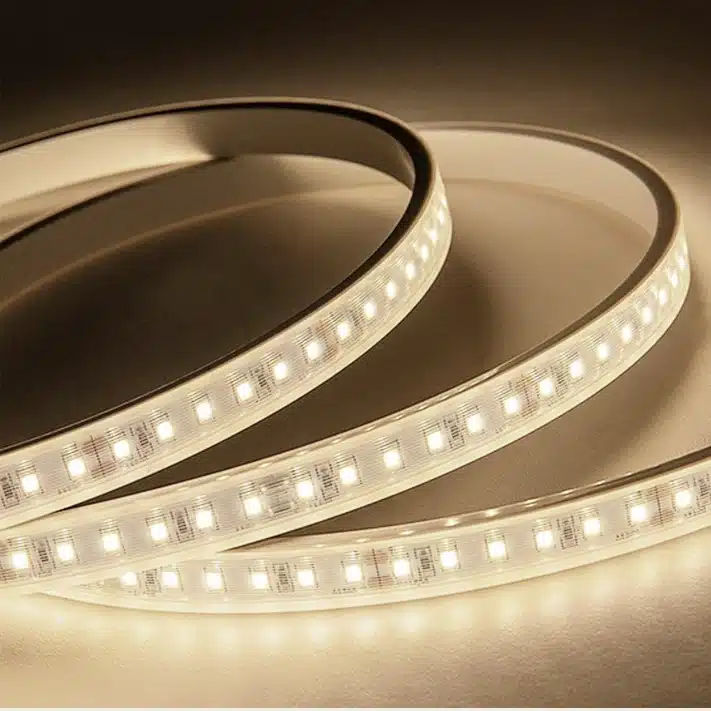
The lighting is the first thing a buyer sees in a photo and the first thing a guest sees in the dark. MFBATH’s smart mirrors offer adjustable brightness and adjustable color temperature, which means the same unit can run bright and crisp for shaving or warm and low for a late-night visit. Color temperature describes whether the light reads warm or cool, measured in Kelvins — the U.S. Department of Energy’s LED basics page is a solid reference for how LED light and color temperature actually work. When you compare quotes, ask for the Kelvin range in writing and confirm how presets are toggled, because two mirrors can both say “adjustable color temperature” and behave very differently in the room.
The anti-fog system is where specifications get vague, which is a warning sign in itself. On the smart line it is driven by heating, and your verification should be behavioral: put the sample in a steamy bathroom and watch how long the viewing area takes to clear. On the classic line, mirrors can still ship with an optional anti-fog coating — a different mechanism at a different price tier — so when a supplier quotes “anti-fog” you should know which one you are getting. Heating handles a heavy shower load; coating is lighter protection at a lower cost. State the mechanism in the RFQ, not just the phrase.
The digital display — time, date, and weather — is the hospitality cue on the list. It does not change whether the mirror works, but it changes whether the room feels finished, and for boutique hotels and premium short-term rentals that impression carries weight. Before you order, confirm how the clock behaves after a power cut, whether the weather readout needs a network connection, and whether the display dims together with the mirror light. A display that blinks the wrong time all night is worse than no display at all.
Energy saving on the smart line comes from the auto power-off behavior described above, and it deserves one more line here because it is often buried in the fine print. When you compare two quotes with a 30 percent price difference, the energy behavior of the light is frequently where part of that difference hides. Ask for the idle delay in writing and test it on the sample. For the fields to put in the specification, our LED mirror dimming specifications page lays them out field by field.
Touch, Voice, and Bluetooth: Optional Extras With a Price Tag
Touch control is where the smart mirror experience starts: a tap switches the light on and off, and a hold or slide adjusts the brightness. It is standard on MFBATH’s smart mirror line, and it belongs in every order. The genuinely optional extras are voice control and Bluetooth, and both deserve a colder eye in a bulk purchase than they get in a retail showroom.
Voice control is the newest option and the one with the most moving parts. Before you put it in an RFQ, ask which voice ecosystem the mirror is built for, whether it requires an app or a hub, and what happens when the network drops. In a hotel room, the answer to that last question determines whether the mirror is a feature or a support ticket. For a 200-room property, weigh the upgrade cost against the share of guests who will actually use it, and remember that every network-dependent function adds a failure mode that the property’s staff — not your factory — will be asked to explain.
Bluetooth is usually requested as a comfort extra for audio playback or phone pairing, and implementations vary enough that the specification must be precise. Confirm what the module actually does in the build — pairing behavior, range, and whether audio requires an app — because “with Bluetooth” on a quote can mean anything from a speaker to a full phone mirroring setup. The official Bluetooth site is a useful reference when you are reviewing a supplier’s claims about the standard. Our guide to Bluetooth anti-fog mirrors shows how the two features combine in practice.
The decision rule for both extras is the same: they add cost tier and verification burden without a predictable return in a standard room. Keep them out of the base specification, offer them as an upgrade line for suites and premium projects, and let the project budget, not the brochure, decide. If a project asks for electronics-free units, the classic mirror line — round, rectangular, or oval, from 24×36 to 48×72 inches (61×91 to 122×183 cm) — covers that without a downgrade in finish.
Smart LED Mirrors Built to Your Feature Spec
Browse this product, solution, or service page to explore relevant offerings.
Turning the Comparison Into an RFQ: Specs, MOQ, and Verification
A comparison earns its keep only when it reaches the factory in a form that can be quoted and built. The RFQ (request for quotation) is that form, and the difference between a vague inquiry and a complete one is usually the difference between a straight answer and a week of emails.
The RFQ table below is the working skeleton we use with buyers who are new to importing mirrors. It keeps the conversation on measurable fields and off adjectives.
| RFQ field | What to state | Why it matters |
|---|---|---|
| Size | Dimensions in inches and centimeters | Removes ambiguity between markets |
| Shape and frame | Round, rectangular, or oval; wood, metal, or PVC frame; frame color by Pantone reference | Frame finish drives most of the visual difference |
| Functions | Anti-fog heating, touch dimming, color temperature presets, display content, auto power-off | Each function changes the bill of materials |
| Options | Voice control, Bluetooth, logo printing | Keeps optional extras priced separately |
| Compliance | CE and UL requirements for the destination market | Prevents customs and inspection surprises |
| Logistics | Port, incoterm, delivery window | FOB pricing depends on the port |
On customization, MFBATH starts custom sizes, frame colors, functions, and logos from 15 units per model, per color, per size. The MOQ (minimum order quantity) across the whole product line is the same 15 units per model, per color, per size, and mixed container loading is supported — so you can combine several configurations in one shipment and spread the container cost across projects. For frame color, send a Pantone reference; the Pantone color system is the common language between your designer and the factory’s finishing line, and our custom LED mirror frame page explains how frame options are quoted.
The ordering terms are straightforward for a China-based manufacturer. Samples are free, with a sample lead time of 10 working days. Bulk production runs 20–30 days, and the total window to US, CA, and MX destinations is 4–6 weeks. Shipments leave from Qingdao port on FOB (free on board) terms. Payment is a 30% deposit, with the balance due within one week of the draft BL (bill of lading). None of these numbers are negotiable marketing — they are the current operating terms, and they should be written into the purchase order before production starts.
Quality verification is where a comparison becomes a contract. Every MFBATH unit passes a 5-stage QC (quality control) process, and third-party inspection is welcome — SGS (Société Générale de Surveillance) and TÜV (Technischer Überwachungsverein) are the usual choices. The mirror line carries CE and UL markings; CE (Conformité Européenne) is the European conformity route explained on the European Commission’s CE marking page, and UL (Underwriters Laboratories) covers North American safety listing expectations. The factory has held ISO (International Organization for Standardization) 9001 and 14001 certifications since 2017, employs 95 people, and runs about 5,000 sets per month of capacity. On the vanity side of the line, the complete cabinet carries a 2-year warranty.
Send the factory your checklist and ask for the following before you commit to bulk production:
- A demo video showing anti-fog heating, brightness dimming, color temperature toggling, and the auto power-off behavior.
- Written answers on heated surface coverage, the dimming range, and display behavior after a power cut.
- A free sample, tested against your checklist, before the production run starts.
- Third-party inspection by SGS or TÜV at the factory before shipment.
- Written confirmation of the CE and UL markings on the mirror line.
For the exact fields to specify, our LED mirror specifications page lists them field by field.
Frequently Asked Questions
Which smart mirror features should we specify for a hotel order?
Start with anti-fog heating, touch control with brightness dimming, and energy-saving auto power-off — the three that guests use daily and that reduce operating cost. Add the digital display as a premium cue, and keep Bluetooth and voice control out of the base specification unless the project explicitly asks for them; both add cost tier and verification burden without a predictable return in standard rooms.
What is the minimum order for custom smart mirrors?
Custom sizes, frame colors, functions, and logos start from 15 units per model, per color, per size, and the MOQ across the MFBATH line is the same 15 units per model, per color, per size. Mixed container loading is supported, so you can combine different configurations in a single shipment and spread the freight cost across projects.
How do we verify a factory’s claims before bulk production?
Order the free sample first, then test it against a written feature checklist: condensation clearing, dimming behavior, display, and auto power-off. MFBATH runs a 5-stage QC on every unit and welcomes third-party inspection by SGS or TÜV, and the mirror line carries CE and UL markings — ask for all of this in writing before you place the bulk order.
The Bottom Line
Specify the three daily-use features — anti-fog heating, touch dimming, and auto power-off — in every order, and treat the digital display, Bluetooth, and voice control as options you add only when the project pays for them. Put the full feature list into the RFQ, verify it on the free sample, and confirm compliance and QC terms in writing before bulk production. MFBATH builds custom smart mirrors from 15 units per model, per color, per size, with free samples in 10 working days and delivery to US, CA, and MX destinations in 4–6 weeks — send a complete spec and you will get a quotable answer on the first round.


0 Comments