
Without a specific NNN agreement china, handing your design files to a potential manufacturing partner is an open invitation for catastrophic intellectual property theft. Many Western companies mistakenly believe their standard Non-Disclosure Agreement (NDA) offers protection, only to find their manufacturer has legally started selling a nearly identical product and cut them out of the market. This isn’t a simple misunderstanding; it’s a common business practice that thrives on legal loopholes your domestic NDA cannot close.
This guide provides a clear operational framework for protecting your designs when working with Chinese factories. We will break down the three core pillars—Non-use, Non-disclosure, and Non-circumvention—that make NNNs effective where NDAs fail. We will also cover the critical details that determine success, including why you must choose Chinese courts, how to set enforceable financial penalties, and the exact timing for signing the agreement to prevent your partner from becoming your competitor.
Why Western NDAs are Useless in China
Relying on a Western-style NDA in China is a critical mistake; effective protection requires a specialized NNN agreement drafted in Chinese and enforceable under Chinese law.
Jurisdictional and Enforcement Issues
Western-style NDAs are consistently unenforceable because Chinese courts do not recognize or enforce foreign legal judgments. If your contract is governed by the laws of California or London, it holds no weight in a local Chinese court. For any legal agreement to be effective, it must be grounded in Chinese law and designate the Chinese court system for dispute resolution. Without this, your contract is effectively useless the moment a dispute arises.
Critical Language and Legal Framework Gaps
Legal concepts common in Western NDAs often lack a direct equivalent in China’s legal framework, creating dangerous loopholes. Definitions of “confidential information” can differ, weakening your IP protection from the start. Furthermore, English-language agreements present major enforceability challenges. Mandarin is the official language of the courts, and all official proceedings and contract interpretations are conducted in Chinese, rendering English-only documents ineffective for actual enforcement.
The Rise of China-Specific NNN Agreements
The industry standard has shifted from ineffective NDAs to specialized NNN (Non-Disclosure, Non-Use, Non-Circumvention) agreements. These documents are built specifically for China’s legal system, providing protections that are both relevant and enforceable. An NNN prevents a factory from sharing your designs (Non-Disclosure), using them to make their own products (Non-Use), or selling directly to your customers (Non-Circumvention). It is the only practical tool for IP protection when manufacturing in China.
| Feature | Western NDA (Ineffective) | China NNN Agreement (Effective) |
|---|---|---|
| Governing Law | Foreign (e.g., U.S., E.U.) | Chinese Law |
| Jurisdiction | Foreign Courts | Chinese Courts |
| Official Language | English | Chinese (Mandarin) |
| Scope of Protection | Only Non-Disclosure | Non-Disclosure, Non-Use, Non-Circumvention |
| Primary Remedy | Injunctive Relief (Unenforceable) | Liquidated Damages (Enforceable) |
What Are the 3 Pillars?
An NNN agreement moves beyond simple confidentiality, creating three interlocking defenses that directly address the primary risk in China: your manufacturing partner becoming your competitor.
A China-specific NNN agreement is built on three distinct but interconnected components: Non-Disclosure, Non-Use, and Non-Circumvention. Unlike a Western-style NDA that only focuses on preventing information from being shared, the NNN structure is designed to protect your entire business model from being co-opted by a factory. Each pillar closes a specific loophole that a standard NDA leaves wide open.
Non-Disclosure: Protecting Confidentiality
This is the most straightforward pillar and the one most similar to a traditional NDA. It legally prevents your Chinese partner from sharing any of your confidential information with third parties. This includes everything from CAD files and material specifications for your bathroom vanities to your customer lists and marketing strategies. The goal is to ensure the sensitive data you provide for production stays within the four walls of the factory you are dealing with.
| Protection Feature | Standard Western NDA | China NNN Agreement |
|---|---|---|
| Primary Scope | Only prevents sharing information with third parties. | Prevents disclosure, unauthorized use, and bypassing your business. |
| Core Risk Covered | Confidentiality breach. | Factory becoming a direct competitor. |
| Enforcement Method | Injunctive relief (difficult to enforce in China). | Liquidated damages (predetermined monetary penalties). |
| Jurisdiction | Often Western law, which Chinese courts ignore. | Chinese law, enforceable in Chinese courts. |
Non-Use: Preventing Unauthorized Production
This is where the NNN agreement starts to show its real power. The non-use clause explicitly forbids your partner from using your intellectual property for any purpose other than manufacturing products for you. It directly prevents them from taking your designs, improving them slightly, and launching their own competing product line. This clause closes the critical loophole where a factory could abide by a non-disclosure term but still use your IP internally to become your competitor.
Non-Circumvention: Securing Business Relationships
The final pillar protects your market position. Non-circumvention prohibits your factory from identifying your customers or suppliers and engaging with them directly. Without this protection, a manufacturer could see your sales volume, contact your largest distributor, and offer to sell them the exact same bathroom vanities at a lower price, cutting you out completely. This clause ensures your factory remains a supplier and cannot leverage your own network against you to steal market share.
Create Your Market-Leading Bathroom Cabinet Line

Why Choose Chinese Courts?
Choosing China-seated arbitration for dispute resolution offers foreign businesses a predictable, cost-effective, and increasingly reliable enforcement mechanism, with local courts now upholding over 86% of foreign arbitral awards.

Many foreign companies assume that their home country’s legal system provides the best protection, but this is a critical mistake when dealing with Chinese manufacturers. An NNN agreement is only as strong as the court that enforces it. Specifying Chinese courts and Chinese law is not a concession; it is a strategic decision to ensure your contract has teeth where it matters most—on the ground in China.
High Enforcement Rate of Arbitral Awards
Chinese courts demonstrate a strong and reliable track record in upholding foreign arbitral awards, with enforcement rates rising to over 86%. This predictability gives foreign businesses confidence that judgments obtained through China-seated arbitration will be effectively implemented.
- As of 2026, the enforcement rate for foreign arbitral awards in China stands at 86.4%, a significant increase from previous years.
- This high rate provides a secure legal environment for international businesses engaged in commercial disputes.
- The courts’ consistent enforcement makes arbitration a dependable mechanism for resolving conflicts.
Alignment with International Standards
China has updated its legal framework, especially its Arbitration Law, to align more closely with global standards like the UNCITRAL Model Law. This modernization creates a familiar and accessible procedural environment for international parties.
- Recent legal reforms have brought Chinese arbitration practices in line with international best practices.
- Foreign arbitration institutions are now permitted to operate within designated free trade zones, increasing options for neutral dispute resolution.
- The system is built to accommodate multiple legal traditions, which simplifies the process for global companies.
Cost-Effectiveness and Procedural Advantages
Resolving disputes via China-seated arbitration is often more cost-effective than using offshore centers. The system also offers practical benefits, like the ability to seek interim measures from local courts to protect assets during proceedings.
- Arbitration in China can present lower costs compared to other major international arbitration hubs.
- A key benefit is the ability to request interim measures, such as asset freezes, directly from Chinese courts.
- Streamlined procedures help facilitate faster resolutions for complex international commercial disputes.
What Are “Shadow Factories”?
Shadow factories are unregistered, off-the-books manufacturing operations that represent a critical blind spot in modern supply chains, driven by extreme cost-cutting pressures.
Unauthorized Production and Its Risks
A shadow factory is an unregistered facility operating completely outside of official quality management and regulatory frameworks. These operations create substantial risks for any brand, including direct intellectual property theft, product diversion into gray markets, and severe reputational damage from potential labor or environmental violations. Without oversight, there is no way to guarantee product integrity or compliance.
- These covert operations lack the fundamental oversight needed to ensure consistent product quality and safety.
- They result in a total loss of control over proprietary designs, molds, and manufacturing processes.
- Top-tier suppliers prevent this by embedding their own quality control teams within partner facilities and conducting unannounced audits to verify all production is happening on-site.
Primary Drivers and Common Sectors
The relentless push for lower costs in global manufacturing is the primary driver behind the use of shadow factories. The problem is most prevalent in industries with complex, multi-layered supply networks where it is difficult to maintain full visibility, such as consumer goods, apparel, and electronics. The more components and subcontractors involved, the easier it is for a primary supplier to secretly offload work.
- Intense cost-reduction pressures incentivize official suppliers to secretly subcontract portions of an order to cheaper, unvetted facilities.
- Complex supply chains in sectors like pharmaceuticals and furniture often obscure the true manufacturing location of every component.
- Complete supply chain transparency and rigorous supplier vetting are the most effective defenses against this risk.
Detection Through Diligent Auditing
Identifying a shadow factory requires supply chain audits that go far beyond standard compliance checklists. The key is to find mismatches between a supplier’s declared production capacity and their actual output or raw material consumption. If the numbers don’t add up, the work is likely being done elsewhere.
- Auditors must analyze production logs, utility bills, and raw material purchase orders to find discrepancies that point to off-site work.
- A sudden and unexplained increase in a supplier’s finished goods output without a corresponding increase in on-site activity is a major red flag.
- Reconciling the volume of raw material purchases with the number of finished products helps confirm if all production is happening under one roof.
Why Set a Specific Penalty?
Including specific, predetermined penalties in your NNN agreement transforms a potential contract breach from an abstract legal dispute into a concrete financial debt that Chinese courts can actually enforce.
Aligning with China’s Legal System
Chinese courts operate within a civil law framework that favors clear, direct paths to enforcement. They prefer predetermined monetary penalties, known as liquidated damages, because it simplifies the judicial process. This approach allows judges to issue an enforceable monetary award without needing to compel specific actions like stopping production, which is generally outside their authority.
- Predetermined penalties remove the court’s burden of calculating actual damages after a breach has already happened.
- Judges have strong asset-seizure authority, making it straightforward to enforce clear monetary judgments.
- This method fits the civil law system by turning abstract contract remedies into tangible financial obligations.
Removing the Burden of Proving Damages
By setting a specific penalty amount in the NNN agreement, you bypass the complex and often impossible task of proving your exact financial losses in a foreign court. The penalty is a pre-agreed, reasonable estimate of projected damages, creating a direct financial consequence for any violation and a powerful deterrent against it.
- A specific penalty provides immediate clarity on the financial stakes involved in a breach.
- It helps avoid lengthy and expensive legal arguments over the precise value of the economic harm caused.
- The agreed-upon amount creates a strong financial incentive for the factory to honor the contract.
When Should You Sign?
An NNN agreement is not a formality for later; you must sign it before revealing any substantive intellectual property to a potential Chinese partner.
The timing of your NNN agreement is as critical as its content. Signing too late negates its entire purpose. It’s the first legal barrier you should erect, not an afterthought once discussions are underway. Treat it as the mandatory prerequisite for any serious technical or commercial conversation.
Before Disclosing Any Sensitive Information
You must sign the NNN agreement before sharing any confidential details with potential partners in China. This includes product designs, bills of materials, technological processes, or even your core business strategies. This action establishes a necessary legal safeguard right from the start, before you have any meaningful exposure.
- Sign during the initial vetting phase for any manufacturer, OEM, or distributor.
- This protects your intellectual property before any substantive cooperation begins or samples are exchanged.
- It establishes clear expectations regarding confidentiality and non-use from the first conversation.
To Create an Enforceable Legal Framework
A standard Western NDA is almost completely ineffective in China. The jurisdictional and language barriers render it a piece of paper with no real authority. Signing a China-specific NNN agreement ensures your protections are valid and actionable. For the agreement to be enforceable in local courts, it must be written in Chinese and governed by Chinese law.
- The contract must explicitly state that it is governed by the laws of the People’s Republic of China.
- Using a dual-language contract is acceptable, but the Chinese-language version is the legally controlling one.
- This provides a clear and direct path for legal recourse within the Chinese judicial system if a breach occurs.
Do You Need Design Patents?
Design patents are a practical tool for protecting your product’s market advantage when its visual appeal, not just its function, is what drives customer choice.
Protecting Visual Appearance
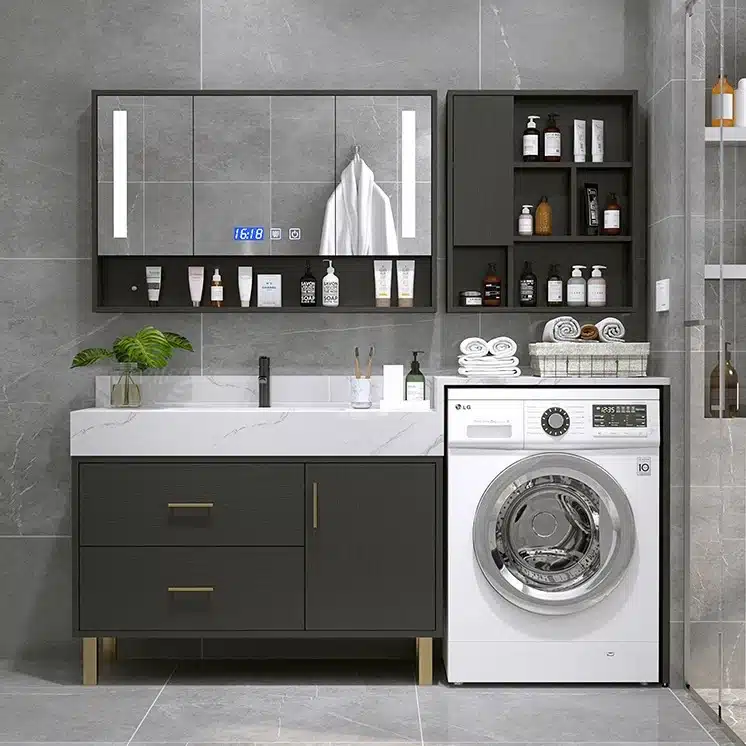
Design patents safeguard the ornamental and visual characteristics of a product. They are most valuable when a product’s aesthetic is its primary market advantage, directly influencing consumer decisions in industries like furniture, fashion, or consumer electronics. This type of patent focuses entirely on how a product looks, creating a legal barrier against direct visual copies.
- It offers a faster and more cost-effective path to protection compared to utility patents.
- It prevents competitors from making, using, or selling a product that has the same visual design.
- The protection is strictly limited to appearance and does not cover the product’s underlying function or mechanism.
Balancing Design and Utility Protection
For products where both the appearance and the function are innovative, a combined strategy is the most effective approach. Using both design and utility patents creates a much stronger, more complete layer of protection against infringement. This dual-pronged defense makes it significantly harder for competitors to replicate your product without violating your intellectual property rights.
- Design patents protect the “look” of a product, while utility patents protect “how it works.”
- Filing for both types of patents covers the aesthetic appeal and the functional innovation simultaneously.
- This dual approach ensures competitors cannot easily replicate either the form or the function of your product.
Conclusion
A standard Western NDA offers little real protection for your designs in China. A properly drafted NNN agreement, enforceable in Chinese courts, is the foundation for safeguarding your intellectual property. This contract directly prevents factories from becoming your competitors or sharing your designs with others.
Before sending your next design file, review your current legal protections to ensure they are built for the Chinese manufacturing landscape. Our team can help you navigate this process and move your designs from concept to production with confidence.
Frequently Asked Questions
How to protect furniture design in china?
A multi-layered strategy is essential for protecting furniture design in China. The primary method is filing a design patent with the China National Intellectual Property Administration (CNIPA) to protect the aesthetic appearance. Additionally, register your brand name and logos as trademarks. Before engaging any manufacturer, implement a robust NNN (Non-Disclosure, Non-Use, Non-Circumvention) agreement governed by Chinese law. For highly artistic elements, consider voluntary copyright registration, and finally, register your IP with China Customs to enable seizure of infringing goods at the border.
NNN agreement vs NDA?
A standard Western NDA (Non-Disclosure Agreement) is largely ineffective in China due to jurisdictional and language barriers. The industry standard is a China-specific NNN (Non-Disclosure, Non-Use, Non-Circumvention) agreement. Unlike an NDA that only covers confidentiality, an NNN is governed by Chinese law, is enforceable in Chinese courts, and contractually prevents a manufacturer from using your IP for their own benefit (Non-Use) or selling your product to your customers behind your back (Non-Circumvention).
Cost of nnn agreement?
The cost for a professionally drafted, bilingual NNN agreement prepared by a law firm specializing in Chinese IP law typically falls between $1,500 and $4,000 USD. The final price depends on the complexity of the intellectual property being protected, the scope of the business relationship, and the specific firm’s rates. Using a cheap template is not recommended as it often fails to provide meaningful, enforceable protection.
Is copyright enforceable in china?
Yes, copyright is recognized and enforceable in China. As a signatory to the Berne Convention, China provides automatic protection for creative works from other member countries. However, for practical enforcement purposes, it is highly advisable to voluntarily register your copyright with the Copyright Protection Center of China (CPCC). This registration serves as official evidence of ownership, which is invaluable when filing infringement claims in court or requesting takedowns from e-commerce platforms.
Preventing factory from selling my product?
The most direct way to prevent a factory from selling your product is by having them sign a well-drafted NNN (Non-Disclosure, Non-Use, Non-Circumvention) agreement before sharing any designs. This agreement, which must be governed by Chinese law and written in Chinese, explicitly prohibits circumvention. Additionally, registering your trademarks and design patents in China gives you the legal power to stop unauthorized sales. Maintaining a strong, positive business relationship and providing consistent orders also financially incentivizes the factory to remain a loyal partner.
Intellectual property protection furniture?
Comprehensive intellectual property protection for furniture, particularly when manufacturing in China, relies on four key pillars. First, file for design patents in China to protect the product’s unique visual appearance. Second, register your brand name and logos as trademarks. Third, use a China-enforceable NNN agreement with all manufacturing partners to contractually prevent IP theft and unauthorized sales. Finally, for unique artistic features, register for copyright as a supplemental layer of protection.




0 Comments