
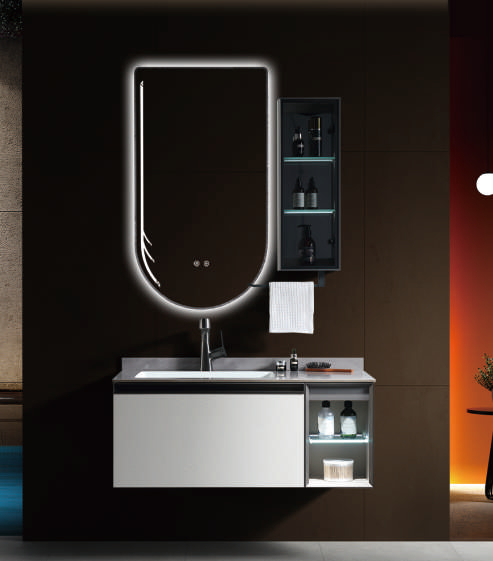
A vanity care and maintenance manual for housekeeping should be a short, room-ready procedure, not a furniture catalogue. It should state the daily clean, the weekly check, the approved chemicals and the ones that must never be used, what to look for and report, and how to escalate a problem to engineering. The manual is written around the surfaces actually installed — the top material, the cabinet finish, the sealant lines and the mirror — because a generic procedure is what damages finishes.
Key Takeaways
- Write the manual as a room procedure: daily clean, weekly check, named products, escalation.
- Ban the damaging improvisations with reasons, and update the list whenever chemicals change.
- Require the supplier to deliver surface-specific care facts and a parts list at handover.
Why a Supplier Document Fails and a Room Procedure Works
Suppliers ship care instructions as a leaflet: wipe with a soft cloth, avoid abrasives, do not stand on the cabinet. Housekeeping teams do not work from leaflets. They work from the room’s task list, under time pressure, with the chemicals the hotel has approved. If the supplier’s instructions are not translated into that routine, they are ignored, and the finish pays for it.
The working manual is therefore a one-page procedure per room type, laminated or in the app, with photographs of the actual vanity, the actual top and the actual fittings. It tells the attendant what to do, what to look at, and what to report, in the order the room is cleaned. Anything longer is a reference document, not a procedure.
The manual also protects the warranty. Most finish damage blamed on “wear” is chemical or abrasion damage that the approved routine would have prevented. A documented routine, issued at handover and retrained after staff changes, is the evidence that the hotel maintained the product as instructed.
The Daily Clean
The daily clean is written as steps, in cleaning order: remove items, dry-wipe dust and hair, apply the approved cleaner, wipe the top and basin, clean the tap and waste, wipe the cabinet front and handles, clean the mirror, dry the surfaces, and restock. Each step should name the tool and the product, not just the outcome.
The top material decides the chemistry. A sintered stone or solid-surface top tolerates a neutral cleaner well; a natural stone top needs a pH-neutral product and no acidic descalers; a laminate top dislikes standing water at the joints. The manual should carry a short table: surface, approved product, prohibited product, dwell time.
| Surface | Approved routine | Never use |
|---|---|---|
| Sintered stone top | Neutral cleaner, microfibre, rinse and dry | Hydrofluoric products, abrasive pads |
| Natural stone top | pH-neutral stone cleaner, soft cloth | Vinegar, bleach, descaling acids |
| Laminate or lacquered cabinet | Damp microfibre, mild detergent, dry wipe | Solvents, abrasive cream, steam cleaners at edges |
| PVC cabinet | Damp cloth, mild detergent | Solvent cleaners, acetone |
| Mirror | Mirror cleaner on the cloth, not the glass | Ammonia-heavy sprays at the edges |
| Chrome or PVD fittings | Soft cloth, mild soap, dry | Harsh descalers, scouring pads |
The “spray the cloth, not the surface” rule matters most at the mirror and the sealant lines. Cleaner that runs into a mirror edge or pools along a silicone joint starts the two failures that hotels see most: edge corrosion and lifted sealant.
The Weekly and Monthly Checks
Beyond the daily clean, the manual should schedule a short list of checks that take two minutes: run the drawers and doors, confirm the soft-close works, look at the silicone at the top and the plinth, check the tap base and the waste for moisture, and look under the cabinet for staining. The attendant reports, engineering repairs; the division is what keeps small findings from becoming room closures.
The report should be one line per finding with a photograph: room, item, what is seen. A loose handle, a cracked bead of silicone, a dark edge on the mirror, a musty smell in the cabinet — each is cheap to fix this month and expensive next quarter. The vanity spare-parts guide lists the small parts that these checks usually trigger.
The monthly check can add the plinth: remove it, look for water traces under the cabinet, dry the floor area, refit. This is the inspection that finds a slow leak before the guest does.
Chemicals, Dwell Time and the Cleaning Cupboard
The manual should name the actual products by label, not by category, and state the dilution and dwell time the manufacturer requires. A disinfectant that needs five minutes of contact will not do its job in a ten-second wipe, and a stronger product left longer than specified will damage the finish it was meant to protect.
Housekeeping managers should check the manual against the chemical store every time a product changes. A supplier change at contract renewal can quietly introduce a solvent or an acid that the finishes cannot tolerate. The ISSA, the worldwide cleaning industry association, publishes guidance on product selection and safe use that hotels can use when they review their cupboard.
The manual should also ban the improvisations that damage vanities: toilet cleaner used on the basin, scouring cream on the top, bleach left in the bowl overnight next to a laminate end panel, and steam cleaners aimed at edges and joints. Each ban should have a reason in one sentence, because a rule with a reason survives training turnover.
Mirror and Lighted Mirror Care
The mirror section should cover the daily clean, the edge check and the lighted components. Spray on the cloth, wipe in a pattern that ends away from the edge, and dry the edge zone. Report dark edges, spots or haze that do not wipe off, because those are corrosion signs, not dirt.
For lighted mirrors, the manual should state what the attendant may touch: the switch and the cloth. Anything else — flickering light, a dead demister pad, a loose frame — goes to engineering, because the mirror has mains-voltage components behind the glass. The anti-fog function guide explains the demister behaviour an attendant should expect; anything outside that behaviour is a ticket.
The manual should also warn against hanging or leaning items on the mirror and against stickers or films applied by guests or staff, which can lift coatings when removed.

Reporting, Escalation and Records
The escalation path should be written on the page: what the attendant reports, to whom, and what happens next. A simple three-level structure works: clean-and-continue (scuffs, product residue), report-this-week (loose fixings, minor sealant cracks), report-today (water where it should not be, electrical symptoms, a mirror that has cracked).
Each finding should land in the maintenance system with a photograph, the room and the date. Over a year, those reports become the fleet’s condition record, which is what a replacement or claim decision is built from. The swollen vanity repair guide shows why early reports matter: swelling caught in month one is a repair; swelling caught in month twelve is a replacement.
The moisture resistance guide explains the failure paths behind most of these findings, and the manual’s checks are designed to catch them while they are still cheap.
Training, Languages and Turnover
A manual that is issued once and never trained is a document, not a procedure. The launch should include a walk-through in the room, and the property should retrain after staffing changes and after any product change. Photographs of the actual vanity, with arrows on the actual problem points — the edge, the plinth, the sealant line, the tap base — survive language barriers better than text.
Where the property runs multilingual teams, the one-page procedure should exist in the languages the team actually speaks, with the product names left in the label language so the cupboard matches the page.
What the Supplier Should Provide
The buyer should require the supplier to deliver, with the order: the care instructions for each surface, the approved and prohibited chemicals for the installed finishes, the sealant specification for future repairs, and the parts list with identifiers for hinges, runners, handles and the mirror driver. Those items are the raw material for the housekeeping manual and for engineering’s spares shelf.
The waterproof materials comparison and the warranty documents belong in the same handover pack; the warranty comparison shows why the care routine and the warranty are read together.
Room Types and Shared Bathrooms
A single procedure rarely fits every bathroom in a building. A standard guest room, an accessible room, a suite with a second vanity and a public restroom each have different surfaces, fixtures and cleaning frequencies. The manual should therefore be issued per room type, with the shared-bathroom version carrying the heaviest duty: more frequent cleaning, stronger disinfectants and more contact from more people.
Accessible rooms have their own cautions. Grab rails, clear floor space and knee clearances exist for a reason, and cleaning trolleys or mop buckets parked in the clear space create both an access problem and a damage risk. The procedure should state where the trolley goes, and the attendant should be trained to leave the room as accessible as they found it.
Public restrooms add vandalism and flooding to the list. The manual’s check list for those rooms should include the sealant lines, the waste and the plinth, because that is where abuse and water show first. The reporting thresholds are also stricter: a cracked top in a public restroom is a safety report, not a cosmetic one.
Handing Over a Vanity Package?
Send us the room types and the cleaning protocol. We will help prepare the care instructions, sealant and parts list your housekeeping manual needs.
The Bottom Line
Write the manual as a room procedure: a daily clean with named products, a short weekly check, a forbidden-chemicals list with reasons, clear escalation, and photographs of the actual vanity. Issue it at handover, train it, and update it when the chemicals change. The payoff is measured in years of finish life and in warranty claims that are supported by records instead of argued in silence.
Frequently Asked Questions
Who should write the manual: the hotel or the supplier?
The supplier provides the surface-specific facts: approved chemicals, prohibited products, sealant and parts. The hotel turns those facts into the room procedure its team will actually follow. Both inputs are needed.
How long should the procedure be?
One page per room type for the daily routine, plus a short weekly and monthly check list. Longer reference material can exist, but the room procedure must fit on the trolley.
Which products damage vanities most often?
Acidic descalers and toilet cleaners on stone and fittings, solvent or abrasive creams on lacquered and laminate surfaces, and ammonia-heavy sprayers running into mirror edges. All are avoidable with a named-product list.
What should an attendant do about a swollen cabinet base?
Report it with a photograph the same day and keep using the room normally. Do not store items against the swollen area. Engineering should find the moisture source before any repair.
Can housekeeping remove the plinth for cleaning?
Only if the design makes it a tool-free, safe task and the manual says how. Otherwise the plinth check belongs to engineering’s monthly round.
How does the manual interact with the warranty?
A documented routine and reported findings show the product was maintained as instructed. That record is what makes a finish or moisture claim defensible.




0 Comments