

Switching bathroom vanity suppliers almost never fails on capability. It fails in the overlap: work in progress (WIP) still cut in the old plant, packaging files that belong to another company, documentation you were never issued, and a delivery window wide enough to empty a shelf. This guide maps those bathroom vanity supplier switching risks and lays out a bridge cutover plan, using Main Focus Cabinet (MFBATH) as the incoming-supplier example.
The plan assumes you already have a supplier and are weighing a switch or a second source, which turns evaluation into sequencing: what leaves with you, what must be rebuilt from zero, what happens to orders and deposits already in flight, and how far back you can step if the new line misbehaves. It is sequenced against MFBATH’s published operating numbers as a working reference: a minimum order quantity (MOQ) of 15 sets per model, per color, and per size, 20-30 day bulk production, and 4-6 weeks total delivery to the United States, Canada, and Mexico. Wider background work sits in our sourcing and supply chain guides.
Key Takeaways
- Most switching risk is transition risk: WIP, deposits, packaging plates, and files held by the outgoing factory, not the incoming factory’s ability to build a cabinet.
- Audit your own file before you audit a candidate plant: drawings, color codes, hardware models, and packaging artwork are portable only in the format you hold.
- Product documentation belongs to the manufacturer that earned it, so an incoming factory issues its own CE or UL records; plan for that clock.
- Run the bridge in three gates: a signed sample checked against drawings, a trial at MFBATH’s 15-set MOQ with mixed-container loading, then a parallel window while the old line holds the baseline.
- Define the rollback before the first purchase order: which models move, in what sequence, and which written trigger ends the experiment.
Table of Contents
- Why Supplier Changes Fail Even With a Competent Factory
- Mapping the Hidden Costs of a Switch
- Specifications, Tooling and Design Protection
- The Qualification Bridge: Sample, Trial, Parallel Run
- In-Flight Orders, Deposits and Documents
- Cutover Sequence and the Rollback Plan
- Frequently Asked Questions
- The Bottom Line
Why Supplier Changes Fail Even With a Competent Factory
Almost every factory search begins with a capability test, and almost every failed switch begins elsewhere. A candidate running documented management systems and its own per-unit inspection, as MFBATH does with a 5-point check on each unit, is the kind of plant that passes at the sample stage rather than after the container. The difficulty lives in the months when one product line is served by two supply chains at once, because what binds a buyer to a factory, meaning in-progress goods, paid deposits, approved files, packaging plates, and product documentation, does not transfer on request. That is where bathroom vanity supplier switching risks concentrate, and why the change needs a project plan rather than a purchase order.
The failure modes repeat so reliably that they can be listed, and none of them is a quality failure at the new factory.
- Stranded work in progress. Cabinets already cut, machined, or finished against the deposit you have already paid do not pause politely. Stopping mid-run means settling for committed material, then rebuilding the same quantity on the new line.
- Packaging, marking, and label rework. Carton print, label templates, shipping marks, and barcode placement usually live with the outgoing supplier and its print vendor, so a replacement factory can print a correct carton your retailer still rejects.
- Color and material deviation. A color code without the substrate, sheen, and grain that carried it is not a specification, and without a retained reference sample the word identical becomes an opinion.
- Certification and inspection document gaps. CE and UL records are issued to the manufacturer whose product was tested, so an incoming plant supplies its own documentation and that file carries its own clock.
- Inventory break inside the overlap. On MFBATH’s 20-30 day production plus ocean transit, a schedule error surfaces as empty shelf space weeks after the decision that caused it.
The consequence is a change of frame. A switch has scope, a dependency list, dated milestones, an owner per deliverable, and a rollback path, which is project management rather than procurement. Write that list first and the uncomfortable items appear immediately: a drawing pack that exists only as a flattened PDF, an approved sample that went to a showroom and never came back, a packaging plate held by a print house, an electrical record naming a different factory. Each is cheap to fix while small and expensive once a container depends on it. Importers who lose a transition rarely misjudge the new factory; they assume the old relationship will hand over its own leverage.
Mapping the Hidden Costs of a Switch
The comparison sheet is the most visible artifact of a supplier change and the least useful one. The lines that decide whether a switch is tolerable are measured in weeks, in cash committed while two factories run, and in rework nobody approved. Because those lines never appear on a quote, build the table before you commit anything, then give every row a named owner and a date.
| Cost Category | What It Touches | When It Surfaces |
|---|---|---|
| Samples and approval cycles | Drawings read into a physical reference, sign-off authority, revision rounds | Before any trial order, and again after each revision accepted |
| Packaging and label remake | Carton plates, label templates, shipping marks, barcode placement, inserts | At the first trial shipment, and again when a print vendor changes |
| Drawing and specification restatement | Dimensions, hardware models, finish schedule, assembly method, inspection criteria | During the first sample round, whenever the file is thinner than the memory |
| Logistics and customs file rebuild | Invoice data, packing lists, origin documentation, exporter details, marks | At the first entry filed under a new exporting entity |
| Parallel-period cash committed | Two deposits outstanding at once, two freight cycles, double safety stock | Throughout the overlap, released only when the old line stops |
| Legacy after-sales and spares | Model and part traceability for cabinets already sold under warranty | The first claim against a discontinued reference |
| Internal communication and training | Spec sheets, finish and part references, install guidance, staff habits | After approval, when the people selling the item never saw the change |
Read the map for dependencies rather than comfort. The first three rows sit in front of the first trial container, so they can close while the old supply chain runs normally, and their cost is staff hours and calendar time. The two middle rows are the structural cost of a bridge plan: overlapping deposits and a documentation rebuild are what you absorb to keep the shelf fed. The last two surface years later, when a warranty claim arrives for a model nobody at the new factory has seen.
Three categories are habitually under-budgeted. Packaging work is treated as a print task rather than a specification, so it starts late and stops a shipment. Documentation is treated as the forwarder’s job, so nobody notices that a new exporting entity changes the data your broker files. Internal translation is treated as an email, so sales keeps quoting a finish that no longer exists. Give each row a completion test, and make it a file both factories can open rather than a commitment made in a meeting.
Specifications, Tooling and Design Protection
Before you evaluate a candidate factory, audit your own file and answer one question honestly: if this relationship ended next month, how much of your product could a stranger reproduce from documents you hold? A specification is portable when it survives being sent to a company you have never met and still comes back correct. Most buyer files fail because the information exists in the wrong form, spread across email threads, a supplier’s catalog numbers, and the memory of a merchandiser who left. Write the assets that are genuinely yours into the contract as deliverables with a format attached.
- Dimensional drawings in an editable CAD format plus a signed PDF with revision numbers, because a flattened export cannot be modified by anyone but the person who drew it.
- Color and finish references as a code plus a note on substrate, sheen, and application method, matched to a physical sample rather than a screen image.
- Hardware identity as model numbers and supplier names for hinges, drawer systems, and handles, since a descriptive substitute invites a swap you discover at installation.
- Packaging artwork as layered source files and dielines, not photographs of a printed carton, with label placement and marking rules.
- Inspection criteria as a checklist matched to the signed sample, which is what makes a later claim discussable instead of emotional.
Tooling deserves its own line item. Molds, dies, router templates, and dedicated jigs are often funded by the buyer but registered under the factory. Request a tooling list naming each item, the product it serves, whether it is shared with other customers, and where it physically sits. If you funded dedicated tooling, ask in writing for the right to call for it, and stay realistic, because recovery is a negotiation: the practical protection is a documented list plus the drawing that lets a second shop build a replacement.
Design protection uses different instruments for the same problem. For custom shapes, printed graphics, and branded hardware, the working document is a non-use, non-disclosure, and non-circumvention (NNN) agreement; MFBATH’s walkthrough covers how NNN agreements protect your vanity designs in practical terms, and your counsel should review any template before you rely on it. Customization cuts both ways, since a factory with MFBATH’s 40,000+ custom combinations on file offers differentiation and deeper document dependency at once: every bespoke attribute is one more line a new factory must reproduce from your documents rather than from its catalog.
The habit that saves the effort is one controlled specification pack per model, versioned, with the signed sample photographed against a scale under the same reference. Build it while you are happy with the current supplier, the only moment this information is cheap to collect.
The Qualification Bridge: Sample, Trial, Parallel Run
A bridge plan exists so that no single decision carries the whole risk. It runs in three gates, and each gate produces a physical or documentary artifact rather than an impression, which is what lets you argue with facts when something drifts. Compressing the gates is the most common way buyers lose the schedule they were protecting, because a shortened qualification moves the discovery into the container.
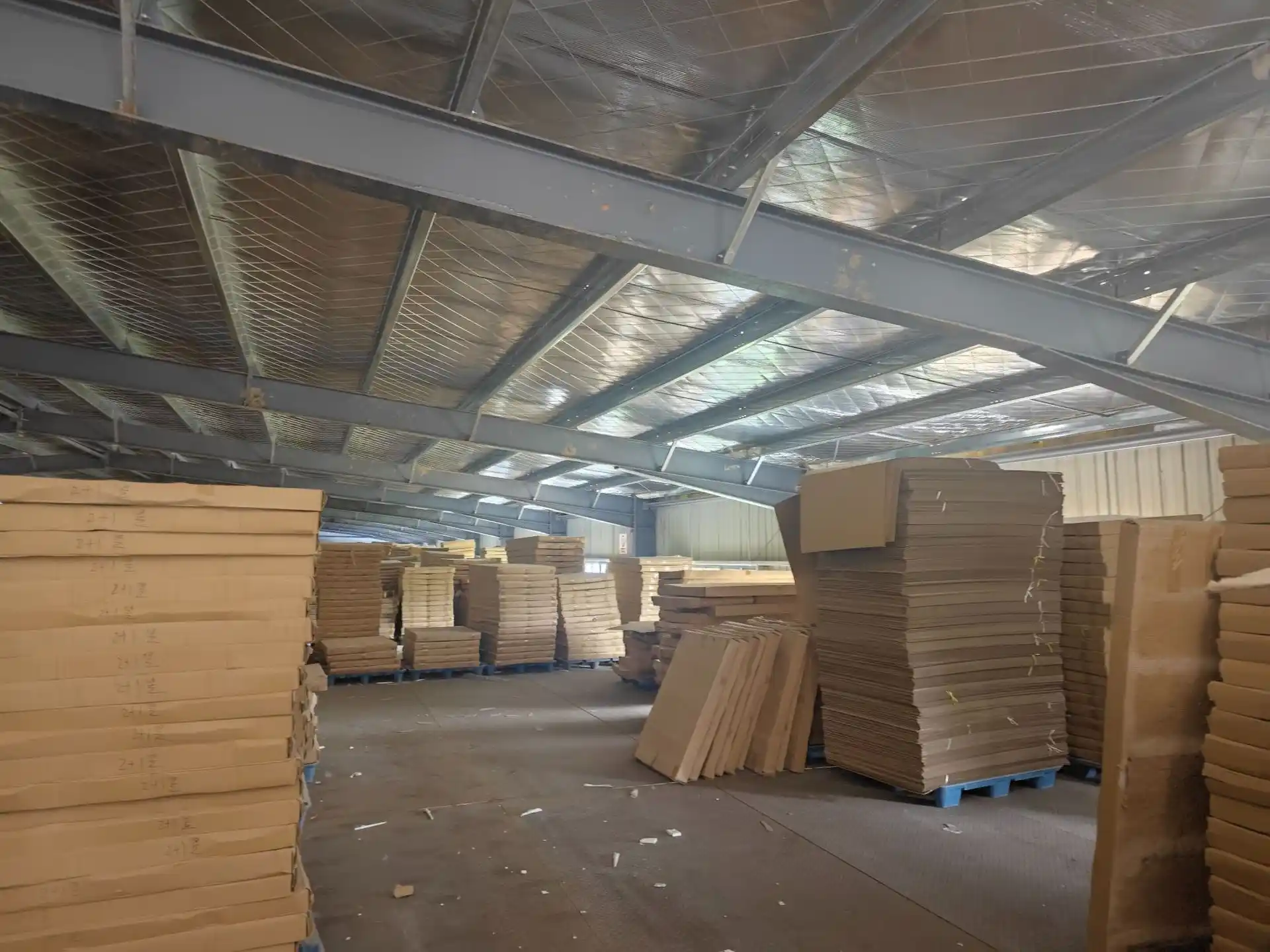
The first gate is the sample. MFBATH provides free sample support with a 10-working-day sample lead time, fast enough that the real cost is your own review hours, spent checking the sample line by line against the signed drawing pack, the hardware list, the finish reference, and the packaging file. Do not approve a sample by email reply. Issue a written approval naming the document revisions it accepts, keep one sealed unit at your office and one at the factory, and record the deviations you tolerated, because those become the standard for every later shipment.
The second gate is the trial order. At MFBATH’s 15-set MOQ per model, per color, and per size, a trial can be genuinely small, and its mixed-container loading lets one shipment test several SKUs at once instead of spreading them across months. Treat it as a documentation exercise as much as a product exercise: request the packing list, invoice data, marking, and origin paperwork drafts before the goods move, and confirm the exporting entity name matches the contract. Book independent pre-shipment inspection (PSI) by a firm such as SGS or TÜV before the first container leaves the new plant, since that report comes from the inspection company rather than the seller, and MFBATH’s own factory-side 5-point inspection is a supplier control, not your verification.
The third gate is the parallel run, where the outgoing factory keeps baseline volume while the new one builds to its own production cycle; MFBATH’s published 20-30 day run and 4-6 week total delivery to the United States, Canada, and Mexico are the reference scale used here. That overlap is where cash gets committed twice, so plan it model by model rather than by category: slower references move first and fast movers follow once the pattern holds. Set the pass criteria before the trial ships, expressed against the signed sample and the clauses you wrote, not against a percentage invented in a sales call.
Lead time is the arithmetic that decides whether the bridge holds, and a production cycle is only one term in it. Our companion piece covers how to plan around a 4-6 week delivery promise with ordering calendars, safety stock, and the cut-off dates that keep a promotion from landing against an unqualified supplier.
Qualify a New Factory With Samples, a Trial Order and Records
Browse this product, solution, or service page to explore relevant offerings.

In-Flight Orders, Deposits and Documents
The payment structure you agreed to earlier decides how painful this phase is. MFBATH works on a 30% deposit to open production with the balance due within one week of the draft bill of lading (draft BL), the terms MFBATH publishes. It protects both sides, since the factory covers committed material and you release the larger payment only against evidence that goods are moving. It also explains why an in-flight order cannot be abandoned mid-stream, and why a switch planned around dated milestones runs better than one announced mid-production.

Read the bill of lading as the hinge of the arrangement, the transport document evidencing receipt and loading of goods. That is why a draft version is the natural checkpoint for releasing a balance, and why the stretch between production completion and vessel loading is the most congested part of a transition. Cancel before material is cut and the settlement is simple; after the draft BL exists you are arguing about goods already on the water.
Before placing a first order with the incoming factory, pull the clauses that govern the exit from the current one: termination and its settlement formula, whether an order or tooling list can be assigned to another producer, the dated delivery milestones you can point to, and the obligation to return your spec pack. Payment method shapes what you can unwind, since a telegraphic transfer leaves fewer instructions than a documentary letter of credit; our comparison of letter of credit versus T/T payment terms covers the mechanics. Treat cancellation as a last resort rather than your opening lever, because the fastest way out of a stalled order is usually a written milestone plan.
Then rebuild the paper file, which is where a change of manufacturer becomes a change of exporter. Invoice data, packing lists, origin documentation, exporter registration details, shipping marks, and barcode assignments all carry a new party name, and your customs broker and freight forwarder should see it before the first shipment rather than at the port of entry. Trade terms need the same care: state the named port, such as FOB (free on board) Qingdao, and name which edition of the Incoterms rules the contract references, since freight responsibility and risk transfer follow that rule set.
Product documentation moves last and takes longest. CE and UL records are issued to the manufacturer whose specific product was tested, so an incoming factory must supply its own documentation for the models you import, and electrical items such as smart LED mirrors are where buyers discover this. Where a market sets its own conformity requirements, ask which standards the new plant’s product is designed to meet and request the reports behind the claim, because a complete goods file is a lead-time item rather than a phone call.
Cutover Sequence and the Rollback Plan
With the cost map drawn and portability tested, the switch becomes an ordered list with an exit condition at every stage.
- Qualification: legal name, registration, certificates, and export record verified against documents you can check independently.
- Sample sign-off: written approval citing the drawing revisions accepted, sealed samples held on both sides.
- Trial order: MFBATH’s 15 sets per model, color, and size, consolidated through mixed-container loading, with PSI booked in advance.
- Parallel run: the outgoing line holds baseline volume while the new plant ships against dated milestones.
- Model-by-model cutover: fast-moving references move last and slower references first, so an error costs you the least.
- Rollback readiness: triggers, contacts, and files that let you reverse any single step without a new qualification cycle.
Rollback Triggers Written in Advance
A rollback is only real if defined before you need it, expressed as observable conditions rather than dissatisfaction. Three categories carry most decisions: lead time, when a milestone slips on a container you have already promised a customer; inspection findings, when PSI reports a deviation from the signed sample; and documentation completeness, when drafts arrive late or name the wrong entity. Write each trigger into the trial purchase order, name who checks it, and note the action it releases, normally a pause on that model rather than a global reversal. Keeping the previous factory’s approved sample and packaging files on your shelf is what makes a pause reversible, and running two order books at once during the overlap is what keeps supply unbroken.
After-sales continuity needs its own plan because warranties do not follow the buyer. A warranty is a manufacturer’s commitment on the unit it built, so the coverage on containers from your outgoing supplier remains that company’s responsibility even after you stop ordering, and no supplier’s headline metric describes your own order history. Before the final order, lock model references, hardware part identities, finish codes, and spare availability for units already in the field, and put a spare buffer in the first trial shipment so a claim never depends on a factory without your file.
No sequence removes the risk, and a plan that promises zero disruption is a sales pitch rather than a plan. What you gain is a shorter overlap window, committed cash you can account for, and the ability to see a problem while it is still a document instead of a container. To check how a candidate plant’s build options line up with your spec pack, you can review the product catalog online; MFBATH’s 2025 catalog, over 100 pages, is free on request as a shared reference for both factories.
Frequently Asked Questions
What is the most overlooked cost when switching vanity suppliers?
The parallel window and the paper. During qualification you may carry deposits at two factories at once, fund two freight cycles, and hold extra safety stock, none of which shows on a comparison sheet. The documentation rebuild gates shipment release quietly, and spare-part continuity for units already sold is discovered only when a claim arrives.
Can a new factory simply copy the old factory’s product?
Only if the definition of the product transfers, which means drawings, color and finish references, hardware model numbers, packaging artwork, and inspection criteria travel together. A photograph and a model name are not a specification. Judge the result against the signed sample and the documented deviations rather than memory, and treat any revision on a custom item as a gate to be closed before the trial order.
How large should a trial order be during a transition?
Large enough to be representative, small enough that a failure stays recoverable. MFBATH’s MOQ is 15 sets per model, per color, and per size, and mixed-container loading lets one shipment carry several references, so the practical answer is one consolidated container covering the SKUs you intend to switch first.
Who honors the warranty on cabinets already sold?
The manufacturer that built them. Warranty terms attach to the producer of the unit, so the coverage written by your outgoing supplier is not replaced by anything the incoming factory signs, and the reverse is equally true. Settle model references, part identities, and spare supply before the last order, and keep approved samples on your own shelf.
The Bottom Line
Bathroom vanity supplier switching risks are mostly a scheduling and paperwork problem wearing the costume of a sourcing decision, so spend the first week auditing your own specification file rather than shortlisting factories. Run the bridge in three gates with written pass criteria, keep the old line on baseline volume until the new one clears a dated milestone, and define the rollback while reversal is still cheap. Skip that and a single container carries the entire transition.




0 Comments