
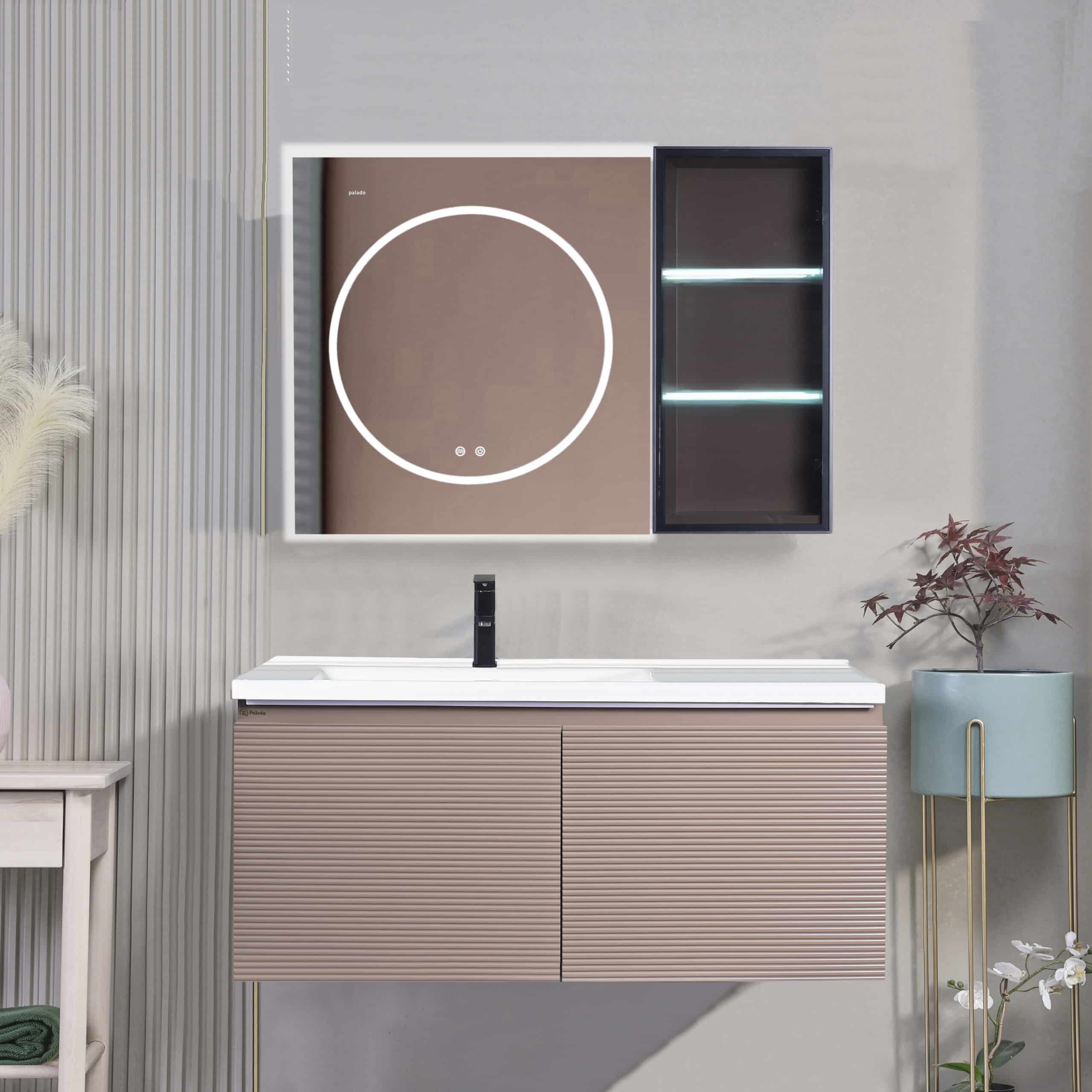
The LED mirror dimming spec is often the first point of failure in commercial bathroom projects, turning a sleek design into a guest complaint magnet. For veteran contractors and developers, the goal is simple: avoid costly rework due to electrical clashes and ensure on-time delivery without warranty claims. MFBATH has spent years refining this process, serving over 1,000 distributors globally with region-ready compliance and a 10,000㎡ factory that prioritizes precision over generic output.
Most flickering issues stem from using residential Triac dimmers on commercial-grade LED strips, a mistake that adds $50 to $100 in rework costs per unit. The solution lies in specifying 0-10V hardwired dimming systems and verifying offset junction box placement to prevent installation conflicts. By focusing on these engineering details, you can eliminate the 15-20% return rate often seen in hospitality projects and ensure your MEP coordination stays on schedule.
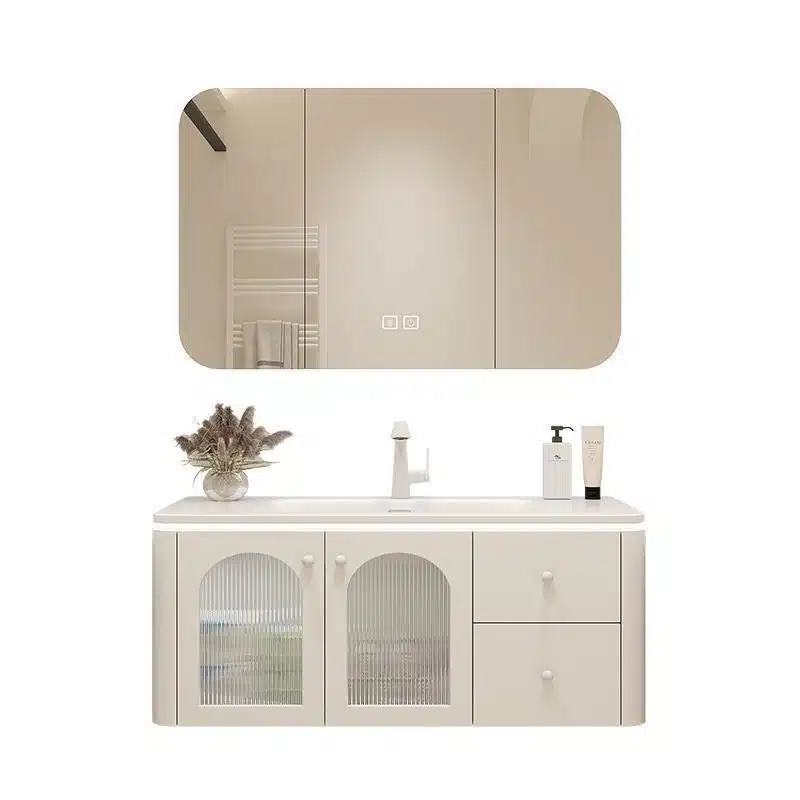
0-10V vs Triac: Why Dimming Matters
Triac dimmers cause flickering in commercial LED mirrors; specify 0-10V for stable, zero-flicker performance.
Flickering is the most frequent complaint from project contractors and hotel guests, and it is almost always caused by a driver mismatch. Triac dimmers (leading-edge) are designed for residential incandescent bulbs, not modern commercial LED strips. When you pair a Triac dimmer with a commercial LED driver, the phase-cutting creates electrical instability, resulting in visible strobing or buzzing.
For commercial environments like hotels, offices, and healthcare facilities, 0-10V dimming is the strict industry standard. Unlike Triac, 0-10V provides a dedicated low-voltage control signal that allows for smooth, zero-flicker dimming from 100% down to 1%. This prevents the costly rework and guest complaints associated with unstable lighting.
-
- Triac Dimming: Causes electrical instability and visible flickering in commercial LED strips. High risk of returning 15-20% of units due to guest complaints.
- 0-10V Dimming: Industry standard for commercial projects. Delivers smooth, zero-flicker control from 100% down to 1% by using a dedicated control signal.
- MEP Coordination: Specify 0-10V during the MEP phase to avoid hardware clashes. This simple step prevents the $50-$100 per unit rework costs caused by wrong driver swaps.
Hardwired Setup: J-Box & Electrical Codes
Centering the J-Box blocks mounting brackets; offset it to the upper third for flush installation.
Commercial LED mirrors are hardwired directly to building electrical at 120V/60Hz, requiring a concealed junction box installed during rough-in. A critical installation error is centering the J-Box, which often hits the mounting bracket or prevents the mirror from sitting flush against the wall.
Positioning the box in the upper third of the mirror’s footprint avoids wire bunching and gives the electrician ample slack for GFCI-compliant connections. This simple adjustment prevents costly rework and ensures the unit stays within NEC and ADA compliant mounting heights.
-
- J-Box Placement: Offset to the upper third to avoid hitting mounting brackets and allow wiring slack.
- Electrical Standard: Hardwired 120V/60Hz with GFCI protection is mandatory for commercial bathroom environments.
- Installation Risk: Centering the box blocks the bracket, forcing the mirror away from the wall and voiding warranties.
Color Temperature & CRI for Hospitality
High-CRI (90+) and 3000K are non-negotiable for accurate skin tones in hospitality and healthcare environments.
Selecting the correct color temperature and light intensity is a critical procurement decision for hotel and healthcare projects. While 3000K is the established industry standard for warm, inviting hotel bathrooms, the Color Rendering Index (CRI) is the true differentiator between a functional mirror and a premium one.
For spaces where visual accuracy is paramount—such as hotel salons, spas, and healthcare facilities—a High-CRI rating of 90+ is non-negotiable. Lower CRI values distort skin tones, leading to uncomfortable grooming experiences and potential guest complaints. Standard commercial LED mirrors deliver 700-1200 lumens at face height, ensuring proper task lighting without the harsh glare that disrupts the bathroom atmosphere.
Light distribution is just as important as the light source itself. Premium commercial mirrors utilize high-density LED strips (54 LEDs per foot) embedded within frosted light guides. This density provides uniform illumination, effectively eliminating the dark spots and hot spots commonly found in cheaper, backlit mirror models.
-
- Color Temperature: 3000K is the standard for hospitality warmth. Note that internal testing reveals matte black fixtures can reflect a strange green hue from 3000K LEDs; pivoting to 3500K High-CRI strips solves this visual clash before production.
- CRI Rating: Must be 90+ for healthcare and salon applications to ensure accurate skin tone rendering. Low CRI causes visual fatigue and unflattering lighting.
- LED Density: Aim for 54 LEDs per foot. Lower densities result in visible dotting and uneven light patches in the frosted channel.
- Prototype Protocol: Always pull a single prototype to test light interaction with your specific vanity finishes. The reflection of the mirror’s light on dark cabinetry can drastically alter the perceived color temperature.
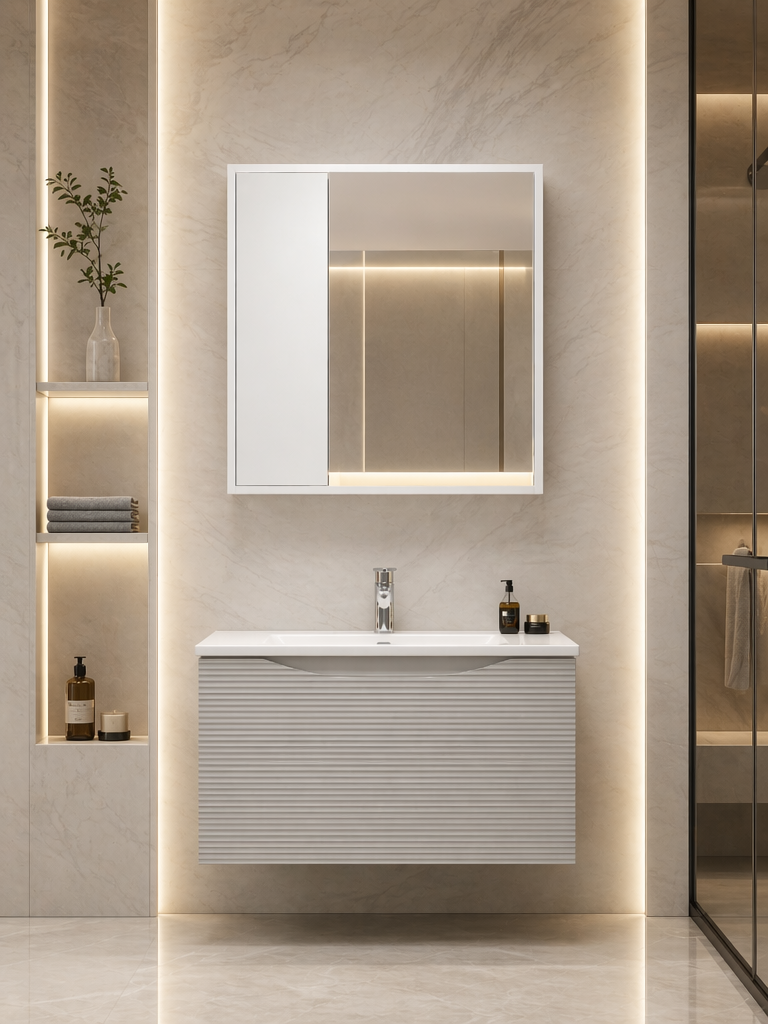
Custom Sizing & Bulk Production Timelines
Tier-1 manufacturers offer C2M customization for orders over 50-100 units with tight lead times.
For large-scale developments, relying on generic stock sizes often results in costly rework due to vanity millwork mismatches. Tier-1 suppliers now offer Consumer-to-Manufacturer (C2M) services for orders over 50 to 100 units. This allows you to ensure custom sizing matches your specific project requirements without the prohibitive costs usually associated with full OEM runs.
MFBATH operates a 10,000㎡ factory capable of producing up to 5,000 vanity units and 50,000 mirrors monthly. This high capacity ensures reliable delivery even for complex, region-ready compliance needs. Whether you require ADA accessibility features or UL/CSA certification for North American markets, the facility is structured to handle bulk production without compromising on precision or schedule.
-
- C2M Flexibility: Custom sizing is available for orders over 50-100 units, ensuring vanities fit specific millwork and preventing installation delays.
- Production Capacity: The facility produces up to 5,000 vanity units and 50,000 mirrors monthly, guaranteeing supply for large-scale hotel or commercial projects.
- Compliance Integration: Bulk orders include region-ready compliance, such as ADA accessibility and UL/CSA certification, eliminating the need for separate post-production modifications.
- Lead Time Reliability: Automated CNC cutting and assembly lines support tight lead times, ensuring on-time delivery for critical project milestones.
Conclusion
Specifying 0-10V dimming and offset junction boxes eliminates the flickering and installation delays that plague most commercial bathroom projects. These precise technical choices protect your project from costly rework and ensure consistent guest satisfaction across all units.
Review the detailed technical specifications and 0-10V dimming capabilities on the product page to finalize your procurement order.
Frequently Asked Questions
How bright should a LED mirror be?
Commercial LED mirrors typically deliver 700 to 1200 lumens for optimal task lighting. This range ensures sufficient brightness for grooming without causing glare in small bathroom spaces. Verify lumen output against specific project lighting plans.
Do you need an electrician for a LED mirror?
Yes, commercial LED mirrors require hardwiring directly to the building’s electrical system. A licensed electrician must install the concealed junction box and ensure GFCI compliance. Schedule electrical rough-in before mirror installation.
How many watts is a LED mirror?
Standard commercial LED mirrors typically consume between 20 and 40 watts depending on size. This low wattage provides high efficiency while maintaining the required 700-1200 lumen output. Check the specific driver label for exact wattage.
Is 3000 lumen too bright?
Yes, 3000 lumens is excessively bright for a standard bathroom mirror and will cause glare. Commercial specs usually cap between 700 and 1200 lumens for comfortable task lighting. Stick to standard commercial lumen ranges for comfort.
What are the common problems with LED mirrors?
The most common issue is flickering caused by using residential Triac dimmers instead of commercial 0-10V systems. Incorrect J-Box placement also frequently leads to installation failures and wiring conflicts. Specify 0-10V dimming and offset J-Box placement.


0 Comments