
A $150 FOB vanity often lands at $280 by the time it hits your warehouse. Tariffs, ocean freight, and handling fees add up fast. MFBATH, a Changge-based factory, handles those hidden costs upfront for over 1,000 distributors in 20+ countries. They know the real TCO clock starts before the container leaves the port.FOB sticker pricehidden variables
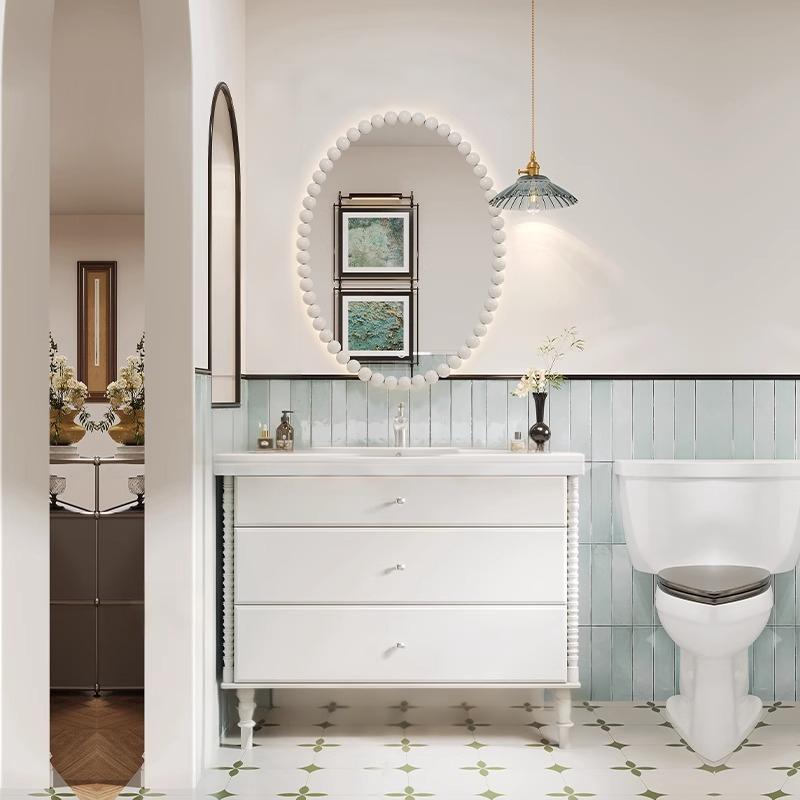
PVC vanities cost more at the start, but in humid markets they deliver the lowest TCO. Warranty claims stay near zero. Plywood is cheaper upfront, but return rates jump in coastal areas, erasing that initial saving. Packing cartons to fill a 40HQ container fully trims per-unit freight by 15%. Choosing the right HS code classification changes tariff exposure. A direct manufacturer with real capacity eliminates the trading company markup, slashing TCO.humid marketsHS codes
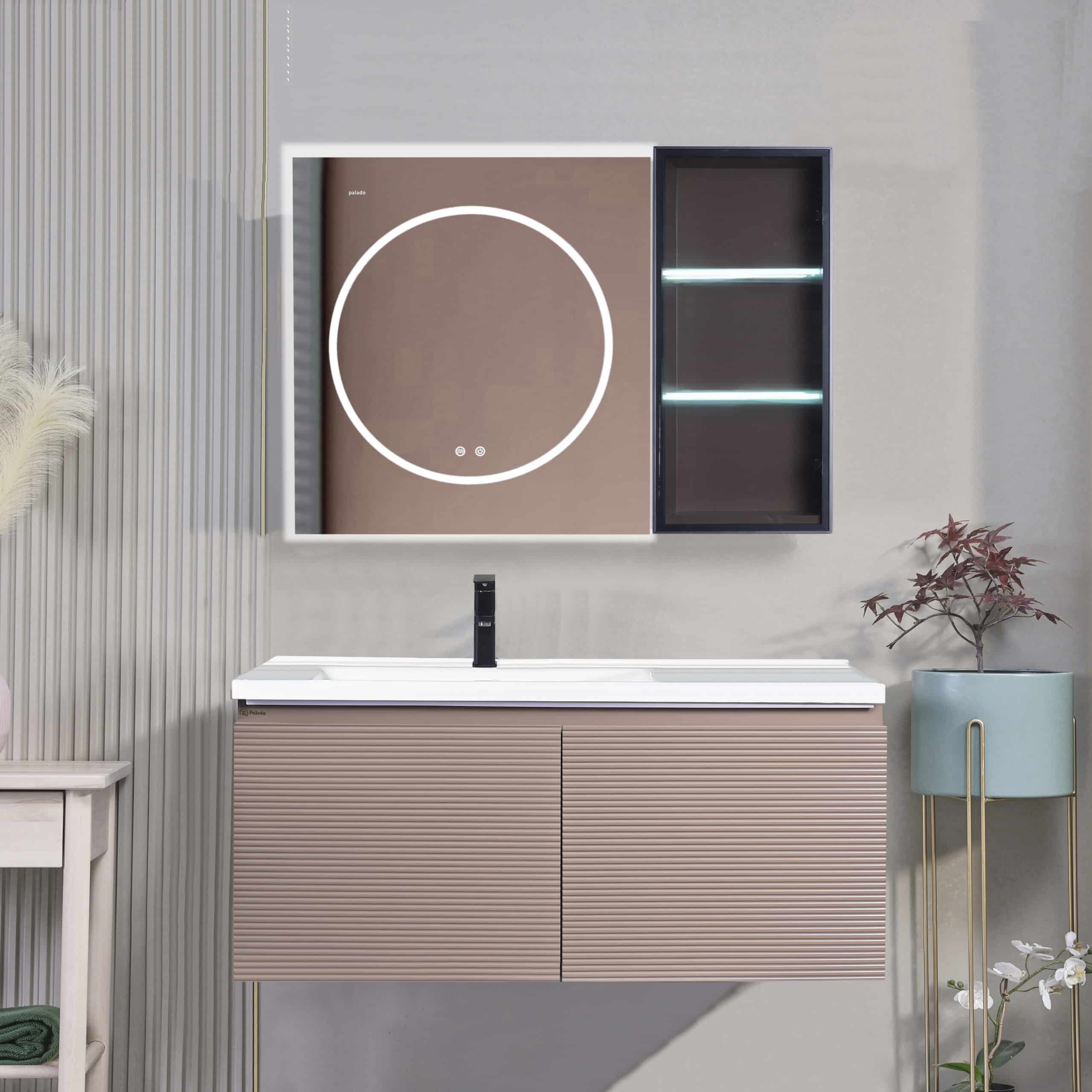
Why Your FOB Price Is a Lie: Hidden TCO Risks
A $150 FOB vanity often lands at $280 due to hidden tariffs, freight spikes, and defect-related margin erosion.
Chasing the lowest FOB price wrecks your margin. The cheapest unit often comes with a 5-8% defect rate because of poor humidity resistance. Replacements eat into profit and trust. Real TCO weighs landed costs against consistent quality.
- Tariff classification matters. MDF vanities can trigger 25% Section 301 tariffs, while PVC or solid wood may qualify for 0% under FTA rates. Getting the HS code right saves thousands per container. Freight density: bad carton optimization wastes space in a 40HQ. Packing boxes that fully fill the container cuts per-unit ocean freight by up to 15%. That offset alone can cover a higher factory price. Defect liability: low-QC suppliers average 5-8% rejection rates. MFBATH’s 5-stage inspection keeps defects under 1%, protecting your net profit from returns and warranty claims.
- PVC delivers the lowest TCO in humid markets like the Middle East and SE Asia. Zero warping, near-zero claims. Plywood costs less upfront, but in coastal environments, return rates climb fast and eat that initial saving.
A $150 FOB vanity can end up costing $280+ landed. Port charges, insurance, and handling fees stack up quickly. Budget 12-15% extra for tariffs, 5-8% for freight, and another 3% for insurance. That’s the real acquisition cost, not the quote.
PVC costs more to manufacture than basic plywood. But in high-humidity regions, its 100% waterproof construction eliminates humidity-linked failures. Pick that material, and you chop rejection rates from the 5–10% band that routinely wipes out importer margins.
| Feature | Specification | Advantage |
|---|---|---|
| Regional Compliance | NA: UL/CSA/ADA | EU: CE/E1 | Oceania: WELS/UV-Resistant | Eliminates customs delays and ensures market-specific safety and durability. |
| Quality Control | 5-Stage Inspection Process | Reduces defect rates from industry avg 5-8% to <1%, protecting gross margins. |
| MOQ Flexibility | Standard: 50-100 Units | Custom: 10-20 Units | Allows risk-free market testing and minimizes capital lock-in for new designs. |
| Production Capacity | 5,000 Vanities & 50,000 Mirrors Monthly | Ensures reliable, consistent supply for large-scale hotel and commercial projects. |
| Material Strategy | PVC (Humid) | Plywood (Cost) | Solid Wood (Luxury) | Sintered Stone (Modern) | Optimizes TCO by matching material properties to local climate and aesthetic demands. |
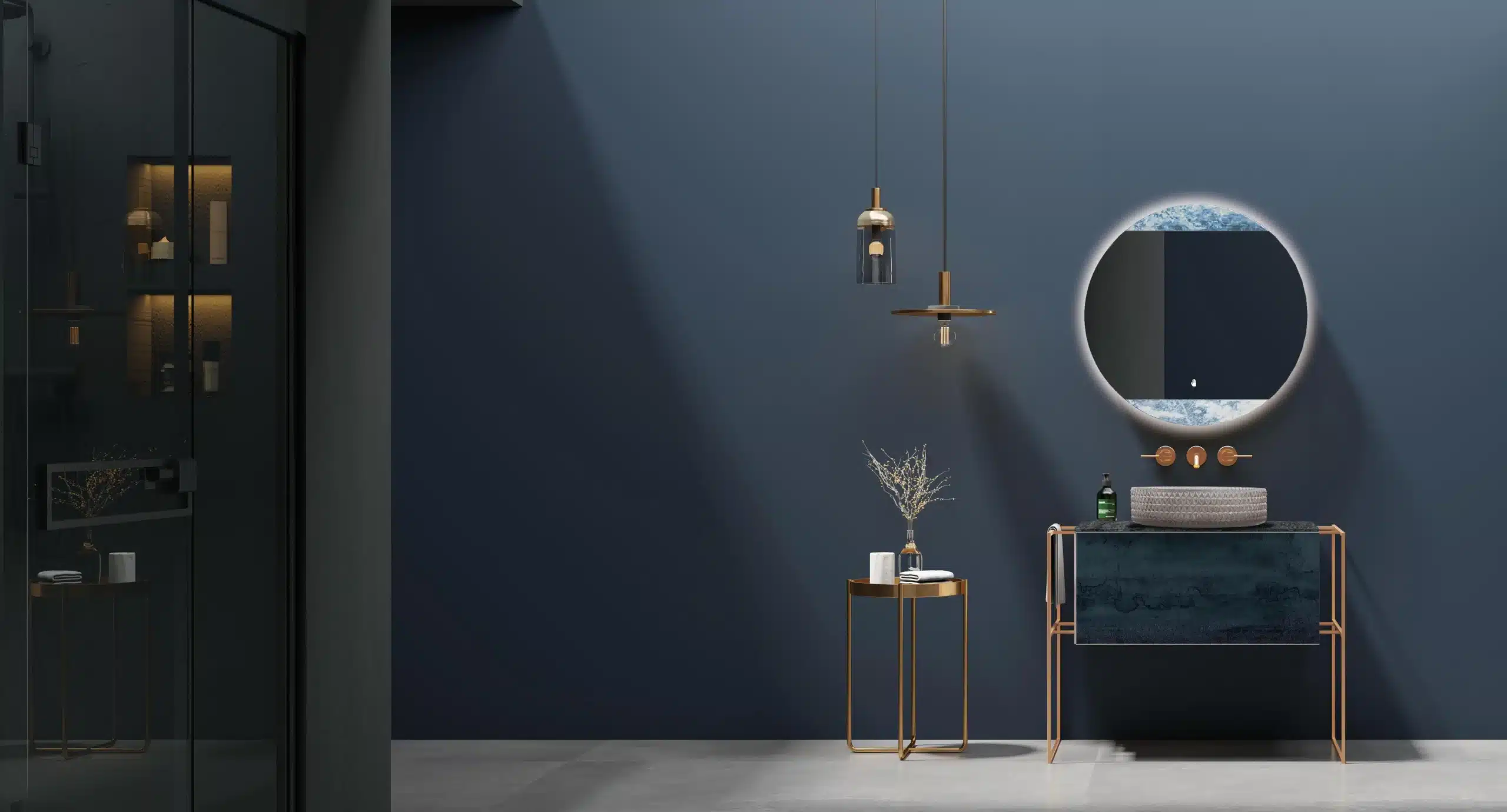
Real Cost Breakdown: Tariffs, Freight, and Logistics
A $150 FOB vanity hits $280 landed due to tariffs, freight, and handling fees.
FOB price gets you in the game. It’s not what you actually pay. Real bathroom vanity TCO rolls up ocean freight swings, destination port charges, and import duties. Miss any of those and your gross margin evaporates. A $120 vanity from China can hit $30 in tariffs and $25 in local handling, pushing landed cost past a $160 unit from a trade-friendlier country.
Freight rates shift with container availability and fuel surcharges. Calculate cost per cubic meter (CBM), not per unit. Tight carton dimensions that max out a 40HQ container cut per-unit freight by 15%. Sloppy packaging triggers transit damage, and that quietly eats 30% of hidden costs. Material choice, PVC for humid zones, plywood for dry interiors, directly sets your warranty exposure and long-term TCO.
- Tariffs range from 0% to 25% depending on the trade agreement you file under. FTAA countries pay nothing. Section 301 adds a quarter of the cost. Have your customs broker reclassify the vanity for a better duty rate. Ocean freight jumps 10–20% in peak season. Budget by CBM, not by unit count, to absorb those spikes. CARB Phase 2 requires formaldehyde testing per shipment. That adds $5–8 per unit. Skip it and your container gets seized at the port.
- CIF covers the ocean leg but stops at customs. You own the clearance. FOB means you pull the container from the origin dock. More control, but you eat destination-side delays.
| Component | Cost_Range | Impact_on_TCO |
|---|---|---|
| Base Unit Price (FOB) | $120 – $250 (PVC/Plywood) | Only 40-50% of final cost; misleading if viewed alone |
| Import Duties & Tariffs | 0% – 25% (Region Dependent) | Can double landed cost in protected markets (e.g., Section 301) |
| Ocean Freight & Fuel | $15 – $30 per unit | Volatility adds 10-20% risk; optimized by 40HQ container fill |
| Quality Defects & Returns | <1% (MFBATH) vs 5-8% (Industry Avg) | High defect rates erase gross margins via reverse logistics |
| Compliance & Certification | $5 – $10 per unit | Essential for market access (CE/UL/ADA); prevents customs seizure |
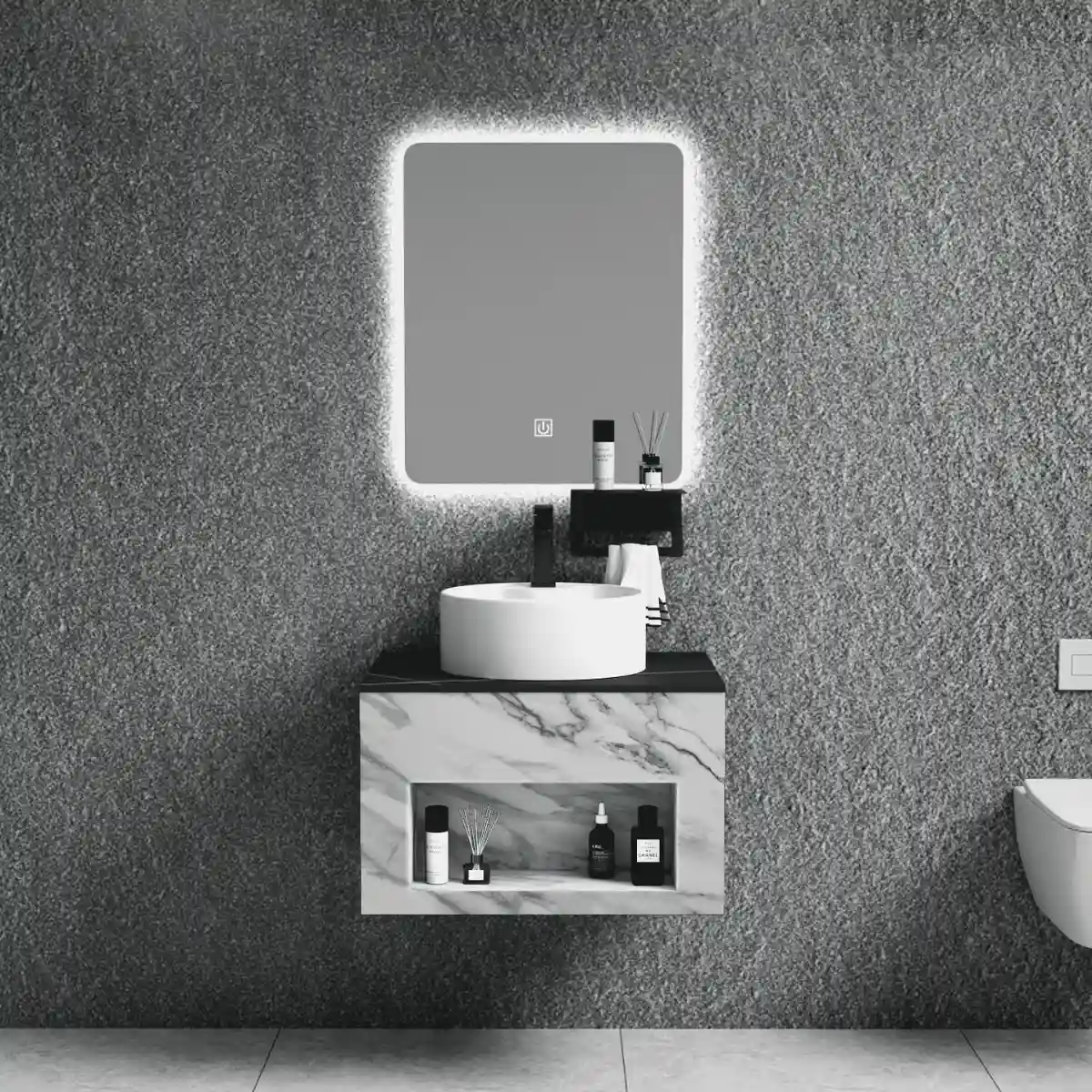
Material Tradeoffs: PVC vs Plywood vs Sintered Stone TCO
PVC wins TCO in humid zones; plywood risks warping; sintered stone demands high upfront capital.
The material you pick sets your warranty hit rate. A cheap FOB price disappears when the vanity swells in a Singapore hotel bathroom within six months. Look at long-term defect rates, not just what you pay per unit. That’s how you land a cost-effective product that actually delivers on quality and durability.
PVC vanities sit in standing water without swelling. They won’t grow mold. The upfront cost runs a bit higher than basic MDF, but total cost of ownership drops because warranty claims barely exist. For coastal buyers or any market with serious humidity, this is the practical call. You either design for water or you write off entire container loads by month 18. That’s the practical call for PVC vanities.PVC vanities
- PVC doesn’t need seals. It handles constant water exposure by itself. Plywood requires a full edge-sealing process; one missed coat, and delamination starts at the seams. Ship plywood into a humid port and the risk shows up fast. When packaging fails during transit, and it will on rough sea routes, the panels warp. That means immediate rejection at destination, not a discount negotiation. For Southeast Asia and the Middle East, PVC is the only material that works reliably. Plywood makes sense only for dry, temperate climates like northern Europe.
Plywood is the cheapest way in, but the trade-off is risk. If the packaging fails during ocean freight, the boards warp. Ship to a coastal market, and return costs eat up whatever you saved on the FOB price. That math rarely pays off.
Sintered stone costs more upfront, but that cash outlay buys one thing: durability. The basin is fused under extreme heat, non-porous, and test-run for 10,000+ cleaning cycles. In the luxury segment, that means fewer post-installation callbacks and fewer complaints about scratches or heat marks.
- Durability: Sintered stone handles harsh chemicals and physical abrasion that wreck laminate surfaces. Heat tolerance: Put a hot styling tool on acrylic or solid surface, and you get a mark. On sintered stone, you get nothing.
- Quality: The clean, modern look justifies a higher retail markup in luxury residential projects.
Bad material choice is a reputation killer. In low-cost factories, defect rates hit 5-8%, directly eating into your margin. A five-stage inspection process brings that below 1%. Consistent quality prevents margin erosion from hidden logistics costs and batch inconsistencies.
PVC keeps costs down in humid climates, it won’t swell and it won’t eat your margin. Sintered stone signals luxury, it’s image protection. Plywood is high-risk, it demands strict quality control and bone-dry storage or you’ll face claims.
| Feature | Specification | Advantage |
|---|---|---|
| Material Composition | 100% Waterproof PVC / Moisture-Resistant Plywood / Scratch-Resistant Sintered Stone | Eliminates warping in humid climates; reduces warranty claims and return rates by up to 90% compared to standard MDF. |
| Upfront FOB Cost | PVC: Low | Plywood: Medium | Sintered Stone: High | Allows strategic budget allocation; PVC offers the lowest entry point for high-volume, high-humidity markets. |
| Lifecycle Durability | PVC: 10+ Years (Zero Degradation) | Plywood: 5-7 Years (Risk of Swelling) | Sintered Stone: 20+ Years | Sintered stone and PVC minimize long-term replacement costs, protecting gross margins against frequent inventory turnover. |
| Maintenance & Cleaning | Non-Porous Surface (Sintered Stone) / Mold-Resistant (PVC) vs. Porous (Plywood) | Reduces end-user maintenance complaints; tested for 10,000+ cleaning cycles without surface degradation. |
| TCO Verdict | PVC: Best for Humid/Coastal | Plywood: Best for Dry/Standard | Sintered Stone: Best for Luxury/High-Traffic | Aligns material choice with regional climate and buyer persona to optimize landed cost vs. defect rate. |
How to Source Vanities Without Hidden Quality Costs
A 1% defect rate drop saves thousands in returns; demand 5-stage QC and SGS audits.
The lowest FOB price often masks the highest landed cost. Skip proper checks and you’ll be stuck with warranty claims, damaged goods in transit, and rejected shipments at customs. Importers who’ve been burned know that a rigorous five-stage quality control process is the only way to shield your gross margin from those hidden quality costs.five-stage quality control processfive-stage quality control process
Never sign off on mass production from a screen. A physical pre-production sample is mandatory. It verifies structural integrity and Pantone color accuracy. This step catches material thickness discrepancies or joinery defects before hundreds of units are built, which prevents costly batch-wide rejections at the destination.
For offshore shipments, bring in a third-party inspection from SGS or Bureau Veritas. No exceptions. They’ll check packing to prevent transit damage and test wood moisture content against regional humidity standards. Independent verification removes the risk of supplier bias.Third-party inspections
- Five-Stage Inspection: This covers raw materials, cutting, assembly, finishing, and final packing. It brings defect rates down from the typical 5-8% to under 1%. ISO 9001 Certification: Ensures standardized quality management processes, so you get consistent output and reliable batch-to-batch performance. ISO 14001 Certification: Verifies environmental management standards, essential for sustainability compliance in markets like Europe and North America.defect rate
- Run an SGS or BV packing audit before the container ships. The report covers carton strength, corner protection, and moisture barriers. Transit damage eats 30% of hidden costs. The audit nails down packaging durability and eliminates that variable before loading.
| Feature | Specification | Advantage |
|---|---|---|
| Quality Control | 5-Stage Inspection | Reduces defect rate from 5-8% to <1%, protecting margins |
| Material Options | PVC, Plywood, Solid Wood, Sintered Stone | Optimizes TCO by matching material to regional climate risks |
| MOQ Flexibility | 10-20 Units for Custom Orders | Minimizes capital lock-in and allows risk-free market testing |
| Compliance Standards | UL/CSA, CE, ADA, WELS, CARB | Ensures regulatory entry and eliminates hidden certification costs |
| Production Capacity | 5,000 Vanities / 50,000 Mirrors Monthly | Guarantees supply chain stability for large-scale projects |
Why Most Importers Overpay: 5 Cost Mistakes
Chasing the lowest FOB price destroys margins via hidden tariffs, freight spikes, and defect returns.
Calculate total cost before you place the order. A $150 FOB bathroom vanity often lands at $280 after tariffs, ocean freight spikes, and handling fees. Budgeting on unit price alone ignores 20-30% of real cost. Add 12-15% for tariffs, 5-8% for freight, and 3% for insurance. That math separates a cost-effective import from a budget surprise.tariffs
Low-cost suppliers tend to spec lower-grade veneers that fail humidity testing. Rejection rates of 5-10% destroy margins. A trading company adds 10-15% markup without adding quality or transparency. Buying direct from the manufacturer removes that middleman fee altogether.Trading companiesDirect manufacturers
Untested designs that land in dead inventory tie up cash fast. Modern factories offer minimum order quantities as low as 10-20 units. You test a new market without betting the whole budget. That is smart risk management.
Place bulk orders with exact material specs, like E1 grade MDF, and you cut waste and lock in margin consistency. Define quality in the purchase order, not at the inspection line. Bad packaging eats 30% of hidden costs through transit damage. Get the carton dimensions right and a 40HQ container loads to capacity, trimming per-unit freight by close to 15%.
The HS code you assign to materials, MDF versus solid wood for example, shifts your tariff burden. Run every vanity classification past a customs broker before you commit. A $120 cabinet from China can land with $30 in duties, pushing the total above a $160 unit from a region with better trade terms. The higher-priced unit becomes the cost-effective one.
- Negotiate volume pricing on annual commitments, not single batches. A factory holds a better FOB rate when it sees a year of orders. Budget for logo printing and custom packaging from day one. That $2-5 per unit lifts retail margin. Avoid untested designs. A low minimum order of 10-20 units is the cost-effective way to validate demand first. Skip trading companies and buy direct from the factory. That 10-15% middleman markup adds no logistical value.
- Ship smarter. Consolidate multiple SKUs into one container and lock in exact material grades upfront. You get better container utilization, which lowers per-unit freight costs.
| Feature | Specification | Advantage |
|---|---|---|
| Regional Compliance | NA: UL/CSA/ADA | EU: CE/E1 | AU: WELS | Eliminates customs delays and ensures legal market entry |
| Quality Control | 5-Stage Inspection Process | Reduces defect rates from industry avg 5% to <1% |
| Customization Flexibility | Low MOQ: 10-20 Units | Minimizes capital lock-in for risk-free market testing |
| Material Durability | PVC (Humid) / Plywood (Cost) / Stone (Luxury) | Optimizes TCO by matching material to local climate |
| Production Capacity | 5,000 Units / Month | Ensures reliable delivery for large-scale hotel projects |
Conclusion
A $150 FOB vanity can land at $280 after you add 12-15% tariffs, peak-season freight surges, and a 5-8% defect rate from low-QC suppliers. That $130 gap is where the margin dies. Real margin protection comes from tracking total landed cost, selecting durable materials, and running 5-stage quality inspections that catch defects before they ship.
Frequently Asked Questions
What is a reasonable price for a vanity?
Reasonable pricing depends heavily on material choice and target market compliance. PVC vanities offer the lowest entry point for humid climates, while solid wood or sintered stone command premium prices for. Align material selection with your specific regional climate and customer tier.
What is the average cost to install a bathroom vanity?
Installation costs vary significantly by region and existing plumbing conditions. Typically, professional installation adds substantial labor fees on top of the unit price, especially for complex custom fits. Budget separately for local labor and potential plumbing modifications.
How much does a handyman charge to install a vanity?
Handyman rates fluctuate widely based on local market demand and job complexity. Simple replacements may cost less, but intricate custom installations often require specialized carpentry skills. Verify local hourly rates and scope requirements before hiring.
How much should a custom bathroom vanity cost?
Custom vanities incur higher costs due to specialized material sourcing and low-volume production runs. While some manufacturers offer low MOQs, bespoke features like Pantone matching increase per-unit pricing. Expect premium pricing for unique finishes and small-batch custom orders.
Who has the best deals on bathroom vanities?
Best deals come from direct manufacturers offering region-specific compliance without retail markups. Sourcing from factories with established global distribution networks often yields better volume pricing than intermediaries. Compare direct factory quotes against regional distributor pricing structures.


0 Comments