

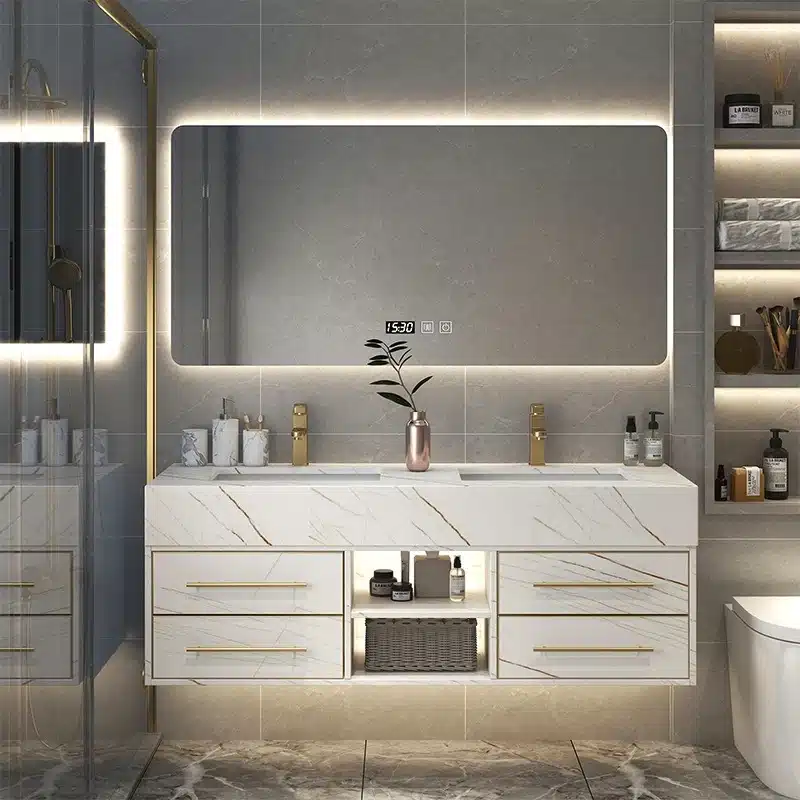
If you’re sourcing for a 200-unit apartment complex or a 50-room boutique hotel, the first question isn’t which factory—it’s which region. China’s vanity manufacturing hubs are not interchangeable. Foshan, Zhejiang, Fujian, and Hebei each produce vanities, but they do it with vastly different material specialties, MOQ structures, and compliance baselines. Picking the wrong hub can mean a 20% price swing or a 30% jump in defect rate before you even negotiate terms.
Most sourcing lists rank brand names like JOMOO or DONGPENG, but those names tell you little about factory capability for a project buyer. A retail brand’s production line is built for volume, not for the 50-500 unit custom runs that contractors need. The real intelligence is in the geography: which hub offers 10-20 unit MOQs for testing, which one applies its 5-stage QC only to premium lines, and which one can deliver UL/ADA compliance without a retrofit. That’s the data that separates a smooth project from a costly reorder.
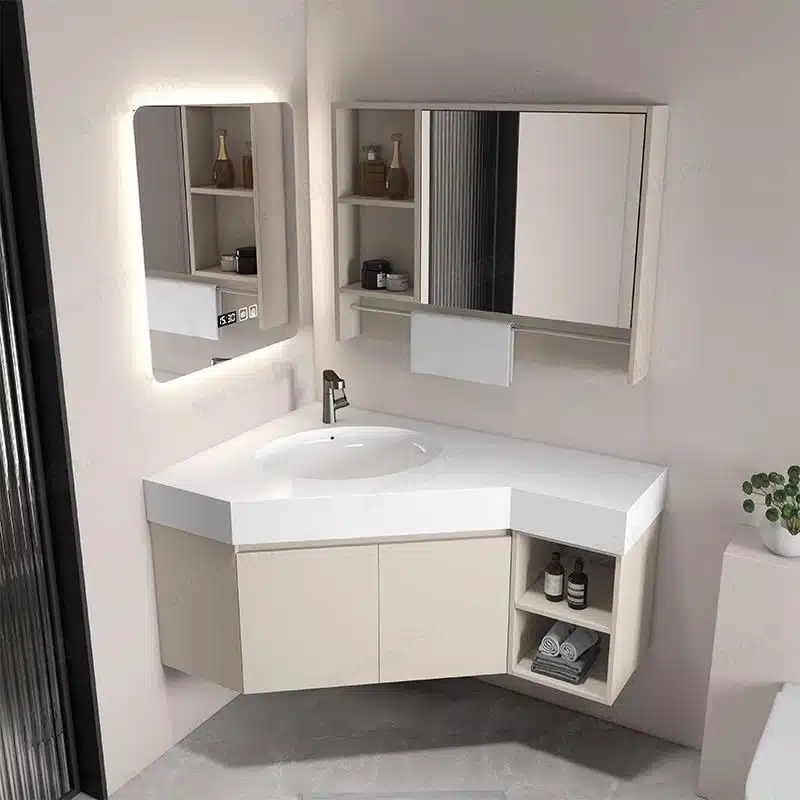
Guangdong (Foshan): The Ceramic & Smart Hub
Foshan dominates ceramic vanity output, but its real value for project buyers is the density of UL/CSA certified component suppliers within a 50km radius.
Foshan accounts for roughly 40% of China’s bathroom vanity export value. That number alone doesn’t help you pick a factory. What matters is why that concentration exists: the city sits on top of a supply chain for ceramics, smart mirrors, and metal hardware that no other hub replicates. For a project contractor sourcing 200 units, this means your lead time for custom components is typically 10-14 days shorter than sourcing from a factory in Hebei that has to import those parts.
Here is the hard truth most sourcing guides skip: many Foshan factories advertise “5-stage QC” but only apply that protocol to their premium retail lines. Their standard commercial production lines—the ones you are likely buying for a 100-unit apartment complex—may only get two inspections: one at raw material intake and one before packaging. The middle stages (machining tolerance checks, assembly alignment, finish adhesion testing) are dropped to hit a lower price point.
What you need to do: Before signing a contract, request the factory’s QC checklist and ask them to annotate which stages apply to your specific price tier. If they hesitate or give you a generic document, that is a red flag. A factory that runs genuine 5-stage QC on all lines—like our own facility in Henan—can show you the stage-by-stage sign-off sheets for a recent commercial shipment.
Another Foshan-specific advantage that gets buried in generic lists: MOQ flexibility. Brand-name factories like JOMOO and DONGPENG often require 200+ units for non-stock commercial designs. But lesser-known Foshan factories—the ones that supply those brands’ OEM overflow—routinely accept 10-20 unit custom orders for prototyping and testing. This is critical for your project because it lets you validate color match, hardware feel, and assembly quality before committing to a full container.
Insider warning: If a Foshan supplier quotes you a price 15% below the market average for a UL-listed smart mirror vanity, ask for the UL certification number and verify it on the UL Online Certifications Directory. Some factories in this hub use “UL compliant” components in the mirror but not in the electrical wiring behind the vanity, which can fail inspection on a North American jobsite.
-
- Best for: Projects requiring ceramic basins, smart LED mirrors with UL/ETL listing, or mixed-material vanities (ceramic + wood/MDF).
- MOQ range: 10-20 units for custom prototypes; 100-300 units for production pricing.
- Compliance strength: High density of UL/CSA/CE certified component suppliers, but verify QC stage allocation per price tier.
- Cost note: Bulk hardware shipping costs are 15-20% lower than other hubs due to local supplier density.
For a deeper breakdown on how to verify a factory’s QC claims before you wire a deposit, see our guide on factory audit checklists for bathroom vanity manufacturers.
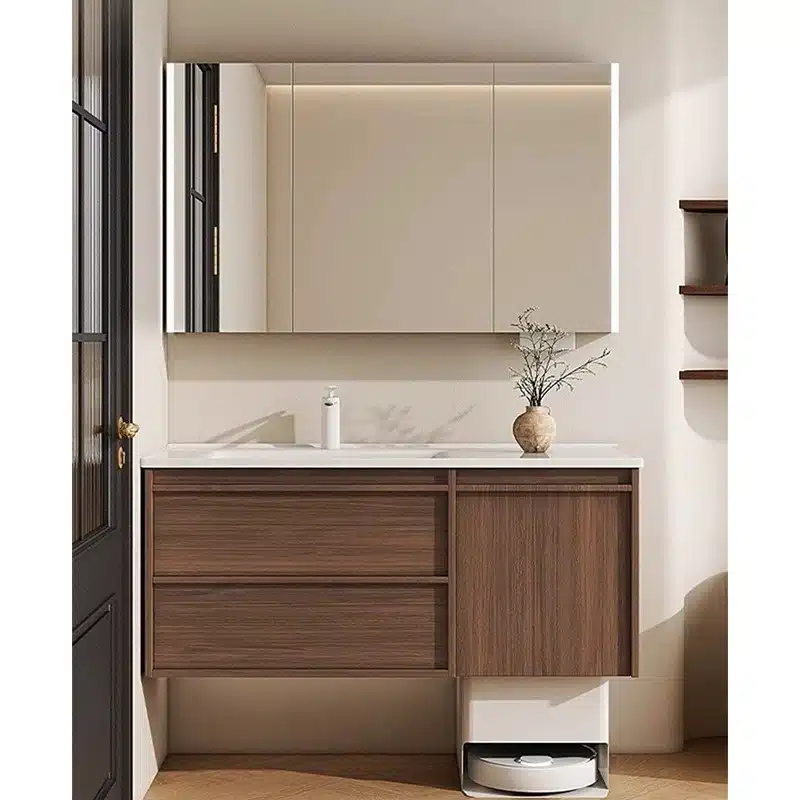
Zhejiang: Design Innovation & MDF Specialists
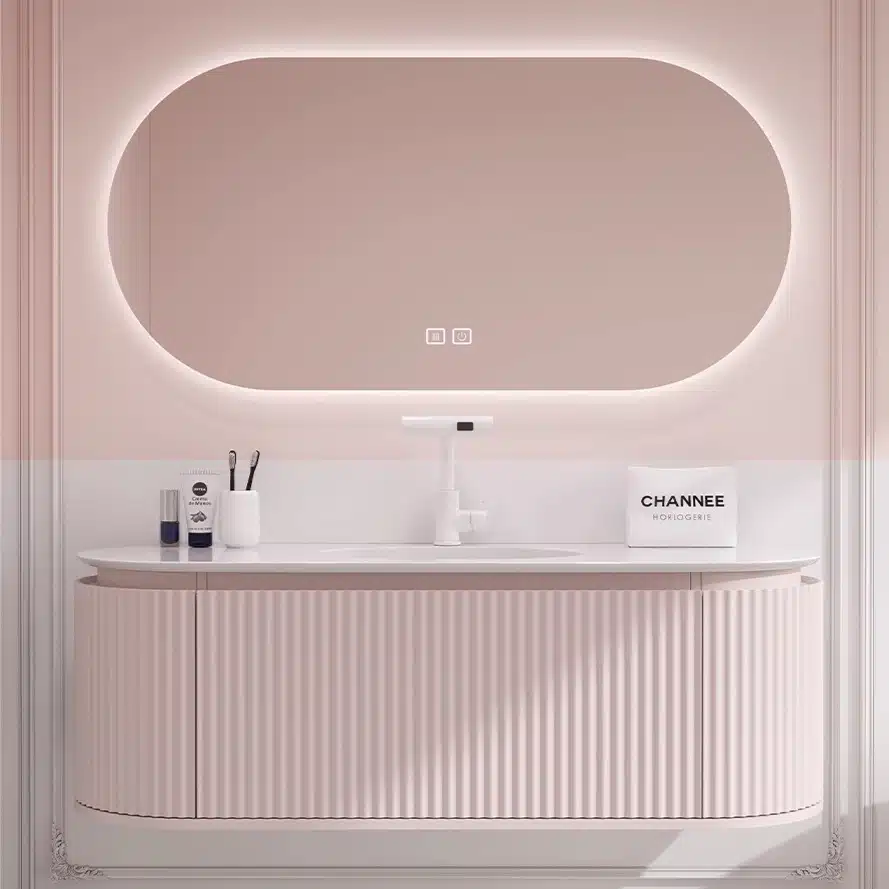
Fujian: Solid Wood & R&D Powerhouse
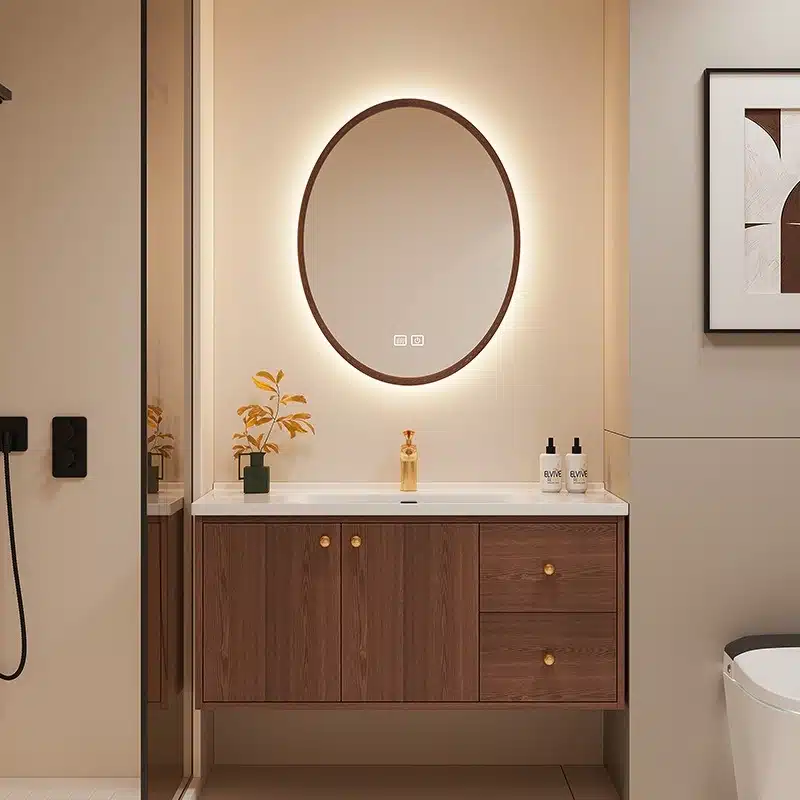
Fujian is the hub for premium solid wood vanities—oak, walnut, and teak with custom finishes. Factories here hold thousands of design patents and can execute complex joinery and hand-finishing that other hubs cannot match. For luxury hotel projects requiring solid oak or walnut vanities with custom Pantone colors, Fujian is your starting point. The key advantage is the willingness to accept 5-10 unit prototype orders for design approval before mass production. However, because their primary market is domestic and Asian, UL and ADA certifications are not standard stock items—factor in 4-6 weeks for certification testing. See our Custom Vanity Specs guide for detailed compliance requirements.
- 🏷️ Category: Manufacturing Hub
- 🎯 Core Outcome: Best for luxury solid wood projects with small prototype runs, but North American compliance adds lead time and cost.
Analysis:
| ✅ Advantages | ⚠️ Considerations |
|---|---|
|
|
Hebei: High-Volume Ceramic & Value Play
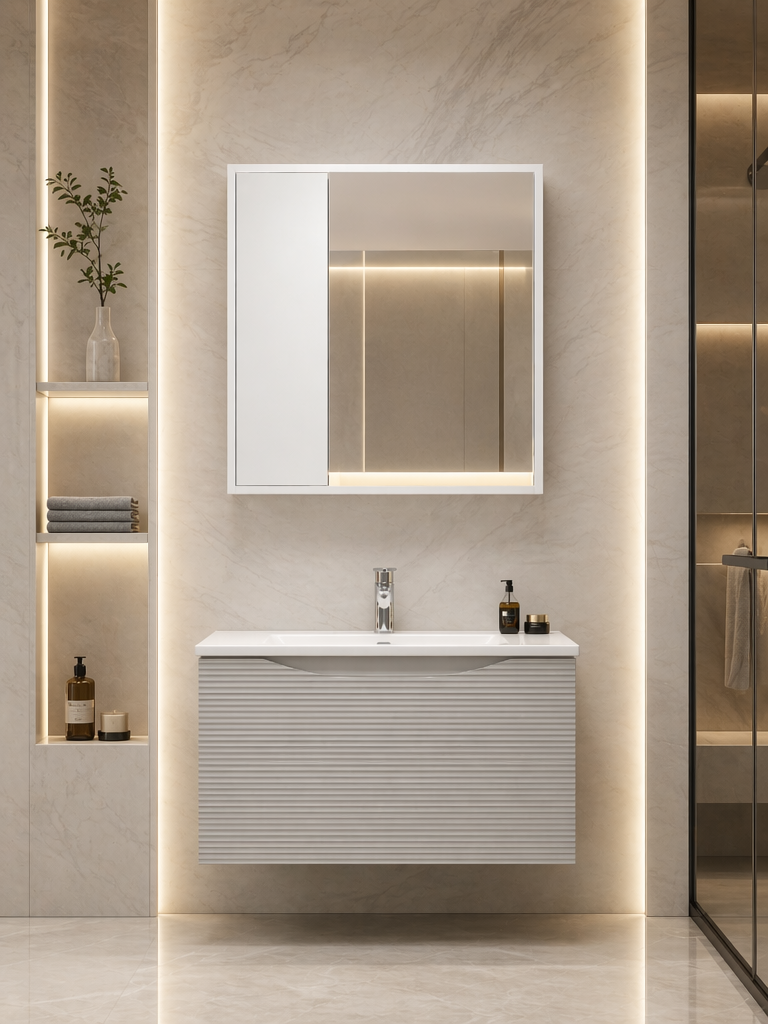
Hebei, primarily Tangshan, is the north’s ceramic production base, offering the lowest unit costs for enameled steel or ceramic vanities. This is the hub for high-volume, standardized orders—think budget hotel chains or apartment complexes where design flexibility is less critical than price. The risk is real: many Hebei factories lack the 5-stage inspection protocol common in southern hubs. If you source here, request a factory audit or use our Factory Audit Checklist before committing. Ship without a fumigation certificate for solid wood components and your container sits at port for 3 weeks—verify documentation protocols upfront.
- 🏷️ Category: Manufacturing Hub
- 🎯 Core Outcome: Lowest unit cost for high-volume standardized orders, but defect rates and QC inconsistency are the trade-offs.
Analysis:
| ✅ Advantages | ⚠️ Considerations |
|---|---|
|
|
Henan: The Emerging Hub for Balanced Sourcing
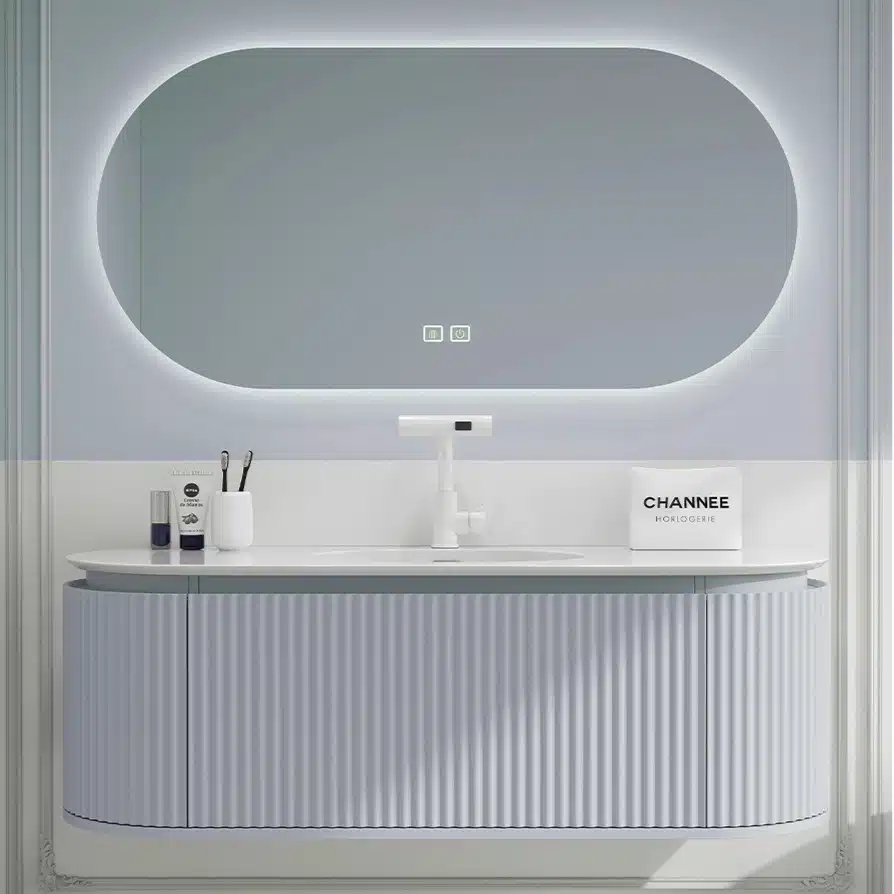
Henan is a newer manufacturing hub that combines the labor cost advantages of northern China with the QC standards and export expertise of southern hubs. Factories here benefit from central logistics positioning—shorter transit times to both northern and southern ports. MFBATH’s facility in Changge, Henan, operates a 5-stage QC protocol (raw material, machining, assembly, finishing, packaging) that rivals Foshan premium lines, but at price points closer to Hebei. The factory produces PVC vanities with 100% waterproof construction tested at -30°C for North America, plywood vanities with E1 grade formaldehyde emission below 0.05 ppm, and solid wood units with Grade A oak kiln-dried to 8-10% moisture content. For project contractors needing UL/ADA compliance with flexible MOQs (10-20 units for custom orders), Henan offers a compelling middle ground.
- 🏷️ Category: Manufacturing Hub
- 🎯 Core Outcome: Best balance of cost, QC, and compliance for North American and European projects with flexible MOQs.
Analysis:
| ✅ Advantages | ⚠️ Considerations |
|---|---|
|
|
Conclusion
Choosing the right manufacturing hub for your bathroom vanity project is a decision that directly impacts your budget, timeline, and compliance. As we’ve outlined, Foshan offers the most robust ecosystem for UL/ADA-compliant vanities and smart mirrors, while Hebei provides the lowest unit cost at the expense of QC consistency. Zhejiang and Fujian each serve specific niches in MDF and solid wood, respectively, but require careful vetting for North American certification. The key takeaway is simple: match the hub’s strengths to your project’s specific risk profile, not just its price point.
If your next project demands a factory that can deliver batch-consistent, UL-listed vanities with a flexible MOQ and a verifiable 5-stage QC process, review our commercial product range. We built our Henan facility to combine the QC standards of Guangdong with the cost-efficiency of central China, specifically for contractors who cannot afford compliance failures or project delays.
Frequently Asked Questions
Who makes the highest quality bathroom vanities?
The highest quality bathroom vanities come from specialized manufacturers like MFBATH, which uses a 10,000㎡ factory with CNC machines and a five-stage quality control process. For premium results, look for a direct factory. Verify the factory’s QC stages and certifications before ordering.
Are there any bathroom vanities made in the USA?
Yes, some bathroom vanities are made in the USA, but the vast majority of global production, especially for high-volume and custom projects, is concentrated in Chinese manufacturing hubs like Foshan and Zhejiang. Compare total landed cost before deciding on a sourcing region.
What is the best website to find Chinese manufacturers?
There is no single best website, but platforms like Alibaba and Global Sources are common starting points for finding Chinese manufacturers. For higher quality and direct factory access, it is more effective to. Always request a factory audit and sample before committing.
What is the 3-hour rule in China?
The 3-hour rule in China refers to the typical travel time between major manufacturing hubs like Foshan, Shenzhen, and Guangzhou, allowing buyers to visit multiple factories in a single day. Plan your factory visits within a single hub to maximize your time.
How to find a factory in China to make your product?
Start by identifying the right manufacturing hub for your product, such as Foshan for ceramic vanities or Zhejiang for MDF designs, then use B2B platforms or trade shows to. Always request a sample and a QC checklist before placing a bulk order.



0 Comments