
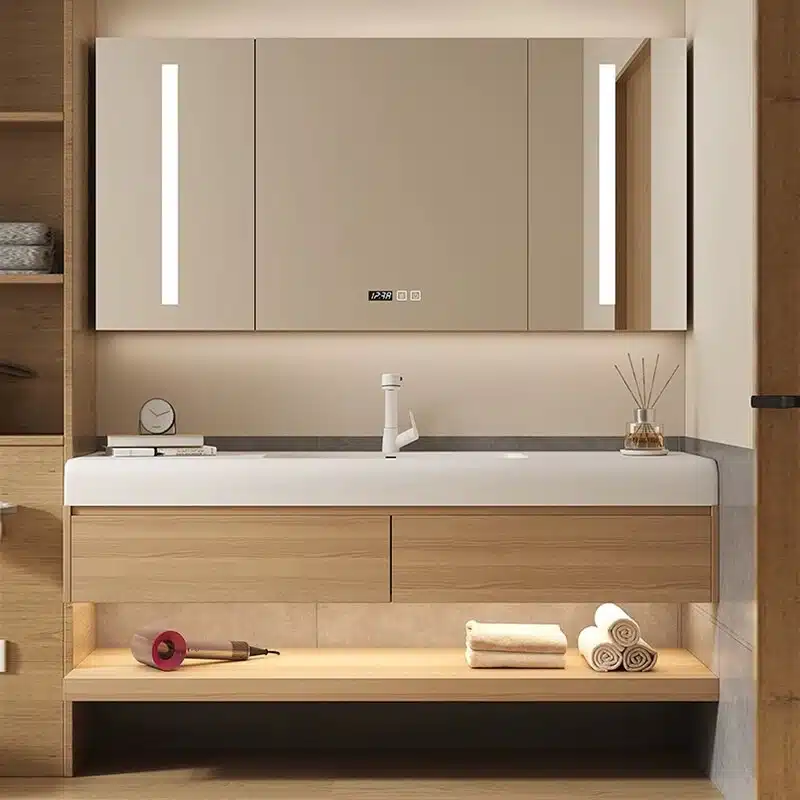
Most sourcing guides for sourcing sintered stone basins China will tell you to get a pre-production sample before committing to a full container. That advice is incomplete. I’ve watched a distributor lose a $50,000 order because the sample approval process only validated a single prototype — not the production run’s consistency. The fabric weight shifted, the color drifted by two Delta E units, and the quality tolerance on edge thickness was off by 0.3 mm. The sample looked perfect. The bulk shipment didn’t.
The real mistake isn’t skipping the sample. It’s assuming the sample tells you everything. Over years of auditing factories, I’ve seen that production scale, certification readiness, pilot order discipline, packaging specs, and after-sales support determine whether your first container arrives sellable or becomes a six-month headache. Skip any of those checks, and you’re betting the $50K on hope. That hope typically costs another $20K in rework, freight claims, and lost customer trust.
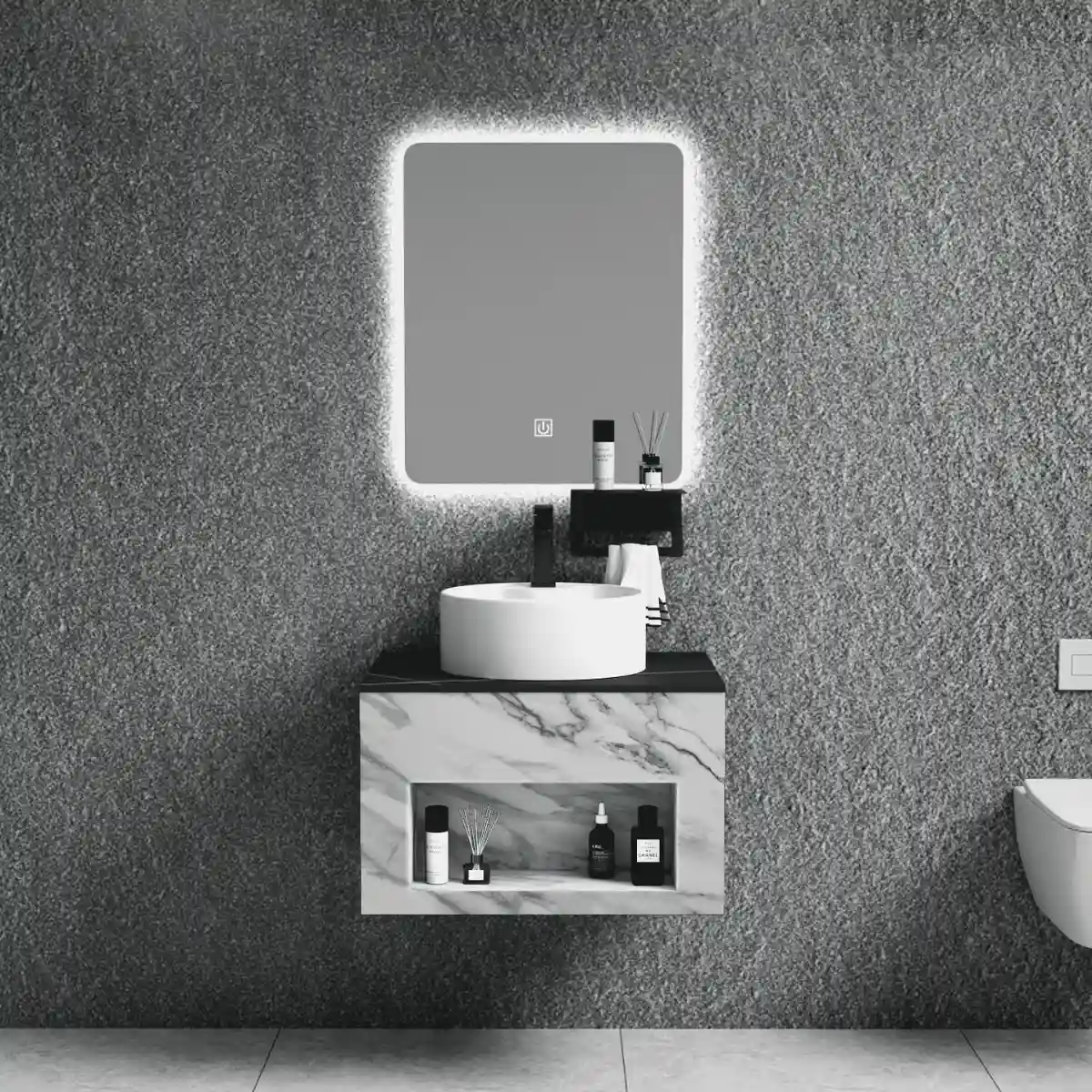
Mistake #1: Not Verifying Production Scale
A factory under 5,000㎡ rarely has space for dedicated QC stations or batch consistency testing.
A distributor placed a 500-unit order with a supplier who claimed to have a 2,500㎡ workshop. The first 120 units passed sample approval. The next 380 arrived with visible color shifts and hairline cracks. Why? The factory had no separate curing area—sintered stone dust from one line contaminated the batch, and they mixed leftover raw materials from two different supply lots. That mismatch cost him $6,000 in return freight and a cancelled project contract. When you’re verifying factory scale for sourcing sintered stone basins, the number
A 10,000㎡ production footprint is not a vanity metric. It directly enables the infrastructure needed for consistent sintered stone output: raw material silos that prevent contamination, dedicated drying rooms with controlled humidity, multiple pressing lines to avoid downtime mixing, and a proper QC station for every 50 units. Below 5,000㎡, you are usually looking at a workshop that runs lean—meaning they will cut corners on curing time, skip intermediate quality checks, and use the same dust extraction for different product lines. The math is simple: floor space equals process separation, and process separation equals repeatable quality.
-
- Dedicated QC Lab: A 10,000㎡ factory can allocate a 200㎡ climate-controlled QC lab for hardness, water absorption, and color spectrophotometry. Sub-5,000㎡ factories often outsource QC or skip it entirely.
- Batch Traceability: Large floor space enables separate batch staging areas, preventing mix-ups between raw material lots. Without this, a 1,000-unit order may contain two different material formulations—detectable only after installation.
- Packaging Test Zone: Nearly 30% of first-time importers face breakage due to inadequate packaging. A factory with 10,000㎡ can run ISTA-certified drop tests on foam-cradled crates. Smaller shops often skip pre-shipment testing entirely.
The cost of not verifying production scale shows up in your first container. A 40ft container of sintered stone basins runs roughly $15,000 FOB. If 20% arrive cracked because the factory was too small to have a proper packing line, you eat the replacement cost plus two months of lost sales. Ask for floor plan photos, QC station locations, and packaging test reports before you place a bulk order. The suppliers who can show these documents are the ones who survive a 10,000㎡ audit.
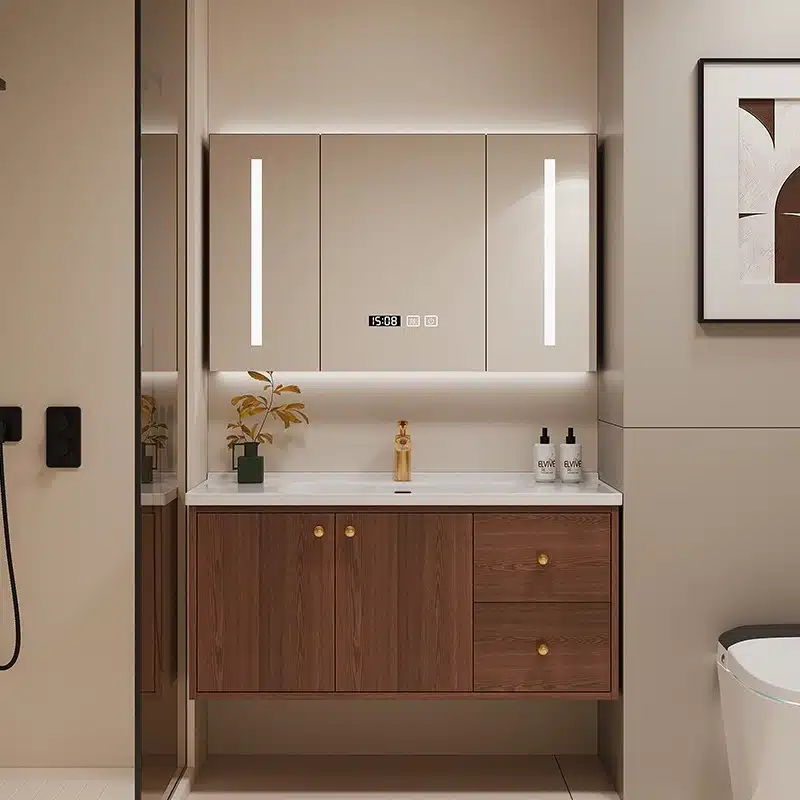
Mistake #2: Ignoring Regional Certifications
One wrong certification can hold your container at customs for weeks.
A $40k shipment of sintered stone basins was detained at Long Beach because the supplier slapped a CE sticker on a product meant for the U.S. market. CE covers Europe’s Construction Products Regulation (CPR), but it has zero legal standing with the Uniform Plumbing Code in North America. The buyer assumed ‘international certification’ meant universal acceptance. It doesn’t.
-
- cUPC (North America): Required by most U.S. states and all of Canada for any fixture connected to potable water. The certification tests for lead content (≤0.25% weighted average), drain outlet dimensions, and pressure resistance. Ignore it, and your distributor faces recall fines that can run 10x the order value.
- CE (Europe): Mandatory under EU Regulation 305/2011 for construction products placed on the European market. For sintered stone basins, this means EN 14688 compliance—dimensional tolerances, cleanability, and chemical resistance. The mark must be backed by a Declaration of Performance (DoP) from a notified body. No DoP, no customs release.
- SANS (South Africa): South African National Standards require the SABS mark for plumbing fixtures. The standard SANS 1533 covers ceramic and stoneware basins. South Africa enforces strict local testing—no mutual recognition with CE or cUPC. If your supplier can’t show a current SANS certificate, the container gets redirected to bonded storage at your cost.
A reliable supplier pre-certifies each product family for the target market before production. Focuscabinet’s region‑ready strategy locks in the correct certification at the design stage—cUPC for North American orders, CE for European, SANS for African—not as an afterthought. When you request samples, ask for the certification report, not just the sticker. A phone photo of the test page tells you more than a logo on a box.
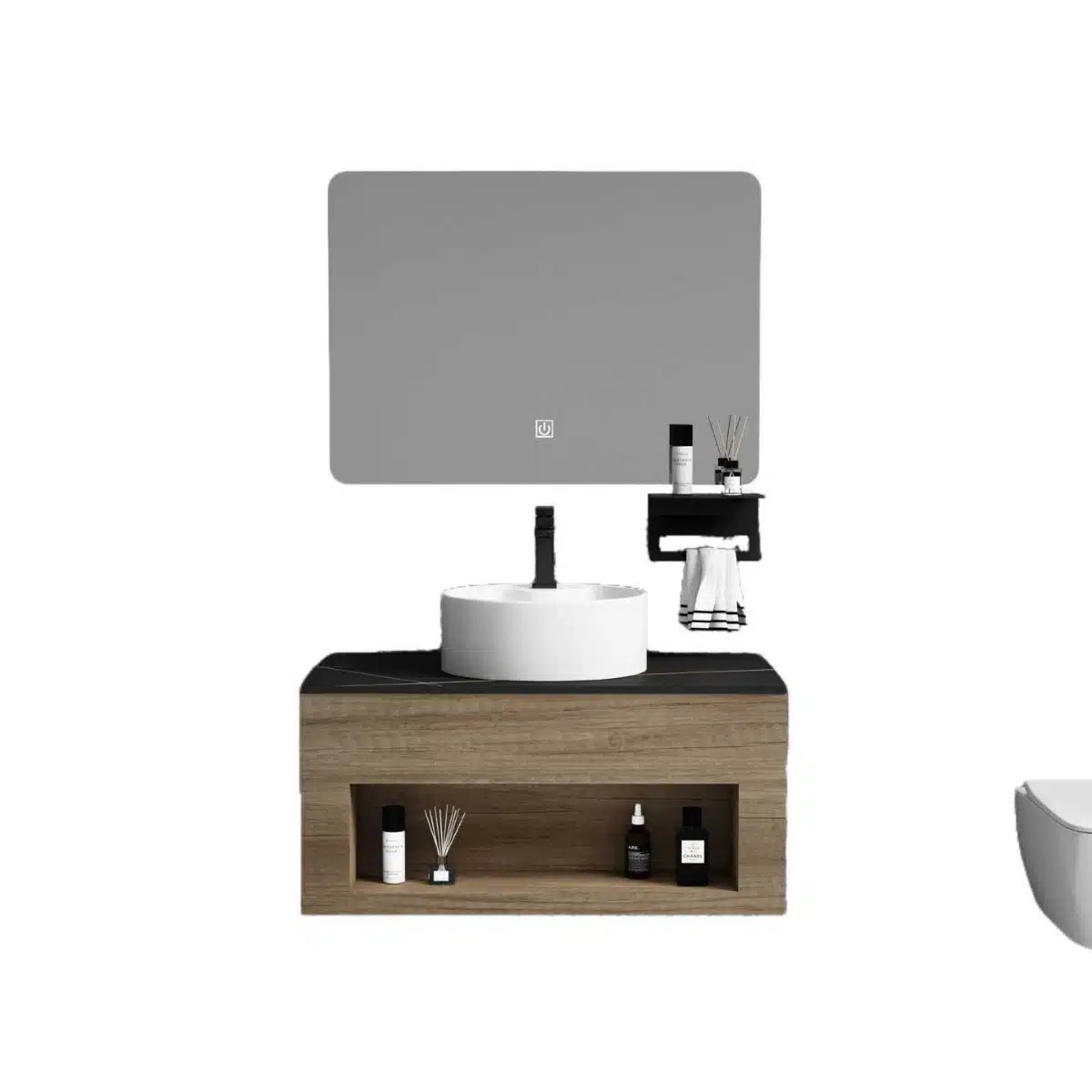
Mistake #3: Skipping Sample and Pilot Orders
A glowing sample means nothing if the next 1,000 units don’t match it.
You visited the factory, you saw a perfect basin on the showroom table, you negotiated a competitive FOB price. So you skipped the pilot order and went straight to a 500-unit container. Three months later, you’re unpacking basins with hairline cracks, uneven glaze, and a color shift that makes the entire shipment unsellable. That’s the real cost of rushing: not the sample fee you saved, but the entire order you have to scrap or discount.
The gap between a handmade sample and mass production is wider than most first-time buyers assume. Even a certified sintered stone sink China factory uses different tooling, different kiln cycles, and different batch materials for bulk runs. That’s why a pilot order of 10 to 50 pieces is not a nice-to-have — it’s your only leverage to catch defects before they scale. A supplier who pushes back on a pilot order is often one who knows their production consistency won’t hold. Walk away.
-
- Sample approval alone is not enough: Your signed-off sample is a single unit made under ideal conditions. A pilot run reveals what happens at speed: tool wear, batch-to-batch variation, and assembly drift. Always request a pilot order and inspect every piece against your quality tolerance — typically ±1mm on dimensions and a 5% shade variance on color.
- Packaging is part of QC: Nearly 30% of first-time importers face breakage on their first bulk order because the factory used generic foam instead of a custom cradle. Focuscabinet runs ISTA-certified packaging tests and uses foam-cradled crates that cut breakage rates to below 1%. Ask your supplier: ‘Can you share your packaging test report?’ If they can’t, assume you’ll lose 20% of your shipment.
- The pilot reveals the supplier’s real capability: A factory that can’t produce 50 consistent basins has no business taking a 500-unit order. Use the pilot to verify: Are the edges the same? Are the drainage slopes uniform? Is the sintered surface free of pinholes? These are the details that separate a reputable Chinese sintered stone basin manufacturer from a trader with a rented workshop.
Skipping the pilot is a fire-and-forget gamble. The only winner is the supplier who already cashed your 30% deposit. If you’re serious about buying sintered stone washbasins from China, treat the pilot order as a mandatory gate — not an optional extra.
Mistake #4: Misjudging Freight and Packing
Nearly 30% of first-time importers face breakage due to inadequate packaging – verify packing standards before shipping.
Most buyers focus on FOB pricing per unit and forget that sintered stone basins weigh roughly 35% more than ceramic equivalents. A single standard single-basin sink can hit 18–22 kg. Multiply that by a 300-unit container and your freight cost jumps $1,200–$1,800 compared to a lighter material. But weight is only half the problem.
-
-
- Weight impact: Heavier per unit means fewer units per container, higher per-unit shipping cost, and increased risk of exceeding axle limits on inland trucks in some markets.
- Fragility factor: Sintered stone is tough under pressure but brittle under point impact. A dropped corner during loading or a container lashing that shifts during transit can crack 5–8 units in a single row.
-
A distributor lost an entire 40-foot container because the supplier used single-wall cardboard and bubble wrap. Forty-two out of 150 basins arrived with hairline cracks – invisible at first, but after installation they spread. The distributor paid for replacement units plus expedited air freight. That’s a $14,000 mistake that could have been avoided with proper packing.
-
- Factory size signal: A production area under 5,000 m² often correlates with manual packing lines and no drop-test equipment. These factories rarely invest in ISTA-certified packaging.
- Packing standard: The industry benchmark is a foam-cradled crate with corrugated corner protectors and an outer plywood box. Combined with ISTA 3A testing, this reduces breakage to under 1.5% in sea freight.
When you buy sintered stone washbasins from China, insist on a packing specification sheet as part of the quality control for sintered stone basins. Ask for photos of the internal packing method and a copy of the ISTA test report if available. If the supplier hesitates, that’s a red flag. The cheapest quote is only cheap if the product arrives intact.
Mistake #5: Overlooking After-Sales Support
A supplier’s real cost shows after the container leaves port.
The first 12 months after delivery will separate a reliable manufacturer from a broker who just assembled a bill of lading. With sintered stone basins, cracks, chipping at the drain hole, or inconsistent color between batches often surface only after installation. If your supplier cannot guarantee replacement stock or spare parts for at least two years, you are carrying all the risk alone.
I’ve seen a distributor in Germany lose three hotel projects because the Chinese manufacturer refused to ship a single replacement basin after the first batch had a 5% hairline crack rate. The contract said “12-month warranty” but buried the clause that warranty only covered factory defects — not shipping or installation. The distributor paid full freight for replacements out of pocket. That is not a partnership, that is a transaction with a ticking time bomb.
-
- Warranty scope: Does it explicitly cover structural defects, delamination, and color deviation? Many Chinese suppliers limit liability to replacement of the defective unit only — no compensation for installation labor, freight, or project delays.
- Spare parts inventory: Ask for a written commitment on minimum stocked spare parts (drain assemblies, mounting brackets, basin samples). If the factory runs on a make-to-order model with a 45-day lead time for small pieces, you will lose clients waiting for a simple repair.
- Who holds the second source?: Verify that the supplier buys raw panels from at least two material suppliers. If their sole slab mill shuts down, you are out of luck. A diversified raw material pipeline keeps after-sales alive even when supply chain breaks.
When evaluating after-sales support China basin suppliers, ask for the exact process: How many pieces are set aside as warranty buffer per order? What is the lead time for a single replacement basin? Do they offer a reduced-cost spare parts kit for bulk distributors? Answers to those three questions will tell you more than any brochure about their commitment to your long-term business.
How Focuscabinet Solves These Issues
Focuscabinet’s 10,000m² factory and five-stage QC eliminate the top five sourcing risks systematically.
A factory under 5,000m² often lacks the space for dedicated QC stations and parallel production lines. That’s where inconsistent batches originate. Focuscabinet operates a 10,000m² facility with separate zones for raw material inspection, CNC shaping, surface finishing, assembly, and final packing. Each station has a pass/fail gate. If a basin fails the 2.0mm thickness check at the first stage, it never reaches the polishing line. That’s how we maintain a <0.3% defect rate across bulk orders.
Regional certification isn’t a checkbox — it’s a technical adaptation. Focuscabinet holds cUPC for North America, CE for Europe, and SANS for South Africa. But we go further: we adjust the glaze formulation for North American markets (higher hardness for freeze-thaw resistance) and modify the drain outlet diameter for European plumbing standards. This region-ready approach saves distributors from costly field modifications. We don’t just stamp a logo; we engineer the product for your local water chemistry and building code.
Sintered stone weighs 30% more than ceramic for the same dimensions. Inadequate packing is the #1 cause of claims — nearly 30% of first-time importers report breakage on their initial shipment. Focuscabinet uses foam-cradled crates tested to ISTA 3A standards. Each corner is reinforced with high-density polyethylene inserts. We also provide a packing video during pilot orders so you can verify the crating process. No hidden shorts, no shifting during transit.
-
- Five‑Stage QC Audit: Raw material XRF scan → Sintering density test (2.45 g/cm³ minimum) → Dimensional tolerance (±1mm) → Water absorption (≤0.5%) → Packing shake test. Each batch is logged and traceable.
- Pilot Order Protocol: We require a 50‑piece pilot run before any bulk MOQ. This allows real‑world dimension checks, color consistency under different lighting, and shipping validation. No surprises on the full container.
- Warranty & Spares: 18‑month warranty against manufacturing defects. We stock replacement basins for the five most common sizes (24, 30, 36, 48, 60 inches) so you don’t tie up capital. Spare parts ship within 3 business days of a claim approval.
After-sales support is where most Chinese suppliers drop off. We maintain a dedicated quality engineer per region who joins your end‑customer complaint calls. When a basin arrives with a hairline crack (rare, but happens), we ship a replacement before you return the damaged unit. That keeps your cash flow moving and your client relationship intact. We treat warranty as a logistics problem, not a finger‑pointing exercise.
Conclusion
The five mistakes covered here—skipping factory verification, ignoring regional certifications, rushing past pilot orders, underestimating freight fragility, and neglecting after-sales support—account for most of the costly surprises in sintered stone sourcing. But there is a final 10% that separates professionals from amateurs: the quality tolerance you set during sample approval. A 0.5mm edge variance on a basin might pass a casual visual check but fail a commercial installation where plumb lines are fixed. That tolerance needs to be written into the FOB agreement, not assumed.
If you are currently vetting Chinese sintered stone basin manufacturers, ask for their ISTA packaging test report and a signed quality tolerance sheet for the pilot run. Focuscabinet’s product page details their foam-cradled crates and five-stage QC process. Review it to see how a 10,000㎡ factory handles the details that prevent breakage and reorders.
Frequently Asked Questions
How do I verify a factory’s production scale?
Check the factory’s total floor area—facilities under 5,000 m² rarely have dedicated QC stations for batch consistency. A 10,000 m² factory like Focuscabinet can support separate quality control and scalability for. Always request a factory floor plan and video walkthrough before committing.
What certifications matter for sintered stone basins?
The right certification depends on your target market: cUPC for North America, CE for Europe, and SANS for South Africa. One wrong certification can hold your container at customs for weeks. Confirm which certs your supplier holds before placing an order.
Why should I order a sample before bulk production?
A glowing sample means nothing if the next 1,000 units don’t match it—bulk runs often drift in color, thickness, or flatness. Pilot orders under 50 units let you lock in finishing. Never skip a pilot order when sourcing sintered stone basins China.
What packing is needed for sintered stone basins?
Sintered stone is heavy and brittle—use reinforced plywood crates with foam padding and corner protection for sea freight. A factory that lacks specialized packing stations often sees breakage rates above 5%. Ask for a packing test video before approving the first shipment.




0 Comments