

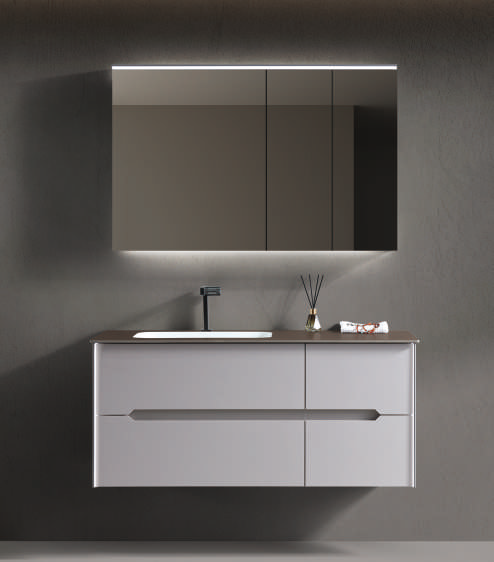
Of the solid wood sourcing questions that reach bathroom cabinet manufacturers, the oak vs rubberwood vs walnut vanity comparison comes up most often. The three woods anchor three different product lines: a classic durable one, a cost-effective volume one, and a premium dark one. Choose the wrong wood for your buyers and the mismatch surfaces later in finish rejects, warranty calls, and price negotiations. Choose the right one and the line nearly sells itself. This guide compares white oak, rubberwood, and walnut across grain, hardness, moisture stability, price tier, machining, and finishing. It maps each wood to the customer segment it serves.
How Wood Specs Shape a Vanity Line
Every vanity line starts with a case-material decision. Plywood, PVC board, and solid wood answer different buyer questions, and within solid wood the species sets the ceiling for price, finish quality, and durability claims. Five specs do the heavy lifting in a bathroom context: grain and color, hardness, moisture stability, price tier, and finishing behavior. If you are still weighing solid wood against engineered panels, our plywood grades guide covers standard, BWR, and marine options for that separate decision.
Bathroom moisture is the spec that changes everything. Steam, splash, and seasonal humidity swings push wood movement. A door that shifts a couple of millimeters looks like a defect even when the movement is normal. That is why stability ranks above raw hardness for vanity panels.
The species sets the wood’s behavior, but the factory process decides the outcome. Kiln drying, conditioning, and coating determine whether a cabinet survives its first humid summer. At Main Focus Cabinet, solid wood vanities are made from sustainably sourced oak, walnut, maple, and ash, and every unit carries a multi-layer polyurethane (PU) waterproof coating before finishing. The coating is the real moisture barrier; the species decides how the surface ages, stains, and reads to the end customer.
Species choice also shapes order planning. Because MOQ runs 15 sets per model, color, and size, a line can start with one species and add another later without renegotiating terms. Mixed-container loading lets oak and walnut SKUs share a shipment, which matters when you are testing a premium tier next to a volume tier in the same season.
There is also a coating math to run. Clear-coated oak and walnut show the wood, so species quality is visible to the end customer. Opaque paint hides grain, and in that case the wood spec matters mostly for stability and cost rather than looks. Decide which share of your line is clear versus painted before you fix the species mix.
The claims side of the line changes with the species too. Oak and walnut cabinets can both move in humidity, but buyers expect oak to last and file claims faster when a cheaper line shifts. Set the warranty expectation at the tier level, not the wood level, and let the 2-year container warranty cover what the construction can actually hold.
White Oak vs Rubberwood vs Walnut at a Glance
For the oak vs rubberwood vs walnut vanity decision, the table below compresses the comparison to six rows that matter when you spec a line. Janka figures are industry data from the standard hardness chart, not results from our own lab.
White Oak vs Rubberwood vs Walnut for Bathroom Vanities
| Criterion | White Oak | Rubberwood | Walnut |
|---|---|---|---|
| Grain and color | Light tan to medium brown; bold straight grain | Pale cream to light brown; subtle uniform grain | Rich chocolate brown; dramatic figured grain |
| Janka hardness (industry data) | About 1,360 lbf; dent-resistant and heavy | Roughly 950 lbf; softer, adequate for cabinets | About 1,010 lbf; moderate, crisp detail |
| Moisture stability | Stable when kiln-dried; quarter-sawn moves least | Needs thorough drying; moves in humid swings | Good stability with controlled conditioning |
| Price tier | Mid tier | Entry tier; the cost-effective option | Premium tier |
| Machining and stain | Machines well; open grain may need filler | Uniform color; stains evenly batch after batch | Easy to machine; natural color needs little stain |
| Typical fit | Classic and hospitality lines | Volume and builder-grade lines | Boutique and high-end lines |
Janka hardness values above are industry data from the standard Janka hardness scale. They measure the relative dent resistance of raw wood, not performance inside a finished cabinet. The coating and the construction carry the real moisture load.
Read the table as a tier map rather than a winner list. White oak wins on hardness and stability, rubberwood wins on cost and stain consistency, walnut wins on appearance. The right choice depends on the buyer you serve, which is why each species gets its own section below with the buying logic spelled out.
The table doubles as a sample checklist. When you request samples, ask for all three woods in the same size and the same finish; a side-by-side comparison in your own warehouse beats any spec sheet. Main Focus Cabinet ships free samples in 10 working days, so the comparison run rarely delays a line decision.
White Oak for Classic Durable Lines
White oak is the wood buyers picture when they ask for a solid oak vanity. It runs light tan to medium brown with bold straight grain, and the surface reads expensive without shouting. It is also the safest species for lines sold on longevity, which is why it anchors most classic and hospitality catalogs.
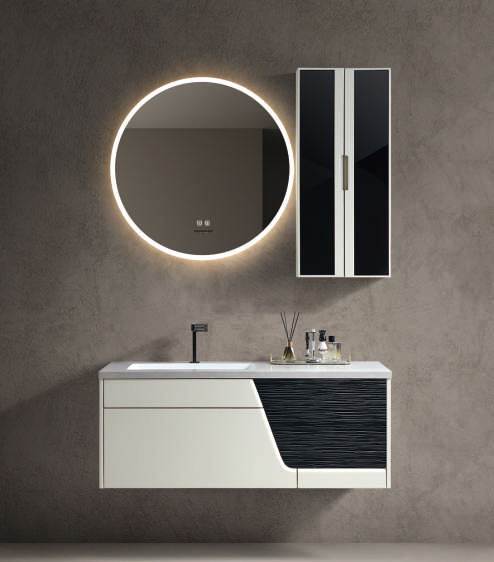
Hardness gives white oak its reputation. Industry data puts it at about 1,360 lbf on the Janka scale, above rubberwood and walnut. That shows up as dent resistance on door edges in busy commercial bathrooms. For a hotel or multifamily project where cabinets take daily abuse, fewer dents means fewer claims.
Moisture behavior is where white oak separates itself. Its pores close with tyloses after drying, which limits water intrusion better than most open-pored hardwoods. Pair that with a multi-layer PU waterproof coating, and white oak handles bathroom humidity swings with less movement than the alternatives. Quarter-sawn boards move least of all, though they cost more to cut, so most suppliers reserve them for tops and premium SKUs. The full coating stack is explained in our solid wood waterproofing article.
Machining is predictable and screw-holding is strong. The trade-off shows up in finishing: open grain can make stain look blotchy unless the shop applies grain filler first. If your line sells stained oak rather than clear coats, build that step into the spec sheet before quoting.
Verdict: white oak is the anchor species for dealers who sell durability and tradition. It sits at mid-tier pricing, but it is the easiest wood to defend in a warranty conversation. That alone justifies the material cost for most line builders.
Where oak shows up in practice: traditional and transitional bath lines, hotel renovation programs, and dealer catalogs that have sold the same classic SKU for years. It also pairs naturally with stone tops; a sintered stone top on an oak base reads as permanent furniture rather than a replaceable cabinet. The oak reference page covers the species family and why white oak differs from red oak on water resistance.
Oak also carries a resale story. The wood is recognizable and the grain is honest, which keeps oak cabinets in service for decades. That longevity is part of why hotel renovation programs return to oak even when the initial quote sits higher.
The clear-coat route is the cheaper finish path and the one most oak lines take, because the natural grain does the selling. If you offer both, keep stained SKUs short and clear SKUs deep; stained oak requires the filler step and holds more finishing labor per unit.
- Grain consistency: boards across one order should match in tone and figure.
- Moisture content on arrival: verify the drying record, not the invoice.
- Stain uniformity: check a stained panel, not the raw sample.
Rubberwood for Cost-Effective Volume
Rubberwood is the plantation hardwood most buyers underestimate. It comes from rubber trees retired from latex production, which means a steady agricultural supply and a stable entry-tier price. The look is pale cream to light brown with subtle grain, so it reads clean and modern rather than rustic. The species profile on rubberwood explains where the material comes from.
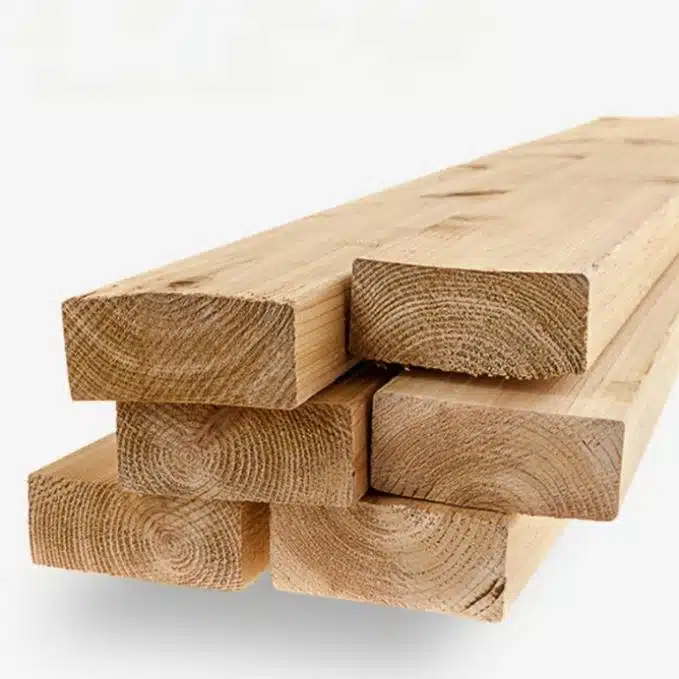
Hardness is adequate rather than impressive. Industry data puts rubberwood near 950 lbf on the same Janka scale, below white oak but workable for cabinet cases and doors. The real advantage is finishing: rubberwood’s uniform color and even texture let stain hit the same depth across boards and across batches. For a volume line that runs thousands of sets, consistent stain means fewer rejects at QC and fewer color complaints from dealers.
The moisture caveat deserves attention. Green rubberwood carries high initial moisture, and if the mill skips conditioning, panels move and joints open inside humid bathrooms. This is the spec to check when you audit a supplier. Ask for drying and conditioning records, then put a finished sample through a humidity test before you commit a container.
Production reality supports the volume story. Our factory runs a monthly capacity of 5,000 sets across materials, and each unit passes 5 quality checkpoints before packing. Rubberwood’s consistency is what keeps that throughput clean: when stain hits the same depth on every board, QC flags fewer panels and the line holds its schedule.
The buyer profile stays consistent across regions. Volume wholesalers and e-commerce dealers sell rubberwood against PVC and other engineered lines, not against oak; the pitch is real wood at a working price. That positioning keeps demand steady and makes rubberwood the most predictable of the three species to plan around.
Humidity testing is worth building into the sample stage. Leave a rubberwood door panel in a ventilated bathroom for two weeks. Measure the corner joints with a feeler gauge; movement beyond a hairline gap means the drying is not up to the job. Oak and walnut panels rarely fail that test, which is one more reason they anchor higher tiers.
Rubberwood also carries a sourcing story that sells. The trees are plantation-grown for latex and repurposed for lumber at the end of that cycle, so the material is a byproduct rather than a primary harvest. For buyers who need documented sourcing, FSC certification is available as an option across the solid wood line.
Verdict: rubberwood fits wholesalers and e-commerce dealers who sell value. It is the cost-effective entry point into solid wood, and its stain behavior makes it the practical choice for volume programs. If your buyers are price-sensitive but want real wood on the label, this is the workhorse species. For lines that lean toward zero-wood moisture behavior instead, the PVC board grades article covers that comparison.
- Drying records: confirm kiln drying and conditioning before production.
- Stain match: compare panels from two different batches.
- Joint integrity: inspect corner joints after humidity exposure.
Solid Wood Vanity Lines in Oak, Walnut and More
Browse this product, solution, or service page to explore relevant offerings.
Walnut for Premium Dark Finishes
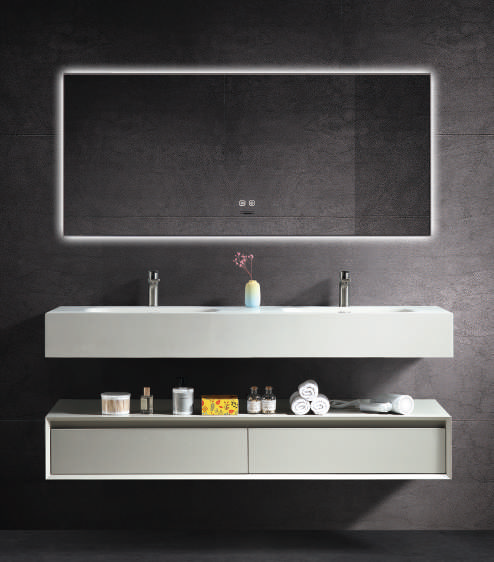
Walnut is the wood you reach for when the line needs to look expensive in the showroom. Black walnut ranges from rich chocolate brown to deeper purplish brown, with dramatic grain that needs no stain to make an impression. It is the smallest-volume, highest-position species of the three.
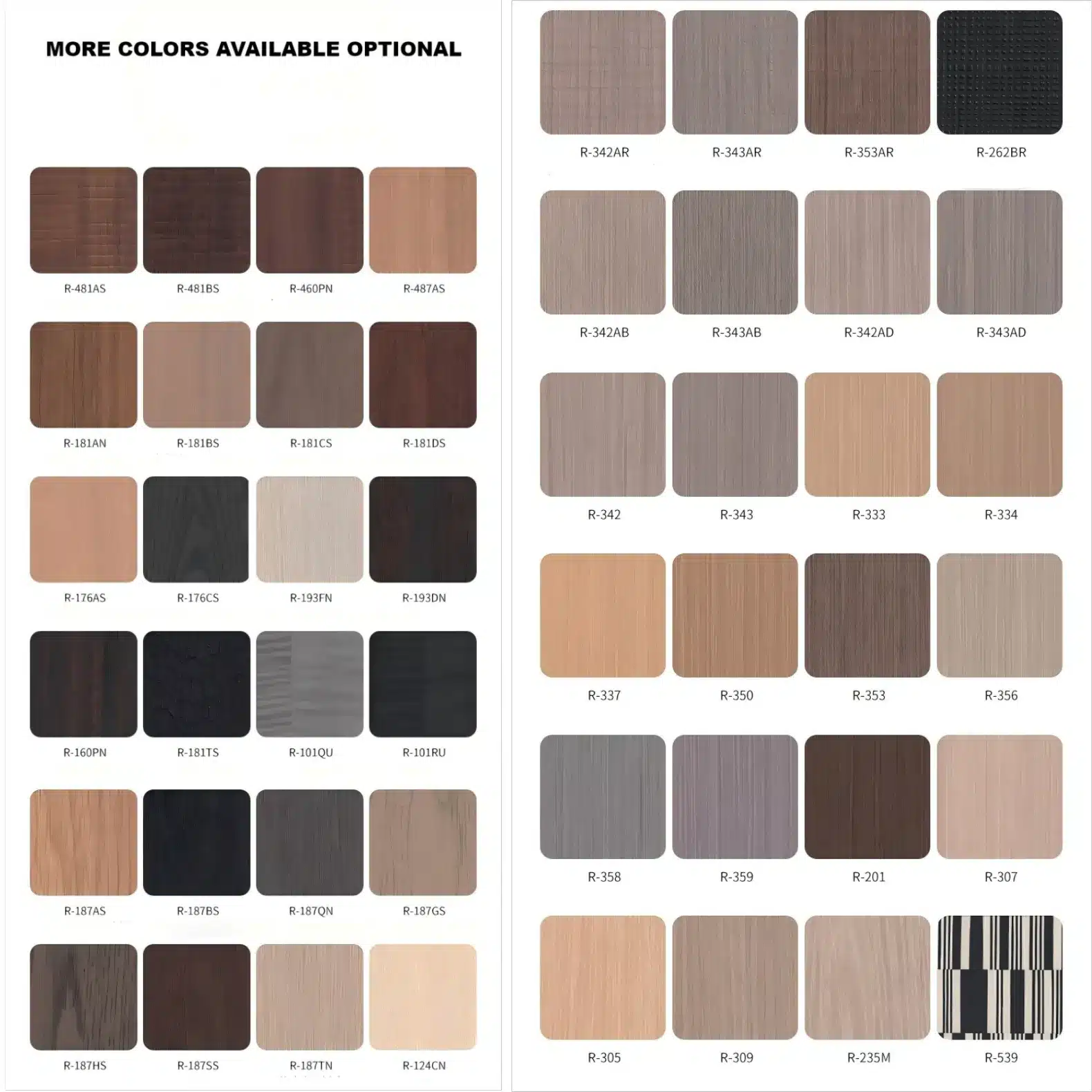
Hardness lands at about 1,010 lbf on the industry scale, moderate next to white oak. Fine grain is the payoff: walnut takes crisp routing detail that coarser woods blur. That detail matters on vanity doors with frames and soft-close hardware. The species profile on black walnut shows why the color is so hard to fake with stain.
Finishing logic flips with dark wood. Scratches and dust hide well, but finish defects become obvious, so coating quality is on display. A thin or uneven film reads immediately on walnut, which is why dark SKUs demand the most careful QC at the finish line. This is the moment where the multi-layer PU waterproof coating earns its cost.
Supply and sustainability change the buying math. Walnut supply runs tighter than oak or rubberwood, so lock the wood before you lock the price. FSC certification is available as an option for buyers who need documented sourcing, and the rest of the solid wood program runs on sustainable sources. The FSC chain of custody article explains how that documentation works in practice.
Where walnut shows up: boutique hotel packages, showroom statements, and master-bath programs where the vanity is the design anchor. The dark tone reads as a deliberate design choice rather than a maintenance compromise, which matters when the buyer is selling an experience, not a cabinet.
Order planning changes with walnut. Because supply is tighter, confirm wood availability before you quote a firm lead time; bulk production runs 20–30 days once material is secured. Free samples in 10 working days let your dealer network compare the actual chocolate tone against oak before the line decision is locked.
Walnut also changes the sample conversation. A dark walnut finish photographed under showroom lighting looks different from the same panel in daylight. Ask for a sample in the finish you will actually sell, not a natural board. It is a small step that prevents the most common color complaint in premium lines.
Verdict: walnut belongs in catalogs aimed at high-end residential and hospitality. It is the premium tier because material cost sits above oak and rubberwood and finish QC demands more care. If your buyers sell design and your line already carries a waterproofing story, walnut is the top SKU that lifts the whole catalog. The solid wood vanity collection shows the walnut and oak options in production.
What This Means for Your Product Line
The oak vs rubberwood vs walnut vanity decision is really a buyer-profile decision: white oak for classic durability, rubberwood for volume value, walnut for premium dark statements. Coating, QC, lead time, and MOQ stay constant across all three; the species sets the tier, the finish behavior, and the customer you attract.
- MOQ: 15 sets per model, color, and size opens a mixed solid wood line, so oak, walnut, maple, and ash SKUs can share one container.
- Lead time: bulk production runs 20–30 days, and samples ship in 10 working days so your team can compare grain in hand first.
- Moisture defense: every solid wood vanity carries a multi-layer PU waterproof coating; the species controls stability, the coating handles the wet.
- QC backing: each unit passes 5 quality checkpoints, covered by a 2-year container warranty and a return rate below 1%.
- Customization: 40,000+ combinations cover Pantone colors, branded hardware, and custom sizing when the line needs differentiation.
Price tiering across oak, rubberwood, and walnut follows the structure in our unit price tiers breakdown. If you are still undecided, run the tier logic backward: list your three biggest customer complaints from last season, then check which wood removes them. Moisture complaints point to stability and coating, color complaints point to stain consistency, and price complaints point to tier.
Order a free sample set across two woods and leave both in a steamy bathroom for two weeks; the survivor is your line.
Frequently Asked Questions
Is rubberwood a real hardwood?
Yes. Rubberwood is a medium-density hardwood harvested from plantation rubber trees after their latex years, so supply stays steady and pricing holds at the entry tier. It stains uniformly, which makes it the volume workhorse of solid wood vanity lines.
Which wood resists bathroom humidity most reliably?
White oak leads when kiln-dried, and its closed pores limit water intrusion. For all three woods, the multi-layer PU waterproof coating does the heavy lifting, so spec the coating first and the species second.
Can I mix oak, rubberwood, and walnut in one order?
Yes. MOQ runs 15 sets per model, color, and size, and mixed-container loading is supported. A line can carry rubberwood entry SKUs and walnut flagship SKUs in the same shipment.
Run this comparison against your price sheet and your customer complaints, and the right species becomes obvious. If you want to inspect grain in person, the free sample process takes 10 working days.




0 Comments