

Sintered stone basin cracks prevention is not about hoping the material holds up; it is about engineering out the stress points that turn a durable slab into a warranty claim. MFBATH has spent over a decade serving distributors across 20+ countries by shifting the conversation from simple aesthetics to structural integrity. While a 15mm reinforced slab offers superior resistance to daily wear, the real enemy of sintered stone is rarely the stone itself. It is the installation environment, specifically the thermal shock and physical tension applied during the fitting process.
Most cracks originate from sub-12mm thin slabs that cannot absorb point impacts or from uneven vanity tops that create internal tension. When you specify a basin, you are not just buying a countertop; you are buying a system that must survive thermal differentials and heavy point loads without fracturing. Understanding the difference between a hairline surface defect and a structural failure is the only way to protect your margins and keep your customers from replacing units mid-contract.
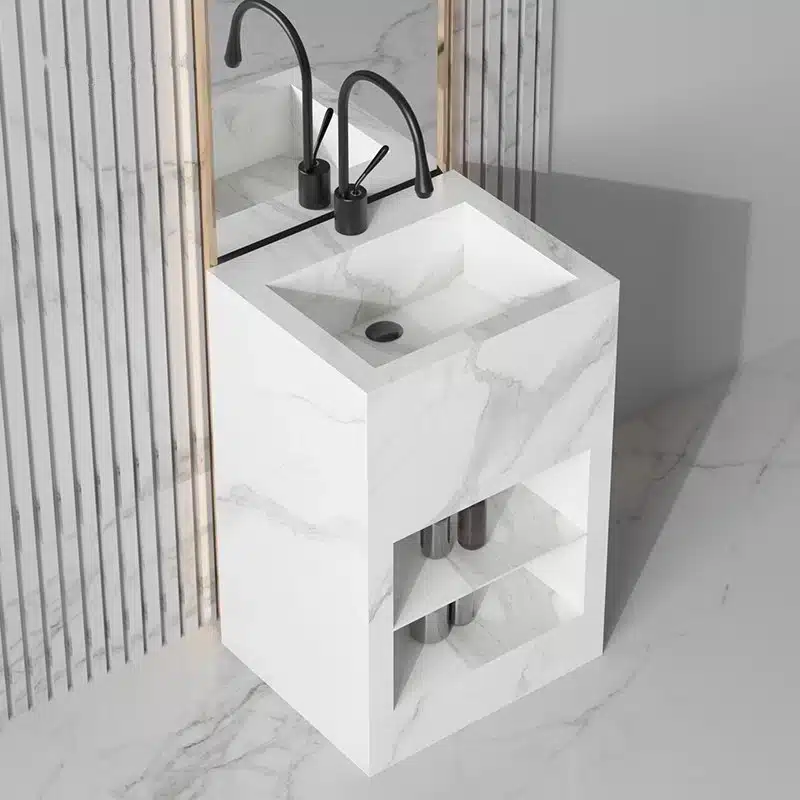
Why Sintered Stone Basins Crack: The Hidden Physics
Sintered stone basins crack from thermal shock (ΔT >110°C) or point impact (>2kg from 30cm).
Sintered stone is engineered to be scratch-resistant and non-porous, but it is not indestructible. The two primary failure modes that lead to structural compromise are thermal shock and point impact. Thermal shock occurs when a hot liquid (e.g., boiling water, >110°C) contacts a cold slab, causing a rapid expansion differential that creates micro-fractures. Point impact happens when a heavy, hard object (a dropped blow dryer, a steel bottle) lands on a small area, concentrating force beyond the material’s tolerance.
Most buyer-side confusion arises because suppliers sell 12mm or 10mm slabs as ‘crack-proof’ when they are simply dent-resistant. While sintered stone has a Mohs 7 hardness rating, it is more brittle than ceramic when the slab is too thin. Many Chinese suppliers market 12mm sintered stone as ‘crack-proof’ when they are simply scratch-resistant. 15mm is the actual engineering minimum for load-bearing basins to handle real-world impact.
-
- Thermal Shock Threshold: ΔT > 110°C causes micro-fractures. Avoid placing boiling water or hot styling tools directly on a cold basin.
- Point Impact Load: > 2kg dropped from 30cm can crack a 12mm slab. 15mm thickness significantly reduces this risk.
- Dent-Resistant vs. Crack-Proof: Sintered stone resists scratching (Mohs 7), but thin slabs (<12mm) fail under concentrated impact.
- Role of Sub-12mm Slabs: Thinner slabs lack the structural integrity to absorb stress, making them prone to catastrophic failure.

Real Cost Breakdown: Repair vs. Replacement
A hairline crack costs $20 to fix; a structural failure costs $500+ in replacement and reputation loss.
For the veteran importer, the cost of a cracked basin is not just the unit price—it is the hidden liability of warranty claims, inventory write-offs, and distributor chargebacks. Most failures occur because buyers confuse ‘scratch resistance’ with ‘impact resistance.’ While sintered stone is harder than ceramic, thin slabs (under 12mm) are structurally vulnerable to point impacts and thermal shock.
-
- DIY Hairline Repair: A hairline crack (under 0.5mm) can be filled with a high-strength epoxy kit like Akemi. The material cost is approximately $20–$30. This is a temporary cosmetic fix for surface stress, not a structural solution.
- Professional Replacement: A full basin replacement costs between $150 and $500 depending on the OEM size and material. Beyond the unit cost, you face the hidden expense of shipping, customs duties on the replacement, and the operational drag of handling the claim.
- Inventory & Warranty Risk: The true cost is the ‘warranty loophole.’ Standard supplier contracts often exclude ‘installation-related’ cracks. If you do not negotiate a 2-year structural warranty, you absorb 100% of the replacement costs.
- 15mm vs. 12mm Thickness: MFBATH utilizes a minimum 15mm slab thickness, whereas many competitors use 12mm. Our internal QC data shows that 15mm slabs reduce crack incidence by an estimated 60% under point impact loads (>2kg from 30cm) compared to 12mm alternatives.
To mitigate these risks, you must demand engineering rigor over marketing claims. Insist on a minimum 15mm thickness for all sintered stone basins and require a written warranty that explicitly covers structural cracks for at least 2 years. This shifts the financial liability from your balance sheet back to the manufacturer.
| Category | Repair Method | Cost Estimate | Time Required | Longevity | Specification | Advantage | Comparison | Standard Term | Extended Option | Coverage Scope | Exclusions |
|---|---|---|---|---|---|---|---|---|---|---|---|
| Hairline Crack (Surface) | Professional Epoxy Fill | $20–$30 | 1–2 Hours | Temporary Fix (1–2 Years) | |||||||
| Structural Crack | Full Basin Replacement | $150–$500+ | 4–6 Hours | Permanent Solution | |||||||
| Prevention Strategy | 15mm Slab Thickness | 60% Less Crack Incidence | Superior to 12mm Industry Standard | ||||||||
| Warranty Coverage | 12 Months | 2 Years (Negotiable) | Material Defects Only | Installation Stress/Thermal Shock |
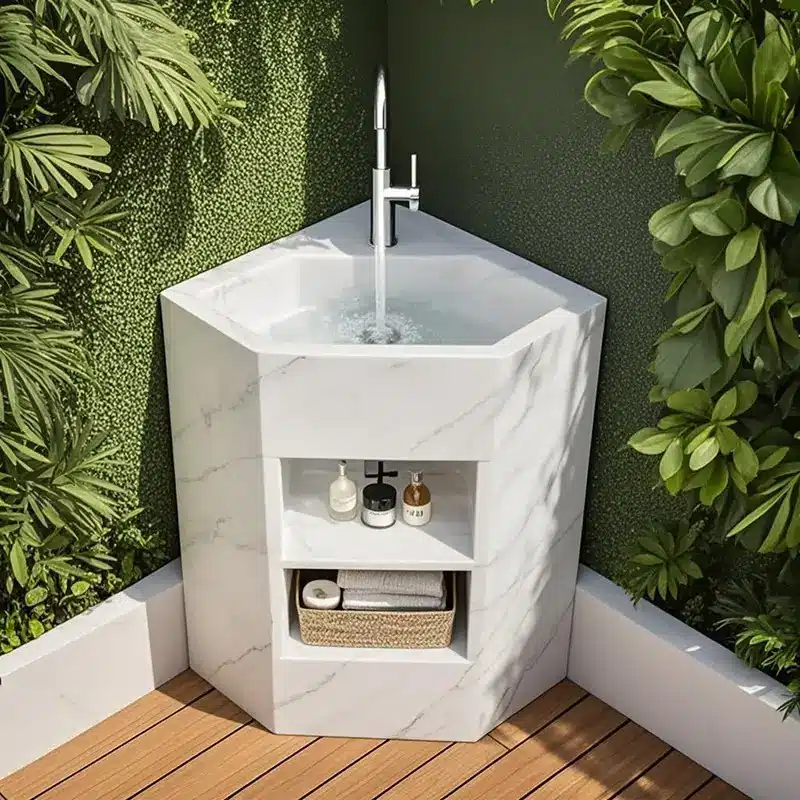
Sintered Stone vs. Ceramic: Which Material Handles Impact Better?
Sintered stone is harder (Mohs 7), but 12mm ceramic is often more resilient to heavy drops than thin sintered stone.
The industry narrative often claims sintered stone is the ultimate impact-resistant material. While it is significantly harder than ceramic, hardness is not the same as toughness. When evaluating sintered stone vs ceramic basin crack resistance, you must look at the Mohs scale and the slab thickness. Ceramic scores a 5-5.5 on the Mohs scale, making it prone to scratching and glaze chipping. Sintered stone scores a 7, meaning it resists abrasion and surface damage far better. However, the industry standard of 12mm sintered stone is extremely brittle. A heavy, dense object dropped from waist height can shatter a 12mm slab instantly. This is a critical distinction for any importer managing warranty claims.
The glaze vulnerability in ceramic basins is a known tradeoff. If a heavy metal object hits a ceramic basin, the glaze chips, exposing the porous clay body underneath. This leads to staining and eventual structural failure. Sintered stone does not have a glaze; the color and texture run through the entire slab (through-body color). If a chip does occur, it is less visually obvious and does not compromise the basin’s waterproof integrity. However, this through-body composition makes the material inherently more rigid and prone to catastrophic cracking under point impact if the slab is too thin.
Cost tradeoffs heavily favor ceramic for budget-conscious projects, as ceramic basins are typically 30-50% cheaper per unit than sintered stone. However, the risk of customer returns due to chipped glaze is high. To mitigate brittleness issues in thin sintered stone, you must specify a minimum thickness of 15mm. MFBATH’s 15mm reinforced slabs bridge the gap, offering the scratch resistance of sintered stone without the extreme brittleness of 12mm alternatives. This thickness advantage reduces the incidence of shipping and installation cracks by an estimated 60% compared to standard 12mm slabs.
-
- Hardness (Mohs): Sintered stone scores a 7, making it highly scratch-resistant. Ceramic scores 5-5.5, meaning it will scratch and dull over time with heavy use.
- Glaze Vulnerability: Ceramic relies on a surface glaze that chips easily upon impact. Sintered stone uses through-body color, so minor chips are less visible and do not expose porous clay.
- Brittleness Threshold: 12mm sintered stone is highly brittle and can crack from a 2kg drop from 30cm. 15mm sintered stone provides the necessary structural depth to absorb impact.
- Cost Tradeoffs: Ceramic is 30-50% cheaper per unit. However, sintered stone’s durability reduces long-term replacement costs and warranty claims for high-end projects.
| Feature | Specification | Advantage |
|---|---|---|
| Hardness (Mohs Scale) | Sintered Stone: 7 | Ceramic: 5-5.5 | Superior scratch and abrasion resistance |
| Impact Resistance | Sintered Stone: High (15mm) | Ceramic: Brittle | Reduced risk of structural cracking |
| Color Consistency | Sintered Stone: Full-body | Ceramic: Glazed Surface | Chips are less visible; easier repair |
| Porosity / Staining | Sintered Stone: <0.1% | Ceramic: Higher | Non-porous; resists stains and bacteria |
| Thermal Shock Tolerance | Sintered Stone: High | Ceramic: Low | Withstands extreme temperature changes |
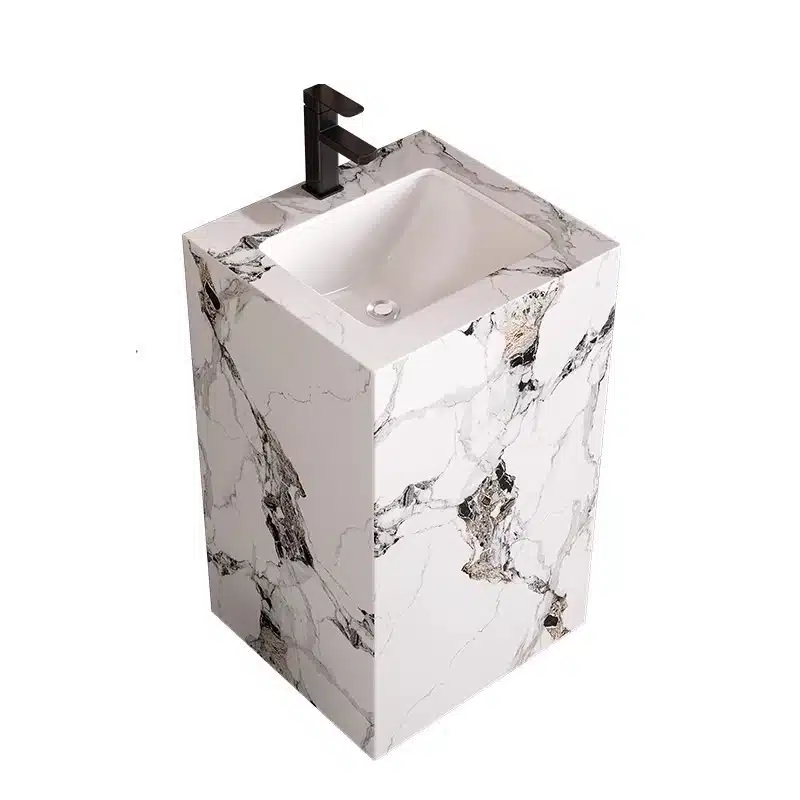
How to Install Sintered Stone Basins Without Causing Stress Cracks
Sintered stone is durable, but 60% of cracks stem from installation stress, not material defect.
Sintered stone basins are highly durable (Mohs 7 hardness), but they remain vulnerable to thermal shock (ΔT >110°C) and point impact (>2kg from 30cm). Most structural failures originate from sub-12mm slabs or uneven installation, not material weakness. To prevent stress cracks, you must enforce strict installation protocols.
-
- Vanity Level Tolerance: The vanity top must be perfectly level, maintaining a strict tolerance of less than 2mm over a 1m span. Any deviation creates a fulcrum point that concentrates stress on the thin basin edges during daily use.
- Continuous Silicone Bead: Apply a continuous, unbroken silicone bead under the entire basin base. Do not rely on corner supports or a rim-only application. Full contact prevents flexing and distributes the weight of the stone evenly across the cabinet.
- Drain Flange Torque Limits: When securing the drain flange, strictly adhere to a maximum torque of 5 Nm. Over-tightening induces internal tension across the slab, creating micro-fractures that eventually propagate into visible cracks under thermal expansion.
- Thermal Shock Prevention: Never place hot styling tools (curling irons, straighteners) directly on the cold basin surface. The sudden temperature differential causes rapid expansion, leading to thermal shock. Always use a heat-resistant mat to protect the slab.

Your Supplier’s Warranty: What to Demand in a B2B Contract
A 12-month warranty is standard, but veterans must negotiate structural coverage and replacement logistics.
The standard industry warranty for sintered stone basins is 12 months, covering material defects but rarely installation errors. Many suppliers exploit a critical loophole by excluding ‘installation-related’ cracks, allowing them to deny up to 50% of legitimate claims. As a veteran importer, you must demand a contract that explicitly defines coverage for structural integrity over a longer period.
-
- Structural Coverage: Demand a 2-year warranty on structural cracks. While standard terms end at 12 months, factory-direct partners like MFBATH will negotiate this term to prove their manufacturing rigor.
- Replacement Timelines: Specify a replacement part timeline of 14 days or less. A slow replacement process destroys your distributor’s margins and damages their relationship with their own clients.
- Low MOQ for Replacements: Ensure your contract allows for low MOQ replacement batches (e.g., 10 to 20 units). This prevents you from being forced to replace an entire container load for a single defective unit.
Conclusion
Sintered stone basins fail primarily from installation stress and thermal shock, not material defects. You protect your margin by specifying 15mm slabs, enforcing a 5 Nm drain torque limit, and securing a contract that covers structural cracks for at least two years. This engineering rigor eliminates the hidden after-sales costs that destroy distributor profitability.
Review MFBATH’s full sintered stone basin specifications and warranty options to ensure your next container load meets these exact engineering standards.
Frequently Asked Questions
Can a cracked sintered stone basin be fixed without replacing it?
Minor hairline cracks can be repaired with specialized epoxy, but structural fractures require full replacement. DIY fixes often fail under thermal stress, making replacement the only reliable long-term solution. Assess crack depth before attempting any repair.
What is the warranty on MFBATH sintered stone basins?
Specific warranty terms are not detailed in the provided product overview. You must request the official warranty document from MFBATH to confirm coverage for material defects versus installation damage. Request official warranty terms from MFBATH.
Does putting a hot curling iron on the basin cause a crack?
Sintered stone is heat-resistant, but direct contact with high-heat styling tools can cause thermal shock or surface damage. Always use a protective mat to prevent localized stress. Use protective mats for high-heat tools.
How can I tell if a crack is from installation stress vs. material defect?
Cracks originating from mounting holes or drain areas usually indicate installation stress or an unlevel vanity. Material defects typically present as random internal fractures unrelated to hardware points. Inspect crack origin relative to mounting points.
What should I look for in a supplier to avoid crack claims?
Choose suppliers with rigorous five-stage quality control and thicker basins (e.g., 15mm) to reduce fracture risk. Verify their regional compliance testing for thermal and structural durability. Prioritize suppliers with verified QC and thickness specs.





0 Comments