

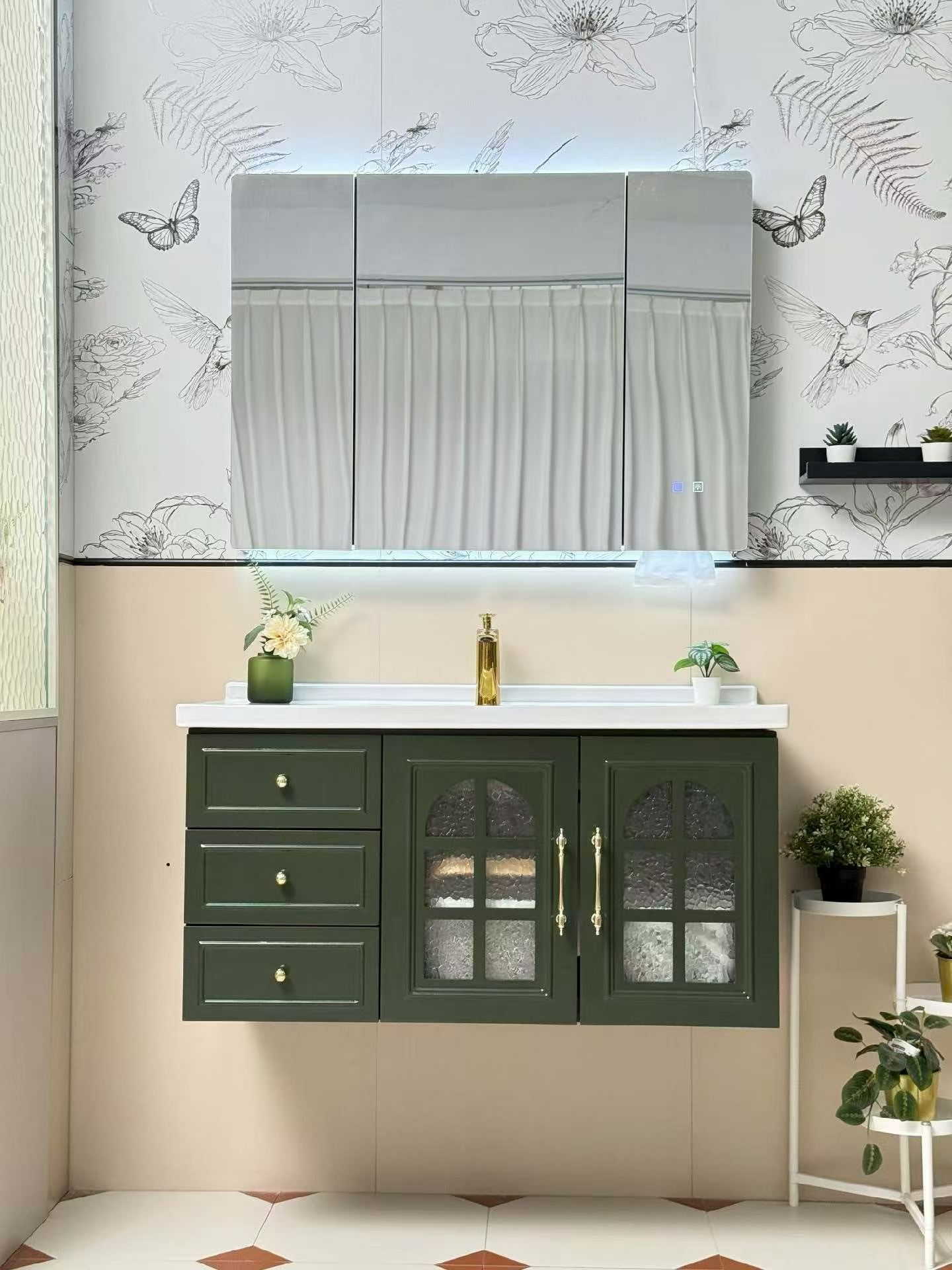
Soft close hinge cycle life is the specification that separates commercial bathroom hardware from parts built for a low-use home vanity. Buyers who leave it out of the purchase order accept doors that slam, dampers that die early, and a replacement bill inside the lease term. The number to demand is 100,000 open-close cycles, the nominal benchmark for commercial-grade hinges. Without test conditions, that number means little; humidity shifts the outcome more than any other variable.
Main Focus Cabinet (MFBATH), a bathroom cabinet manufacturer in Henan Changge, China, published a 100,000-cycle hardware test with a documented failure case at 45,000 cycles under humid conditions. Buyers who plan around that kind of data avoid a full replacement cycle. This guide covers how cycle life is defined, which factors shorten it, and how to lock it into a contract.
Key Takeaways
- 100,000 cycles is the nominal commercial benchmark; treat it as the entry bar for door hinges and drawer hardware.
- Humidity is the killer variable: MFBATH’s published test recorded a failure case near 45,000 cycles in humid conditions.
- Cycle counts without test conditions tell you nothing; demand the humidity and temperature data.
- Door weight and damper type decide whether a rated hinge survives in your building.
- Contract language with evidence requirements beats a verbal soft-close promise every time.
- Five minutes at the dock catches failing dampers before they reach a guest room.
- A 2-year warranty and a return rate below 1% give a written floor for comparing supplier quotes.
In This Guide
- Why Soft-Close Hardware Matters in Commercial Bathrooms
- How Cycle Life Is Defined and Tested
- Factors That Cut Hinge Life in Real Bathrooms
- Write Cycle Life Requirements into Purchase Contracts
- Quick Field Verification Methods for Incoming Stock
- Frequently Asked Questions
Why Soft-Close Hardware Matters in Commercial Bathrooms
A commercial bathroom door opens and closes many times per day inside a space where guests sleep, staff work, and owners carry the liability. Housekeeping handles every door during each room turn, so one failing hinge touches staff and guests all week. Soft-close hardware converts that motion into a controlled, near-silent close instead of a slam. Buyers count the payoff in complaints avoided and doors that stay in service.
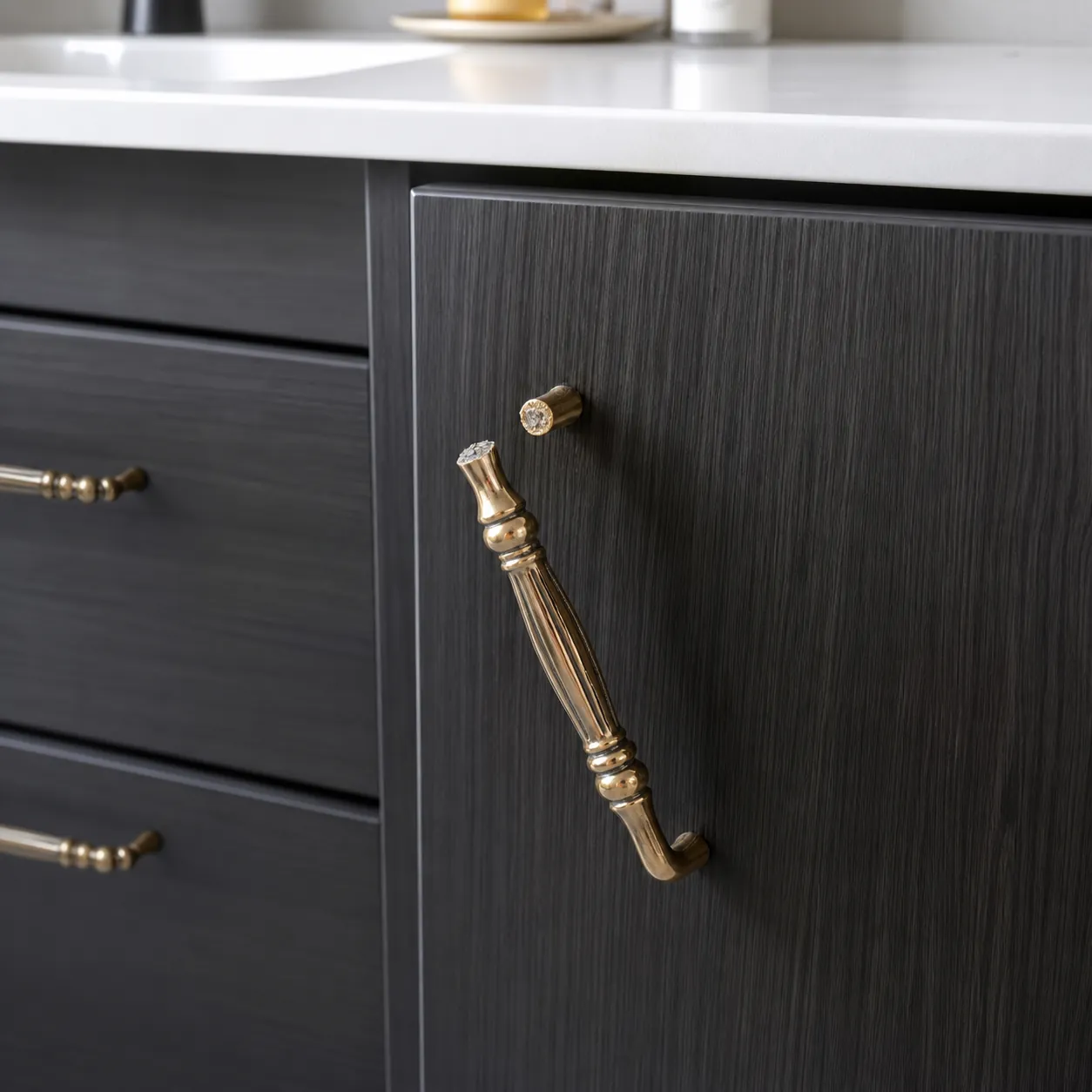
Noise Levels in Guest-Facing Spaces
A slamming door at night becomes a complaint, and a complaint in a hotel or multifamily building costs more than the hinge it describes. Noise travels through bathroom walls into bedrooms, meeting rooms, and workstations. Soft-close doors remove the slam at the source, which beats insulation, schedules, or an overworked front desk. Quiet operation is a spec, not an amenity, when rooms turn daily.
Commercial buyers should test for sound the way they test for fit. A door that closes with a damped hiss passes; a door that clicks or bangs fails the same checklist. Write the noise expectation into the acceptance criteria so installers and suppliers share one standard.
A guest who hears a slamming vanity door assumes the room was not checked. That impression lands on the review score, not just the maintenance log. Hotels, multifamily buildings, and office restrooms all follow one rule: quiet hardware reads as clean operation. Budget for the damper before the complaint, not after.
Wear Patterns That Drive Replacement
A slammed door transfers impact into the hinge cup, the cabinet frame, and the screw anchors. That force loosens fixings over time, and a loose hinge fails long before its damper does. Door sag is the failure mode that follows loose hinges, and the DTC vs Blum hinges comparison covers how hinge quality affects sag in the first years of commercial service. Soft-close mechanisms also protect the door panel, because impact stress concentrates at the hinge mount.
Replacement work in a running facility means downtime, labor, and a room out of service. Each repair touches housekeeping, maintenance, and the front desk. Preventing the failure beats scheduling the fix, which is why the cycle spec matters before the purchase order.
Hinge metal usually outlives the damper, so buy the pair as one matched assembly. A damper from a different brand rarely matches the original tuning. Specify the same hinge model for spares and record that model number in the building file. The file saves a maintenance crew a full troubleshooting session later.
How Cycle Life Is Defined and Tested
Cycle life is a number with a method behind it, and buyers who skip the method buy marketing. Soft close hinge cycle life only means something when the test conditions are attached. A cycle is one full open and one full close of the door. The cycle count records how many cycles the soft-close function survives before the door stops closing gently. That definition matters because the metal hinge usually outlives the damper.
What Counts as One Cycle
Test rigs swing the door through its full travel range and count every open-close pair. The useful number is the point where the damper no longer controls the final segment of the close, not where the hinge breaks. A 100,000-cycle hinge rating does not equal 100,000 quiet closes when the damper fails first. Ask which component failed at the end of the test; the answer tells you what to replace later.
Drawer hardware follows the same logic. Soft-close drawers depend on slides with their own load ratings, and under-mount vs side-mount drawer slides fail differently under load. Cycle expectations for drawers deserve the same written spec as doors.
Read a test report for three fields: stated cycle count, test conditions, and the component that failed. If the report names no conditions and no failure mode, treat it as marketing. Check whether the quoted count covers the damper or only the hinge mechanism. The two ratings describe different products.
Machine-driven testing matters because hands tire and vary. A rig delivers the same stroke and speed for every cycle, which isolates the hardware variable. When a supplier reports hand-cycled results, ask how the cycles were counted and at what pace. Repeatable method beats enthusiasm.
Test Conditions Change the Numbers
Temperature and humidity sit inside every credible cycle test because both change damper behavior. The published 100,000-cycle hardware test is a working example: a failure case appeared at 45,000 cycles under humid conditions, far short of the 100,000-cycle nominal target. Salt exposure shortens hardware life further, so coastal projects need stricter acceptance levels than inland ones. A test run in a dry climate-controlled room tells you little about a shower-filled bathroom.
Standards bodies give buyers a vocabulary for these requirements. BIFMA (Business and Institutional Furniture Manufacturers Association) publishes voluntary performance standards for commercial furniture, and ASTM International maintains hardware and coating test methods. Cite those frameworks in your spec, and a supplier cannot hide behind an in-house test with no stated conditions. Demand the same documentation the published MFBATH test provides before any purchase order.
Request the report before the purchase order, not after delivery. Compare the model number on the report against the units that ship. A test performed on a different hinge tells you nothing about the hinge in your container. Retest rights in the contract keep both sides honest.
Factors That Cut Hinge Life in Real Bathrooms
Rated cycle counts assume a clean, dry door used with care. Real commercial bathrooms supply humidity, heavy panels, and installers in a hurry, and each factor moves the failure point. Plan for the room, not the brochure.
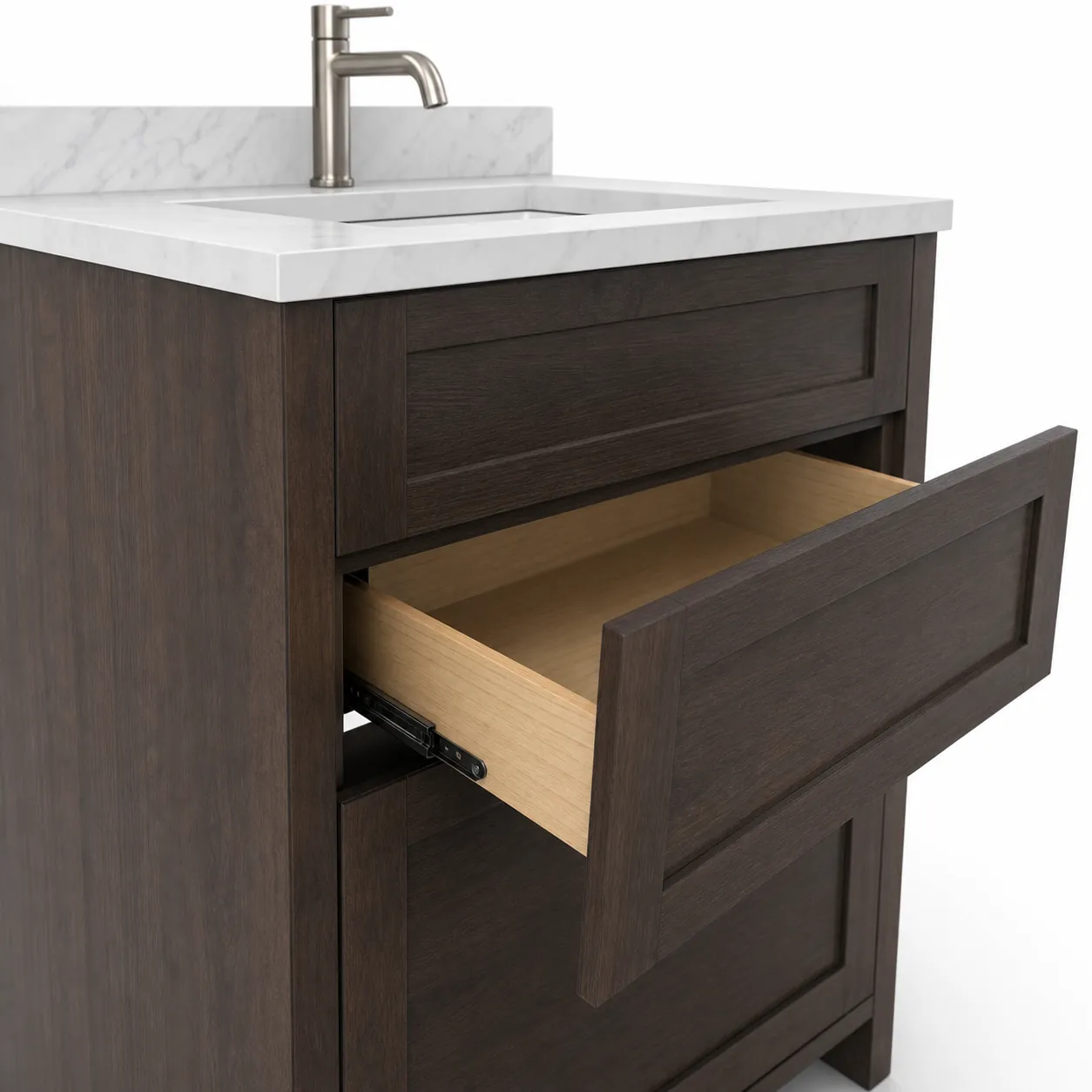
Humidity Exposure and Salt Load
Every shower run pumps moisture into the air, and that moisture works on damper seals, hinge finishes, and cabinet structure. Seals degrade from humidity faster than from mechanical wear in most bathrooms, which matches the 45,000-cycle humidity failure in the MFBATH test. Coastal locations add salt, and salt plus moisture is the fastest corrosion combination for hardware. Door alignment depends on the cabinet box staying true; MFBATH’s PVC cabinets are 100% waterproof and do not warp, so hinge geometry survives wet rooms.
Solid wood doors need the same environmental attention. MFBATH applies a multi-layer polyurethane waterproof coating to its solid wood cabinets, which limits moisture movement in the panel. A stable panel keeps weight and alignment predictable across seasons. Humidity control in the spec carries as much weight as the hinge brand.
Facilities with continuous use push humidity higher than a standard guest bath. Gyms, spa areas, and staff locker rooms run showers for hours, so condensation settles on hardware every day. Set acceptance levels around peak use, not average conditions. Coastal projects should add the same caution for salt carried in from outside.
Door Weight and Damper Selection
Every damper is tuned for a door weight range, and an oversized door is the fastest way to kill damping. A damper matched to a light panel bottoms out and fails early on a heavy one. Solid wood doors carry more weight than PVC doors, so the damper spec must match the panel spec, not the catalog photo.
Choose the damper family before the cabinet. Hydraulic dampers use oil and hold consistent damping across temperature swings. Pneumatic units rely on gas compression, which shifts with temperature. Both types appear in commercial hardware, so name the type in the spec instead of accepting whatever hinge ships. For high-turnover bathrooms, hydraulic dampers are the safer default.
Specify the door size, panel material, and damper rating together in one line item. That prevents a supplier from swapping a heavy panel onto a light damper after approval. List the model numbers and the door dimensions in the purchase order. Drawer count matters too, since each drawer adds its own slide load.
Installation Precision and Cabinet Alignment
A hinge mounted out of square loads one side of the damper and wears it unevenly. Screw-on hinges allow field adjustment after mounting, while clip-on versions swap fast when a unit fails. In a building with hundreds of doors, that difference changes maintenance cost. Review the clip-on vs screw-on hinge options before you standardize a model.
Alignment also depends on the cabinet box. A warped frame undoes any hinge adjustment, no matter how good the hinge is. Check carcass flatness on sample units and set the same expectation for production batches.
Installers rarely read hinge manuals, so put the adjustment steps in the installation sheet. Check the first unit in each room type before the crew moves on. Photograph any misalignment and send it to the supplier with the defect claim. Written evidence converts a dispute into a warranty case.
Commercial Bathroom Vanities with Soft-Close Hardware
Browse this product, solution, or service page to explore relevant offerings.

Write Cycle Life Requirements into Purchase Contracts
A purchase order that says soft-close doors leaves room for any damper with a spring inside. The fix is a spec table in the contract that names the cycle count, test conditions, and evidence. Suppliers who run real tests produce the paperwork; suppliers who only buy hinges hesitate. That hesitation is information.
Acceptance Criteria to Put in Writing
| Parameter | Written Requirement | Evidence Required | Remedy on Failure |
|---|---|---|---|
| Cycle life | At least 100,000 open-close cycles for hinges and slides | Test report for the exact model ordered | Free replacement of failed hardware |
| Test conditions | Humidity and temperature used in testing, stated in writing | Data includes humid-condition runs | Retest at supplier cost |
| Damper type | Hydraulic or pneumatic, named in the spec sheet | Spec sheet matches installed units | Reject shipment if substituted |
| Cabinet warranty | 2-year coverage on the complete cabinet | Warranty clause in the purchase order | Repair or replace at supplier cost |
| Return rate | Below 1% on delivered orders | Order history summary from supplier | Corrective plan before next order |
Supplier certificates complete the picture. MFBATH has maintained ISO 9001 and ISO 14001 since 2017, with validity confirmed in 2025. Ask any candidate supplier for the same: current certificates, the cycle test report, and a named person who signs it. Check the certificate issue date as well as the document itself, because a file from last year says nothing about this year’s production line. The spec table above turns those documents into enforceable contract lines.
Trade Terms That Support the Spec
Lock the same discipline into the trade terms. MFBATH quotes an MOQ (minimum order quantity) of 15 sets per model, color, and size, sends samples in 10 working days, and runs bulk production in 20-30 days. Shipments leave FOB (free on board) Qingdao port, with 30% deposit up front and the balance due within one week of the draft bill of lading. Total lead time to the US, Canada, and Mexico runs 4-6 weeks, which gives you runway to test samples before the container leaves.
Use the terms as a sequence, not a list. Sign the spec, order samples, and approve the test report before bulk production starts. MFBATH’s sample lead time of 10 working days fits inside the 20-30 day bulk window. That overlap lets you fix a damper spec without delaying the container.
Negotiation tip: a cycle clause costs a serious supplier nothing, because the test already exists. If a supplier hesitates on humid-condition data, ask what the warranty actually covers. MFBATH’s 2-year cabinet warranty and a return rate below 1% give a buyer a written floor for comparison. Measure any candidate quote against those two numbers.
Quick Field Verification Methods for Incoming Stock
The receiving dock is the right place to catch a bad damper; a failure in a guest room costs labor plus downtime. Run a short check on a sample from each model and color in the shipment. Combine the hands-on checks with the paperwork audit, and most failure modes surface before installation.
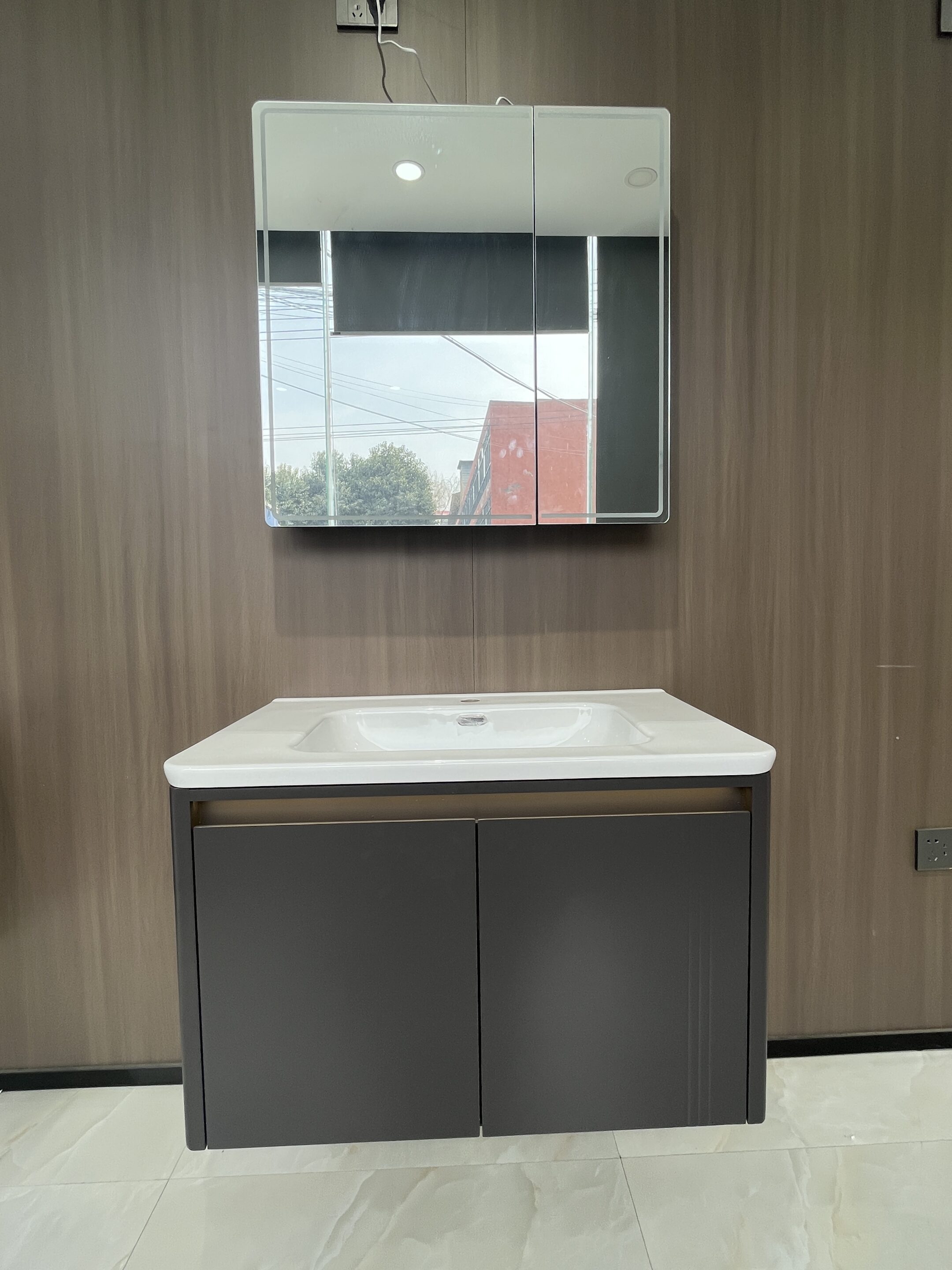
Six Checks That Catch Bad Dampers
- Close speed: open each door fully, release, and watch the final segment slow down rather than slam.
- Noise: a soft damping hiss passes; a click, rattle, or bang fails.
- Repeatability: cycle each door several times and confirm consistent behavior.
- Alignment: closed door edges run parallel to the frame with even gaps.
- Finish: hinge arms and cups show no rust, bubbles, or coating flaking.
- Documentation: spec sheets match the ordered model and the contract test report.
Assign the checks to one person per receiving day so results stay comparable across shipments. Test units from each model, color, and size, not just the first carton opened. Record pass or fail per unit and attach photos to any rejection. That paperwork trail decides warranty claims later.
Pass and Fail Signals at a Glance
| Check | Method | Pass Signal | Fail Signal |
|---|---|---|---|
| Close speed | Release from full open | Slows through the final segment | Door slams shut |
| Noise | Listen during the close | Soft hiss only | Click, rattle, or bang |
| Repeatability | Cycle each door several times | Behavior stays consistent | Close speed varies between cycles |
| Alignment | Sight the closed door | Even gaps on both sides | Door binds or sits crooked |
| Finish | Inspect hinge surfaces | Clean coating, no rust | Rust spots or flaking finish |
| Documentation | Compare sheet to order | Model and test data match | Mismatch with purchase order |
MFBATH runs five inspection checkpoints on every cabinet before packing, and the steps above mirror what a distributor should repeat on arrival. Sample at least one unit from each model, color, and size in the shipment. Keep the sample-phase test report as the baseline for the next reorder. A signed record from the dock turns the next negotiation into a numbers conversation.
Log the results in the same file as the test report. A door that fails at the dock today becomes a warranty claim with photos tomorrow. The passing unit becomes the reference standard for the next shipment. Either way, the record protects the buyer’s position.
Frequently Asked Questions
How many cycles do soft-close hinges last in commercial bathrooms?
The industry benchmark is 100,000 open-close cycles, and that is the number to put in your spec. Humidity pulls real life down: the published MFBATH test recorded a failure case near 45,000 cycles in humid conditions. Match the damper to the door weight and the count becomes realistic.
Which damper type suits bathrooms, hydraulic or pneumatic?
Hydraulic dampers use oil and deliver consistent damping across temperature swings, which suits humid rooms. Pneumatic units rely on gas compression and shift with temperature. Specify the type in your contract and require the test report for that exact model.
How do I verify soft-close hinge quality before a bulk order?
Order samples first, since MFBATH ships samples in 10 working days, and run the close-speed and noise checks on each one. Ask for the 100,000-cycle test report with humid-condition data. A supplier who cannot produce it then will not produce it after the purchase order either.
The Bottom Line
Cycle life is a contract item, not a brochure adjective. Name 100,000 cycles, demand humid-condition test data, match the damper to the door, and verify stock at the dock. MFBATH builds soft-close doors and soft-close drawers into its bathroom cabinets with a 2-year warranty and a return rate below 1%. Start with samples, baseline the hardware, and lock the numbers into the purchase order.



0 Comments