

The verified gross mass — the VGM your forwarder keeps asking about — is each container’s total packed weight, verified before loading as the SOLAS convention has required since July 2016. The legal duty sits with the shipper named on the bill of lading, which in a factory-stuffed, FOB purchase is usually your Chinese supplier, not you. The buyer’s job is to make the division explicit in the order: who weighs, what evidence travels, which document carries it, and how far before the cut-off. Write it in and VGM becomes a line on the loading checklist, not a crane-side scramble.
Key Takeaways
- The SOLAS VGM duty follows the shipper on the bill of lading — usually the factory on FOB orders.
- Require Method 1 weighing with the declaration and the weighbridge ticket as evidence.
- Set an internal deadline before the carrier’s cut-off and reconcile the mass against the packing list.
The rule, in plain terms
Misdeclared container weights have wrecked ships, stacks and lives, and the International Maritime Organization’s answer was to make verified weight a loading condition. The IMO’s page on verification of the gross mass sets out the mechanics: the shipper must state the verified weight in the shipping document and communicate it to the vessel’s master and the terminal representative in time for stowage planning, and a packed container without a VGM is not a container the carrier may load.
The convention defines “shipper” functionally — the entity named on the bill of lading, and the party that concluded the carriage contract. In a typical factory-stuffed FOB order, that is the factory; in a buyer-stuffed or forwarder-stuffed movement, it can be you or your forwarder. Whoever it is carries the legal duty, and the IMO page pointedly leaves the buyer-versus-factory division of tasks to commercial agreement — which is why that division belongs in your purchase order rather than in a dockside conversation.
The two methods, and which one to require
SOLAS permits two ways to obtain the verified mass, and they are not equivalent for furniture:
- Method 1 — weigh the packed container. The container goes over a certified weighbridge after packing and sealing. One number, covering everything inside: cabinets, stone tops, mirrors, dunnage, and the box itself. This is the method to prefer for vanity orders, because mixed furniture loads are exactly where calculated weights drift from reality.
- Method 2 — calculate. Weigh every package and cargo item, add dunnage and securing material, then add the container’s tare. Sound in theory; in practice, an order of mixed models, moisture-bearing wood and stone tops makes the sum an estimate, and every unrecorded add-on — corner boards, extra pallets, desiccants — widens the gap.
If the factory proposes Method 2, accept it only with the working papers: per-carton weights from the packing station, the dunnage list, and the arithmetic shown. A Method 2 declaration without its calculation is a guess wearing a stamp. Method 1 costs a weighbridge visit and produces a ticket — the strongest single document in the VGM file, and the one that settles later arguments about who loaded what.
The buyer’s five checks before booking
The legal duty may sit with the shipper, but the operational pain lands on the buyer when the terminal rejects a container at the cut-off. Five checks, all cheap, prevent the expensive versions:
- Name the responsible party in the order. One line: the factory, as shipper on the bill of lading, is responsible for VGM per SOLAS, obtained by Method 1, and supplies the declaration and weighbridge ticket with the shipping documents. This is the sentence that decides everything downstream.
- Set the evidence standard. VGM declaration plus the weighbridge ticket, not a number typed into an email. The ticket ties the mass to a container number, a place and a time.
- Agree the cut-off. VGM must reach the carrier before the port’s documentation cut-off — earlier than most buyers assume. Put the internal deadline in the loading plan: VGM submitted two working days before the carrier’s cut-off, with the ticket attached.
- Sanity-check the number. Compare the declared VGM against the packing list’s gross weights plus the container tare. A mismatch of more than a few percent means somebody weighed the wrong container or copied the wrong row — and the discrepancy is yours to catch before the terminal catches it for you.
- Watch for repeats. A factory whose VGMs need “corrections” every shipment is telling you its process is loose — the same signal a weighing audit gives. Our article on pre-booking freight covers the adjacent planning, and the container weight belongs on that plan next to the booking date.
Why the honest number protects more than the ship
The VGM began as a safety rule, but the verified weight quietly does commercial work on your behalf. The declared mass drives the carrier’s stowage plan and, on some services, your freight invoice assumptions. The same number, cross-checked against the packing list, is the fastest fraud-and-error detector in the whole shipping file: a container whose VGM is far below the packing-list total may simply be short-packed; one far above it may contain what you did not order. Neither discrepancy announces itself — but both are visible in a five-minute comparison.
The verified weight also disciplines the factory’s own packing process. A weighbridge visit before sealing means the factory knows the container’s mass is recorded and attributable, which is a mild but real deterrent against the informal additions that damage buyers: an unapproved pallet of samples squeezed in for a friend, a last-minute substitution nobody mentioned. Our note on marine cargo insurance covers what happens when a misdeclared or overloaded container contributes to a loss — insurers read the VGM file, and an inconsistent one hands them arguments.
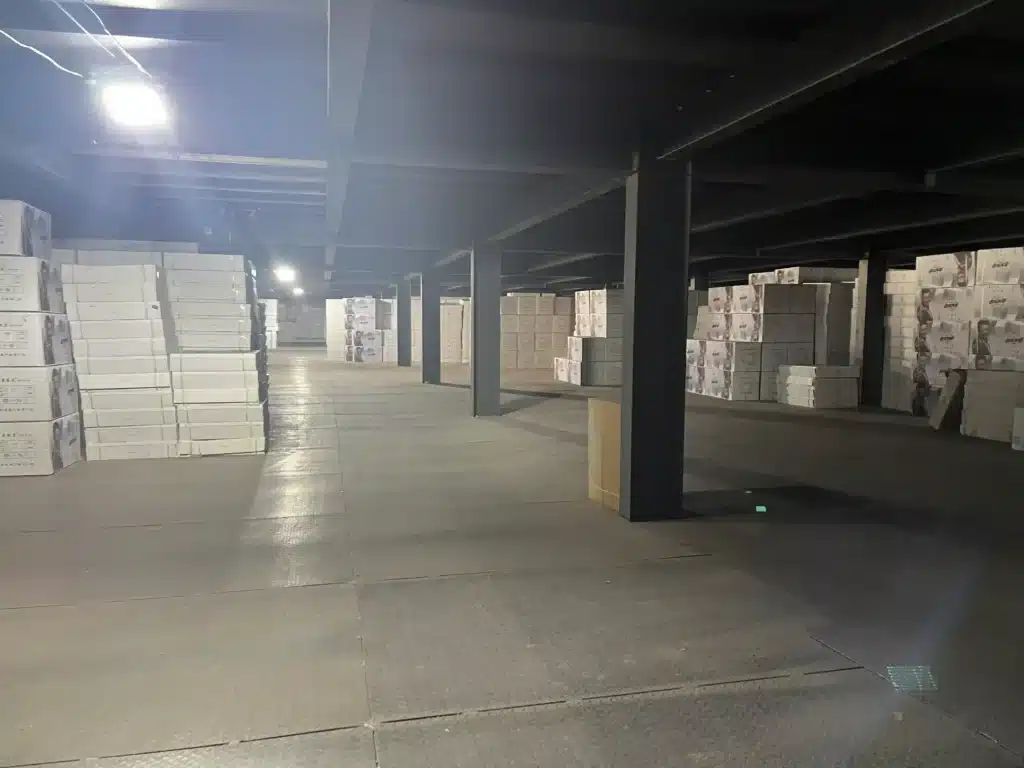
Reading the weighbridge ticket
The weighbridge ticket is the VGM file’s anchor document, and it deserves sixty seconds of attention when it arrives. Check that the container number on the ticket matches the container on your booking — transposed digits are the classic error. Check that the weighing time sits after the loading completion time your factory reported, because a ticket stamped before the last carton went in describes a different container. Check that the gross figure is plausible against the packing list total plus the tare of that container type, and that the ticket names the weighing station and carries its operator identifier. Photograph or scan the ticket into the shipment file next to the VGM declaration; together they answer, in two documents, the question that every weight dispute eventually asks — who weighed what, where, and when.
When a correction is genuinely needed — a figure mistyped, a container swapped at the yard — insist on the full cycle: a new weighing, a new ticket, a re-issued declaration, and a note in the shipment file recording why. A VGM corrected by email alone is a VGM nobody can defend later, and the paper trail of a correction is precisely what a terminal inspection or an insurance reviewer will ask to see.
When the container shows up without a VGM
The IMO page provides the fallback: if a packed container arrives without verified mass, the master or the terminal may weigh it on the shipper’s behalf, with the cost allocated by agreement among the parties. In practice that means a terminal re-weigh fee, a delayed gate move, and a scramble against the cut-off — all of it landing on the buyer’s schedule even when the factory pays the fee. The remedy is the first check above: responsibility, method, evidence and cut-off, written into the order.
For buyers who stuff containers themselves at a warehouse or at a freight forwarder’s facility, the duty may shift to you or your forwarder — the definition follows the bill of lading and the carriage contract. In that configuration, the weighbridge booking belongs on your loading plan, and the factory’s cooperation is the per-carton weights that make your own Method 2 arithmetic credible. Our overview of Incoterms for furniture explains how the named term moves these duties around.
| Item | Factory’s job (typical FOB, factory-stuffed) | Your job |
|---|---|---|
| Weighing | Method 1 weighbridge visit after stuffing and sealing | Specify Method 1 in the order |
| Evidence | VGM declaration + weighbridge ticket, container number and time on it | Set the evidence standard; file it per shipment |
| Submission | Send VGM to the carrier/forwarder before the cut-off | Agree the internal deadline; monitor compliance |
| Consistency | Packing list gross weights reconcile to the declared mass | Five-minute cross-check; query any gap |
| Exceptions | Report any re-weigh or correction immediately | Track repeat offenders; audit the process |
Planning Your Next Container?
Send us your destination and loading plan. We will help you set the VGM responsibility, the evidence standard and the cut-off schedule for every shipment.

The Bottom Line
VGM is a safety rule you can turn into an administrative advantage. The SOLAS duty follows the shipper on the bill of lading — usually the factory — so write the division into the order: Method 1 weighing, declaration plus ticket as evidence, an internal deadline ahead of the carrier’s cut-off, and a five-minute reconciliation against the packing list. Do it once per order and the verified gross mass stops being a last-day surprise and becomes the cheapest audit your container will ever get.
Frequently Asked Questions
Who is the “shipper” when my forwarder books the vessel?
Follow the transport document: the entity named as shipper on the bill of lading carries the SOLAS duty, alongside whoever concluded the carriage contract. In factory-stuffed FOB orders that is typically the factory; confirm who is named before assuming.
Is Method 2 acceptable for vanity orders?
Only with working papers. A calculated VGM for a mixed furniture load drifts from reality unless every carton, pallet and dunnage item is weighed and recorded. Method 1 on a certified weighbridge is the cleaner evidence and the one to prefer.
What happens if the VGM arrives after the cut-off?
The carrier can refuse to load, or the terminal can re-weigh at the shipper’s cost under the IMO’s fallback. Either way the schedule slips — which is why the internal deadline should sit two working days before the carrier’s cut-off.
Do I need the weighbridge ticket if the declaration is filed?
You do not legally need it — but you want it. The ticket ties the number to a container, a place and a time, and it is the document that settles discrepancies without argument.
The declared weight is far below my packing-list total. What does that mean?
Either a clerical error or a short-packed container. Both are worth a same-day query: cross-check the packing list, ask for the ticket, and if the numbers still disagree, treat it as a loading-integrity issue, not a paperwork one.
Does the VGM affect my insurance claim after damage?
It can. Insurers reviewing a damaged shipment read the VGM file for consistency with the packing list and the stowage. A file with corrections and gaps gives the insurer material to argue with; a clean file protects the claim.




0 Comments